
Used 2024 Wabash Flatbed Trailers For Sale
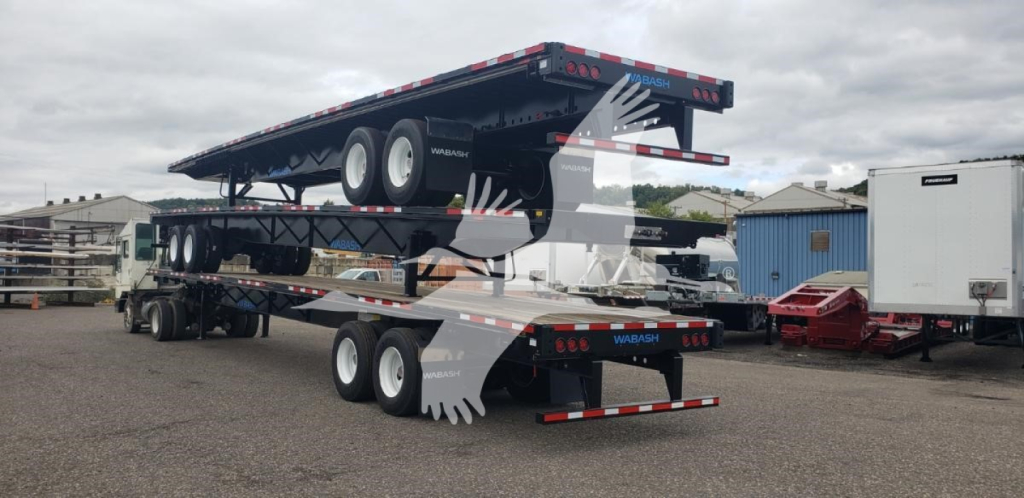
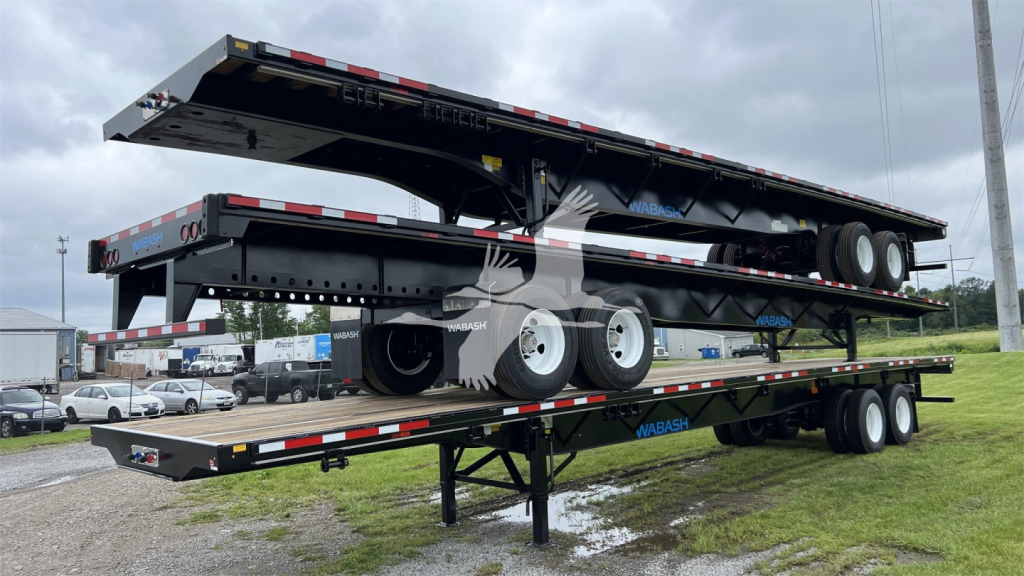
Browse used 2024 Wabash flatbed trailers with 48' and 53' deck options, slider suspensions, Apitong floors, and heavy-duty steel construction.
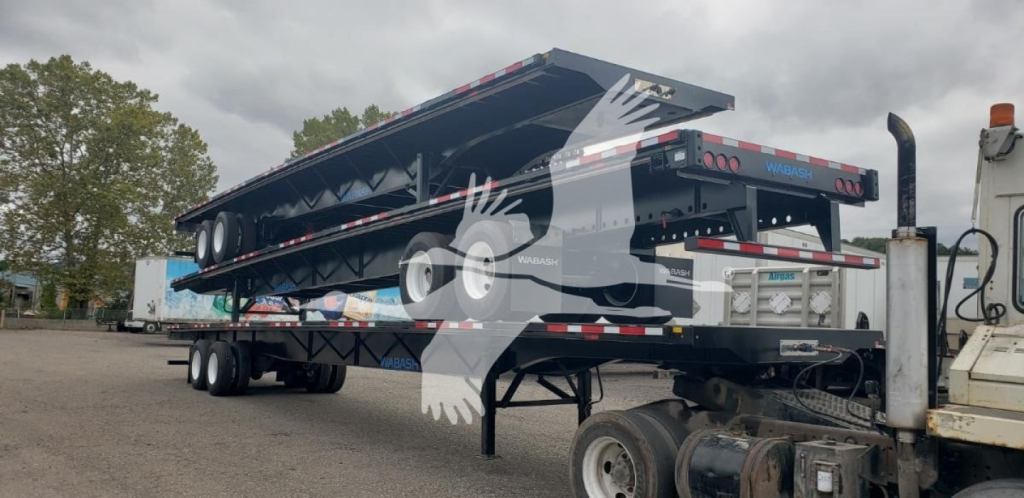
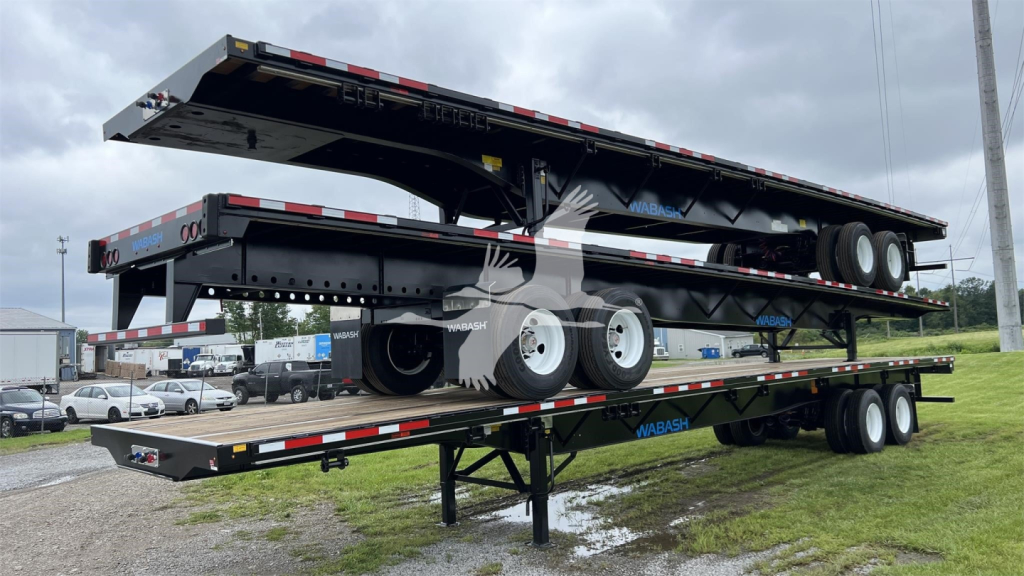
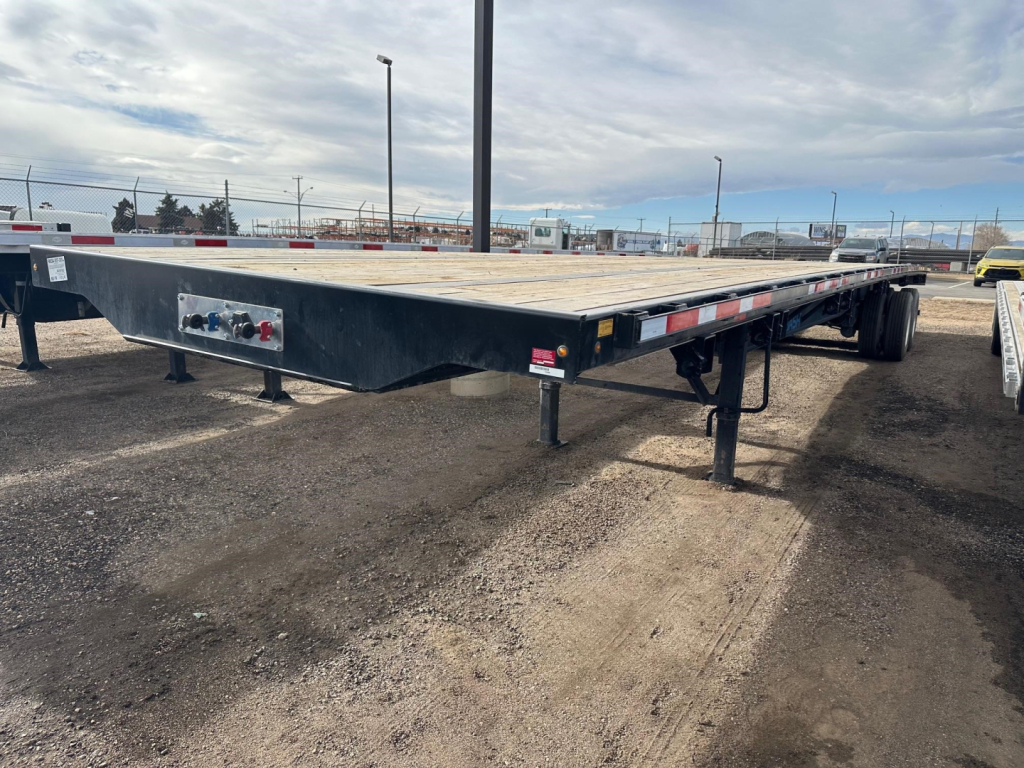
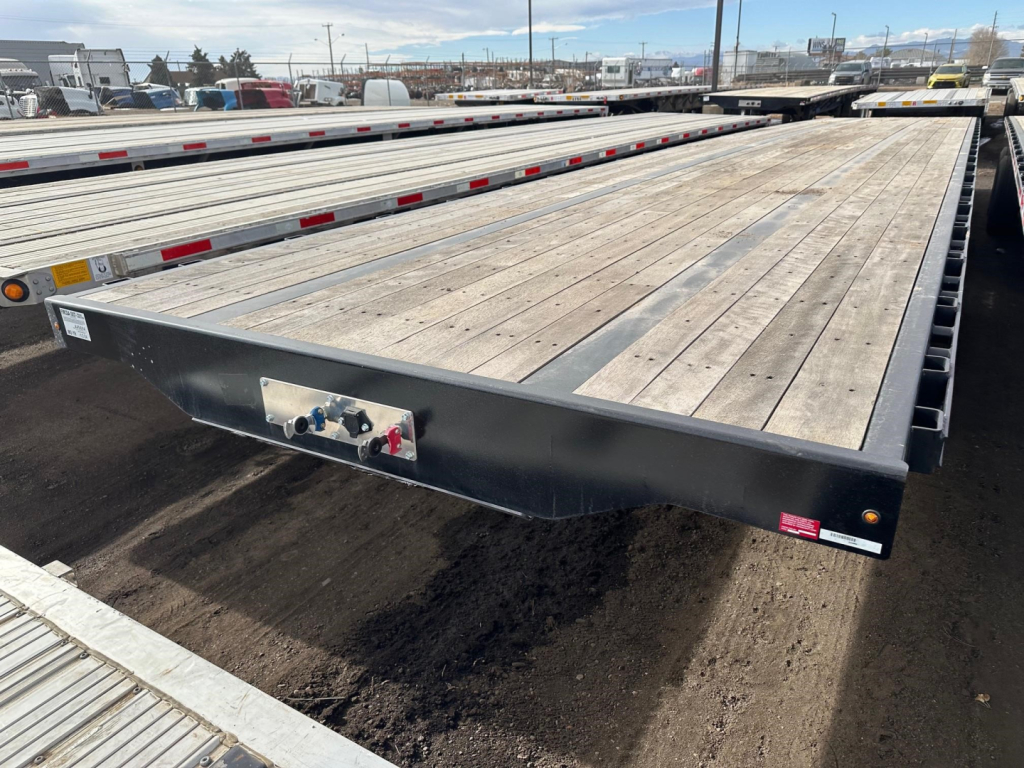
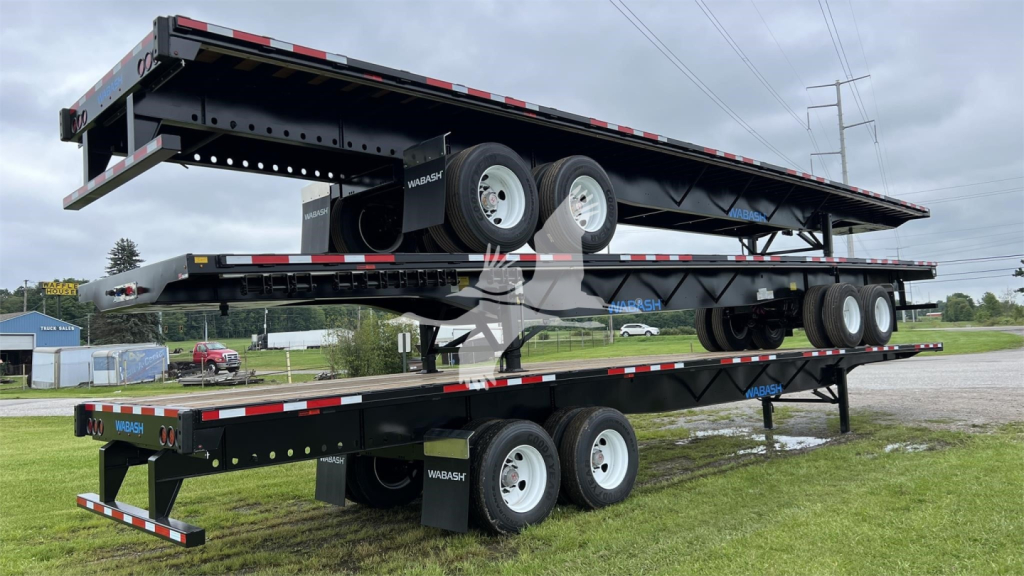
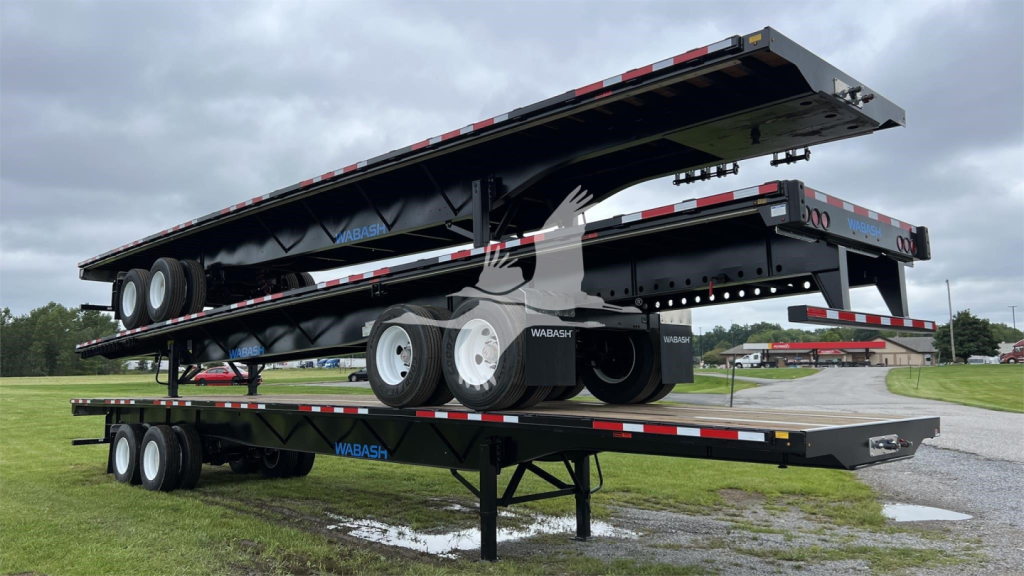
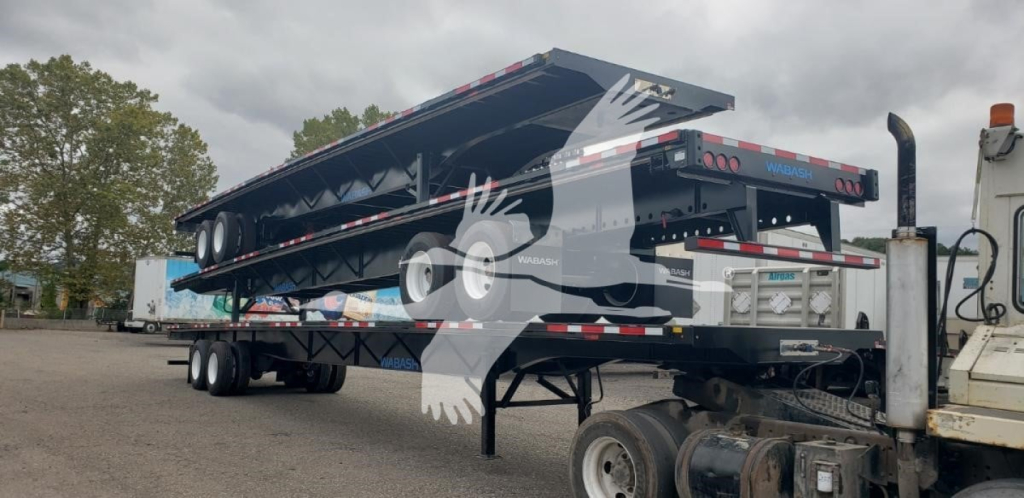
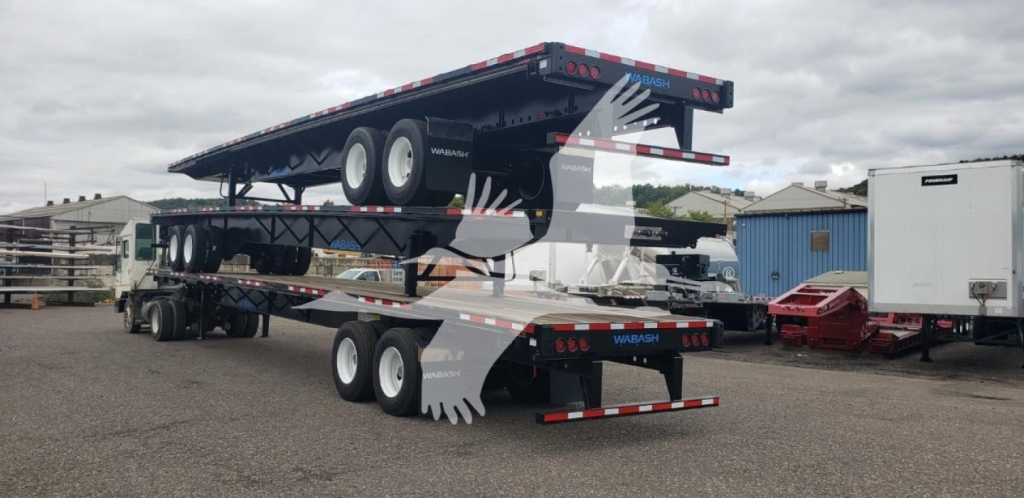

Selling a used 2024 wabash flatbed trailer? List your used 2024 wabash flatbed trailer for sale and reach thousands of commercial buyers.
Used 2024 Wabash Flatbed Trailers
Suspension choice matters on a 2024 Wabash flatbed. Air ride versions are typically preferred for freight that benefits from better ride quality, reduced vibration, and easier protection of finished products or sensitive machinery. Spring ride versions remain attractive for operators who want a simpler setup and lower maintenance complexity. Many used 2024 units in this category are spread axle sliders with a 49-inch spread, which gives operators flexibility on bridge law compliance and axle weight distribution. A sliding suspension is especially useful if your lanes include mixed commodity weights or state-by-state bridge considerations.
Deck setup and securement hardware should be examined as closely as the suspension. Common Wabash flatbed specs include roadside winch tracks, tie bars on the curbside, double pipe spools, and around 12 sliding winches. Those details directly affect how quickly a driver can secure steel, lumber, palletized freight, or equipment. LED side and rear lighting, Jost two-speed landing gear, 11R22.5 tires, and steel wheels are also typical on this class of trailer. Empty weight often falls in the roughly 10,700-pound range for 48-foot models and around 12,600 pounds for 53-foot models, so buyers should balance deck length against payload targets and route requirements.
For buyers comparing used 2024 Wabash flatbed trailers, the key questions are deck length, ride type, axle configuration, floor condition, and the amount of securement hardware already installed. A 48-foot flatbed can be a strong fit for heavier regional freight and tighter loading environments, while a 53-foot flatbed offers more deck space for legal-length shipments and mixed freight. Also known simply as an open-deck trailer or flatbed trailer, this equipment class is valued for versatility, easy loading access, and broad freight compatibility. If uptime matters, pay close attention to floor wear, side rail condition, slider operation, suspension components, tire age, and signs of concentrated loading damage around crossmembers and rear impact areas.
Frequently Asked Questions about Used 2024 Wabash Flatbed Trailers
What is the difference between a 48-foot and 53-foot Wabash flatbed trailer?
A 48-foot Wabash flatbed generally offers lower empty weight and can be a practical choice for dense freight, regional hauling, and operations that do not need maximum deck length. A 53-foot flatbed provides additional deck space for longer legal loads, mixed freight, and customers that regularly ship products requiring full trailer length. The right choice depends on commodity mix, payload goals, bridge law considerations, and the loading patterns on your lanes.
Is air ride or spring ride better on a used 2024 Wabash flatbed?
Air ride is usually preferred when ride quality matters, especially for finished products, machinery, or loads sensitive to vibration and shock. Spring ride is often selected for simplicity and familiarity, and some operators prefer it for certain heavy-duty applications. On a used flatbed, the better option is the one that fits your freight profile and maintenance expectations, provided the suspension components, slider mechanism, and axle alignment are all in good condition.
Why is a spread axle slider important on a flatbed trailer?
A spread axle slider gives the operator more flexibility to manage axle weights and meet bridge law requirements across different states and load types. That matters on flatbeds because cargo placement can vary widely from one shipment to the next. A 49-inch spread slider is common on this class of trailer and can help balance legal compliance, load distribution, and maneuverability, though spread configurations may also affect turning tire wear in tight operations.
What should I inspect first on a used 2024 Wabash flatbed trailer?
Start with the floor, crossmembers, side rails, and suspension. Check the Apitong deck for excessive gouging, rot, loose boards, and concentrated forklift damage. Inspect crossmembers for bends, cracks, or repaired areas, and look at the side rails and winch track for damage from chains, straps, and loading equipment. Then review the slider operation, landing gear, tires, brakes, lights, and any signs of impact at the rear frame or around the kingpin area.
What cargo is a Wabash flatbed trailer commonly used for?
Wabash flatbed trailers are commonly used for lumber, steel products, machinery, palletized building materials, pipe, fabricated components, and other freight that does not require enclosure. Their open-deck design allows loading from the side, rear, or top by forklift or crane. The built-in securement hardware found on many units, such as winch tracks, sliding winches, and pipe spools, supports a wide range of tiedown methods for different commodity types.