
Used 2011 Flatbed Trailers For Sale in Pennsylvania
Browse used 2011 flatbed trailers for sale in Pennsylvania. Compare 48' x 102" specs, aluminum or steel builds, suspension, deck, and tie-down setup.
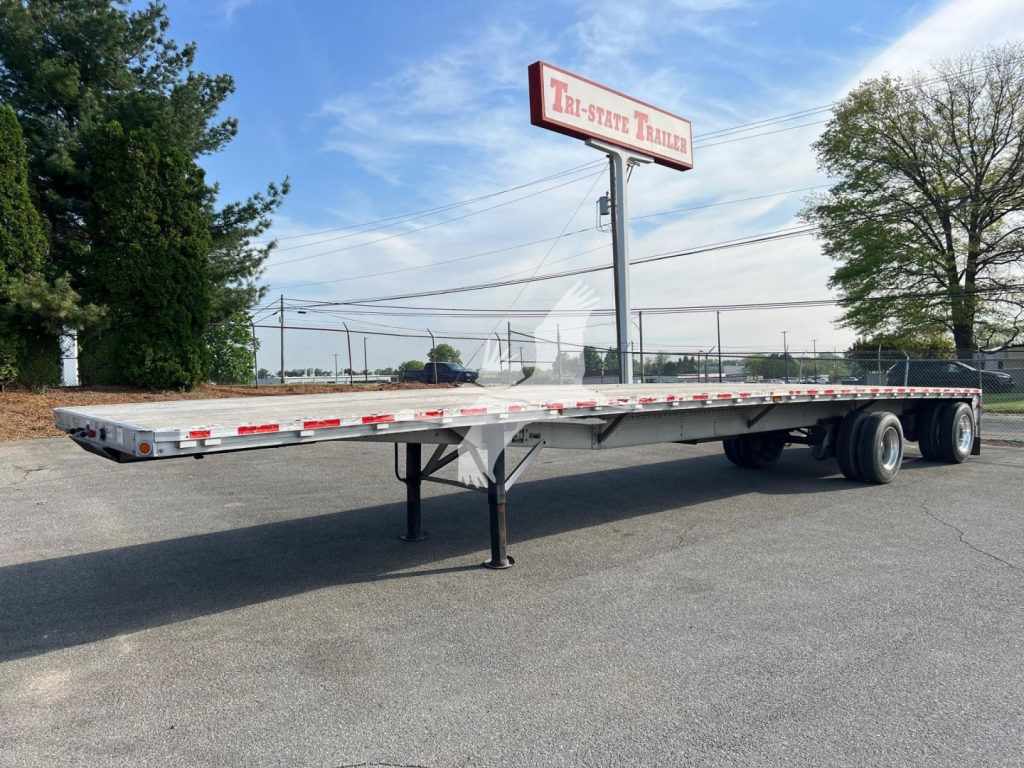
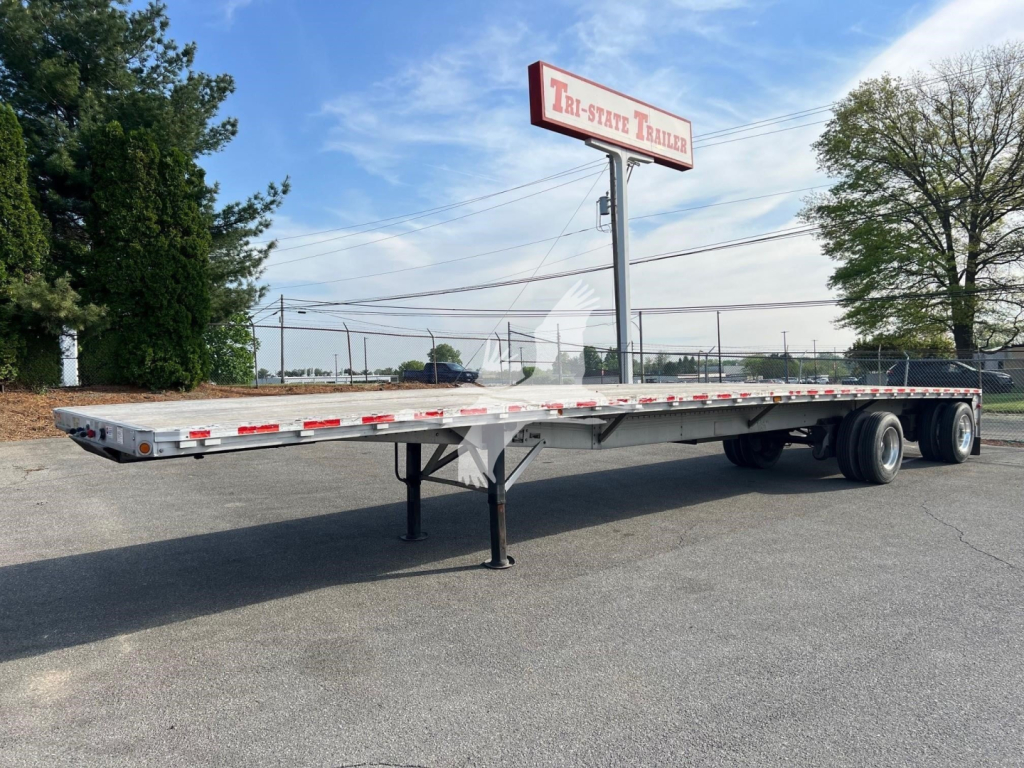
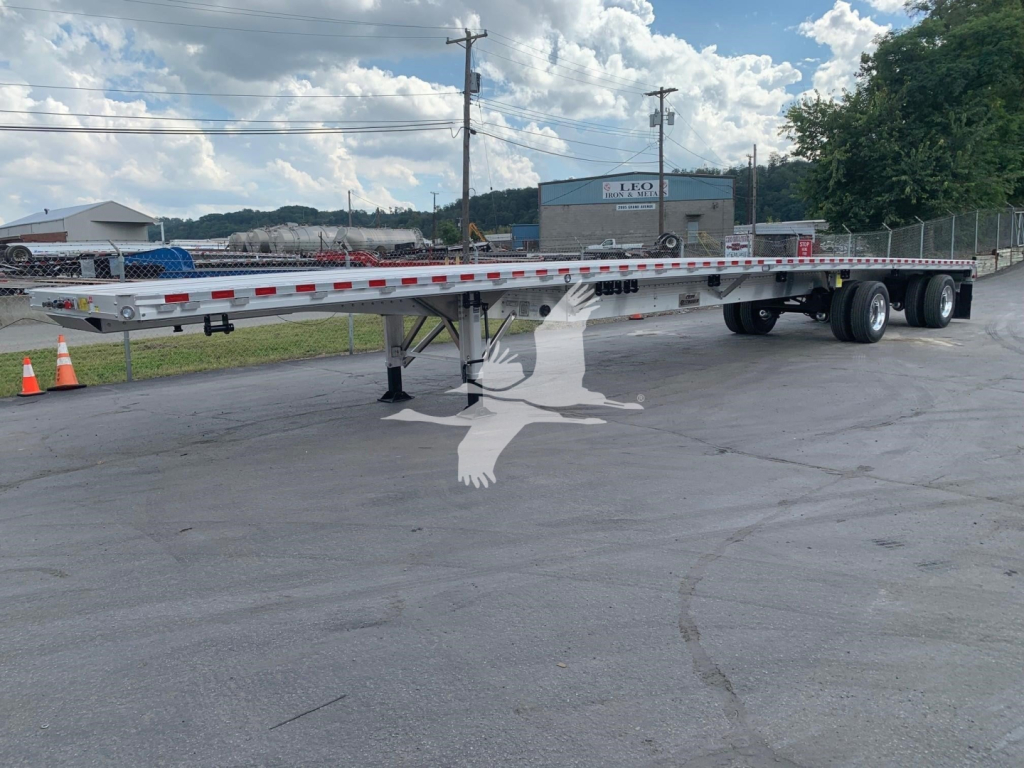
Selling a used 2011 flatbed trailer? List your used 2011 flatbed trailer for sale and reach thousands of commercial buyers.
Used 2011 Flatbed Trailers in Pennsylvania
The biggest buying decision is usually construction material. Aluminum flatbeds, including popular specs from builders like Reitnouer and Great Dane, offer lower tare weight and more payload capacity, which matters on dense freight and longer regional or over-the-road lanes. Steel flatbeds generally cost less upfront and can be a strong fit for harder-use applications, but they carry more empty weight and need close inspection for corrosion, repaired crossmembers, and side rail wear. Combo designs split the difference with steel in high-stress areas and aluminum elsewhere. On a used 2011 trailer, deck condition is just as important as the main frame. Look at apitong or aluminum flooring for soft spots, fastener issues, rot around the edges, and evidence of heavy concentrated loads such as coil hauling.
Tie-down equipment and running gear often separate an average flatbed from one that is ready to work. Buyers should check winch track placement, number of sliding winches, chain tie-down points, spool locations, and whether the trailer is equipped for coils, pipe, or mixed construction freight. Suspension type also affects day-to-day performance. Air-ride flatbeds help protect more sensitive cargo and can improve ride quality, while spring ride remains simple and durable for many operations. Pay attention to kingpin setting, tandem slide range, axle spread, tire size, wheel type, and crossmember spacing, since those details influence bridge law flexibility, loading patterns, and long-term durability. LED lighting, toolbox spec, landing gear condition, and mud flap bracket placement are smaller items, but they still matter on an older trailer.
For Pennsylvania buyers, corrosion exposure is a real consideration because of winter road treatment and year-round weather. A 2011 flatbed trailer should be evaluated for frame oxidation, cracked welds, suspension bushing wear, brake condition, and signs of prior overloading near the rear bolster, slider, and landing gear mounts. Flatbeds in this age range can still make sense for regional steel service, warehouse freight, agricultural products, and general open-deck work if the trailer has a sound structure and the right securement package. The best value is usually a trailer with a straight frame, a solid deck, legal brakes and tires, and a spec that matches the freight you actually haul instead of a trailer loaded with features you will not use.
Frequently Asked Questions about Used 2011 Flatbed Trailers in Pennsylvania
What should I inspect first on a used 2011 flatbed trailer?
Start with the frame, side rails, crossmembers, and deck because structural condition drives the trailer's remaining service life. Check for cracks, previous weld repairs, bent sections, corrosion, and wear around the kingpin area, suspension mounts, landing gear braces, and rear frame. After that, inspect the floor, winch track, tiedown points, brakes, tires, wheel ends, lights, and ABS components. On a 2011 model, maintenance history and evidence of proper repairs are often more important than brand name alone.
Is an aluminum flatbed better than a steel flatbed on a 2011 model?
It depends on your freight and operating costs. Aluminum flatbeds usually offer lower empty weight, which helps maximize payload and fuel efficiency, and they are common in general freight and long-haul open-deck service. Steel flatbeds are often less expensive to buy and can be a durable option in severe-duty work, but they weigh more and may show more corrosion in northern climates. On a used 2011 trailer, condition matters more than material if one unit has been maintained correctly and the other has not.
What size is most common for a used 2011 flatbed trailer?
The most common size is 48 feet long by 102 inches wide. That size works across a broad range of freight, loading docks, and shipper requirements, which is why it remains the standard spec in much of the flatbed market. Buyers may also see differences in axle setup, kingpin setting, suspension, and deck material, all of which can change how the trailer performs even when the overall dimensions are the same.
Does suspension type matter on a flatbed trailer?
Yes. Air-ride suspension is preferred by many fleets hauling machinery, finished materials, or freight that benefits from a smoother ride, and it is common on higher-spec open-deck trailers. Spring ride is simpler and can be attractive for buyers focused on lower repair complexity and straightforward operation. The right choice depends on cargo sensitivity, maintenance preferences, and the kind of lanes the trailer will run.
Are 2011 flatbed trailers still a good fit for Pennsylvania hauling?
They can be, especially for buyers who need a lower acquisition cost and understand how to evaluate an older open-deck trailer. Pennsylvania operations should pay close attention to rust, brake condition, suspension wear, and deck integrity because road salt and heavy seasonal use can accelerate deterioration. A sound 2011 flatbed with the right securement setup can still handle regional steel, building materials, machinery, and general commodity freight effectively.