
Used 2011 Flatbed Trailers For Sale
Browse used 2011 flatbed trailers with specs buyers compare most, including length, deck material, suspension, axle spread, and load options.
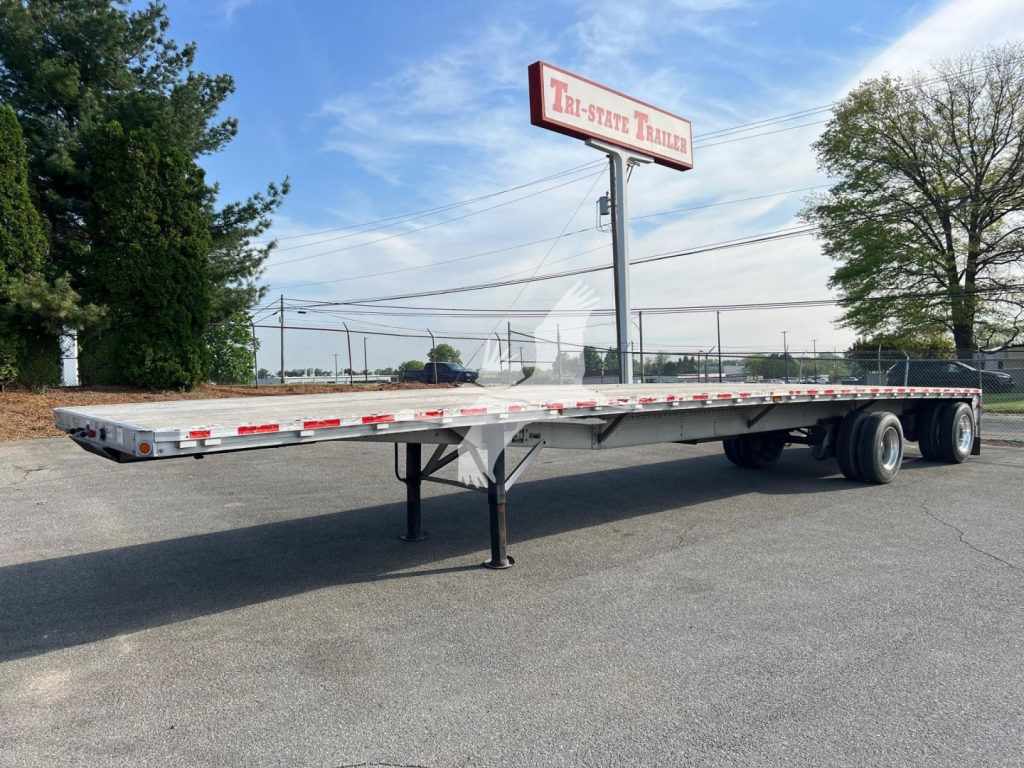
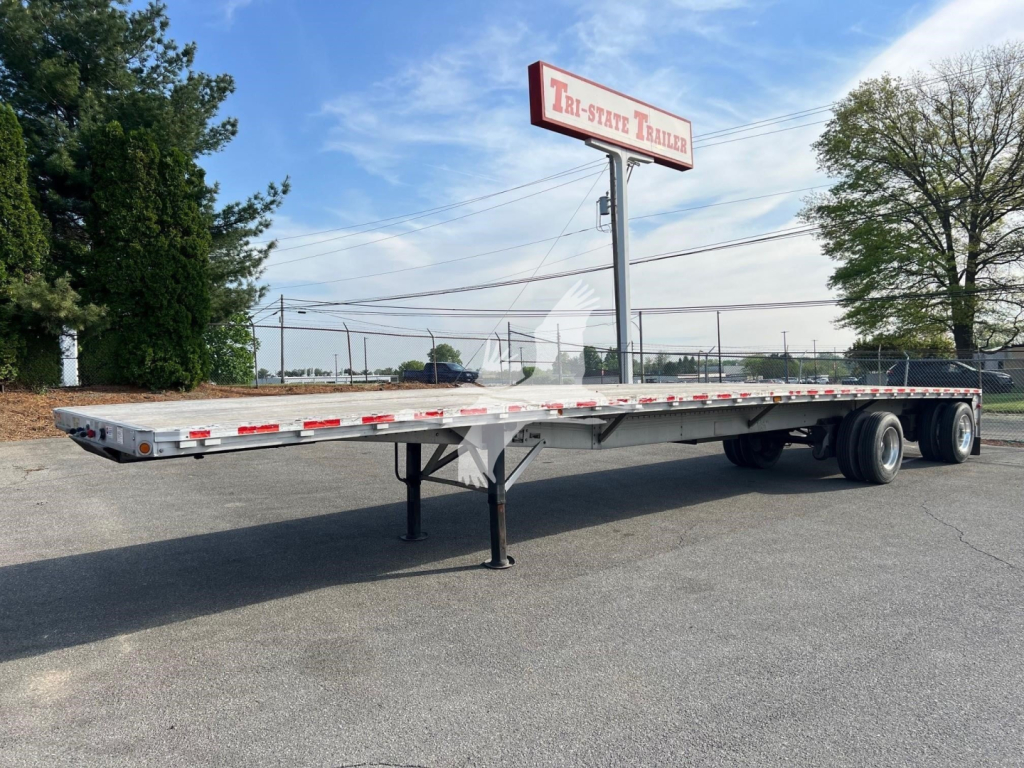
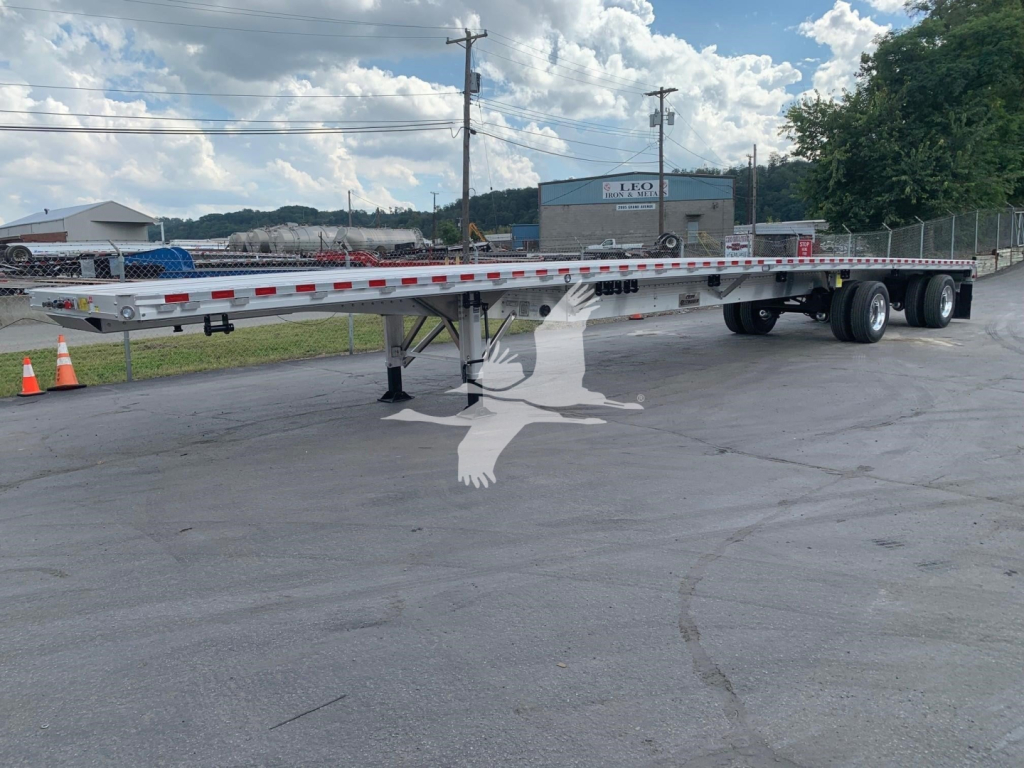
Selling a used 2011 flatbed trailer? List your used 2011 flatbed trailer for sale and reach thousands of commercial buyers.
Used 2011 Flatbed Trailers
One of the biggest decisions on a 2011 flatbed is deck construction. Aluminum flatbeds often offer better payload capacity and corrosion resistance, while steel flatbeds typically bring a stronger-feeling platform for rough service and concentrated loading. Buyers should also look closely at flooring and crossmember spacing. Apitong floors are common on steel trailers and hold up well under forklifts, while aluminum floors reduce weight but need careful inspection around wear areas, fasteners, and concentrated load points. Crossmember centers, side rail condition, winch track layout, pipe spools, and the presence of a coil package all matter if the trailer will handle steel coils, lumber, pipe, or dense freight.
Suspension and axle configuration affect both ride quality and loading flexibility. Many flatbeds from this era use tandem air ride or spread axle setups, and each has tradeoffs. Air ride helps protect fragile freight and improves ride quality, while spread axles can offer weight-distribution advantages in the right application but may be harder on tires in tight turns. Slider suspensions add versatility for bridge-law compliance and docking position. Check kingpin setting, axle spread, landing gear condition, brake type, tire size, wheel material, and any added systems such as tire inflation. On a used 2011 trailer, wear points usually show up in suspension bushings, brake components, floor integrity, side rails, and cracks around crossmembers or rear frame sections.
Securement setup is what separates one flatbed from another in daily use. A trailer with winch tracks on one or both sides, enough sliding winches, double pipe spools, and solid rub rails will save time every day. Buyers hauling coils should confirm whether the trailer has a full or mini coil package and review beam ratings in 4-foot and 10-foot sections. Also pay attention to bulkhead configuration, mud flap bracket placement, lighting, and toolbox space for chains, binders, tarps, and edge protectors. A 2011 flatbed trailer with the right specification can still deliver strong value, but it pays to inspect it like a working asset, not just a price point.
Frequently Asked Questions about Used 2011 Flatbed Trailers
What should I inspect first on a used 2011 flatbed trailer?
Start with the frame, deck, and suspension because those areas determine both safety and repair cost. Look for cracked welds, bent crossmembers, worn flooring, loose fasteners, rub rail damage, and corrosion around the rear frame and landing gear mounts. Then check brakes, tires, wheel ends, bushings, airbags or springs, and the condition of the kingpin area. Securement hardware such as winch tracks, sliding winches, chain slots, and pipe spools should also be inspected closely because worn tie-down points reduce day-to-day usability.
Is an aluminum or steel 2011 flatbed better?
It depends on the freight and operating priorities. Aluminum flatbeds usually weigh less, which helps maximize payload and fuel economy, and they tend to resist corrosion better. Steel flatbeds generally cost less to buy and can be a strong fit for hard-use applications, but they carry more tare weight and need more attention to rust and deck wear. The right choice comes down to payload targets, route conditions, maintenance standards, and the type of freight being loaded.
What length and axle setup are most common on used flatbed trailers from this year?
Forty-eight foot and 53-foot flatbeds are the most common lengths buyers compare, almost always at 102 inches wide. Tandem axle air ride trailers are common, along with spread axle configurations for certain weight-distribution needs. Some trailers have slider suspensions, which give more flexibility for legal axle placement and customer dock requirements. The best setup depends on state bridge laws, freight density, and how often the trailer has to maneuver in tighter yards or urban deliveries.
Why does a coil package matter on a flatbed trailer?
A coil package reinforces the trailer for hauling concentrated steel coil loads, which put much more stress on the deck than general freight. A mini coil package or full coil package adds structural support in the deck area and can make a major difference in load safety and trailer longevity. If coils are part of the freight mix, buyers should verify the package type, deck opening, crossmember reinforcement, and published beam ratings. A trailer without the right reinforcement may not be suitable for that work even if it looks fine for general flatbed freight.
Are disc brakes and tire inflation systems worth having on a used flatbed trailer?
They can be, especially in higher-mile applications where uptime matters. Disc brakes often deliver more consistent stopping performance, easier inspection, and cleaner maintenance access than drum systems, although replacement parts can be more expensive. Automatic tire inflation systems help maintain correct tire pressure, which can improve tire life, reduce roadside failures, and support fuel efficiency. On a used trailer, the value comes down to current condition and service history, not just the feature itself.