
Used 2018 Flatbed Trailers For Sale in Pennsylvania
Shop used 2018 flatbed trailers in Pennsylvania. Compare 48 ft to 53 ft specs, aluminum or steel construction, axle setups, and tie-down features.

Selling a used 2018 flatbed trailer? List your used 2018 flatbed trailer for sale and reach thousands of commercial buyers.
Used 2018 Flatbed Trailers in Pennsylvania
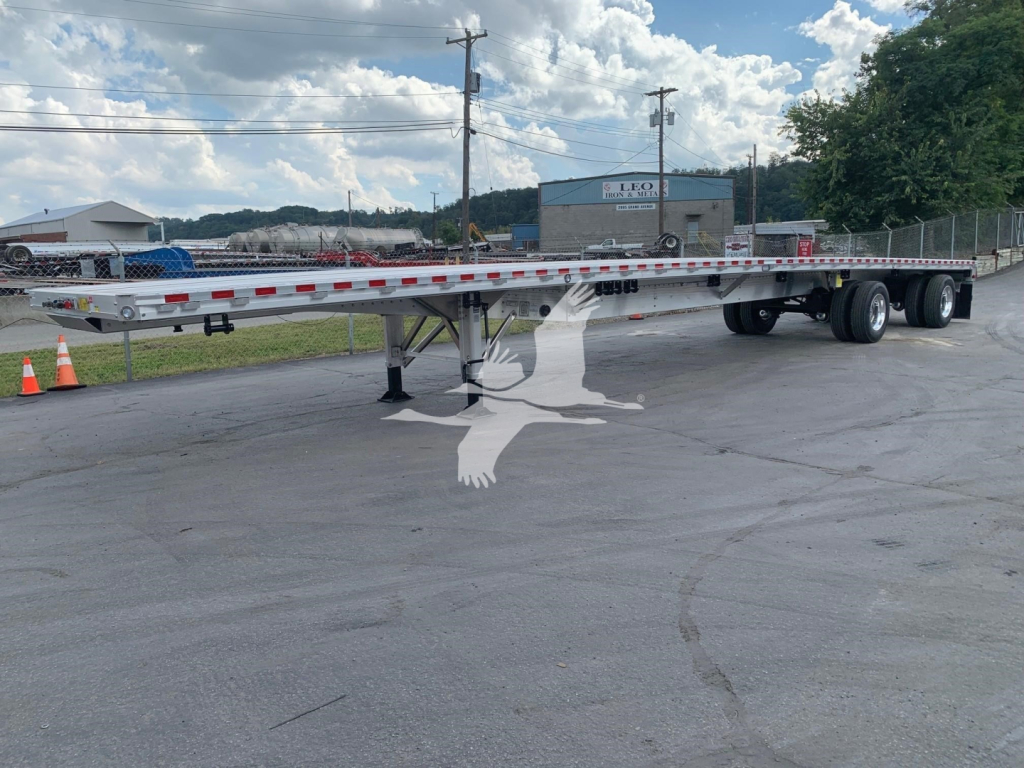
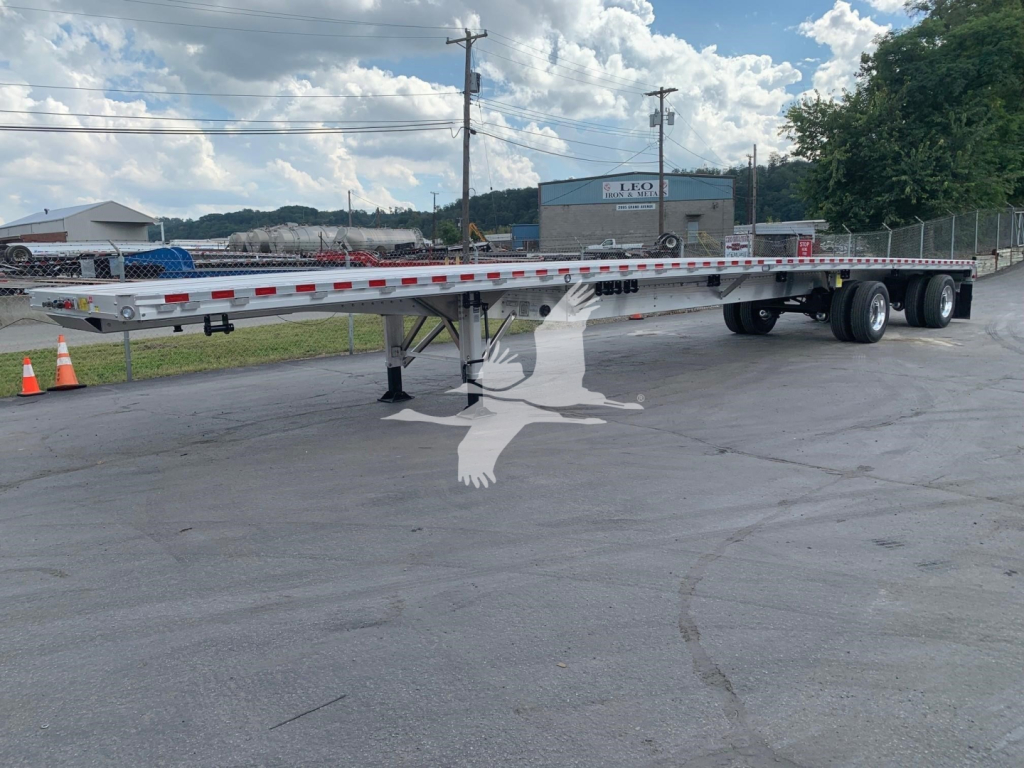
The most common 2018 flatbed trailers are 48-foot or 53-foot by 102-inch wide tandem axle units, with either steel or aluminum construction. Steel flatbeds generally cost less up front and can be a solid choice for rugged regional work, but they usually carry more tare weight. Aluminum flatbed trailers, including all-aluminum models, reduce empty weight and improve payload capacity, which matters if you are hauling dense freight on a regular basis. Common deck specs include 1 1/8-inch Apitong flooring, full or roadside winch tracks, sliding winches, pipe spools, and crossmember spacing built around concentrated loads. Kingpin settings, often 24-inch or 30-inch, and tandem slider positions also matter if you need to manage bridge law compliance or axle loading across different states.
On a used 2018 model, suspension type and deck condition deserve close attention. Air ride is often preferred for more fragile or higher-value freight, while spring ride can still make sense for general commodity work and lower acquisition cost. Check the floor for rot, soft spots, fastener pull-through, and evidence of forklift abuse. Review side rails, crossmembers, bulkhead area if equipped, landing gear operation, and the condition of the tandem slide. Tires, wheels, brakes, lights, and air system maintenance history can tell you a lot about how the trailer was run. If coil hauling is part of the application, look for coil package provisions and verify rated capacity in concentrated load areas rather than relying only on gross vehicle weight rating.
For Pennsylvania buyers, corrosion exposure is a real factor, especially on trailers that have spent winters in road salt. Surface rust on steel components is common, but deeper scaling around crossmembers, suspension hangers, slider rails, and rear impact guard should be evaluated carefully. A 2018 flatbed trailer can still offer strong value if the frame is straight, the deck is sound, and the securement setup matches the freight you actually move. Buyers comparing used flatbed trailers for sale usually get the best long-term result by matching trailer weight, beam rating, deck length, and securement hardware to their core lanes instead of buying solely on price.
Frequently Asked Questions about Used 2018 Flatbed Trailers in Pennsylvania
What is the most common size for a used 2018 flatbed trailer?
The most common size is a 48-foot by 102-inch flatbed trailer, although 53-foot models are also widely used. A 48-foot flatbed remains a standard choice for general freight and steel hauling, while a 53-foot flatbed can add deck space for lighter or more dimensional loads. The right length depends on the freight mix, state bridge requirements, and how often you need to maximize deck space versus concentrate weight.
Is an aluminum or steel 2018 flatbed trailer better?
Aluminum flatbed trailers usually offer lower tare weight and higher payload potential, which can improve revenue on dense freight. Steel flatbed trailers are typically heavier but can be attractive for buyers prioritizing lower purchase cost and straightforward repairability. The better choice depends on your freight, gross weights, operating region, and how much value you place on payload versus initial cost.
What should I inspect first on a used 2018 flatbed trailer?
Start with the frame, crossmembers, floor, suspension, brakes, tires, and slider assembly. Deck condition is critical because damaged Apitong flooring, loose fasteners, or bent crossmembers can affect both safety and loading performance. Also inspect side rails, winch track, landing gear, lights, and the rear structure for signs of impact or corrosion. In regions like Pennsylvania, rust around structural steel components deserves extra attention.
What flatbed features matter most for securement?
The most important securement features are winch tracks, sliding winches, stake pockets, pipe spools, chain tie-down points, and a deck that remains structurally sound under concentrated loads. A full or roadside winch track can speed up strap placement, and the number of sliding winches affects how quickly the trailer can be adapted to different load lengths. Buyers hauling steel or machinery should also verify beam ratings and any coil package or specialty securement provisions.
Does suspension type make a big difference on a flatbed trailer?
Yes. Air ride suspension is often preferred for freight that is more damage-sensitive because it can provide a smoother ride and better load protection. Spring ride suspension is still common in flatbed applications and may be suitable for general commodity work where simplicity and lower cost matter more. Suspension choice should be matched to cargo type, lane conditions, and maintenance priorities.