
Used 2018 Flatbed Trailers For Sale
Browse used 2018 flatbed trailers for sale. Compare deck length, axle setup, suspension, weight, and securement features for freight needs.
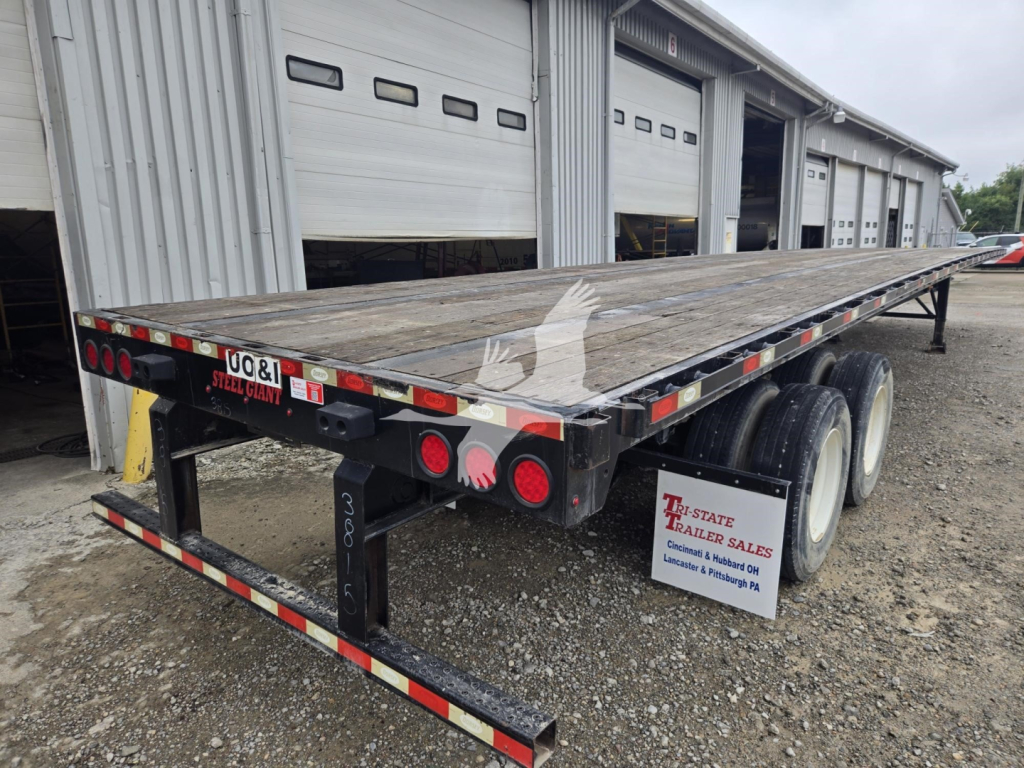
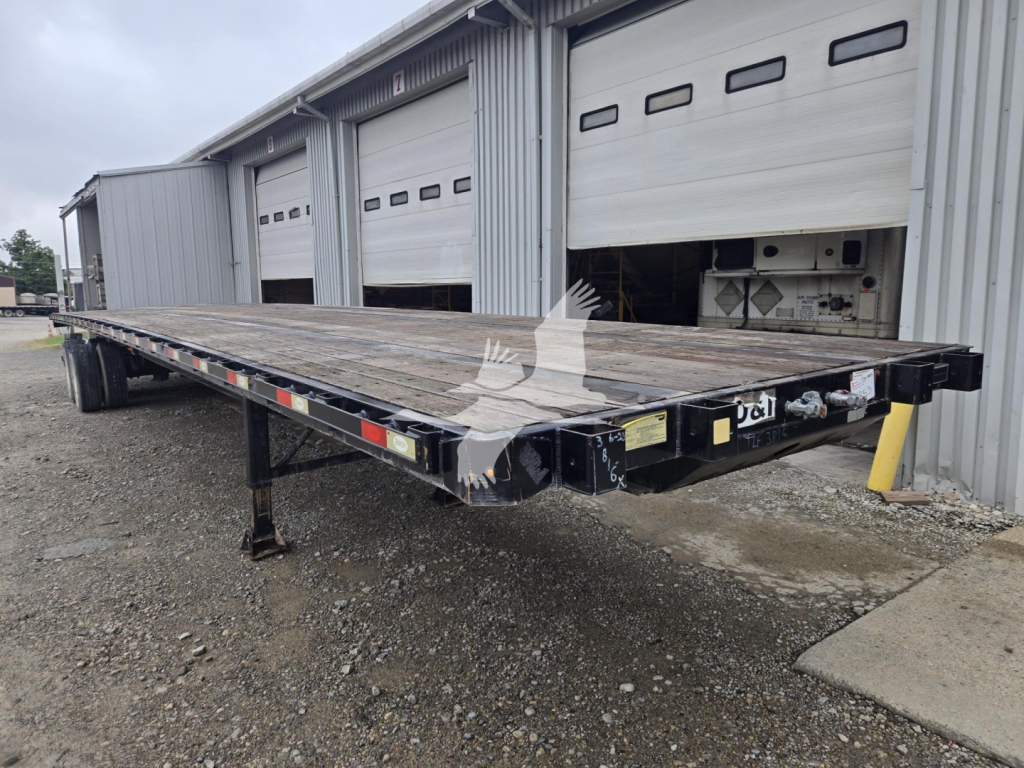
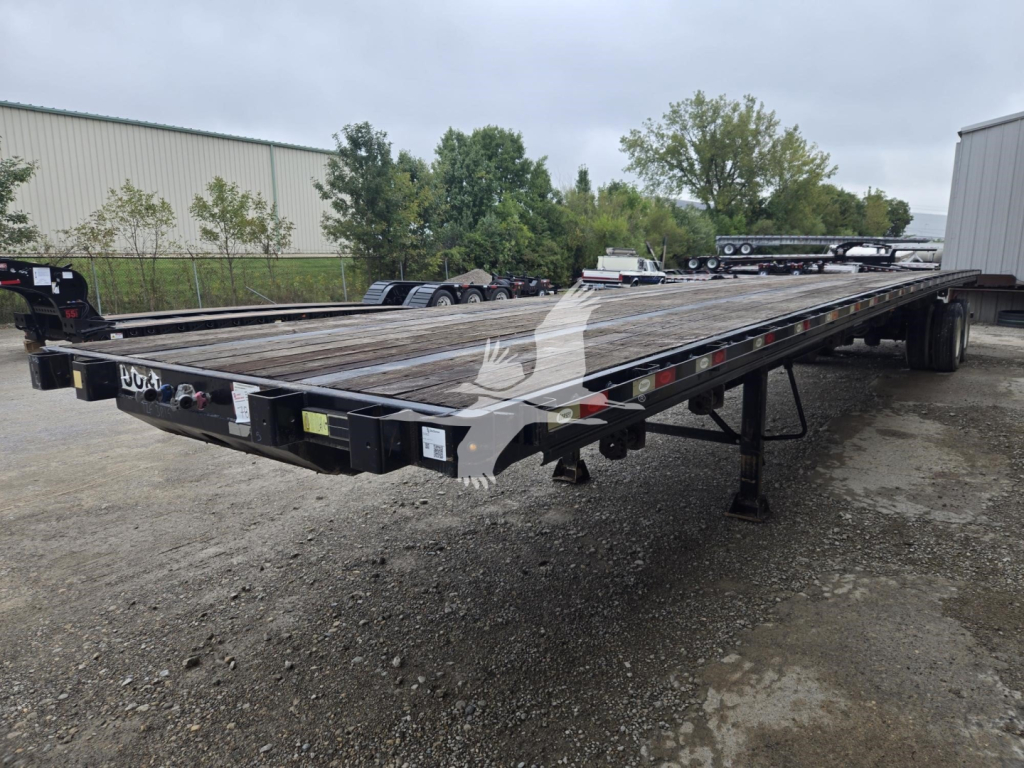
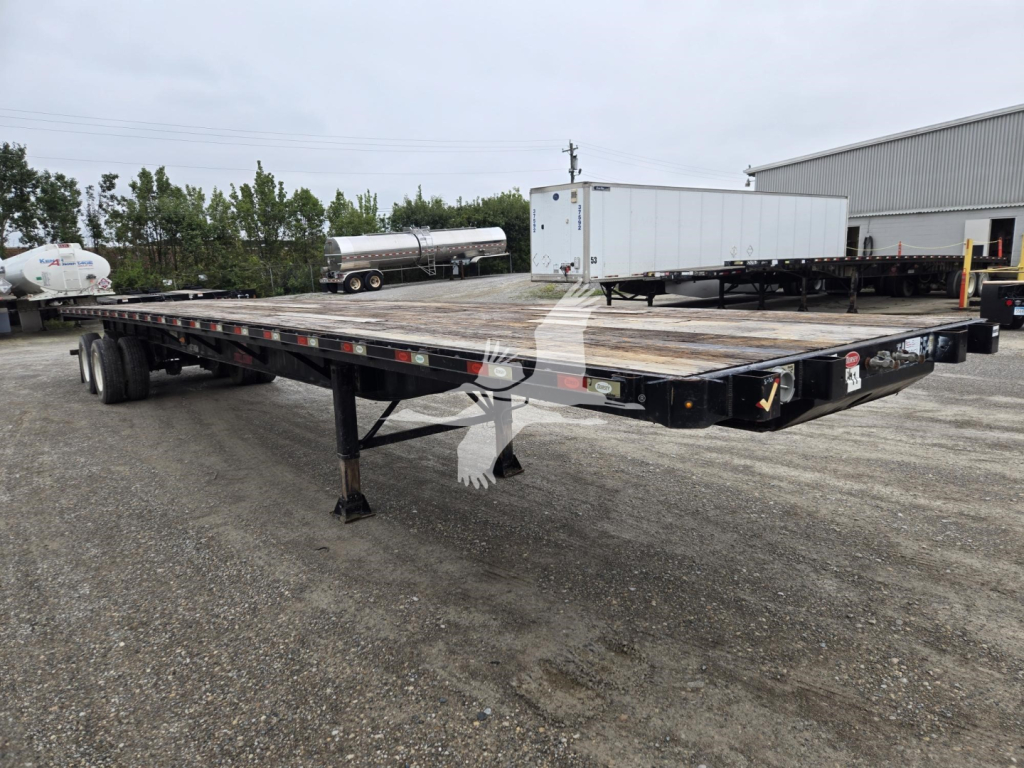
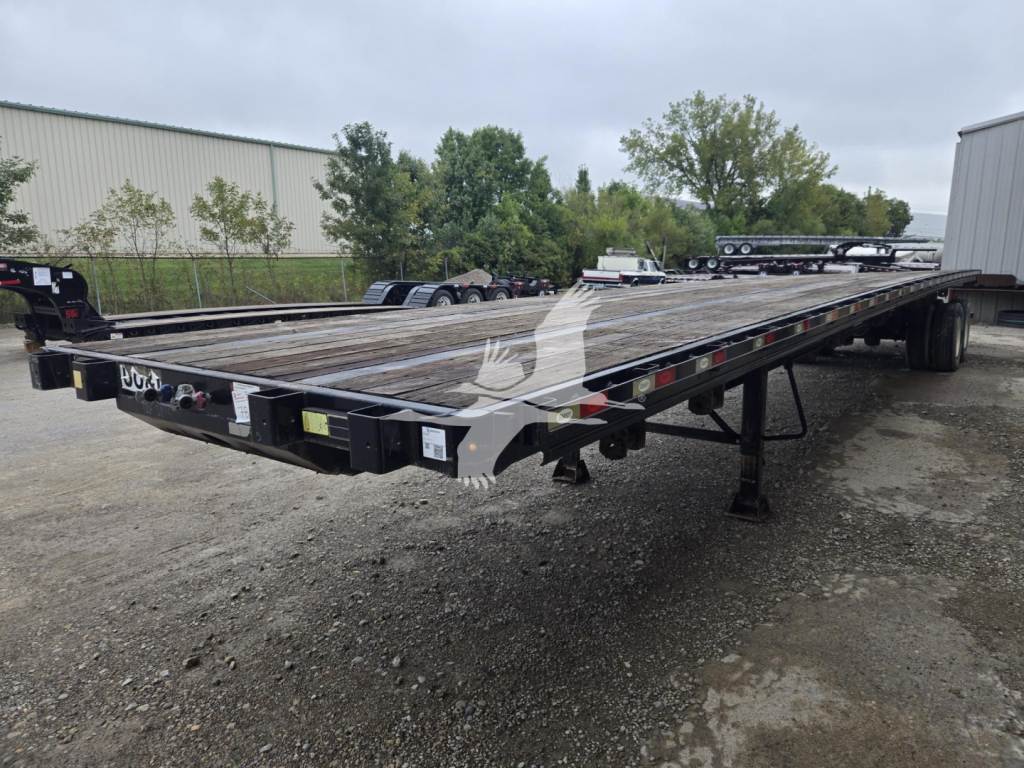
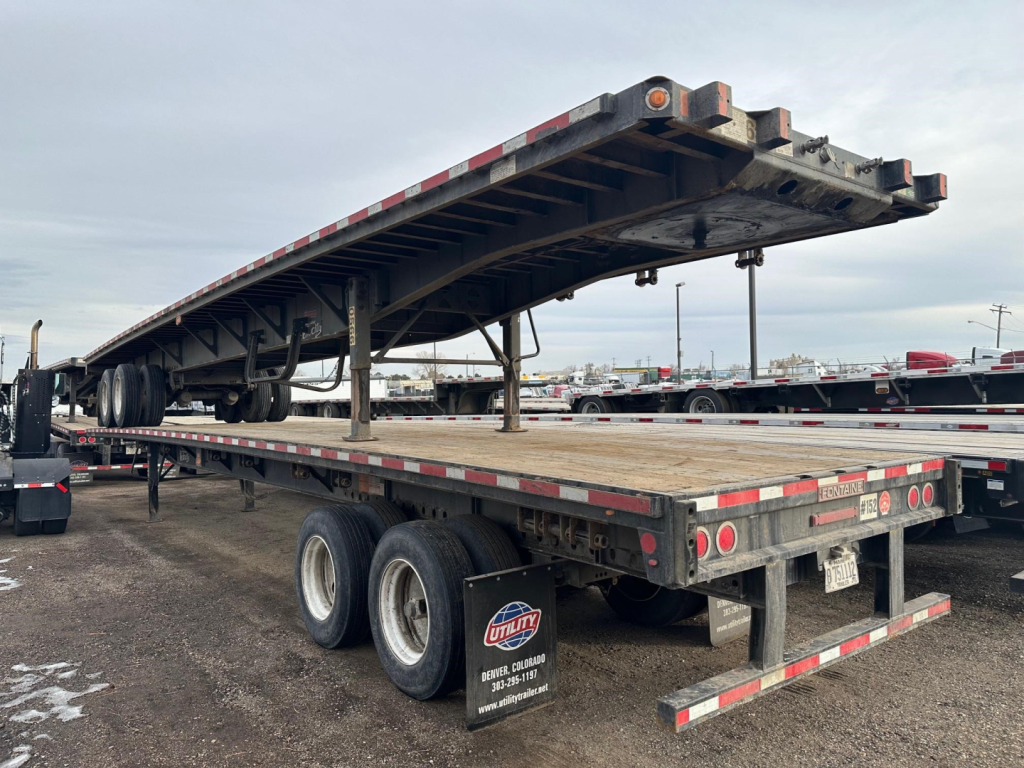

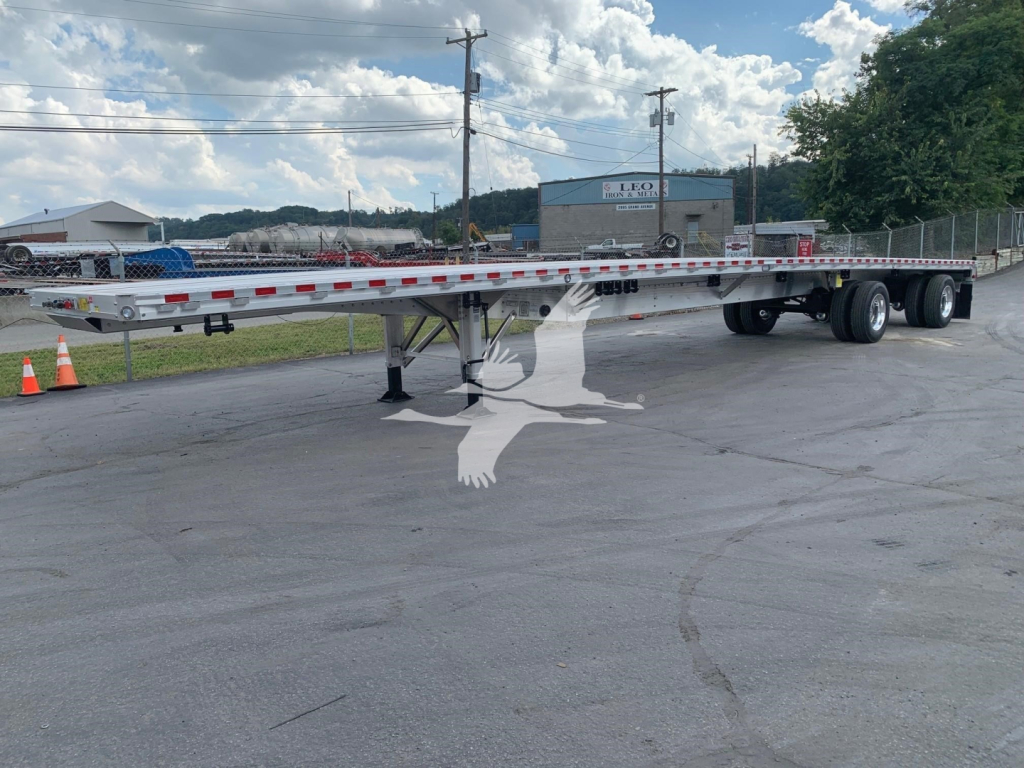
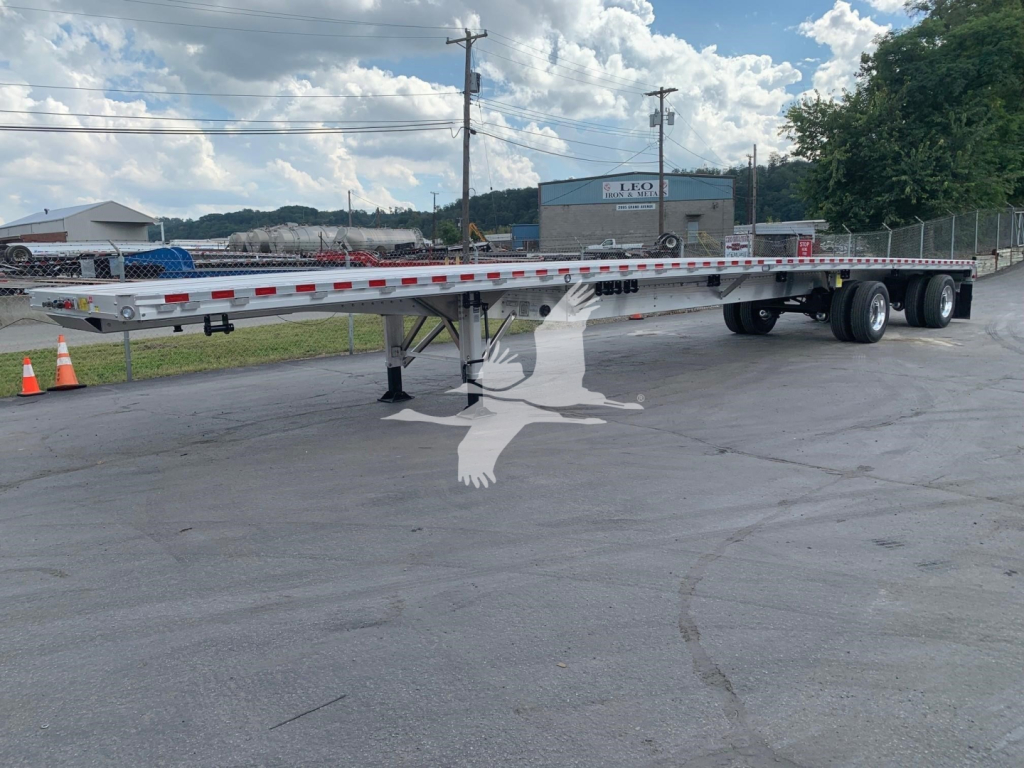
Selling a used 2018 flatbed trailer? List your used 2018 flatbed trailer for sale and reach thousands of commercial buyers.
Used 2018 Flatbed Trailers
The biggest buying decisions usually come down to frame material, axle configuration, and deck setup. Closed tandem, spread axle, and sliding tandem layouts all show up in the flatbed market, and each affects bridge law flexibility, tire wear, maneuverability, and loading practices. Air ride suspension is common on better-spec trailers because it helps protect freight and improves ride quality, while spring ride may still appear on more basic or vocational specs. Deck material matters too. Apitong wood remains popular for traction, forklift resistance, and repairability, while aluminum floors and nail strips are common on lightweight trailers built to maximize legal payload.
Securement features deserve close attention on any used flatbed trailer from 2018. Stake pockets, rub rails, sliding winches, winch tracks, pipe spools, chain tie-down points, coil packages, and extra crossmembers can make the difference between a general-purpose trailer and one that is set up for steel, machinery, lumber, or building products. Buyers should also review kingpin setting, crossmember spacing, landing gear condition, brake type, and tire inflation systems if equipped. Disc brakes, low-profile tires, and PSI or similar inflation systems may appear on higher-end specs and can reduce maintenance downtime when the trailer has been properly maintained.
Condition still matters more than age alone. On a 2018 used flatbed trailer, inspect deck wear, side rail integrity, crossmember repairs, suspension components, bushing wear, brake condition, wheel-end service history, and signs of frame fatigue around concentrated load areas. A clean 2018 flatbed with the right spec can handle a wide range of freight, from palletized building materials to steel products and equipment, and it often gives buyers a practical balance of price, payload, and service life.
Frequently Asked Questions about Used 2018 Flatbed Trailers
What is the most common size for a used 2018 flatbed trailer?
The most common size is 48 feet long by 102 inches wide. That configuration fits a broad range of legal open-deck freight, works well with standard loading docks and forklifts, and remains one of the easiest flatbed specs to match with general freight applications. Some buyers may also see extendable flatbeds or specialized axle spreads, but 48x102 is the core market standard.
Is an aluminum or steel 2018 flatbed trailer better?
It depends on the freight and operating priorities. Aluminum flatbed trailers usually weigh less, which helps maximize payload and fuel efficiency. Steel flatbeds generally hold up well in harsher environments and are often preferred when trailers see repeated heavy concentrated loads, rough loading practices, or demanding vocational use. The right choice comes down to payload targets, repair philosophy, and how the trailer will actually be used day to day.
What features should I look for on a used 2018 flatbed trailer?
The most important features are the ones that match your freight. Buyers often focus on sliding winches, winch tracks, stake pockets, pipe spools, coil packages, extra crossmembers, and the deck type. Axle setup, suspension type, brake system, and kingpin setting also matter because they affect bridge compliance, ride quality, maintenance cost, and compatibility with the tractor. A trailer that is correctly spec'd for the freight is usually more valuable than one with extra features that do not support the intended work.
Are spread axle flatbeds better than sliding tandem flatbeds?
A spread axle flatbed can offer strong weight distribution and is common in operations that value stability and axle spacing for certain loads. A sliding tandem flatbed gives more flexibility for bridge laws, loading positions, and day-to-day routing in different states. Spread axles can be less forgiving in tight urban maneuvering and tire scrub situations, so the better configuration depends on the lanes, customer locations, and freight profile.
How do I evaluate the condition of a used 2018 flatbed trailer?
Start with structural items before cosmetics. Check the main beams, crossmembers, side rails, deck condition, suspension, axle alignment, brakes, wheel ends, and landing gear. Look for cracked welds, deck rot or gouging, bent rails, uneven tire wear, and evidence of overloading or poor repairs. Service records and inspection history are valuable because a well-maintained 2018 flatbed trailer can still offer many years of useful service.