
Used 2007 Flatbed Trailers For Sale in Pennsylvania
Browse used 2007 flatbed trailers for sale in Pennsylvania. Compare 48x102 specs, deck materials, suspension types, and hauling features.
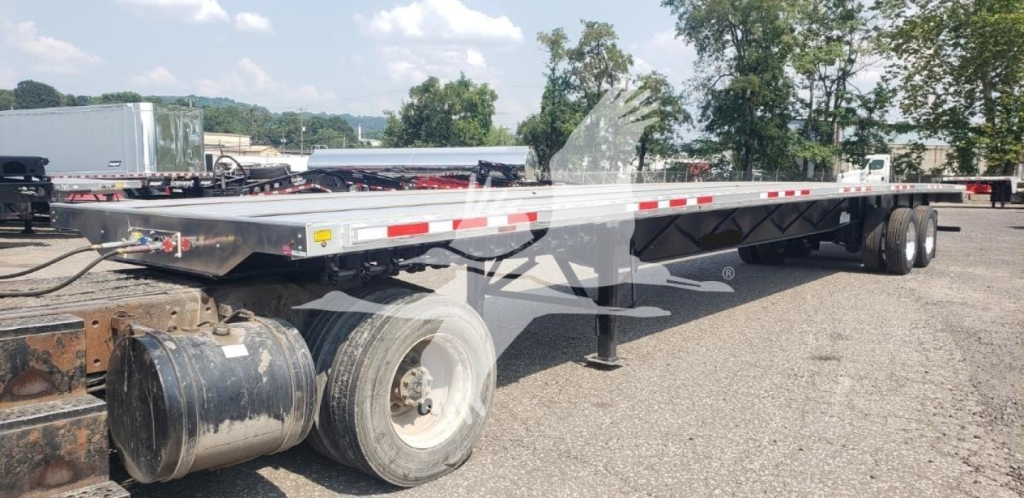
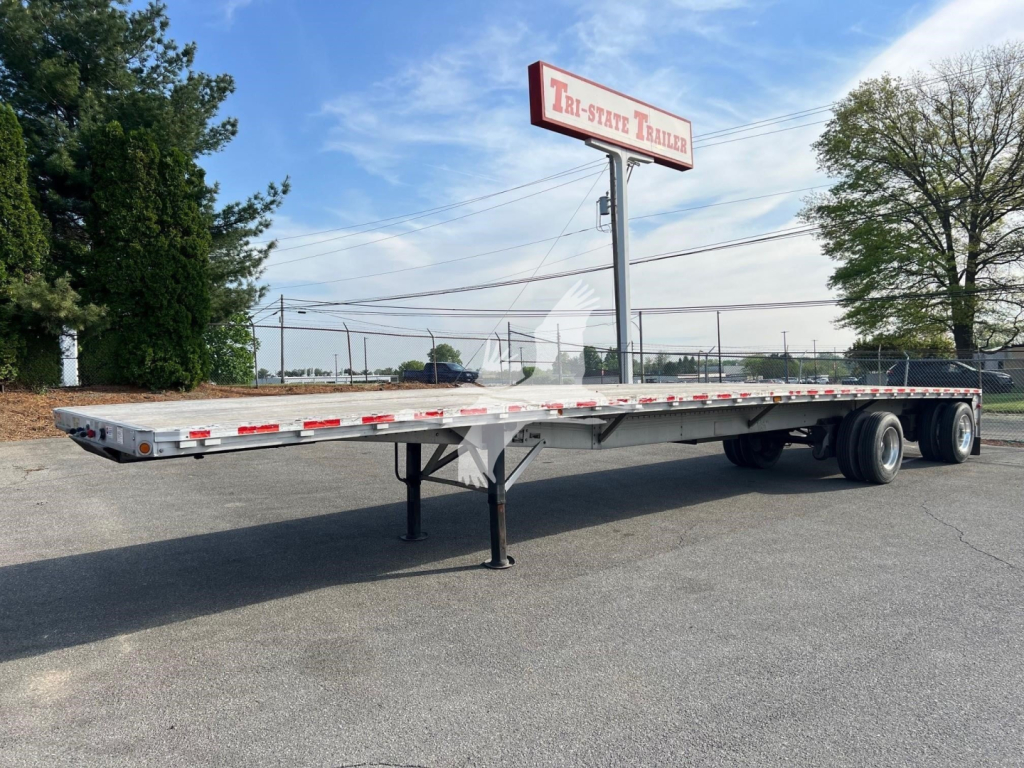
Selling a used 2007 flatbed trailer? List your used 2007 flatbed trailer for sale and reach thousands of commercial buyers.
Used 2007 Flatbed Trailers in Pennsylvania
The most common setup in this category is a 48-foot by 102-inch tandem axle flatbed, though spread axle configurations also appear. Aluminum flatbeds are popular for higher payload potential, while steel flatbeds appeal to buyers who prioritize durability and lower upfront cost. Common deck and component details include apitong or aluminum flooring, winch tracks, sliding winches, pipe spools, stake pockets, chain tie downs, and coil packages. Suspension can be air ride, spring ride, slider tandem, or fixed spread, and that decision affects both ride quality and loading flexibility. Buyers should also pay attention to kingpin setting, crossmember spacing, landing gear condition, wheel and tire spec, brake type, and whether the trailer has features like tire inflation systems, scuff protection, or upgraded lighting.
On a 2007 model, condition matters more than brand decal. Look closely for corrosion around rear sills, side rails, crossmembers, suspension hangers, and the coupler area, especially in a state like Pennsylvania where road salt can shorten component life. Deck wear is another major checkpoint. Rotten wood, damaged aluminum floor sections, loose fasteners, bent rub rails, and worn winch tracks can all affect daily usability and repair cost. Suspension bushings, air bags, brake chambers, slack adjusters, ABS function, and tire age should all be evaluated before purchase. If the trailer will haul concentrated loads such as coils, machinery, or masonry products, confirm the rating in key load zones and inspect for repairs around reinforced sections.
Flatbed trailers are also known simply as open-deck trailers, and the right one depends on freight profile more than appearance. A general freight operation may want a lighter aluminum trailer with full-length securement options, while a tougher steel trailer can make sense for rough jobsite work or dense cargo. For Pennsylvania buyers running regional lanes, axle spread, bridge compliance, empty weight, and ease of tarping all matter. A well-kept 2007 flatbed can still deliver strong value if it matches the cargo, loading method, and maintenance standards of the operation.
Frequently Asked Questions about Used 2007 Flatbed Trailers in Pennsylvania
What should I inspect first on a used 2007 flatbed trailer?
Start with the structure. Check the main beams, crossmembers, side rails, rear sill, and kingpin area for cracks, heavy corrosion, poor weld repairs, and signs of overloading. Then inspect the deck surface, winch track, stake pockets, suspension components, brakes, tires, and lighting. On an older flatbed, structural condition and maintenance history usually matter more than cosmetic appearance.
Is an aluminum or steel 2007 flatbed trailer the better choice?
It depends on the freight and operating style. Aluminum flatbeds are lighter and usually allow more payload, which helps on weight-sensitive loads. Steel flatbeds are generally heavier but can be a strong option for rugged service, repeated forklift traffic, and buyers focused on lower purchase cost. The better choice comes down to payload targets, route conditions, and how much corrosion or structural wear is present on the specific trailer.
What size and configuration is most common for a used flatbed trailer?
The most common flatbed trailer setup is 48 feet long and 102 inches wide with tandem or spread axles. Many units use a kingpin setting around 30 inches and may be equipped with air ride or spring ride suspension. Securement features often include sliding winches, winch tracks, stake pockets, pipe spools, and sometimes a coil package for concentrated loads.
Are 2007 flatbed trailers still good for heavy or specialized freight?
They can be, but only if the trailer was built and maintained for that work. Buyers hauling steel coils, machinery, building materials, or other dense freight should verify load ratings, crossmember spacing, and any reinforced coil package or heavy-duty deck design. A 2007 trailer can still perform well in specialized service if the frame, deck, suspension, and braking system remain in sound condition.
What matters most for a flatbed trailer used in Pennsylvania?
Corrosion control is a major factor in Pennsylvania because winter road treatment can accelerate rust on steel components and hardware. Buyers should pay close attention to suspension hangers, brake components, rear framework, wiring connections, and the underside of the trailer. Tire condition, ABS operation, lighting, and registration or inspection readiness also matter for regional operators who need a trailer that can go straight to work.