
Used 2019 Flatbed Trailers For Sale in Pennsylvania
Shop used 2019 flatbed trailers for sale in Pennsylvania. Compare 48-foot and 53-foot specs, axle setups, deck materials, and hauling applications.






Selling a used 2019 flatbed trailer? List your used 2019 flatbed trailer for sale and reach thousands of commercial buyers.
Used 2019 Flatbed Trailers in Pennsylvania
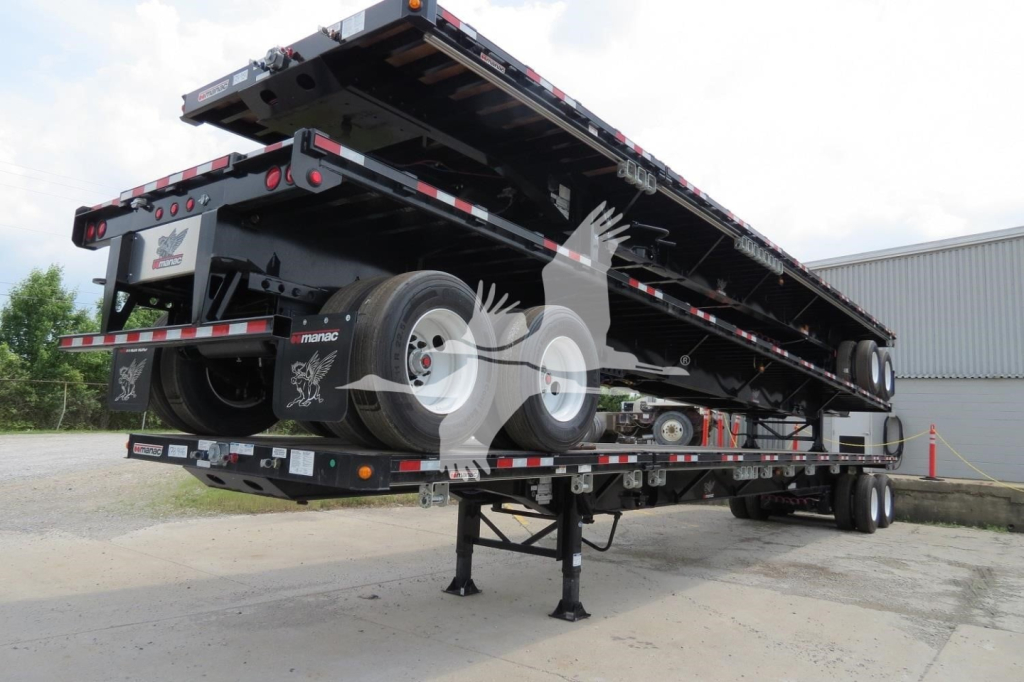
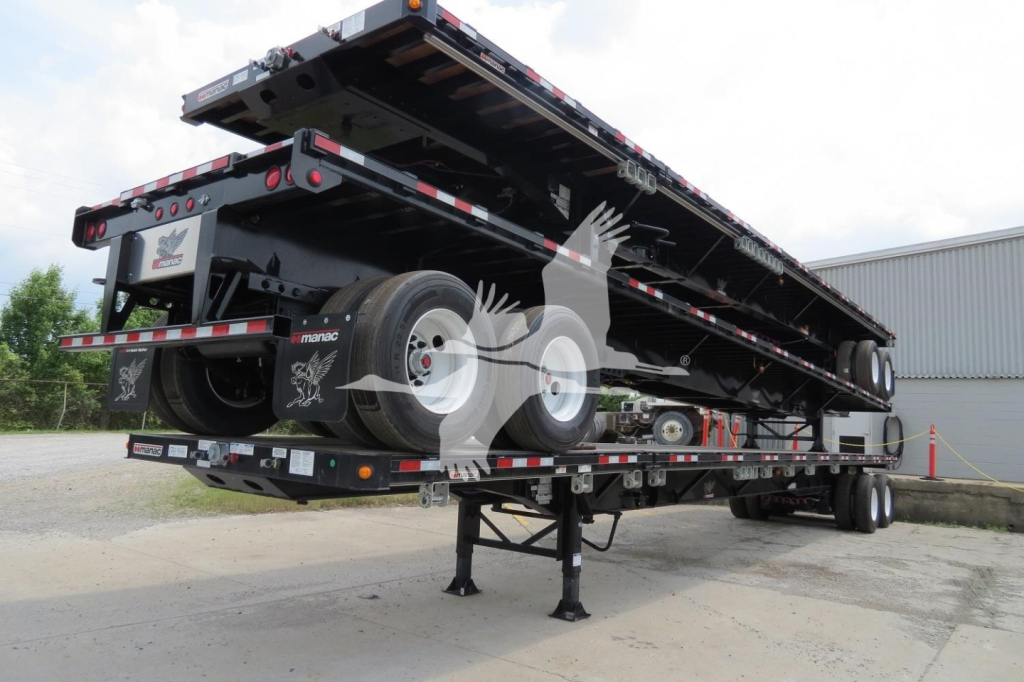
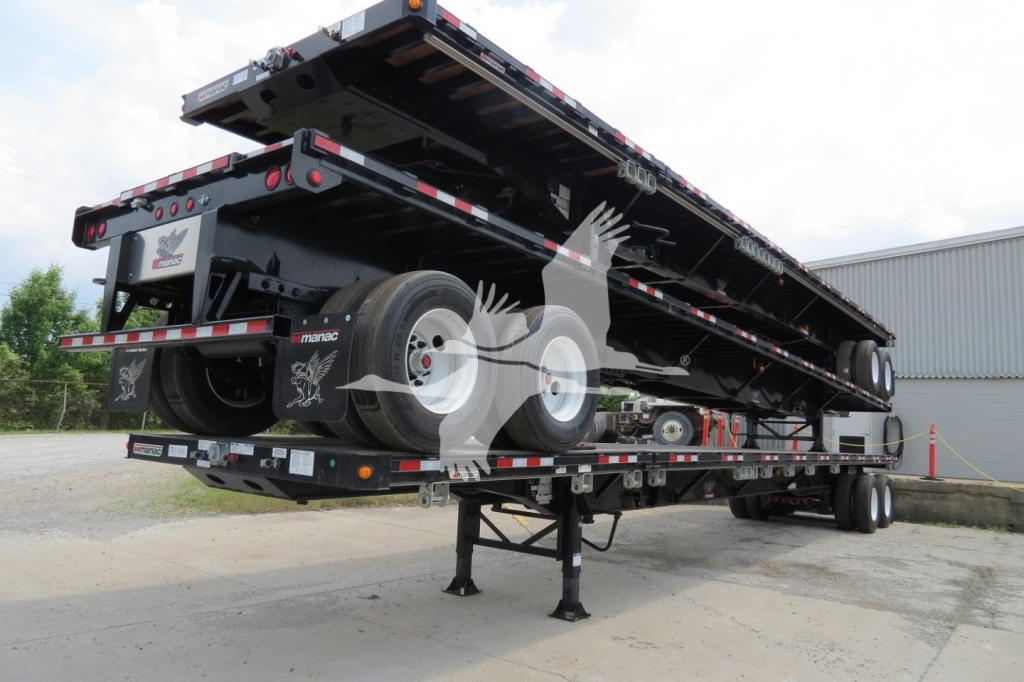
Material and weight matter in this category. A 2019 aluminum flatbed trailer generally offers better payload capacity and corrosion resistance, while combo and steel flatbed trailers trade higher tare weight for durability and lower repair cost in tougher service. Deck construction is another key checkpoint. Apitong flooring is still a standard choice because it holds up well under forklifts and concentrated loads. Buyers should also look closely at crossmember spacing, side rail condition, rub rail integrity, and the presence of nailer strips, pipe spools, and full-length winch tracks. A flatbed that already has a coil package, sliding winches, and clean anchor points can save time and setup cost if the trailer will be used for steel or mixed freight.
Suspension and running gear deserve as much attention as the deck. Air-ride flatbeds are often preferred for more delicate freight and for reducing shock transfer, while spring ride can be simpler and less expensive to maintain. Check tire size, wheel type, brake condition, hub and bearing service history, and whether the trailer has a tire inflation system. Kingpin setting, axle spread, and tandem slide range all affect maneuverability, bridge compliance, and compatibility with the tractor. In Pennsylvania and the broader Northeast, buyers also tend to pay close attention to frame corrosion, wiring condition, light function, and signs of winter road salt exposure.
A good used 2019 flatbed trailer should be evaluated around its intended freight, not just its price. If the work is general commodity hauling, a standard 48-foot or 53-foot flatbed with winch track and solid flooring may be enough. If the freight includes coils, oversized machinery, or dense construction material, details like arch design, concentrated load ratings, bulkhead configuration, and securement hardware become more important. The best buying decision usually comes from matching trailer weight, deck specification, suspension type, and securement setup to the freight profile and the states where the trailer will actually operate.
Frequently Asked Questions about Used 2019 Flatbed Trailers in Pennsylvania
What are the most common sizes for a used 2019 flatbed trailer?
The most common sizes are 48-foot by 102-inch and 53-foot by 102-inch. A 48-foot flatbed is still widely used in general freight and steel service, while a 53-foot flatbed gives more deck space for lighter, longer freight. Width is typically 102 inches, which is the standard legal maximum in most over-the-road applications.
Is an aluminum, combo, or steel flatbed better for a buyer in this category?
It depends on freight type and operating priorities. Aluminum flatbeds usually offer the lightest tare weight and the best payload potential. Combo trailers balance weight savings with added structural durability by mixing aluminum and steel components. Steel flatbeds are heavier but often hold up well in severe-duty service and can be less expensive to repair after hard use.
What should I inspect first on a used 2019 flatbed trailer?
Start with the frame, deck, suspension, brakes, tires, wheels, and all securement points. Look for cracked welds, bent crossmembers, worn or damaged Apitong flooring, rub rail damage, and corrosion around the main structure and rear frame. Then confirm the condition of the winch track, sliding winches, stake pockets, lights, wiring, landing gear, and air system. Service records and signs of Northeast winter exposure are especially important in Pennsylvania.
What axle setup is best on a flatbed trailer?
The right axle setup depends on your freight and routes. Sliding tandems give flexibility for bridge laws, dock approach, and weight distribution. Spread axle flatbeds can improve stability and help with certain load distributions, but they may be harder on tires in tight turns and can be less maneuverable in urban areas. Tandem axles remain the most common all-around choice for general flatbed work.
Do flatbed features like coil packages and winch tracks really matter?
Yes. Factory or properly installed securement features can significantly improve how quickly and safely a trailer can be put to work. A coil package is important if the trailer will haul steel coils or dense concentrated loads. Full-length winch tracks, sliding winches, pipe spools, nailer strips, and good stake pockets make the trailer more versatile for mixed freight and reduce the cost of adding equipment later.