
Used 2002 Flatbed Trailers For Sale in Pennsylvania
Browse used 2002 flatbed trailers for sale in Pennsylvania. Compare deck length, axle setup, suspension, flooring, and load-securing specs.
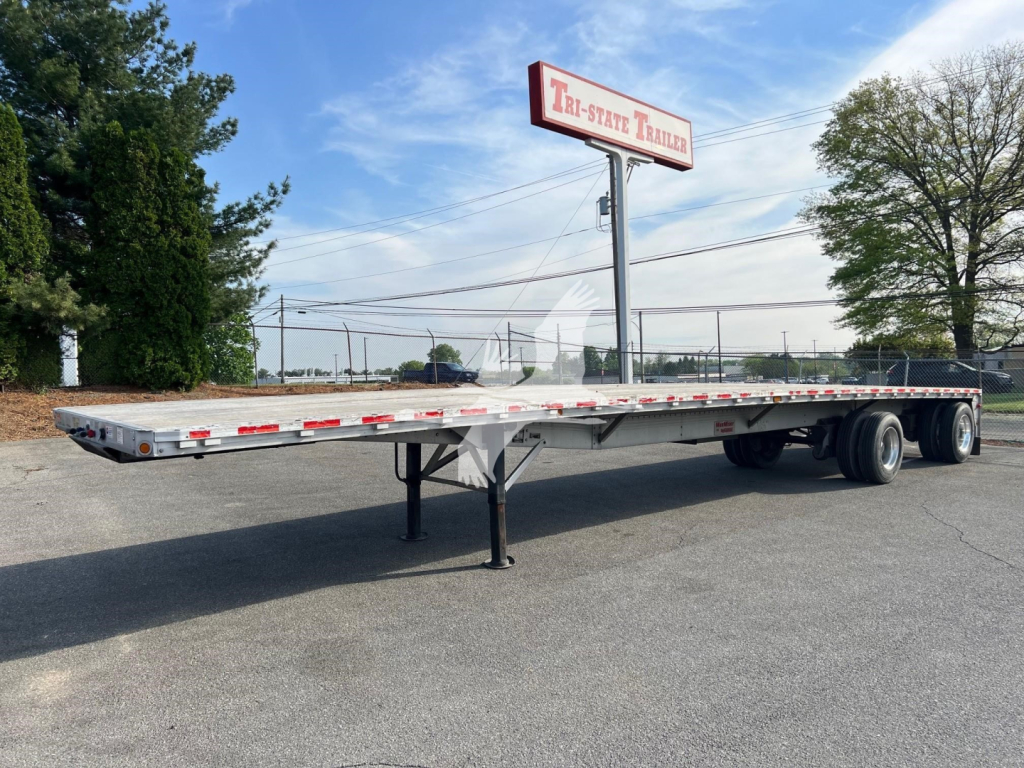
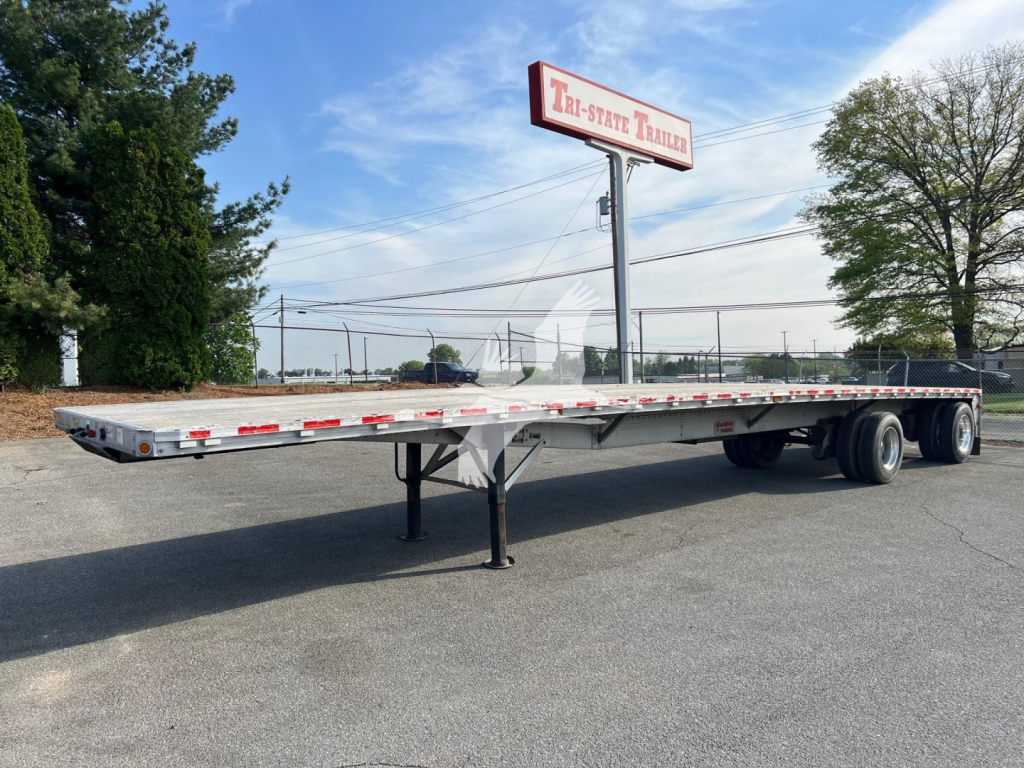
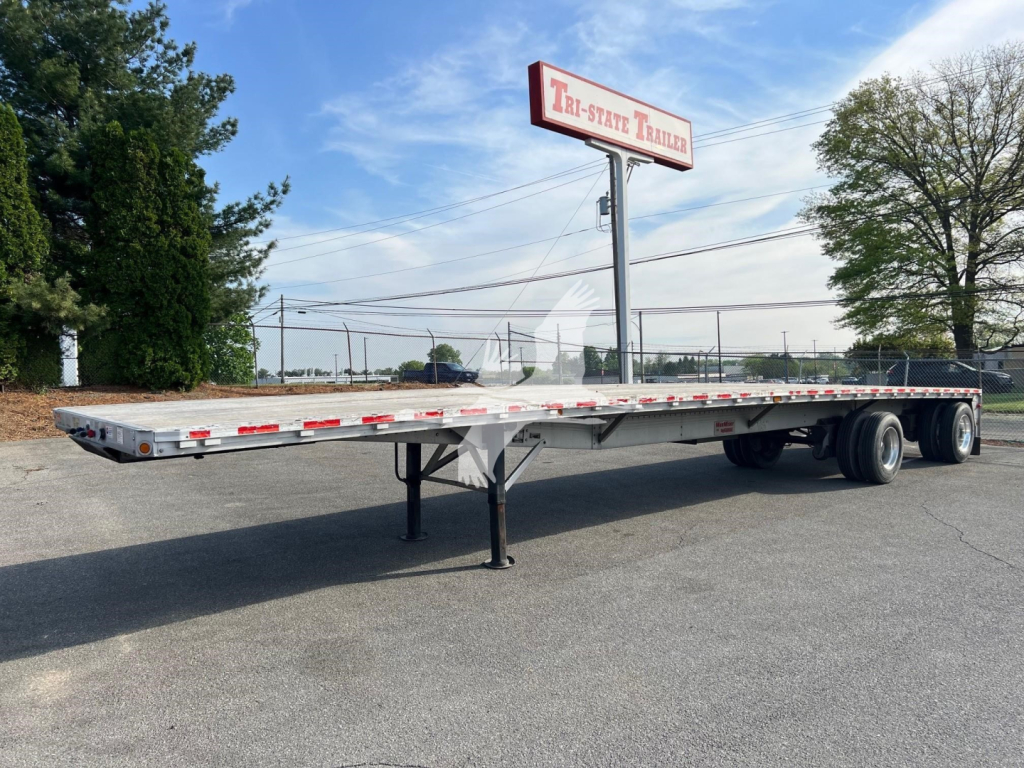
Selling a used 2002 flatbed trailer? List your used 2002 flatbed trailer for sale and reach thousands of commercial buyers.
Used 2002 Flatbed Trailers in Pennsylvania
The biggest buying decision is usually structure versus tare weight. A steel flatbed typically costs less upfront and can be a good fit for hard-use freight, but it carries more empty weight and needs closer attention to corrosion, especially in a state where road salt is a factor. Aluminum flatbeds generally offer better payload and corrosion resistance, but they still need careful inspection around crossmembers, side rails, rear frame sections, and suspension attachment points. On a 2002 model, deck wear is also critical. Look for soft spots, patched boards, exposed fasteners, damaged rub rails, bent stake pockets, and winch track condition. Securement hardware matters because replacing sliding winches, spool assemblies, chain tie-down points, and damaged light wiring adds cost fast.
Suspension and axle configuration should match the freight and the lanes. Many used flatbed trailers from this era run spring ride, while some higher-spec units have air ride for improved cargo protection and ride quality. Sliding tandems remain important for bridge law compliance and load distribution, especially on Northeast routes. Tire size, wheel type, brake condition, landing gear operation, kingpin wear, and ABS function all deserve a close look on an older trailer. If the trailer will handle steel coils or concentrated loads, check for a coil package, crossmember spacing, floor reinforcement, and any signs of frame fatigue. A trailer built for lighter general freight may not be ideal for dense commodity work.
Flatbed trailers are also known simply as open-deck trailers, and their value comes from versatility. A well-maintained 2002 trailer can still be a dependable revenue tool if the frame is straight, the deck is sound, and the securement system fits the freight you plan to haul. For Pennsylvania buyers, condition often outweighs age on paper. Service records, evidence of consistent maintenance, and signs of prior structural repair are often more important than brand alone. The best used 2002 flatbed trailer is one with a clean underside, solid flooring, legal lighting and braking systems, and a spec that lines up with your trailer pool, commodity mix, and loading practices.
Frequently Asked Questions about Used 2002 Flatbed Trailers in Pennsylvania
What should I inspect first on a used 2002 flatbed trailer?
Start with the main frame, crossmembers, suspension hangers, and deck. On a 2002 flatbed, structural condition is more important than appearance. Check for rust scaling, cracked welds, bent rails, collision repair, loose or broken crossmembers, and floor deterioration. Then inspect the tandem slide, brakes, hubs, tires, lighting, ABS, and kingpin area. Securement components such as rub rails, stake pockets, chain spools, and winch tracks should also be checked closely because they are critical to safe legal operation.
Is a steel or aluminum 2002 flatbed trailer better?
It depends on the work. Steel flatbeds are typically heavier and often less expensive to buy, which can make sense for rugged freight and short regional lanes. Aluminum flatbeds usually offer lower tare weight and better corrosion resistance, which helps payload and long-term upkeep. On an older 2002 trailer, actual condition matters more than material alone. A clean steel trailer with a solid frame can be a better buy than an aluminum trailer with fatigue issues or neglected repairs.
Are 2002 flatbed trailers still good for commercial hauling?
Yes, if they are structurally sound and compliant. Many older flatbeds remain productive in commercial service because the design is simple and repairable. The key is verifying that the trailer has a solid deck, functional brakes, legal lighting, good tires, and no major frame or suspension damage. Buyers should also confirm that the trailer's axle setup, kingpin position, and securement equipment match current operating needs and the freight being hauled.
What deck and securement features matter most on a flatbed trailer?
Deck strength and securement flexibility are central on a flatbed. Buyers should look at deck wood condition, crossmember spacing, side rail integrity, rub rails, stake pockets, pipe spools, chain tie-down points, and the presence of a winch track with usable sliding winches. If the trailer will carry steel, machinery, or other concentrated loads, coil packages and reinforced deck areas are important. Replacing worn securement hardware can be expensive, so a trailer with complete usable tie-down equipment usually brings better value.
Why does a sliding tandem matter on a used flatbed trailer in Pennsylvania?
A sliding tandem gives the operator more flexibility in axle weight distribution and bridge law compliance. That matters on Northeast routes where freight density, road restrictions, and customer loading patterns can vary. On a used 2002 flatbed, the slider should move properly and lock securely in all intended positions. Worn slider rails, seized pins, or damage around the suspension setting can create downtime and limit how useful the trailer is in everyday service.