
Used Mac Trailers For Sale in Pennsylvania
Browse used Mac trailers in Pennsylvania, including aluminum flatbeds, Conestoga-equipped trailers, and dry bulk pneumatic models.
Selling a used mac trailer? List your used mac trailer for sale and reach thousands of commercial buyers.
Used Mac Trailers in Pennsylvania
On the flatbed side, many used Mac trailers are 48-foot by 102-inch aluminum units set up for steel, building products, machinery, and general commodity hauling. Common specs include roadside winch tracks, sliding winches, double pipe spools, aluminum wheels, coil packages, and two-speed landing gear. Buyers in this category should verify kingpin setting, axle spread, suspension brand, and deck configuration before focusing on cosmetic details. A 30-inch kingpin setting, air ride suspension, and 10-foot 2-inch spread are common on road-spec flatbeds because they balance maneuverability, ride quality, and bridge law flexibility. If the trailer has a bulkhead, man door, or integrated toolbox package, that can add convenience for securement gear and improve day-to-day use.
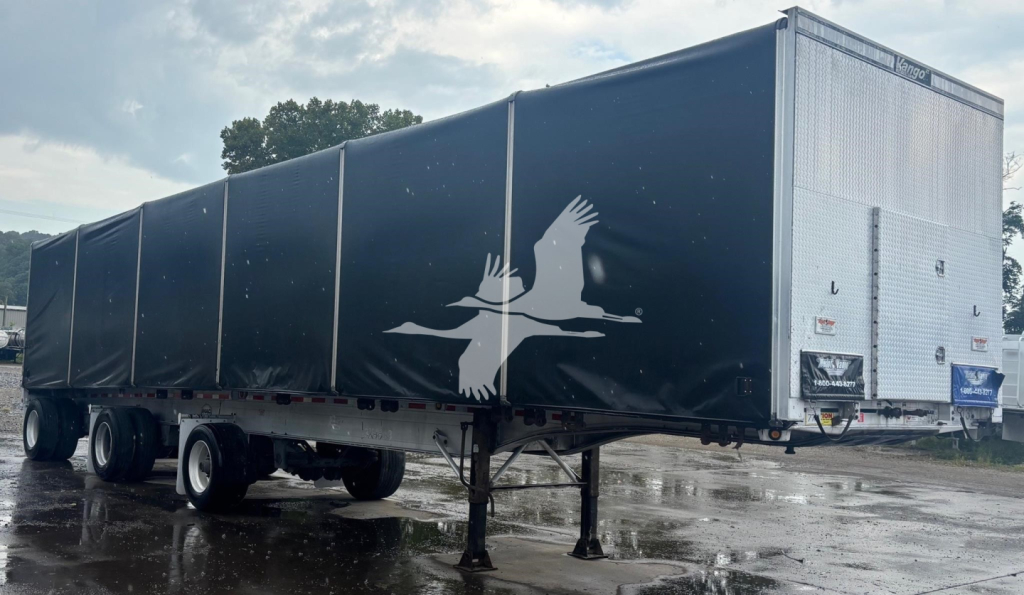
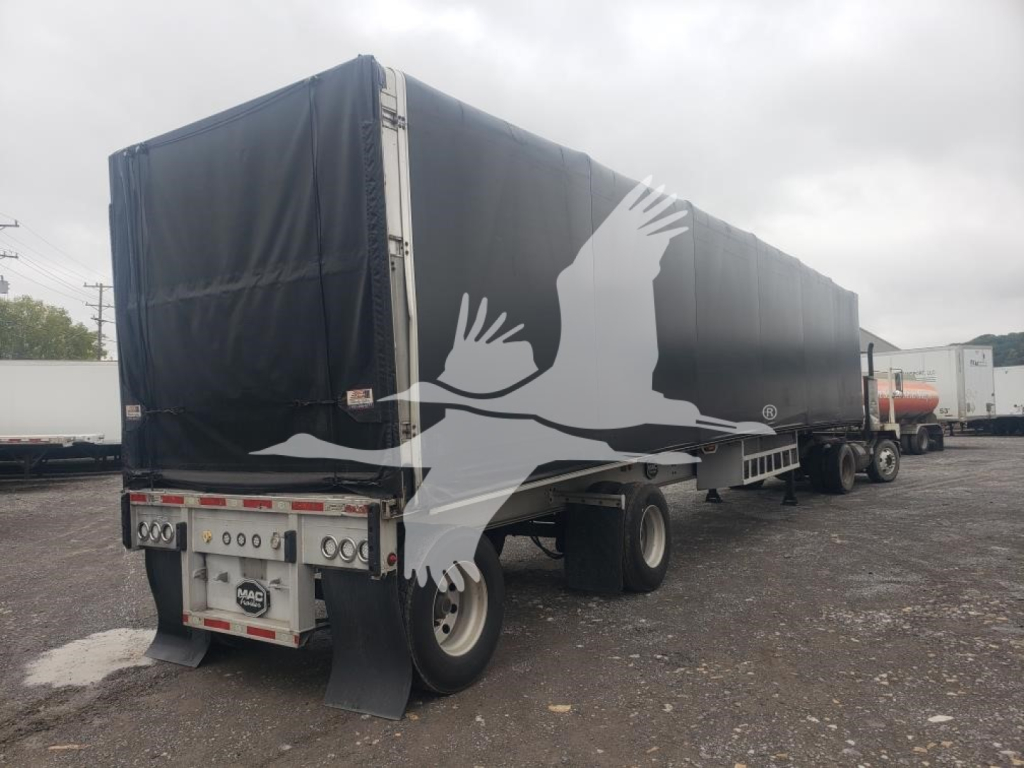
Mac trailers equipped with Conestoga or rolling tarp systems appeal to operators hauling freight that needs weather protection without giving up flatbed loading access. These are often listed under curtainside even though the underlying trailer is still a flatbed platform. The tarp system itself deserves the same level of scrutiny as the deck and running gear. Check bow alignment, rear roll-up function, curtain wear, track condition, and frame straightness. Replacement cost on Conestoga hardware can be significant, so a used trailer with a sound tarp system may justify a higher asking price than a standard flatbed with similar age. Nailing strips, bulkhead design, and coil package presence also matter if the trailer will handle mixed freight rather than dedicated loads.
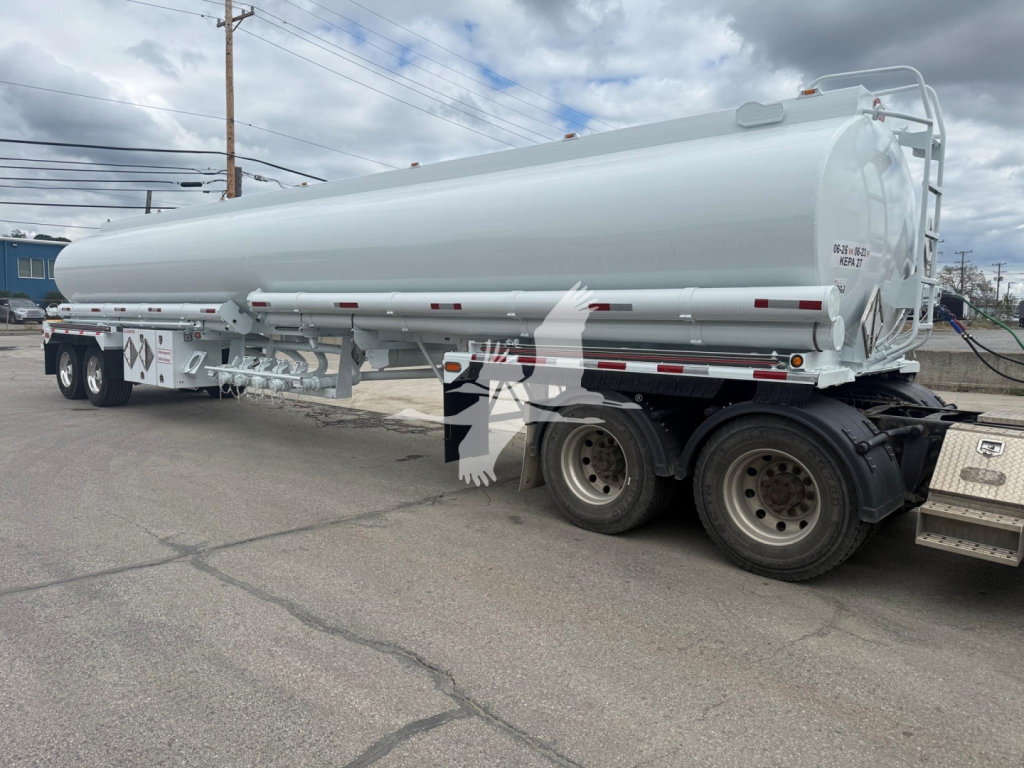
Mac also has a strong presence in pneumatic dry bulk trailers, and used units in this class are typically evaluated on product compatibility and discharge efficiency as much as chassis condition. Buyers should confirm cubic foot capacity, hopper count, aeration layout, valve type, piping material, rear discharge configuration, and whether the trailer is set up for cement, sand, lime, fly ash, or other dry commodities. Barrel condition, manhole integrity, hose tube setup, and cabinet layout directly affect uptime and cleanout. On older used pneumatics, suspension wear, brake percentages, and 5th wheel plate condition can tell you a lot about how the trailer was worked. A Mac dry bulk trailer can be an efficient long-term asset, but only if the plumbing, valves, and structure match the product and unloading system used in your operation.
Frequently Asked Questions about Used Mac Trailers in Pennsylvania
What should I inspect first on a used Mac flatbed trailer?
Start with the structure and running gear. Check the aluminum floor for gouging or soft spots, inspect side rails and crossmembers for cracks or repairs, and look closely at the kingpin area, bulkhead mounts, and rear frame. After that, review suspension condition, brake life, tire wear, and axle alignment. On a used flatbed, structural condition usually matters more than paint or cosmetic appearance.
Are Mac trailers known for lightweight construction?
Yes. Mac has a strong reputation for aluminum trailer construction, which helps reduce empty weight and increase potential payload. That matters most in applications like flatbed hauling and dry bulk where every pound can affect legal load capacity and revenue. Lightweight design is an advantage, but buyers still need to verify that the trailer has the strength, deck spec, and suspension setup required for the freight they haul.
What is the difference between a Mac flatbed and a Mac trailer with a Conestoga system?
A Mac flatbed is an open-deck trailer intended for standard flatbed loading and tarping. A Mac trailer with a Conestoga system uses a rolling tarp frame over that flatbed deck to provide weather protection and faster loading access without the fixed walls of a van. The main buying consideration is added complexity. A Conestoga trailer offers versatility, but the tarp frame, rollers, bows, and rear curtain components all need inspection because repair costs can be substantial.
What matters most when buying a used Mac pneumatic dry bulk trailer?
The most important factors are product compatibility, discharge setup, and vessel condition. Confirm cubic foot capacity, hopper configuration, aeration, valve sizes, piping layout, and discharge style match your blower and commodity. Then inspect the barrel, manholes, hose tubes, fittings cabinet, and structural mounting points for leaks, wear, or corrosion. A dry bulk trailer can look decent from the outside and still have expensive issues in the plumbing or air system.
Which specs are commonly found on used Mac trailers in Pennsylvania?
Many used Mac trailers in Pennsylvania are 48-foot by 102-inch aluminum flatbeds with air ride suspension, tandem axles, roadside winch tracks, sliding winches, coil packages, and 30-inch kingpin settings. Conestoga-equipped units often include aluminum bulkheads, rear roll-up tarp access, and toolbox packages. Mac pneumatic dry bulk trailers commonly feature aluminum barrels, multiple hoppers, air ride suspension, and steel discharge plumbing. The exact spec depends on the trailer's original application and the region's freight mix.