
Used Traveling Axle Trailers For Sale in Pennsylvania
Browse used traveling axle trailers in Pennsylvania. Compare Landoll-style hydraulic trailers for equipment hauling, low load angles, and fast loading.
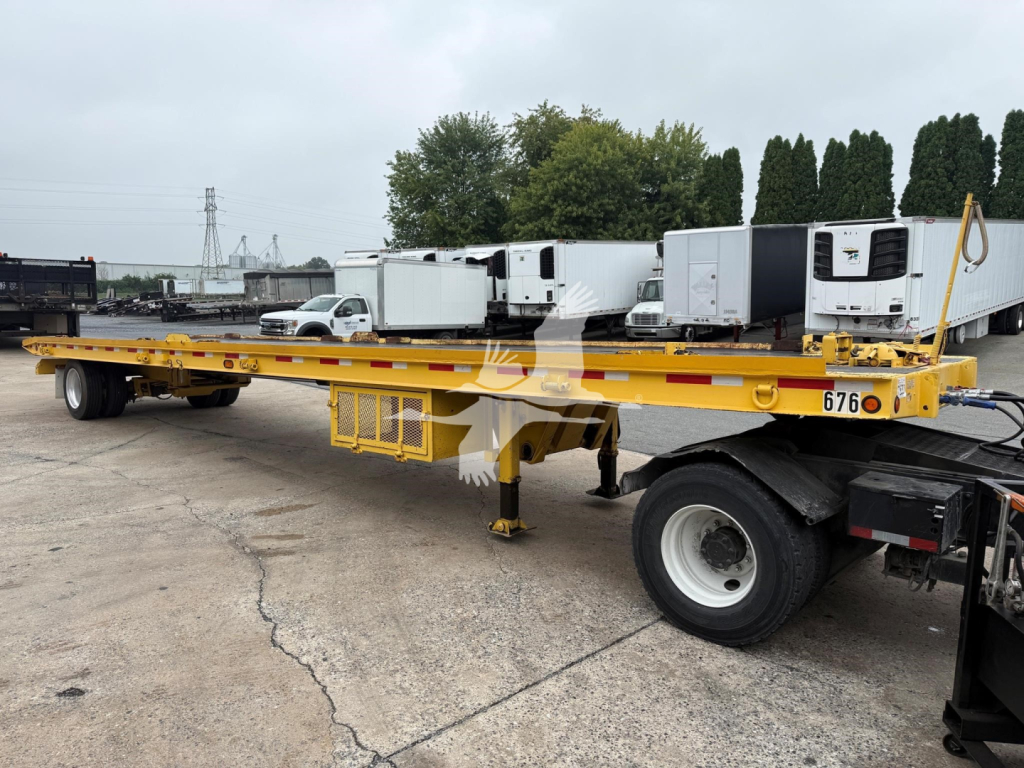
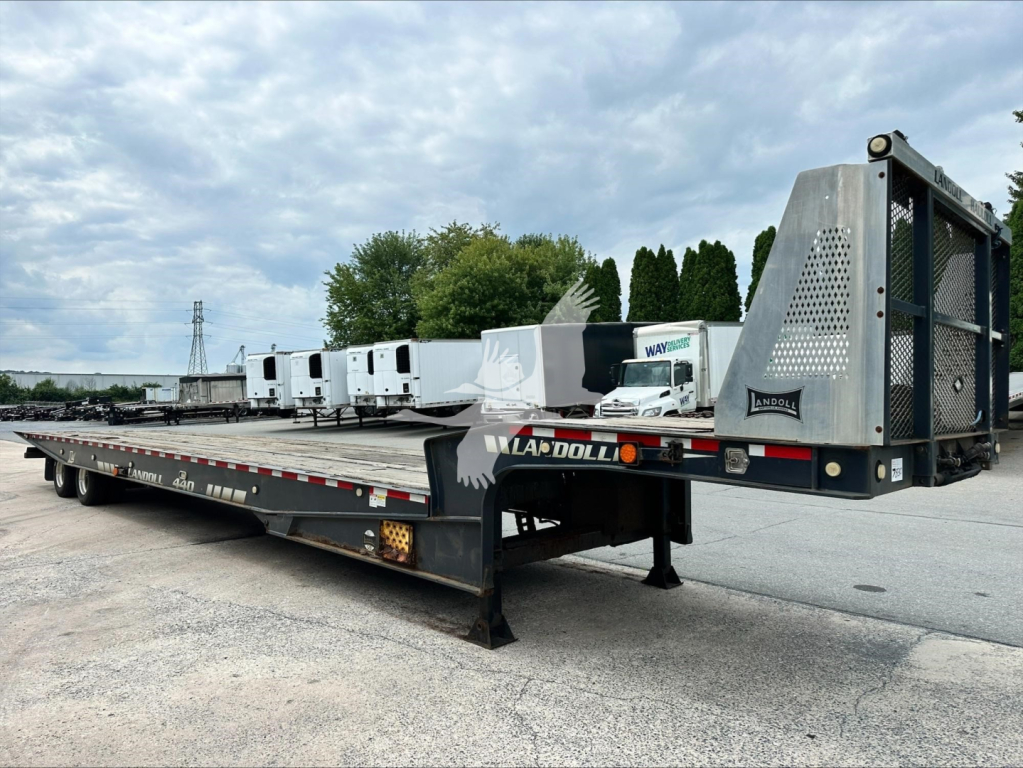
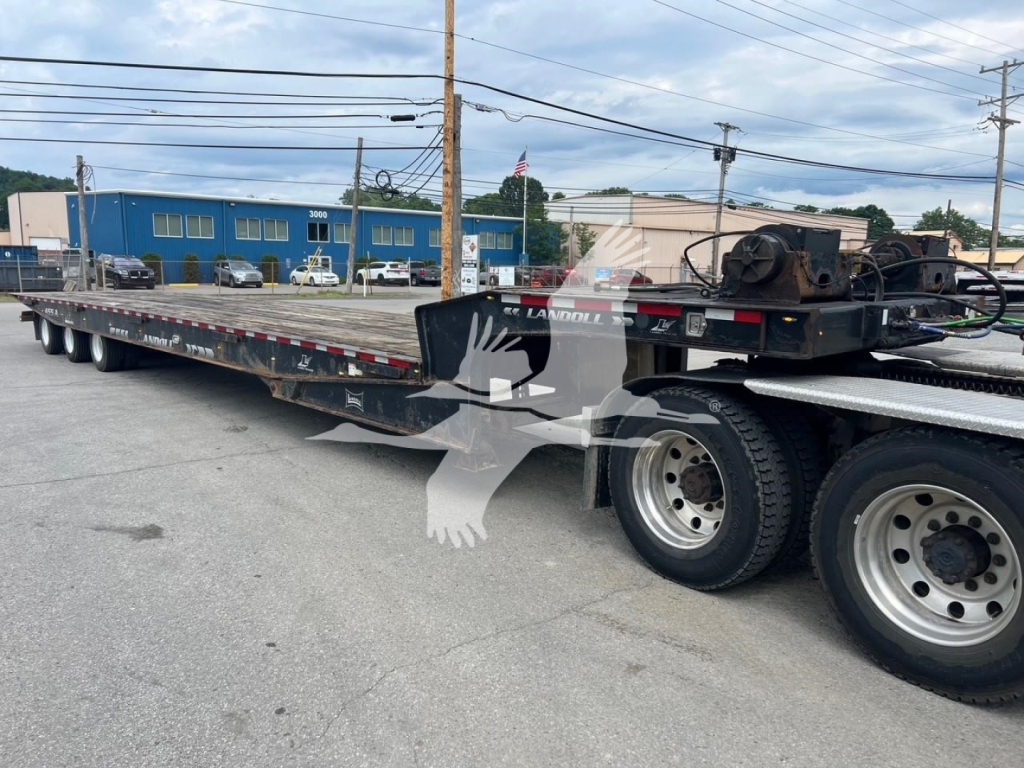
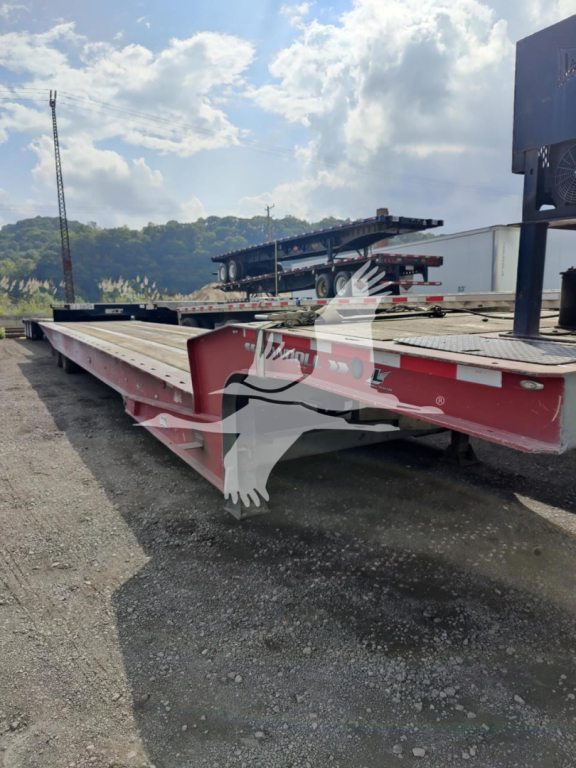
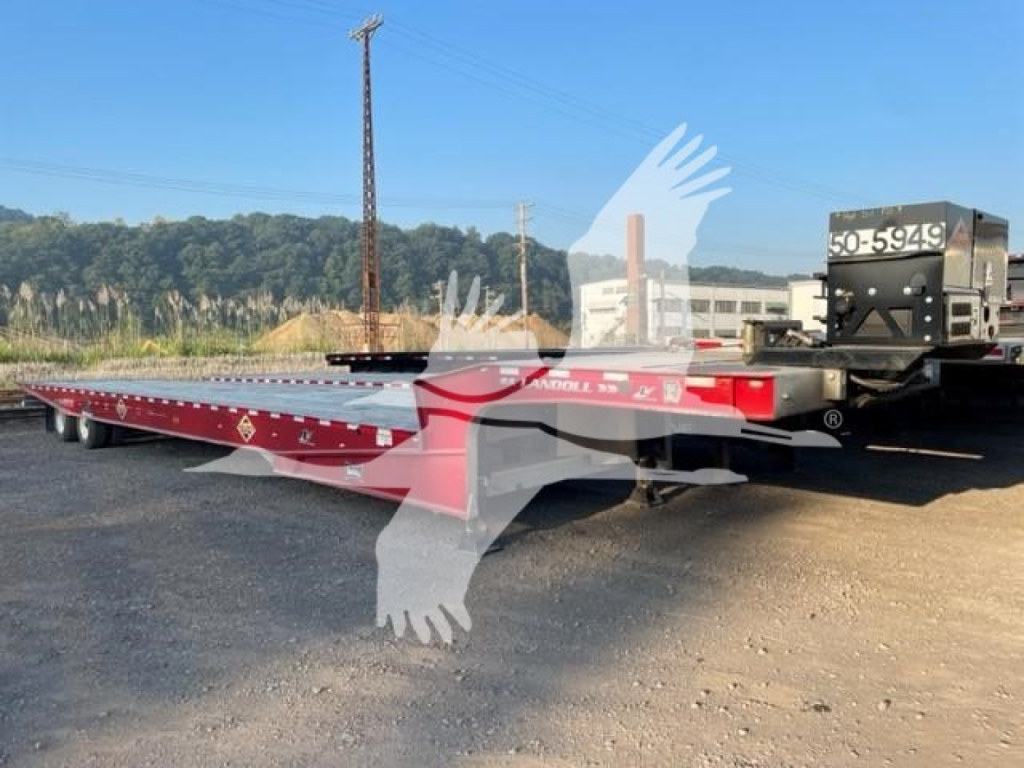
Selling a used traveling axle trailer? List your used traveling axle trailer for sale and reach thousands of commercial buyers.
Used Traveling Axle Trailers in Pennsylvania
The key buying decision is the hydraulic system and how the trailer loads under real job conditions. A traveling axle trailer shifts the axle assembly to change deck angle, so buyers should pay close attention to hydraulic controls, chain drive condition, cylinder performance, remote operation, and whether the unit runs from wet line hydraulics or a self-contained pony motor. Load angle matters because it directly affects what can be driven on safely. Many buyers also compare deck length, overall length, loaded deck height, width, winch capacity, tie-down setup, and axle configuration. Common specs in this class include 102-inch width, deck lengths in the low-40-foot to 50-foot range, air ride suspension, toolboxes, and integrated securement points such as winches, strap assemblies, D-rings, or side rails.
On a used trailer, condition is more important than paint. Look closely at frame straightness, deck wear, main beam repairs, crossmember integrity, suspension bushings, brake life, tire condition, and signs of hard curb impact around the axle travel path. Hydraulic trailers also deserve extra attention at the sliding components, grease points, wear pads, chain system, and remote functions. In a state like Pennsylvania, corrosion can be a real factor, so galvanized construction, undercoating history, and the condition of wiring, lights, air lines, and brake components are worth checking. If the trailer has centralized grease, hubometers, aluminum wheels, or recent drum and tire work, those details can help reduce near-term operating cost.
Capacity and application should stay matched. Traveling axle trailers excel when loads are frequent, varied, and time-sensitive, but buyers still need to confirm deck strength, axle rating, distributed load limits, and legal operating dimensions for their lanes and permits. A lower approach angle helps protect undercarriages and attachments, but overall trailer weight also affects payload. For fleets hauling compact construction equipment, utility equipment, or specialized industrial machinery, this trailer class offers a strong balance of loading speed, versatility, and operator convenience.
Frequently Asked Questions about Used Traveling Axle Trailers in Pennsylvania
What is a traveling axle trailer used for?
A traveling axle trailer is used to haul equipment that benefits from a low loading angle and quick ground-level access. Common loads include forklifts, skid steers, aerial lifts, compactors, paving equipment, and other machines with low ground clearance or solid tires. The hydraulic sliding axle system allows the deck to tilt and lower for easier loading than many fixed deck trailers.
What should I inspect first on a used traveling axle trailer?
Start with the hydraulic and sliding axle system because that is the core function of the trailer. Check cylinder operation, chain or drive components, controls, remote function, grease points, wear surfaces, and any sign of binding when the axle travels. After that, inspect the frame, crossmembers, deck, brakes, suspension, tires, wiring, and kingpin area for wear, repairs, or corrosion.
Is a pony motor better than tractor-supplied hydraulics on a traveling axle trailer?
A pony motor can be a strong option for fleets that want flexibility across multiple tractors because the trailer carries its own hydraulic power source. Tractor-supplied hydraulics can reduce engine maintenance on the trailer side and simplify some service needs if the power units are already standardized in the fleet. The better choice depends on how often the trailer changes trucks, how your shop supports hydraulic equipment, and how important standalone operation is in the field.
Are traveling axle trailers good for low-clearance equipment?
Yes. One of the main reasons buyers choose a traveling axle trailer is its shallow load angle, which helps prevent scraping on low-clearance machines and attachments. The exact loading performance depends on deck height, trailer design, tire size, and hydraulic travel, so buyers should compare approach angle and loaded geometry instead of relying only on overall trailer length.
What matters most when comparing used traveling axle trailers in Pennsylvania?
Corrosion exposure, brake condition, tire life, and hydraulic reliability should be near the top of the list. Pennsylvania buyers also need to consider axle ratings, empty weight, deck length, and tie-down setup based on the equipment they move most often. A trailer with solid structure, clean hydraulic operation, and documented maintenance usually delivers more value than a lower-priced unit that needs immediate brake, tire, or frame work.