
Used Landoll Traveling Axle Trailers For Sale in Pennsylvania
Browse used Landoll traveling axle trailers for sale in Pennsylvania. Compare deck length, load angle, winch, axle setup, and hydraulic features.
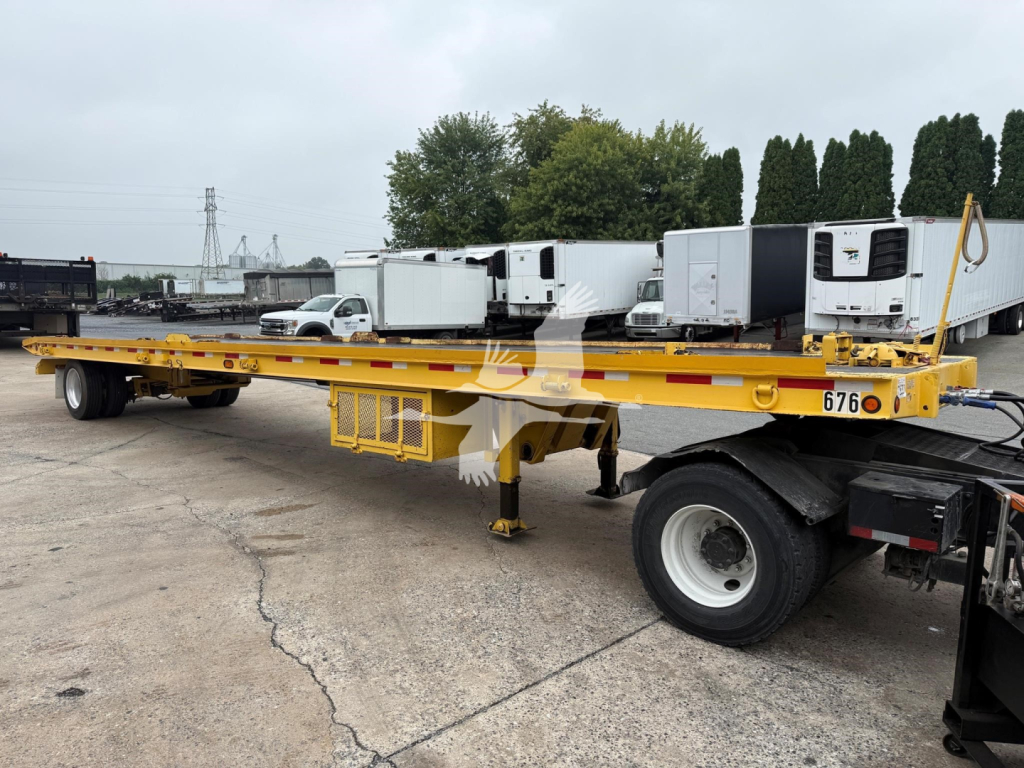
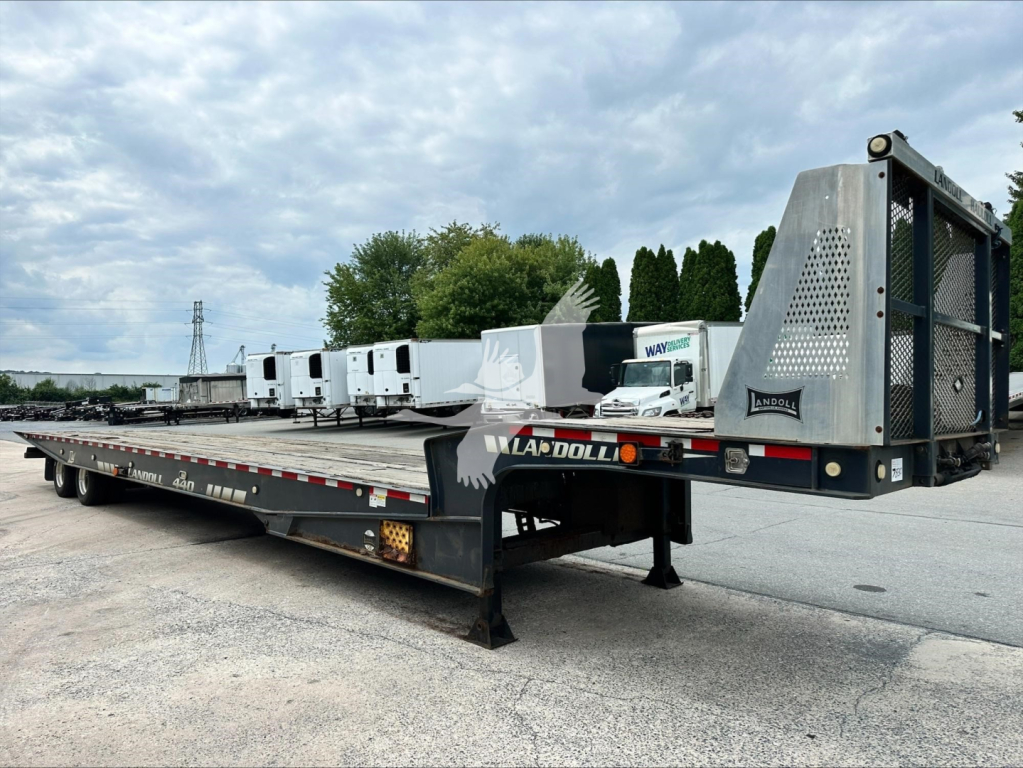
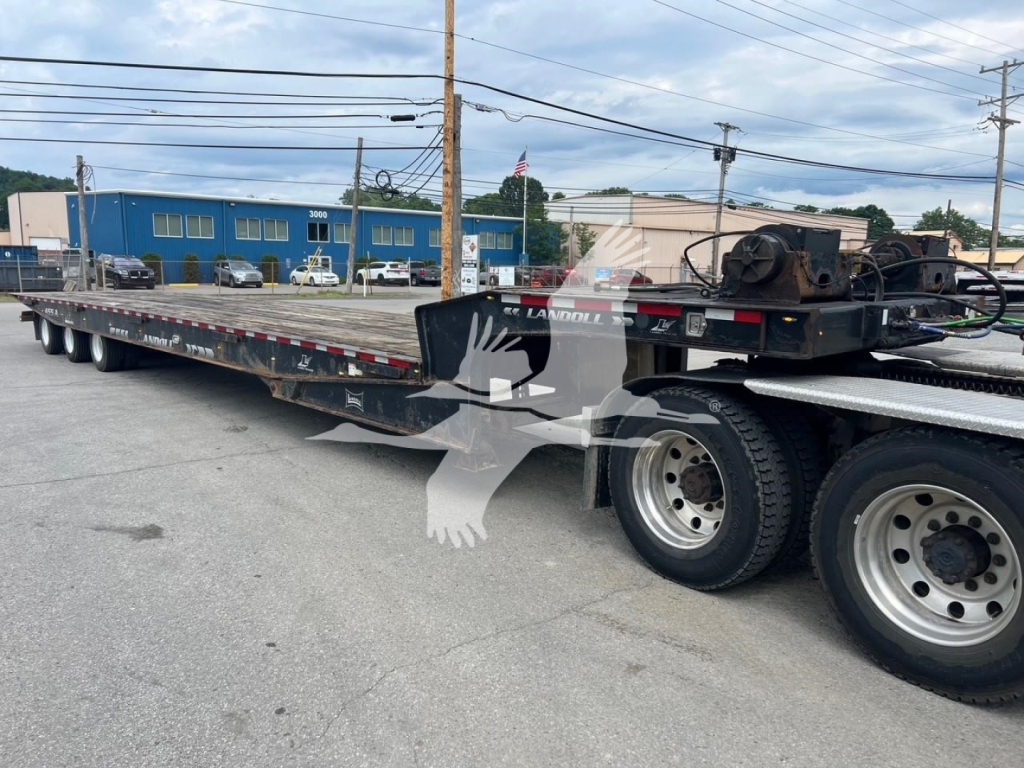
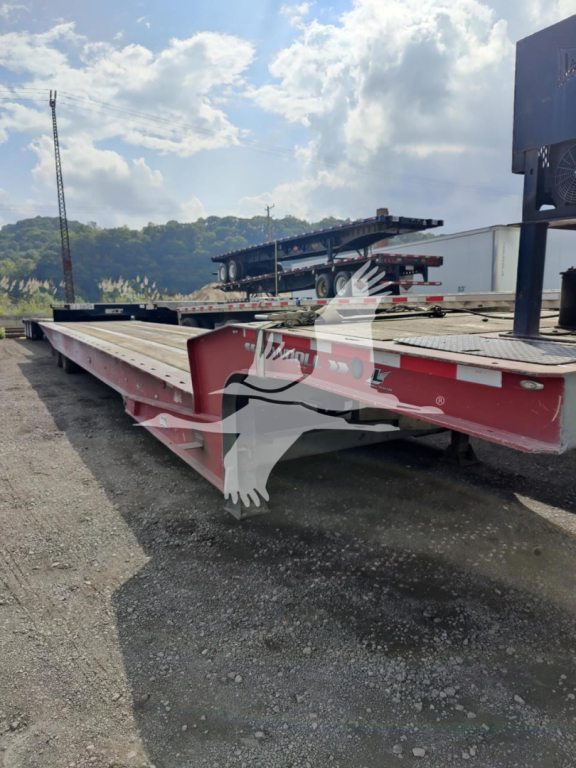
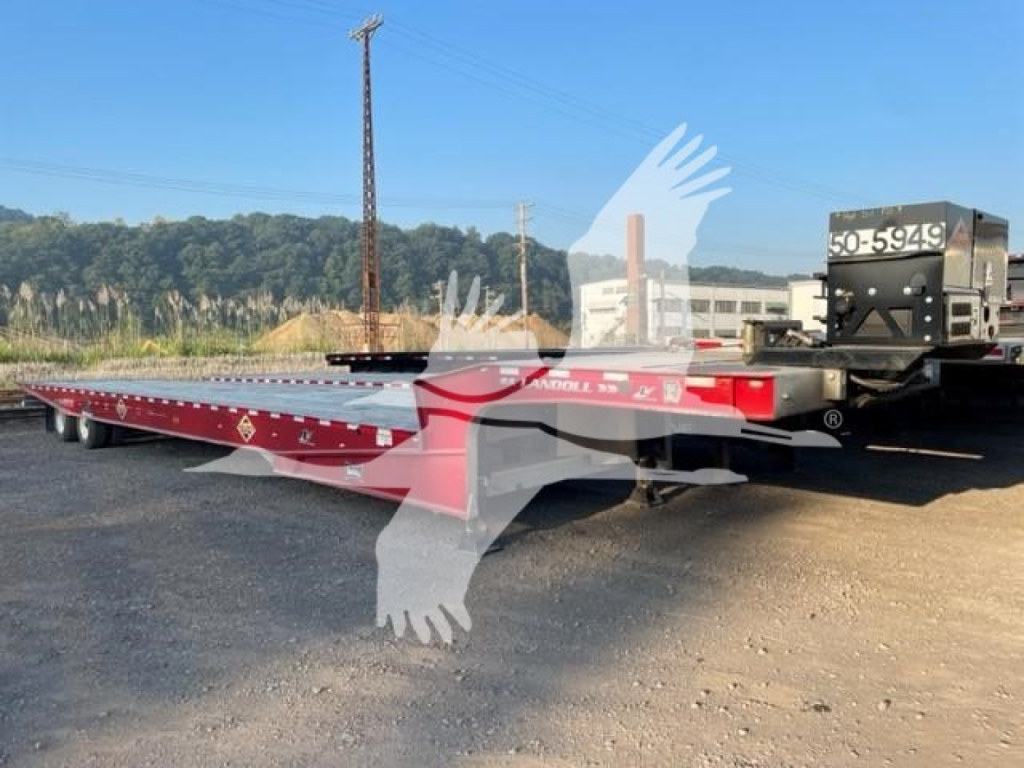
Selling a used landoll traveling axle trailer? List your used landoll traveling axle trailer for sale and reach thousands of commercial buyers.
Used Landoll Traveling Axle Trailers in Pennsylvania
For most buyers, the key decisions start with deck length, axle configuration, trailer weight, and hydraulic setup. Landoll models such as the 343B and 440B are commonly seen with 43-foot to 50-foot overall lengths, 102-inch width, and main deck heights low enough to keep loading practical while still maintaining road clearance. A pony motor hydraulic system is popular because it allows independent operation without relying entirely on tractor wet kits, and wireless remote controls make sliding the axle and managing the load cycle faster and safer. Buyers should also pay attention to stated load angle, winch capacity, kingpin setting, suspension type, and whether the trailer has air ride, centralized grease, galvanized finish, toolboxes, or bolt-on tie-down equipment.
On a used unit, condition matters as much as spec. Check the hydraulic gearbox and continuous chain system for smooth travel, inspect the axle slide mechanism for wear, and look closely at brake condition, tire age, suspension components, and deck integrity around high-stress loading areas. Frame rails, side rails, toe boards, crossmembers, and the rear loading area deserve a careful inspection because these trailers often carry concentrated machine weight and repeated impact during loading. If the trailer has a winch, verify cable condition, remote function, and line pull rating. In Pennsylvania, corrosion resistance can be a real advantage, so galvanized trailers or well-maintained paint and underframe coatings may hold up better through road salt exposure.
A Landoll traveling axle trailer makes the most sense for fleets and owner-operators who need frequent machine moves without the time penalty of detachable goosenecks or steep ramps. The design lets the axle travel to the rear, lowering the tail and reducing the loading angle while keeping the process straightforward for operators handling multiple stops in a day. Matching the trailer to your freight mix is the real priority. Heavier construction equipment may call for a longer, higher-capacity model with robust tie-down points and a strong winch package, while rental and municipal work may favor a lighter trailer with simpler maintenance and quick-cycle hydraulics.
Frequently Asked Questions about Used Landoll Traveling Axle Trailers in Pennsylvania
What is a Landoll traveling axle trailer used for?
A Landoll traveling axle trailer is used to haul self-propelled equipment and wheeled or tracked machines that need a low loading angle. Common loads include skid steers, compact excavators, rollers, pavers, forklifts, trenchers, and other construction or industrial equipment. The sliding axle design lowers the rear of the trailer for loading, which helps reduce bottoming out and simplifies loading on jobsites with limited room.
What should I inspect on a used traveling axle trailer before buying?
Focus on the hydraulic system, axle travel mechanism, frame condition, deck wear, brakes, tires, suspension, and tie-down equipment. Check for smooth axle movement, leaks, chain or gearbox wear, and any signs of twisting or cracking around the loading area. It is also important to review kingpin wear, landing gear condition, light function, and the condition of the winch and cable if equipped. On trailers used in Pennsylvania, corrosion on the frame, crossmembers, and air system components deserves extra attention.
Why do buyers choose a pony motor on a Landoll trailer?
A pony motor gives the trailer its own hydraulic power source, which allows the trailer functions to operate without depending on a tractor wet kit. That can make the trailer more flexible across different power units and simplify fleet use when multiple tractors may pull the same trailer. It also helps operators who need quick, repeatable loading cycles for equipment delivery, pickup, or rental work.
What deck and size specs matter most on a traveling axle trailer?
The most important specs are overall length, usable deck length, deck height, width, trailer empty weight, axle rating, and load angle. Buyers should match deck space to the equipment they haul most often and make sure the trailer weight does not cut too deeply into legal payload. Width is commonly 102 inches, but deck length and main deck configuration can vary by model. Load angle is especially important for low-clearance machines and for reducing track or attachment hang-ups during loading.
Is a Landoll traveling axle trailer better than a detachable gooseneck for some jobs?
For frequent local or regional equipment moves, a traveling axle trailer can be faster and simpler to operate than a detachable gooseneck. It offers quick loading with a low approach angle and does not require neck removal during each loading cycle. A detachable gooseneck may still be the better fit for certain taller, heavier, or specialized loads, but many contractors and equipment haulers prefer a traveling axle trailer for everyday machine transport because it combines loading convenience with strong deck usability.