
Landoll Traveling Axle Trailers For Sale
Browse Landoll traveling axle trailers built for low load angles, heavy equipment hauling, hydraulic tilt decks, and durable steel construction.
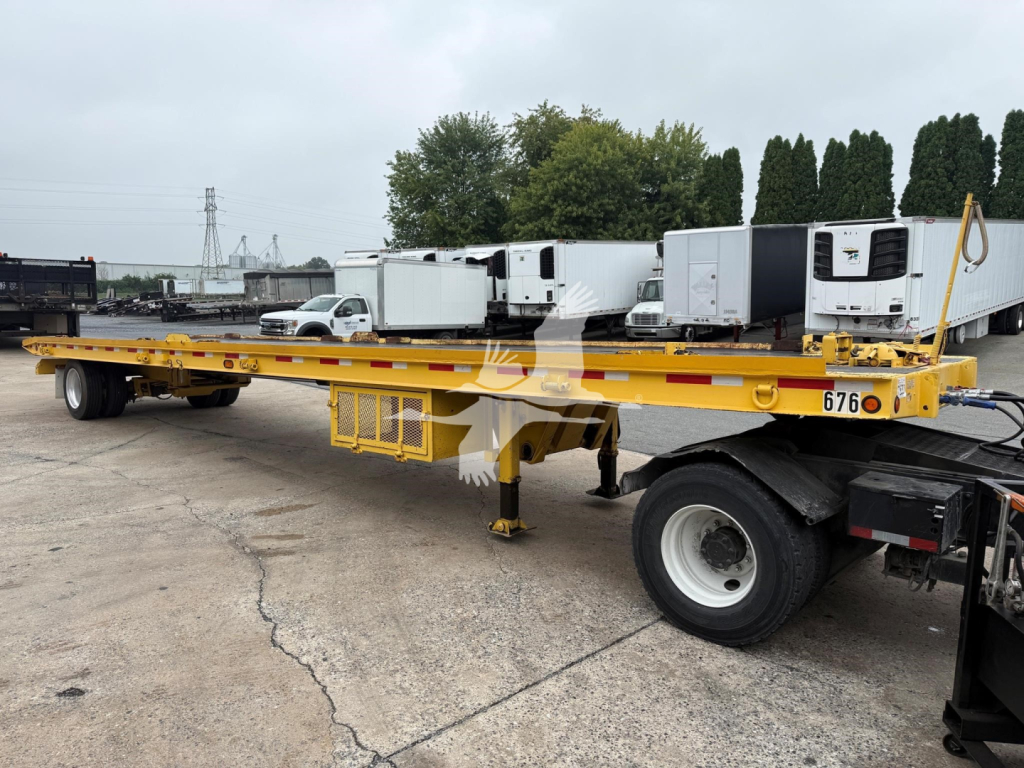
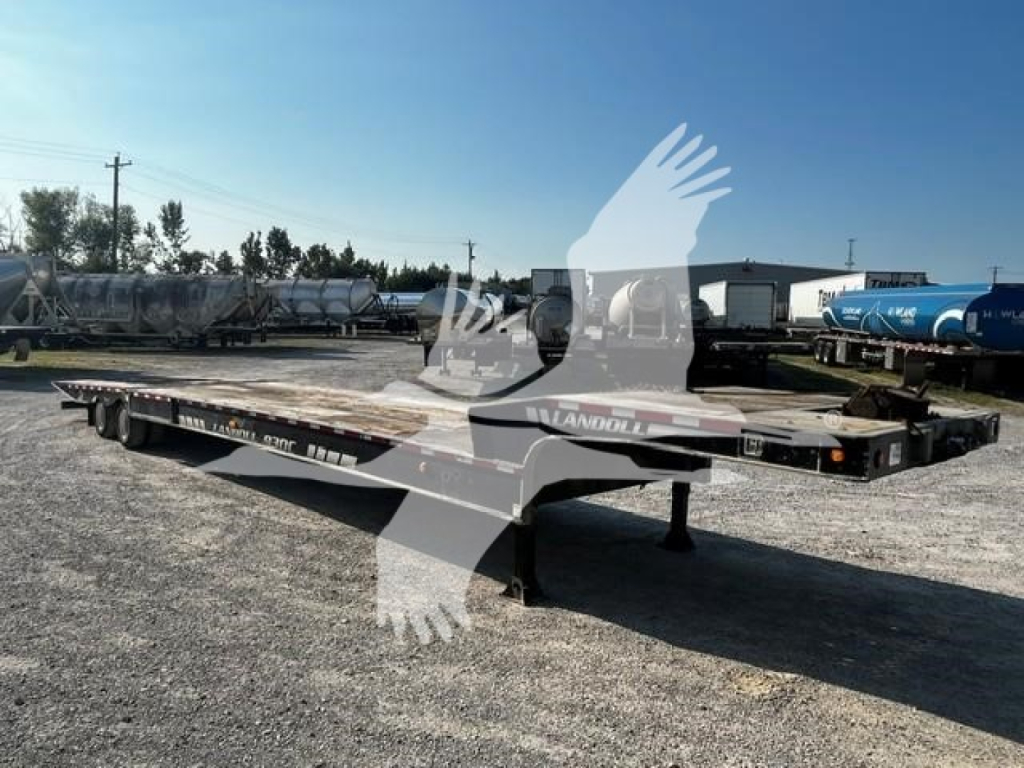
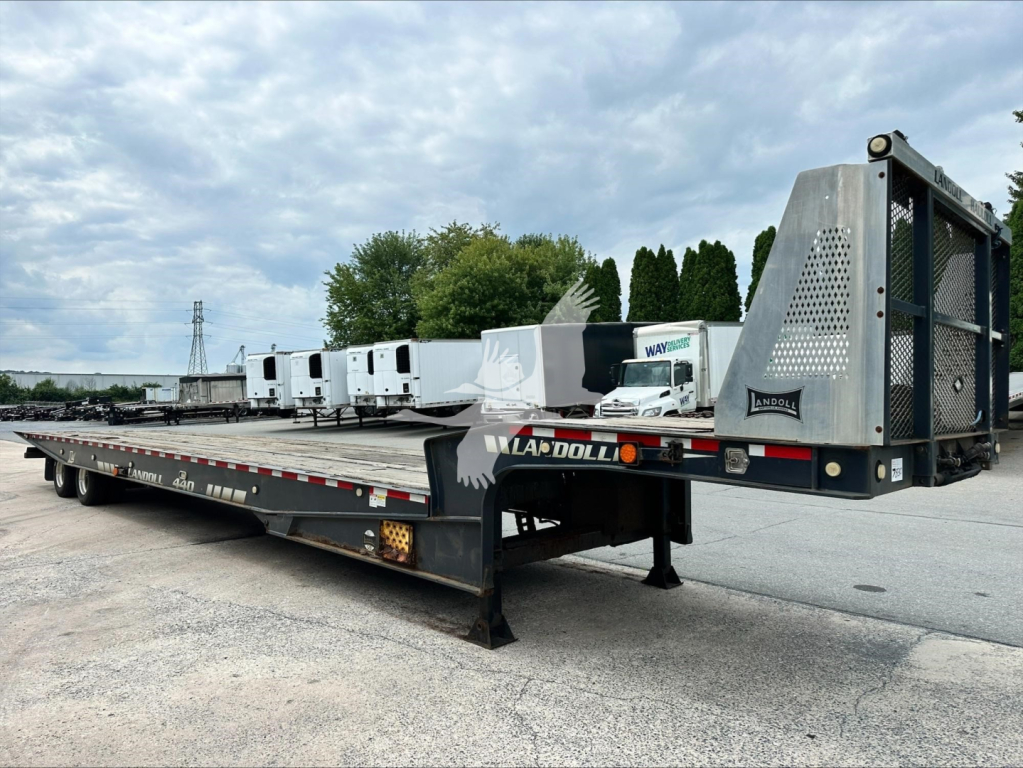
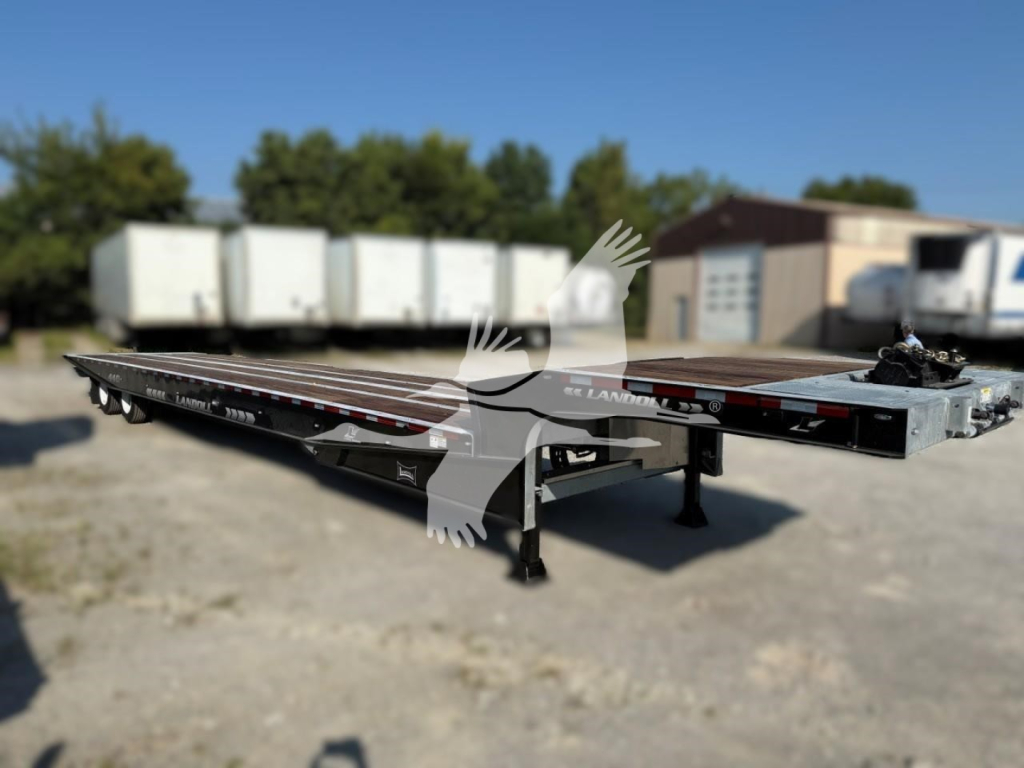
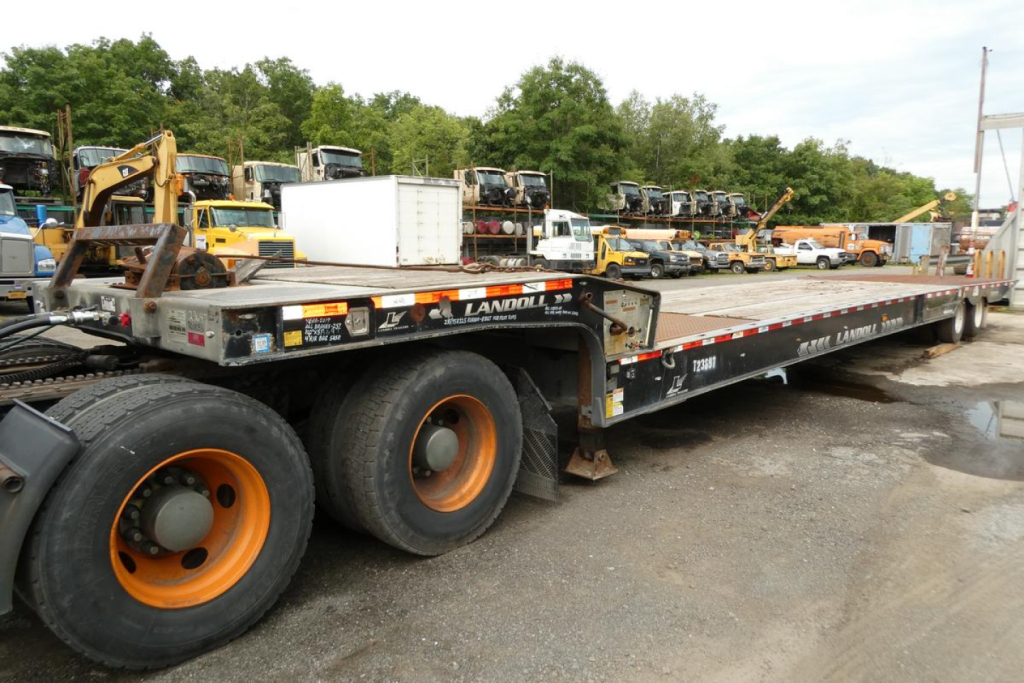
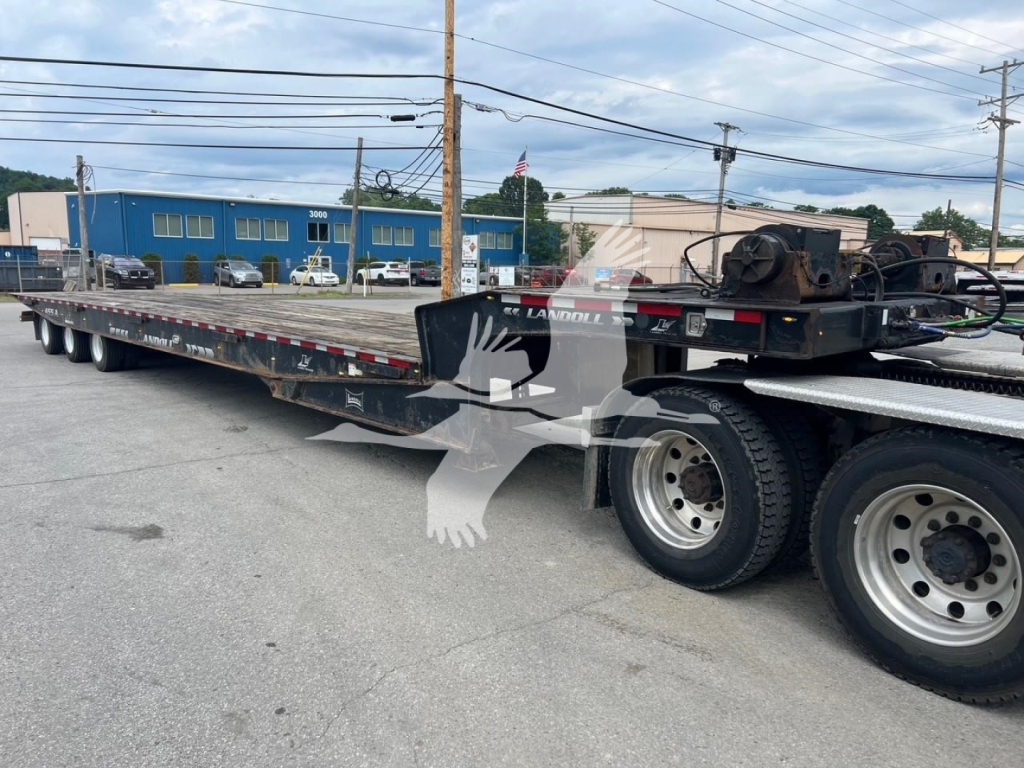
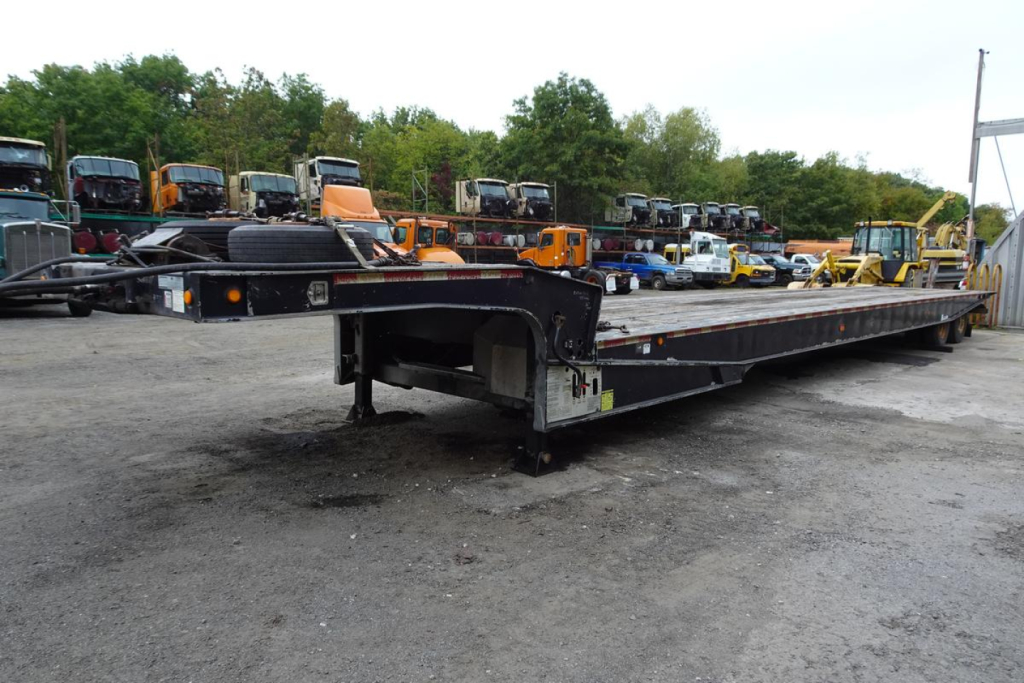
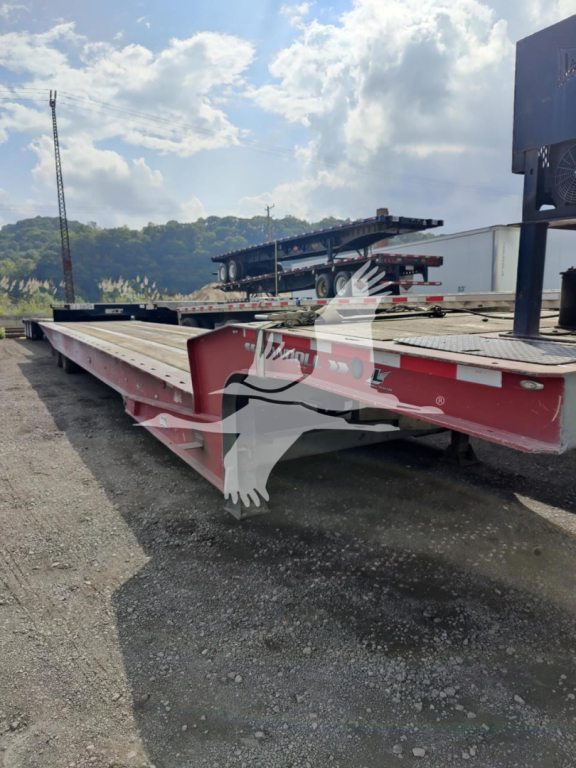
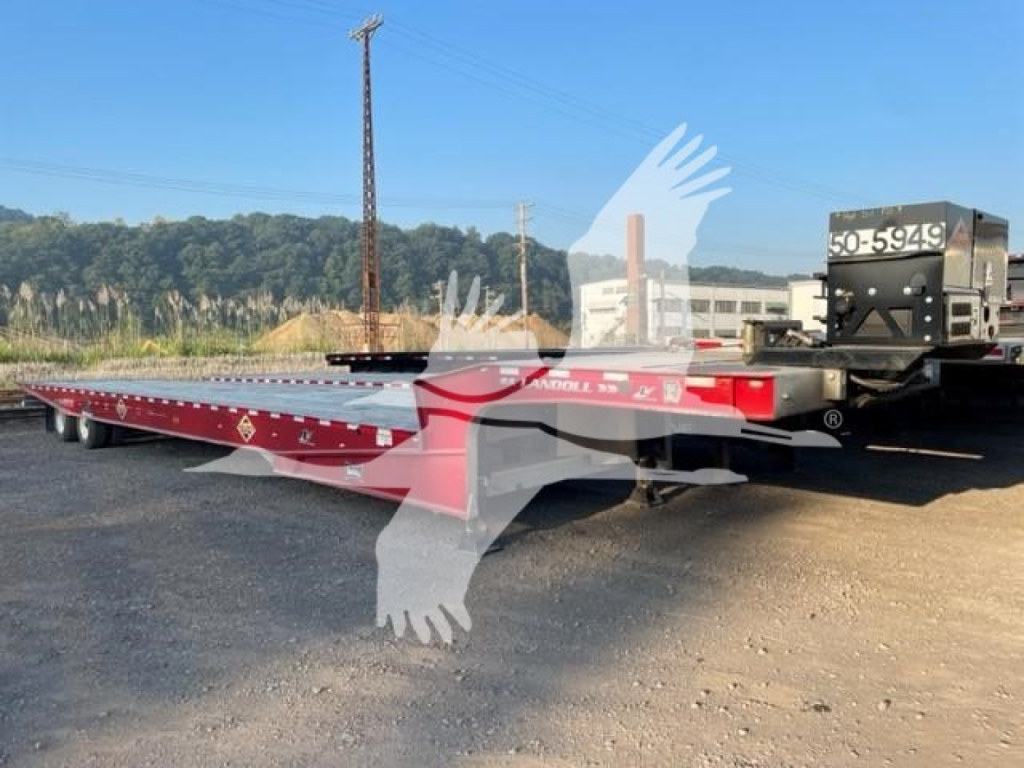
Selling a landoll traveling axle trailer? List your landoll traveling axle trailer for sale and reach thousands of commercial buyers.
Landoll Traveling Axle Trailers
The 440B is one of the best-known Landoll traveling axle models and is commonly found in 50-foot and 53-foot lengths with a 102-inch overall width, steel frame, and 1-3/8 inch Apitong flooring. Many are spec'd with tandem air ride suspension, 17.5-inch tires, a 20,000-pound hydraulic winch, wireless remote, double keyhole chain slots on 16-inch centers, and Jost two-speed landing gear. Main deck height is commonly in the 37-inch range, which helps keep equipment height manageable while still giving the trailer enough structure for concentrated loads. Buyers should pay close attention to weight ratings listed as overall tonnage and concentrated deck rating, such as 50,000 pounds in 10 feet, because that tells you more than gross capacity alone.
Hydraulics are a major decision point on a Landoll. Some trailers are tractor-hydraulic, using quick couplers and wet kit flow, while others are equipped with a pony motor for self-contained operation. If the trailer moves between trucks or goes behind day cabs and road tractors with mixed hydraulic availability, a pony motor can add flexibility. On heavier or more specialized specs, you may also see hydraulic tails, front gooseneck ramps, centralized grease systems, galvanized finishes, and scale gauges. Galvanized or partial-galvanized construction is worth noting for fleets operating in snow, salt, and corrosive regional conditions because it can help preserve resale value and reduce cosmetic deterioration.
A buyer comparing Landoll traveling axle trailers should also look closely at kingpin setting, top deck length, swing clearance, undercarriage cylinder configuration, and tie-down layout. A 21-inch kingpin setting is common on 440B models, while some other Landoll designs vary depending on frame geometry and intended load balance. The right trailer depends on the machines being hauled, how often loading happens at unimproved sites, and whether legal payload is being protected against trailer tare weight. For mixed equipment fleets, these trailers are popular because they combine low-angle loading, secure tie-down options, and a deck profile that works well for daily commercial hauling without stepping all the way into a detachable lowboy.
Frequently Asked Questions about Landoll Traveling Axle Trailers
What is a Landoll traveling axle trailer used for?
A Landoll traveling axle trailer is used to haul equipment that benefits from a low load angle and tilt-deck loading. Common applications include construction equipment, aerial lifts, forklifts, paving machines, compact earthmoving machines, and other wheeled or tracked units that are difficult to load on steeper trailers. The traveling axle design allows the deck to tilt while keeping the trailer practical for frequent loading and unloading.
What makes a Landoll traveling axle different from a lowboy or detachable gooseneck trailer?
A Landoll traveling axle trailer uses a hydraulic sliding axle and tilt deck to create a shallow loading angle, while a lowboy or detachable gooseneck trailer typically relies on a detachable neck and lower deck well. The Landoll design is often preferred for equipment that is loaded often, moved short to medium distances, or does not require the extreme deck height reduction of a true lowboy. It can be faster to load in many day-to-day hauling situations and is especially useful for low-clearance wheeled equipment.
What specs matter most when buying a Landoll traveling axle trailer?
The most important specs are deck length, loaded deck height, load angle, overall weight rating, concentrated deck rating, hydraulic system type, and suspension. Buyers should also review axle configuration, tire size, kingpin setting, winch capacity, tie-down pattern, and floor material. For used trailers, undercarriage wear, cylinder condition, hydraulic leaks, floor condition, suspension health, and structural repairs around the tilt frame and axle slide area deserve close inspection.
Is a pony motor worth having on a Landoll trailer?
A pony motor is worth considering if the trailer may be pulled by multiple tractors or by trucks that do not always have wet kits available. It gives the trailer self-contained hydraulic power for axle travel, tilt functions, and winch operation. That added flexibility can improve utilization in mixed fleets, rental service, or jobsite operations. The tradeoff is additional maintenance, more components to inspect, and slightly more tare weight compared with a trailer that relies only on tractor hydraulics.
Why do many buyers look for galvanized Landoll trailers?
Galvanized Landoll trailers are attractive because corrosion resistance matters on equipment trailers that see weather, mud, road salt, and frequent wash cycles. A galvanized frame or galvanized trailer with painted side details can hold up better cosmetically and structurally in harsh regions. For many buyers, that translates into longer service life, cleaner appearance over time, and stronger resale value compared with a similar trailer that has only conventional paint.