
Landoll Traveling Axle Trailers For Sale in Pennsylvania
Shop Landoll traveling axle trailers for heavy equipment hauling, with low load angles, hydraulic axle travel, air ride, and strong deck ratings.
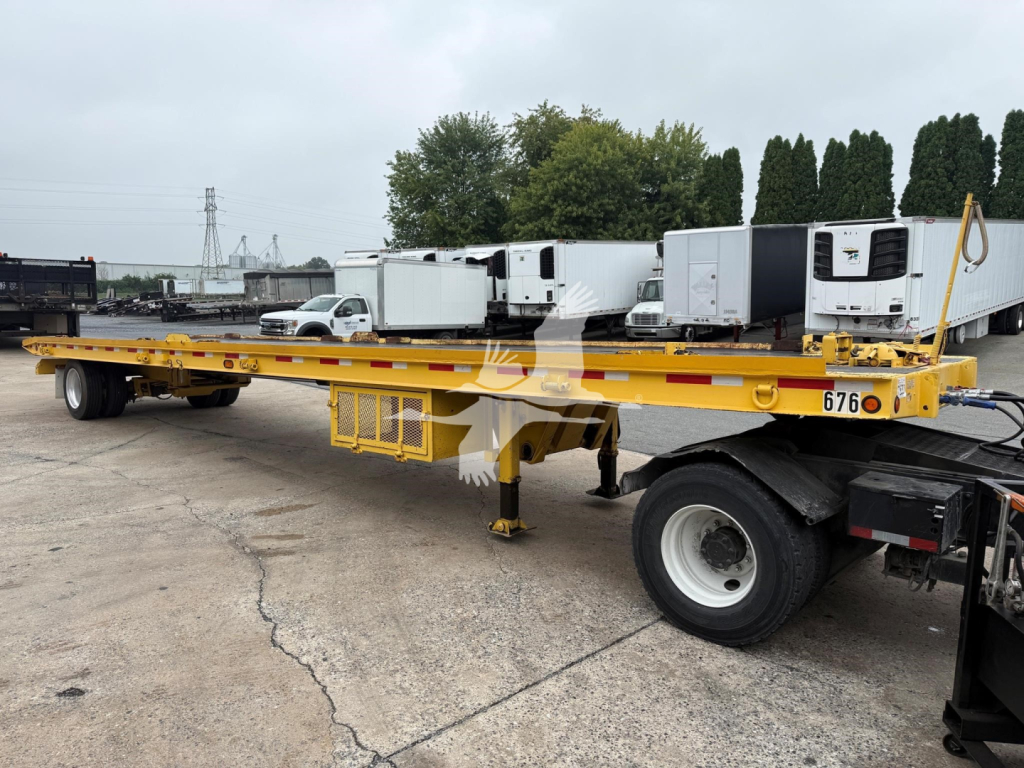
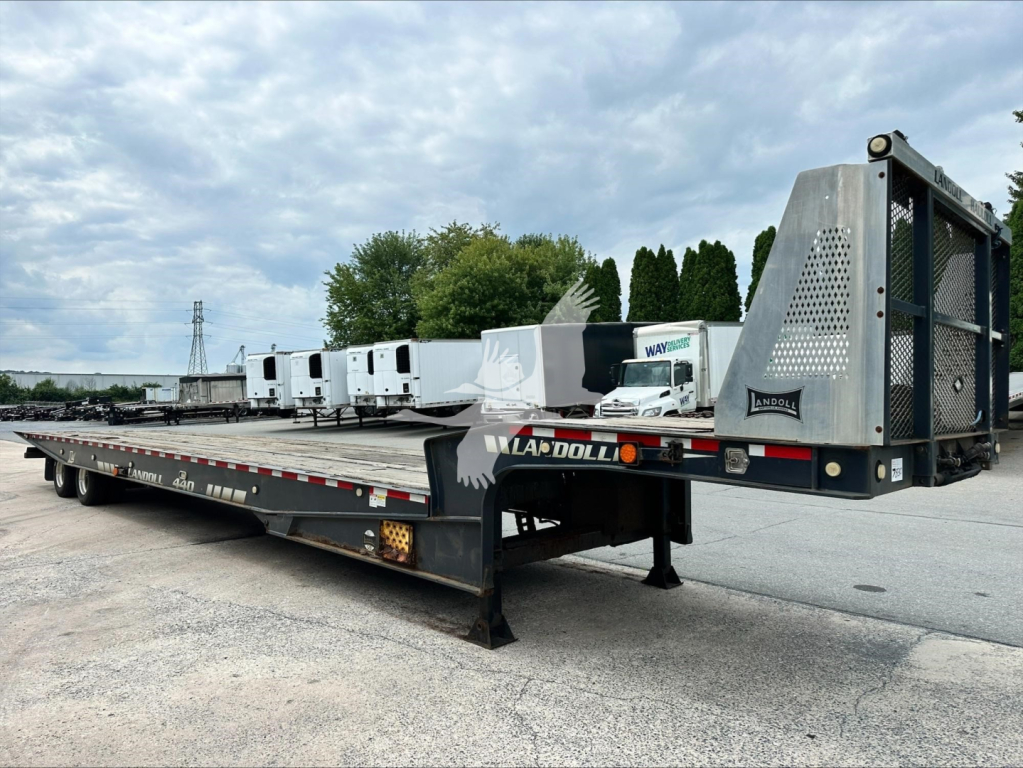
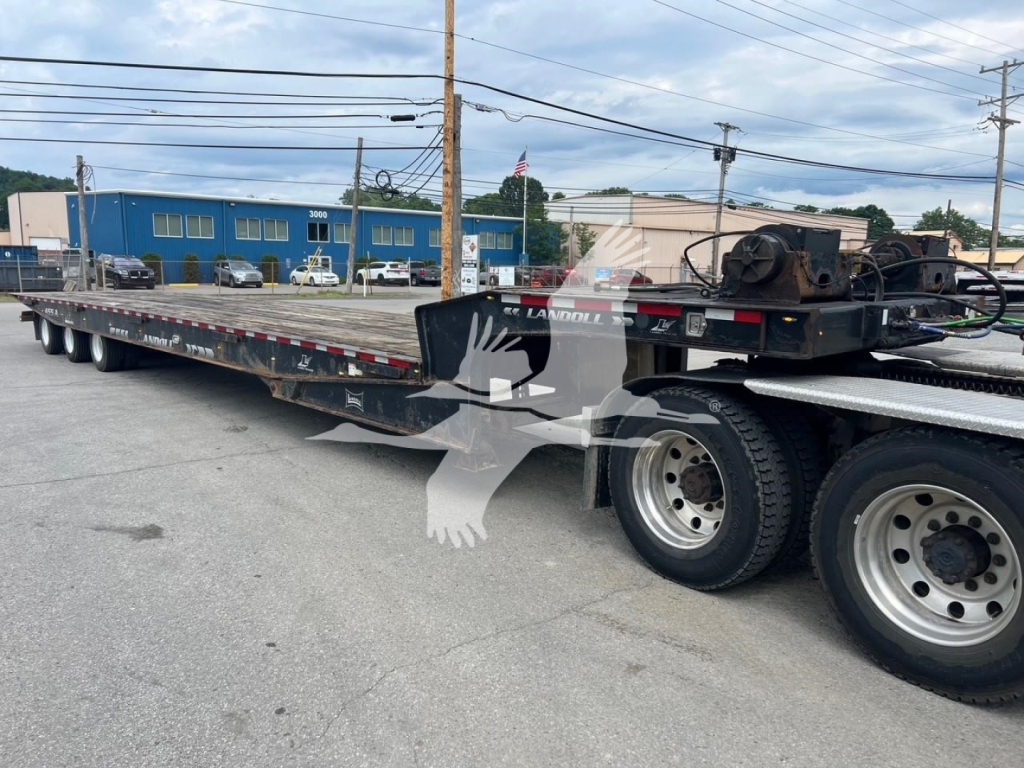
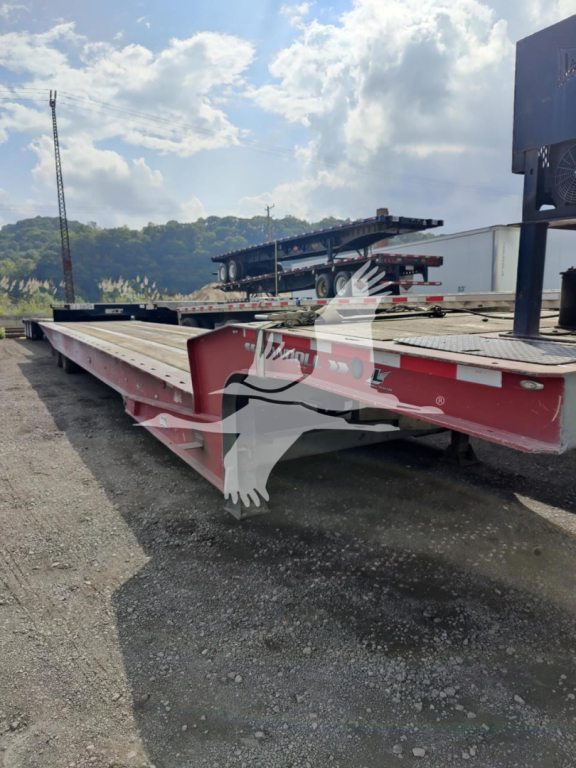
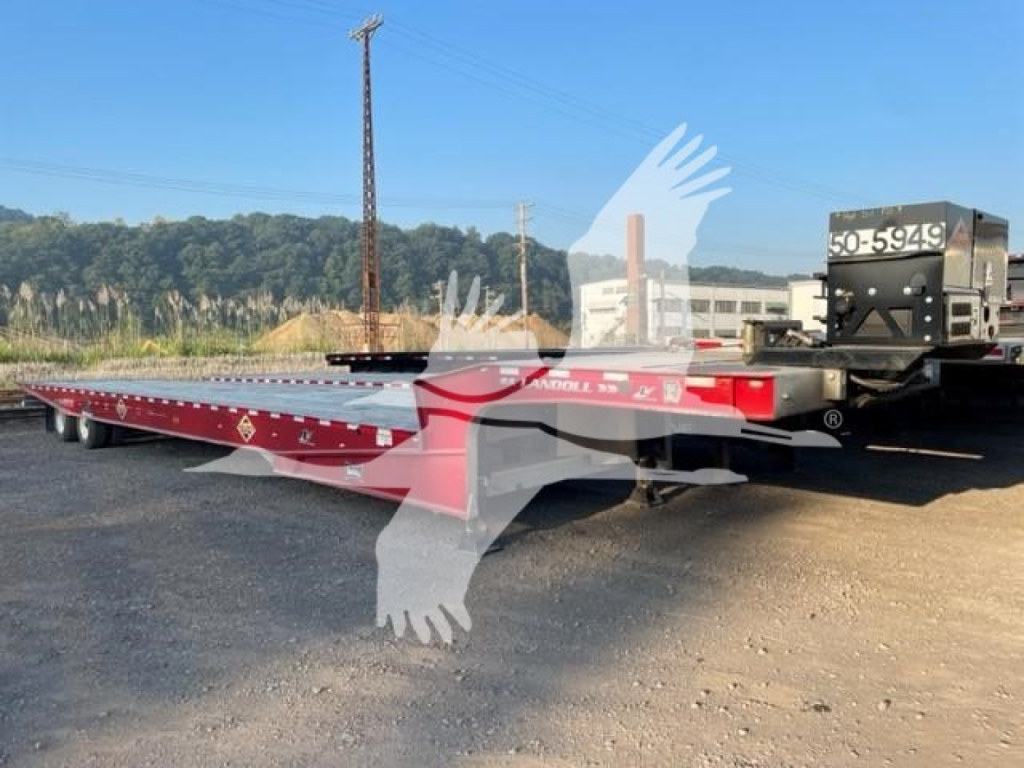
Selling a landoll traveling axle trailer? List your landoll traveling axle trailer for sale and reach thousands of commercial buyers.
Landoll Traveling Axle Trailers in Pennsylvania
A lot of buyers start with deck geometry and capacity. Landoll 440-series traveling axle trailers are commonly found in 50-foot and 53-foot lengths with 102-inch width, deck heights around 37 to 38 inches, and load angles in the 6.5-degree range on many flat deck configurations. Typical specs include 1 3/8-inch Apitong flooring, double keyhole chain slots on 16-inch centers, steel perimeter beams, and deck ratings such as 50,000 pounds in 10 feet, with overall ratings that can reach 35 to 40 tons depending on model and setup. Two-axle air ride configurations are common, often with Neway suspension, 17.5-inch tires, Jost two-speed landing gear, and kingpin settings around 18 to 21 inches. Buyers comparing listings should pay attention to exact model differences, because a 440B flat deck and a 930E hydraulic tail trailer serve similar fleets but load and handle differently.
Hydraulic equipment is a major decision point on a Landoll. Many trailers in this class are equipped with quick couplers for tractor hydraulics, while some used units may also have a pony motor for independent operation. A 20,000-pound hydraulic winch with wireless remote is a common setup and adds real value for dead equipment recovery and controlled loading. On certain configurations, you may also see hydraulic tails, air-operated front gooseneck ramps, centralized grease systems, galvanized finishes, and integrated tie-down layouts with center keyholes flush to the deck. Those details affect daily use more than brochure capacity numbers. Galvanized components can matter in Pennsylvania where winter road treatment accelerates corrosion, and a well-laid-out toolbox, lighting package, and traction plate can make the trailer easier to use in bad weather and low-light jobsites.
Used buyers should inspect cylinder condition, axle travel operation, winch performance, suspension wear, brake life, tire age, deck integrity, and signs of structural repair around crossmembers, side rails, and the approach plate. On any Landoll traveling axle trailer, verify loaded deck height, swing clearance, axle spread or sliding suspension setting, and how the trailer matches the tractor's hydraulic flow and fifth wheel height. A trailer that looks right on paper can still be a poor fit if the hydraulic requirements, kingpin setting, or deck length do not match your truck and freight mix. The best choice usually comes down to what you load most often, how often you self-load, and whether your operation values the flatter load angle of a traveling axle deck over a more traditional detachable or fixed lowboy setup.
Frequently Asked Questions about Landoll Traveling Axle Trailers in Pennsylvania
What is a Landoll traveling axle trailer used for?
A Landoll traveling axle trailer is used to haul equipment that benefits from a low loading angle and easy ground-level approach. Common loads include construction machines, paving equipment, aerial lifts, forklifts, compact loaders, rollers, and other wheeled or tracked machines that are difficult to load on steeper ramps. The hydraulic axle travel system lowers the deck for loading and then shifts into transport position, which makes these trailers popular for contractors, equipment rental fleets, and municipal operations.
What should I look for when comparing Landoll 440B and 930E models?
The main differences are in deck style, loading method, and how the trailer fits your equipment mix. A Landoll 440B is commonly configured as a flat traveling axle trailer with a very shallow load angle and strong flexibility for general equipment hauling. A Landoll 930E may include a hydraulic tail and front gooseneck ramp, which can improve loading for certain machines and jobsite conditions. Compare deck length, deck height, load angle, tail design, weight rating, swing clearance, and tie-down layout before deciding which model fits your operation better.
How much capacity does a Landoll traveling axle trailer usually have?
Capacity varies by model, axle configuration, and exact build, but many Landoll traveling axle trailers are rated in the 35-ton to 40-ton class with concentrated deck ratings such as 50,000 pounds in 10 feet. Buyers should always confirm both the overall gross rating and the deck rating, because concentrated equipment loads are often more important than the headline tonnage. It is also important to account for trailer tare weight, local bridge laws, and the tractor being used, since those factors directly affect legal payload.
Are tractor hydraulics required to run a Landoll traveling axle trailer?
Many Landoll traveling axle trailers are designed to run from wet line tractor hydraulics, often using quick couplers and flow requirements around 2500 PSI and 20 GPM. Some used trailers are equipped with a pony motor, which allows operation without depending entirely on tractor hydraulics. Before buying, verify the trailer's hydraulic requirements and compare them with your truck's setup, because mismatch in pressure, flow, or coupler type can create operating problems and added expense.
What matters most when buying a used Landoll traveling axle trailer in Pennsylvania?
Condition of the hydraulic system and structural integrity should be at the top of the list. Inspect the tilt and undercarriage cylinders for leaks or pitting, confirm smooth axle travel, test the winch and remote, and check brakes, suspension, and tire condition. In Pennsylvania, corrosion resistance also matters because road salt can damage wiring, lighting, fasteners, and steel components over time. Galvanized sections, clean crossmembers, solid Apitong flooring, and documented maintenance usually indicate a trailer that will hold up better in regional service.