
Used Landoll Traveling Axle Trailers For Sale
Shop used Landoll traveling axle trailers. Compare load angle, deck length, axle setup, winch, hydraulics, and tie-down features.
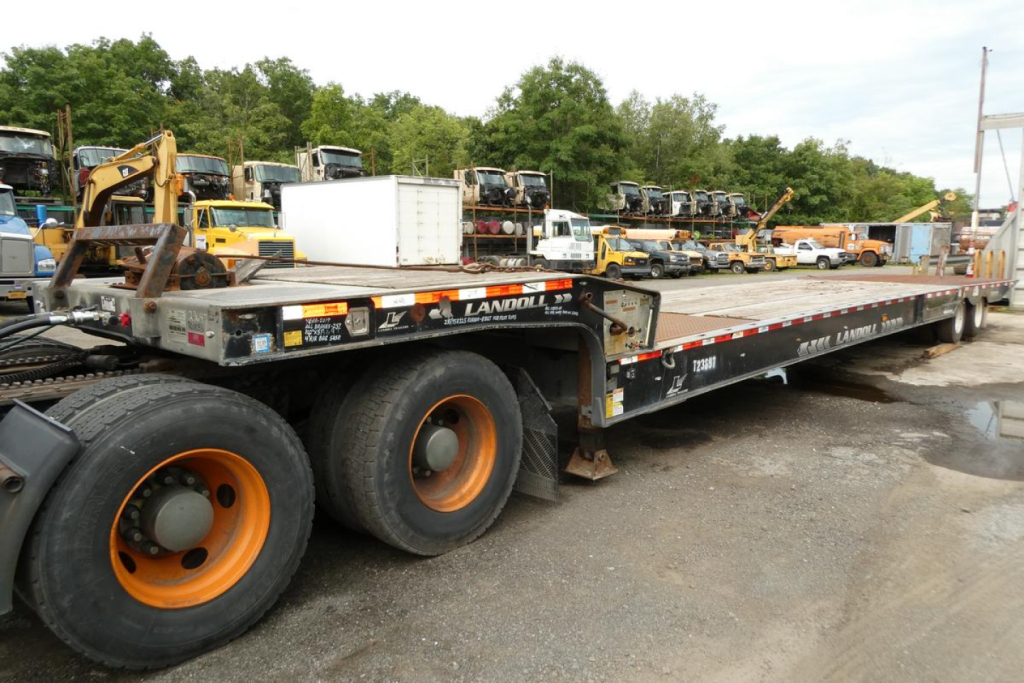
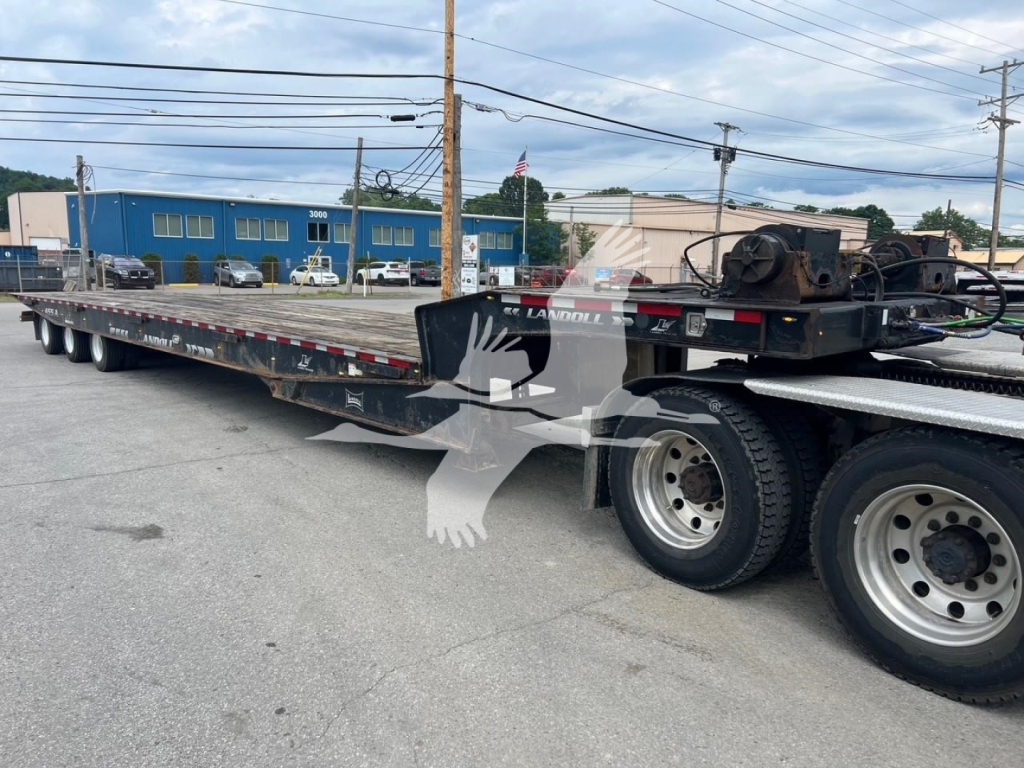
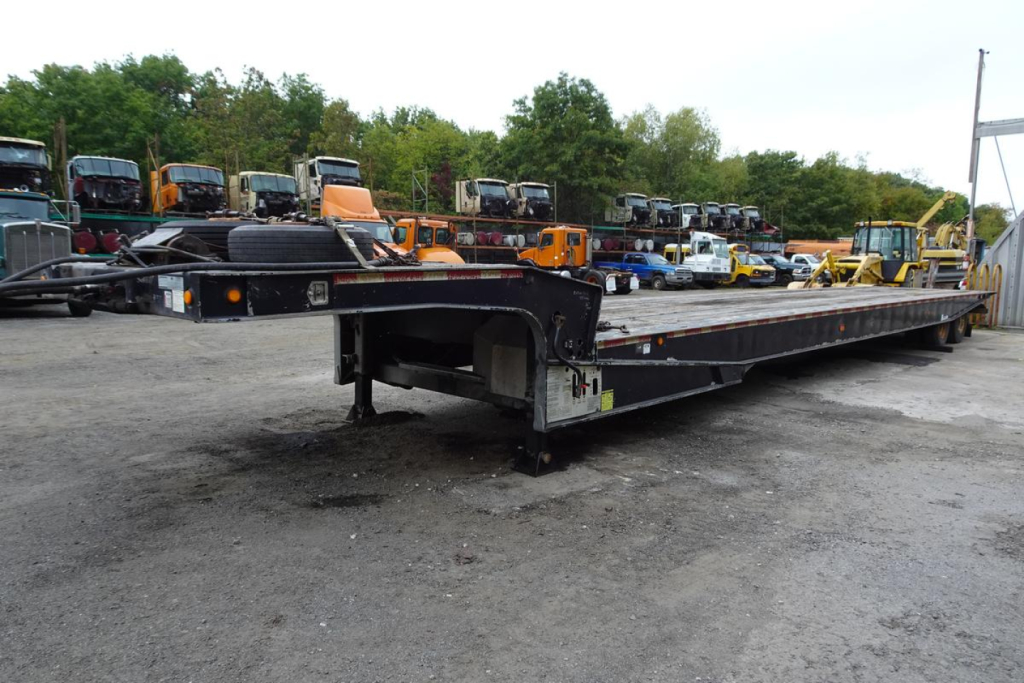
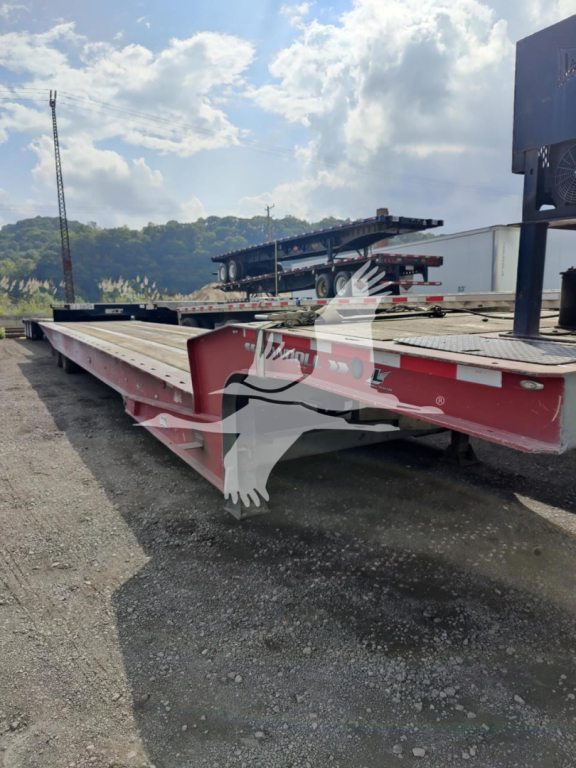
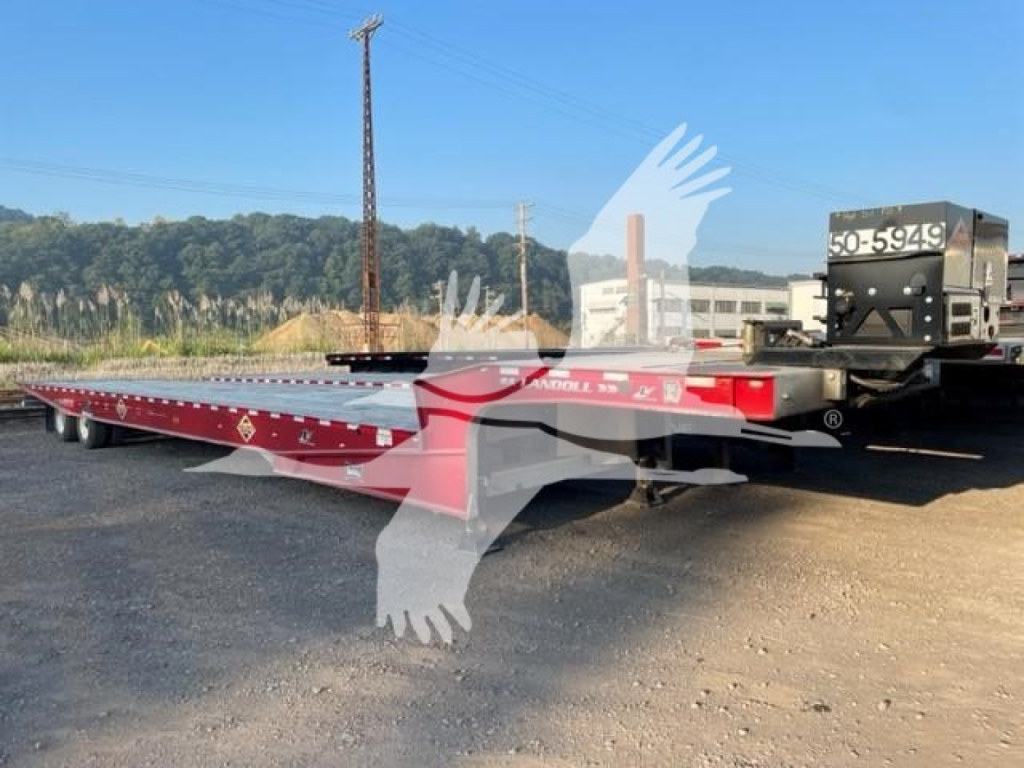
Selling a used landoll traveling axle trailer? List your used landoll traveling axle trailer for sale and reach thousands of commercial buyers.
Used Landoll Traveling Axle Trailers
The main buying decisions usually start with deck length, axle configuration, and deck height loaded. Common Landoll setups include 48-foot, 50-foot, and 53-foot lengths in 102-inch width, with top deck and main deck dimensions that affect how much usable loading space you actually get. Buyers should compare one-axle and tandem-axle designs, suspension type, and the expected payload range for their freight mix. A low loaded deck height and a load angle around the mid-6-degree range can make a major difference for ground clearance. On used units, look closely at the hydraulic cylinders, valve body, quick couplers, pony motor, wireless remote functions, and winch condition. A 20,000-pound hydraulic winch is common and is a practical feature for pulling disabled or non-powered equipment onto the deck.
Tie-down configuration is another area where Landoll trailers stand out. Many used units are equipped with chain slots, keyhole chain slots, D-rings, side rail tie points, and approach plate tie-downs that give the operator more flexibility with mixed loads. Steel side rails, apitong flooring, lockable toolboxes, and galvanized components are especially valuable on trailers that have seen year-round service. Hot-dip galvanized or galvanized side packages can help with corrosion resistance in northern states and other high-salt environments. Buyers should also inspect kingpin setting, landing gear, brake condition, suspension wear, tire size and remaining tread, and whether the trailer has centralized grease points or other maintenance-friendly features.
Landoll traveling axle trailers are a strong fit for contractors, rental fleets, municipalities, road-building crews, and equipment movers that need fast loading with less setup time than a detachable trailer. They are especially effective when the freight changes from job to job and operators need a versatile trailer that can handle compact construction equipment one day and heavier iron the next. On the used market, service history and structural condition matter as much as model year. Pay attention to crossmembers, deck wear, axle slide operation, hydraulic leaks, frame straightness, and signs of repeated overloading. A well-maintained Landoll traveling axle trailer can hold value well because the combination of low approach angle, hydraulic axle travel, and practical tie-down options remains in demand across several equipment hauling applications.
Frequently Asked Questions about Used Landoll Traveling Axle Trailers
What is a Landoll traveling axle trailer used for?
A Landoll traveling axle trailer is used to load and transport equipment that benefits from a low loading angle and a low deck height. Common cargo includes scissor lifts, rollers, paving equipment, forklifts, compact track loaders, and other machinery with limited ground clearance. The sliding axle design allows the deck to tilt and reduce the approach angle, which helps prevent scraping or hang-ups during loading.
What should I inspect first on a used Landoll traveling axle trailer?
Start with the hydraulic system and the axle travel function because those are central to how the trailer operates. Check the tilt cylinders, sliding axle cylinders, hydraulic hoses, pump, pony motor if equipped, quick couplers, and remote controls. Then inspect the frame, crossmembers, deck flooring, winch, tie-down points, suspension, brakes, tires, kingpin area, and signs of corrosion or structural repair. A used trailer with strong hydraulics but deck or frame damage can still become an expensive repair unit.
Are tandem-axle Landoll trailers better than single-axle models?
Tandem-axle Landoll trailers usually provide greater payload capacity, better weight distribution, and improved stability for larger equipment. Single-axle models can still be a good fit for lighter-duty applications, shorter equipment, or fleets trying to reduce tare weight and maintenance cost. The better choice depends on the machines you haul most often, your axle weight targets, and how much deck length and support you need under load.
Why does load angle matter on a traveling axle trailer?
Load angle directly affects how easily equipment can climb onto the deck without bottoming out. A shallower angle is important for machines with low clearance, small tires, long wheelbases, or attachments that sit close to the ground. On a Landoll, the traveling axle and tilt deck work together to reduce the approach angle, which can improve loading speed, reduce equipment damage risk, and make the trailer more versatile across different machine types.
Is galvanized construction worth it on a used Landoll trailer?
Galvanized components can be a major advantage, especially in regions where trailers see road salt, heavy moisture, or long outdoor storage. Galvanized side rails or hot-dip galvanized sections help resist corrosion and can slow the deterioration that often shows up first around exposed steel surfaces, tie-down areas, and understructure components. It does not replace proper maintenance, but it can extend service life and help preserve resale value.