
Used Eager Beaver Trailers For Sale in Pennsylvania
Browse used Eager Beaver trailers in Pennsylvania, including lowboy and hydraulic detach models built for paving, heavy equipment, and asphalt work.
Selling a used eager beaver trailer? List your used eager beaver trailer for sale and reach thousands of commercial buyers.
Used Eager Beaver Trailers in Pennsylvania
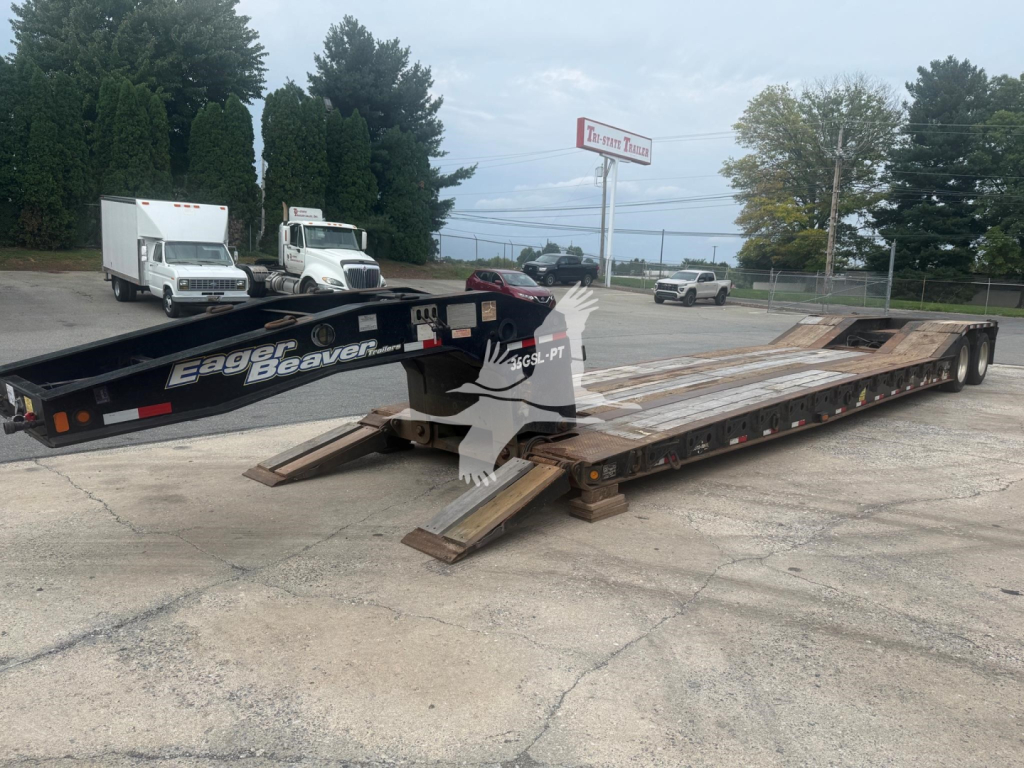
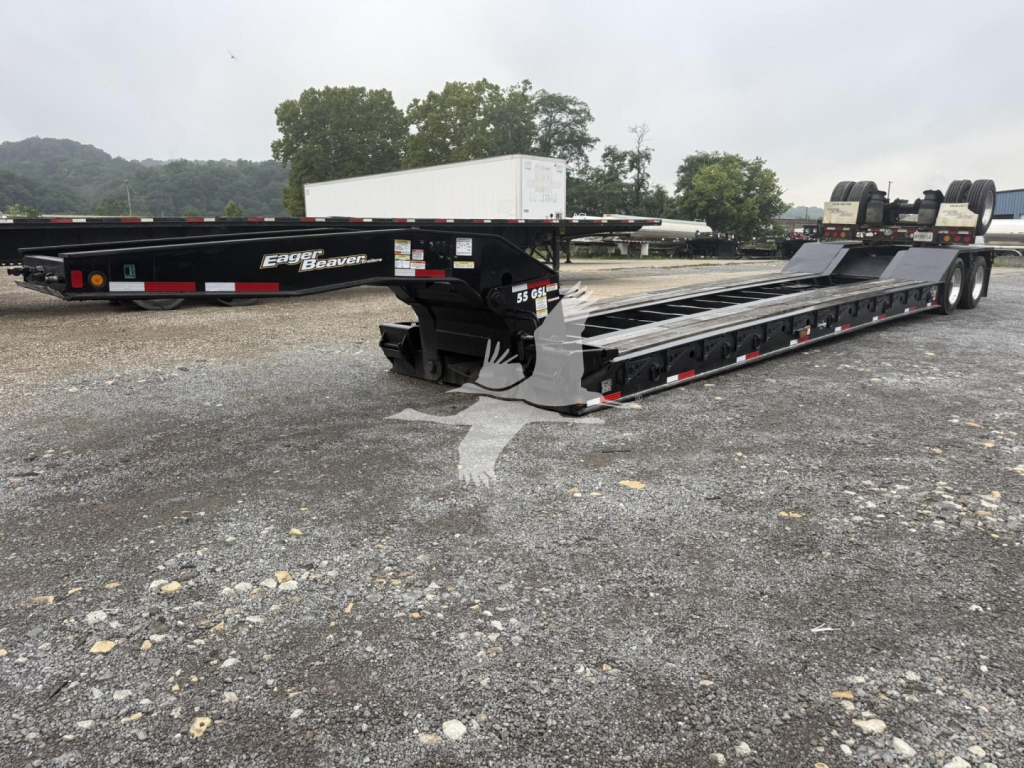
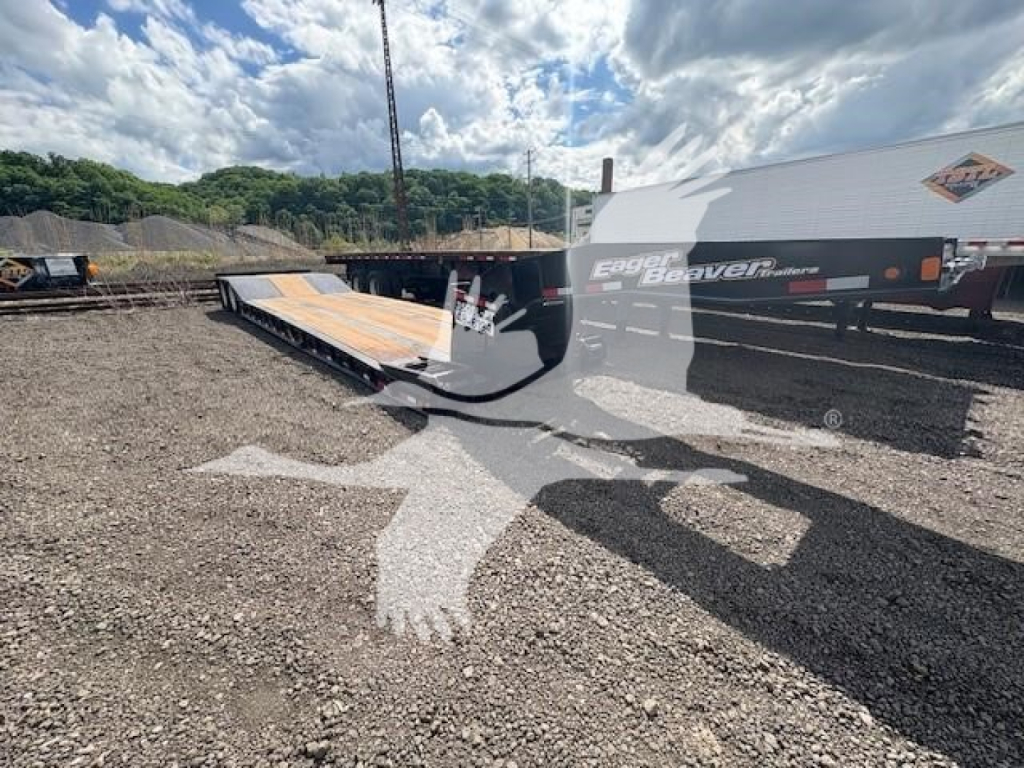
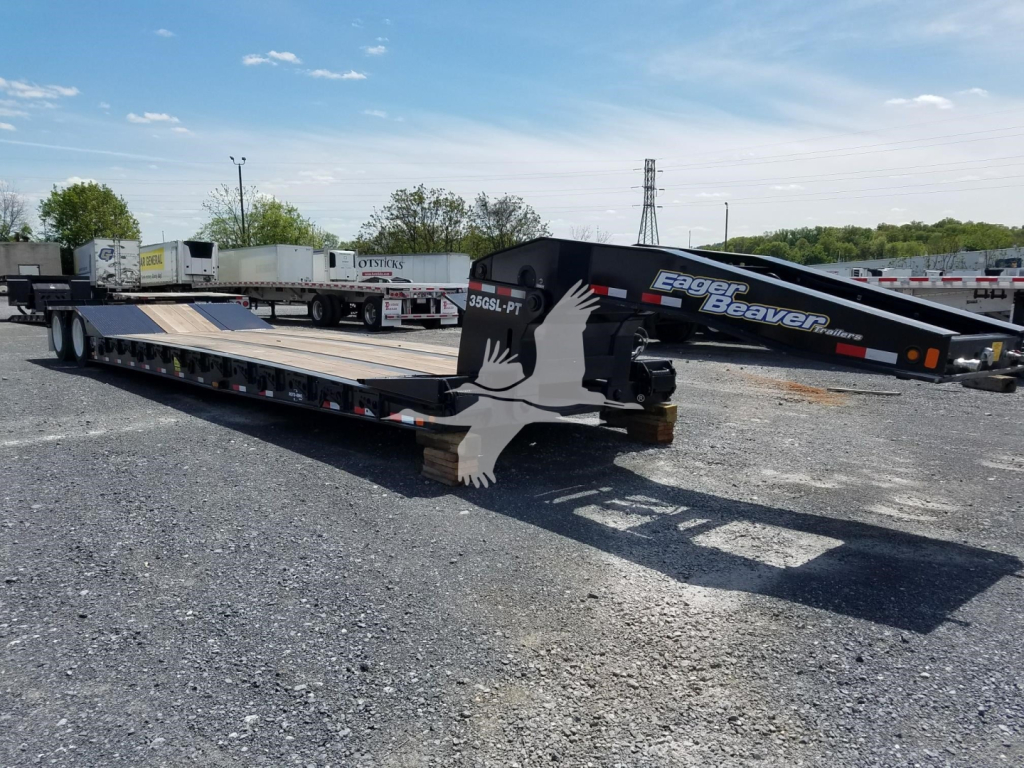
A buyer should start with deck configuration and rating. Many Eager Beaver paving and general-purpose lowboys in this class are 35-ton trailers with a hydraulic detachable gooseneck, a 24-foot main deck, and a loaded deck height around 24 inches. That combination matters because it keeps loading angles manageable while still giving enough well length for common asphalt and construction equipment. Typical specs in the market include 102-inch overall width, air ride suspension, 54-inch axle spacing, 255/70R22.5 tires, steel wheels, and apitong decking. Features like wood-filled or spring-assist ramps, hydraulic rear ramps, perimeter beam construction, and ROTO-style D-rings are worth close attention because they affect loading speed, tie-down flexibility, and long-term serviceability.
Condition matters more on a used lowboy than the badge on the nose. Look closely at the gooseneck attachment points, kingpin area, deck crossmembers, suspension components, and the rear transition where concentrated loading and repeated ramp contact can show up first. On Eager Beaver detach trailers, buyers should also inspect hydraulic system performance, pony motor operation if equipped, dump and raise-lower valve function, and any signs of twisting around the main beam or outriggers. Apitong flooring, mesh or wood center sections, and outrigger lock function can tell you a lot about how the trailer was used and maintained. In Pennsylvania service, corrosion around air lines, wiring, light brackets, and frame edges deserves extra scrutiny because winter road treatment can shorten component life if the trailer was not cleaned regularly.
For buyers comparing listings, the practical decision usually comes down to application fit rather than just price. A paving-focused lowboy may have details like a non-ground-bearing hydraulic detach, loaded fifth wheel height around 50 inches, compact deck geometry, and ramp arrangements designed around asphalt equipment instead of taller off-road machines. If your freight mix includes mixed construction equipment, pay attention to swing clearance, rear deck design, outriggers at 24-inch centers, and tie-down placement. A used Eager Beaver trailer that matches your typical machine dimensions, axle spread needs, and loading routine will usually outperform a higher-rated trailer that is awkward for daily use.
Frequently Asked Questions about Used Eager Beaver Trailers in Pennsylvania
What are used Eager Beaver trailers most commonly used for?
Used Eager Beaver trailers are most commonly used for hauling construction and paving equipment such as asphalt pavers, rollers, skid steers, compact track loaders, compact excavators, and similar machinery. Many are lowboy or hydraulic detachable gooseneck trailers designed to keep deck height low for easier loading and better legal height management. They are popular with paving crews, site contractors, municipalities, and equipment rental operations that need a durable equipment hauler for repeated regional moves.
What should I inspect first on a used Eager Beaver lowboy trailer?
Start with the structural and hydraulic areas that carry the highest stress. Inspect the gooseneck, kingpin setting area, main beams, crossmembers, neck connection points, rear loading area, and suspension. Check for cracked welds, bent outriggers, uneven deck wear, and signs of impact damage at the tail or beavertail. If the trailer has a hydraulic detachable gooseneck, confirm that the cylinders, hoses, controls, and pony motor operate correctly and that the detach engages and locks properly.
Are 35-ton Eager Beaver trailers enough for paving and general construction equipment?
A 35-ton Eager Beaver lowboy is a common fit for many paving and general construction applications, but capacity should always be matched to the actual machine weight, attachment weight, and load distribution. Many pavers, rollers, and medium construction machines fit comfortably within this class when the axle group, deck length, and neck design are appropriate. Buyers should verify the gross payload requirement and confirm that the trailer's concentrated load ratings and deck layout match the equipment they move most often.
Why is deck height important on an Eager Beaver detach trailer?
Deck height directly affects loading angle, machine stability during loading, and overall transport height. A loaded deck height around 24 inches is common on lowboy-style Eager Beaver trailers because it helps operators stay within legal height limits while hauling taller equipment. Lower deck height can also improve loading confidence for pavers and other low-clearance machines, especially when combined with a hydraulic detach and properly designed ramp transition.
What features add value on a used Eager Beaver trailer in Pennsylvania?
In Pennsylvania, valuable features include air ride suspension, hydraulic detachable goosenecks, apitong flooring, well-maintained outriggers, strong tie-down options such as ROTO-style D-rings, and working dump and raise-lower valves. Because weather and road salt can be hard on trailers, clean wiring, solid light mounts, healthy air system components, and limited corrosion around the frame and suspension are especially important. A trailer with documented maintenance and a clean structural condition often delivers more value than one with more options but visible wear in key load-bearing areas.