
Used 2026 Trailers For Sale in Pennsylvania
Shop used 2026 trailers in Pennsylvania. Compare dry vans, tank trailers, drop decks, specs, axle setups, suspension, and duty-ready options.
Selling a used 2026 trailer? List your used 2026 trailer for sale and reach thousands of commercial buyers.
Used 2026 Trailers in Pennsylvania
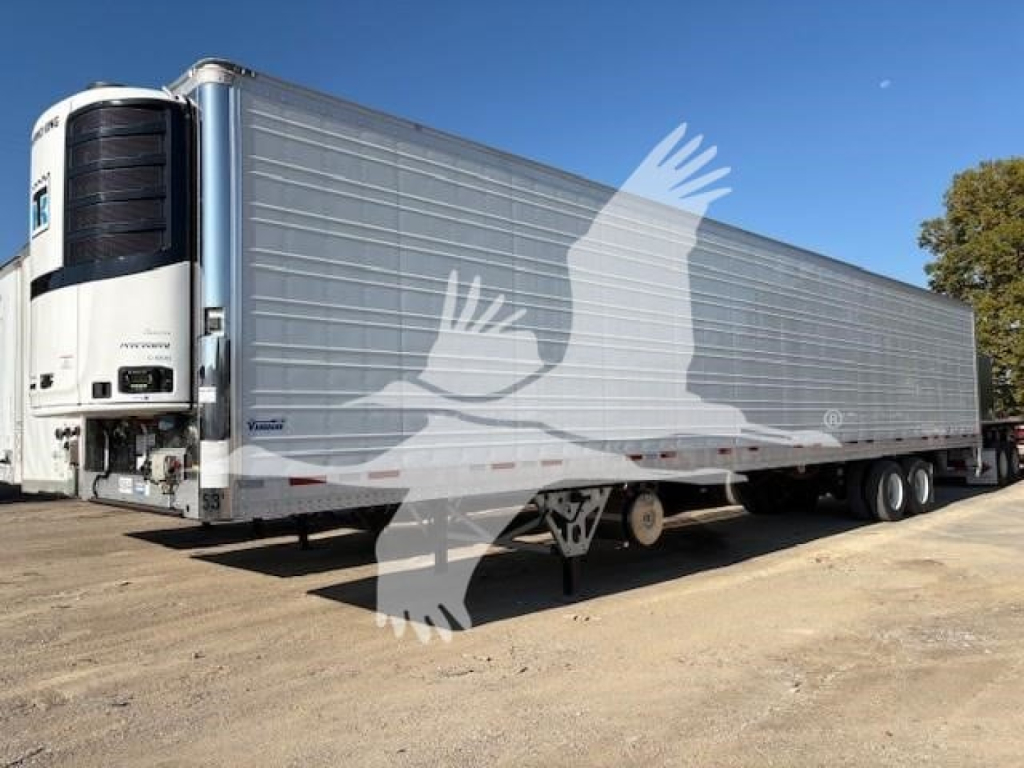
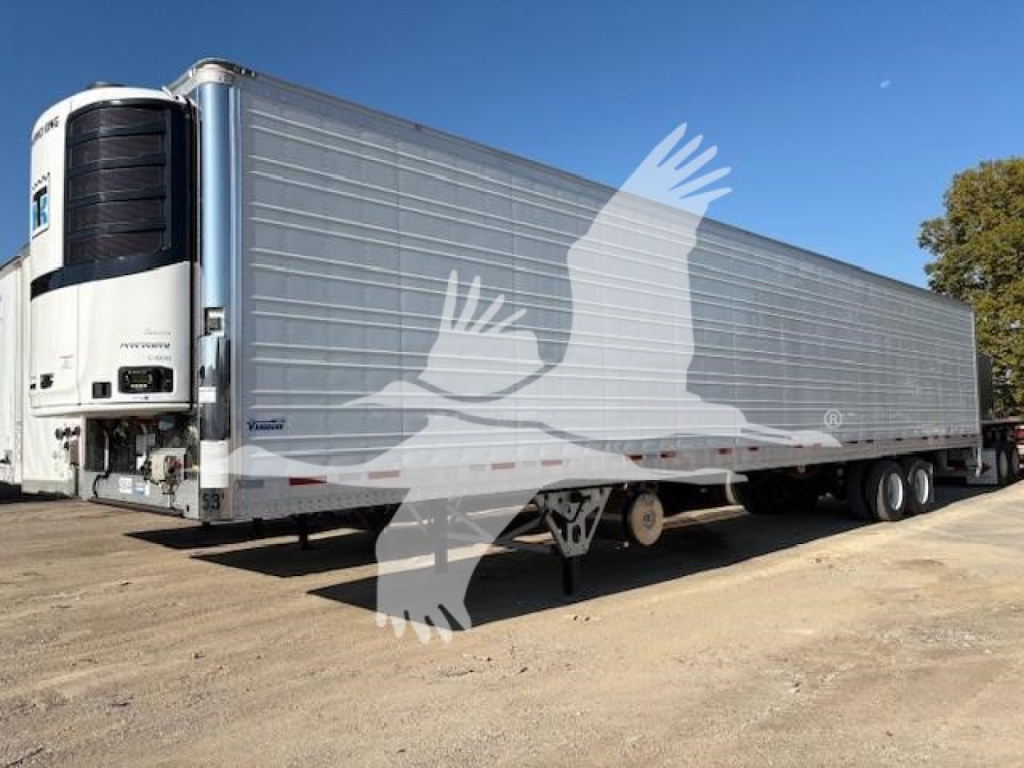
On van trailers, the most important details are usually length, width, interior height, rear door configuration, roof and side construction, floor condition, and tandem setup. Many 53-foot plate vans in this market use air-ride suspension, sliding tandems, oak floors, logistics posts, scuff liners, and galvanized rear frames. Those details affect durability, loading flexibility, and resale value. Kingpin setting, crossmember spacing, landing gear condition, brake life, and tire remaining percentage matter because they directly affect maintenance cost after purchase. In Pennsylvania, where turnpike miles, urban docks, and winter weather all add wear, buyers tend to pay close attention to frame corrosion, suspension bushings, slider operation, and door seal condition.
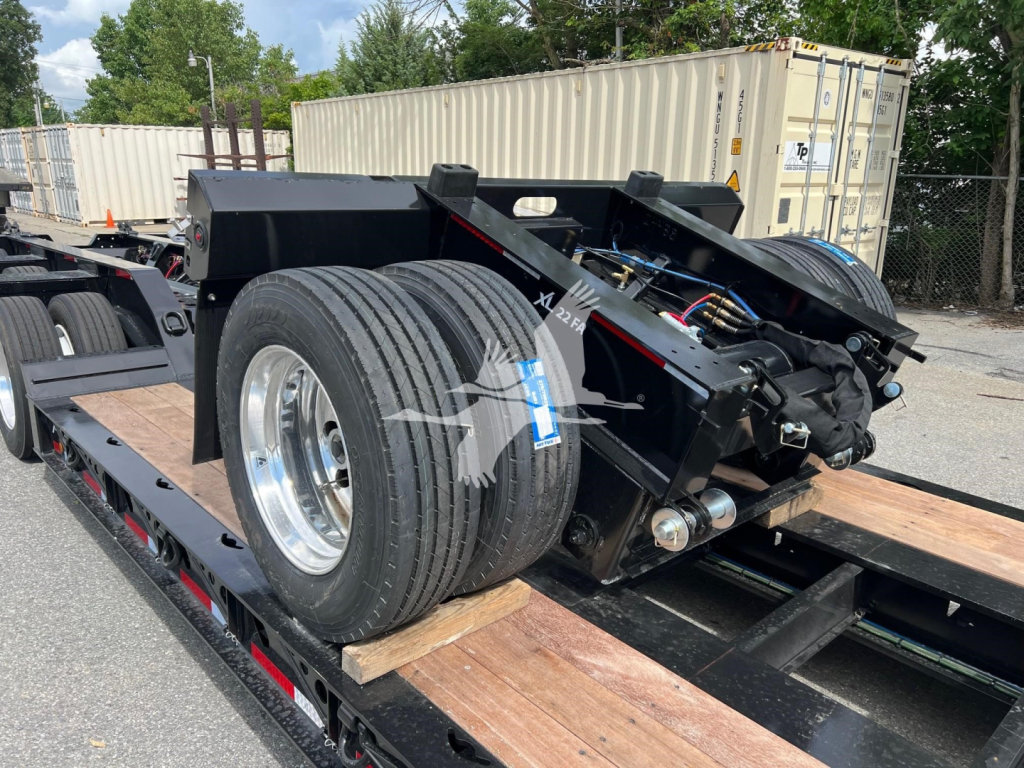
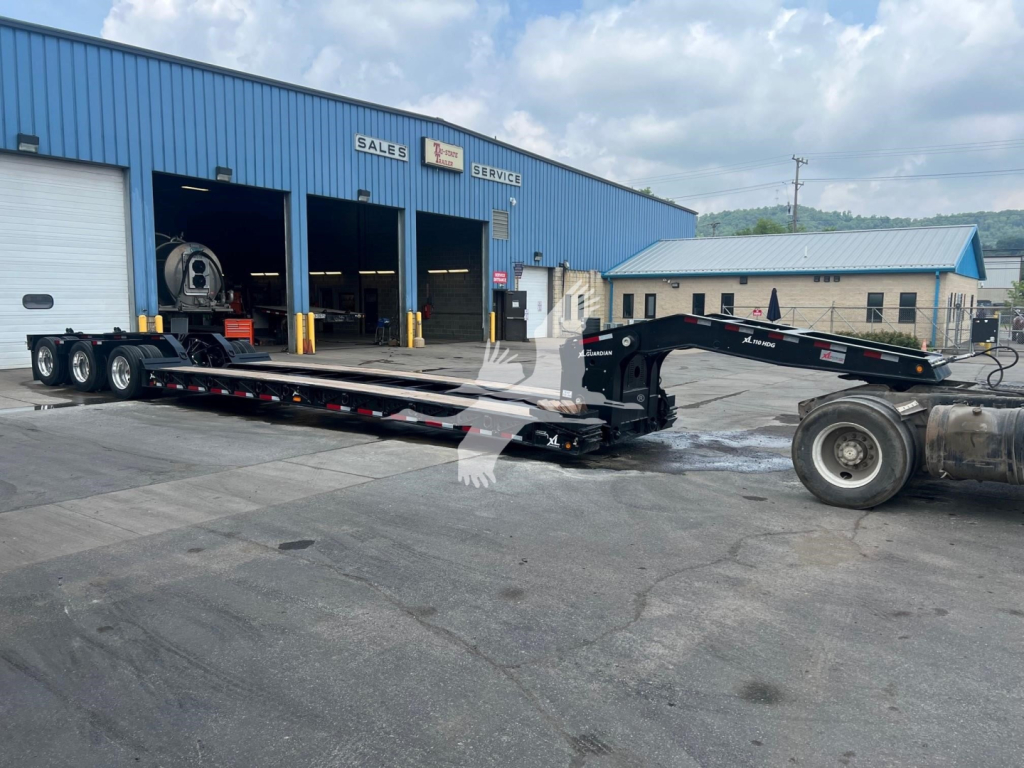
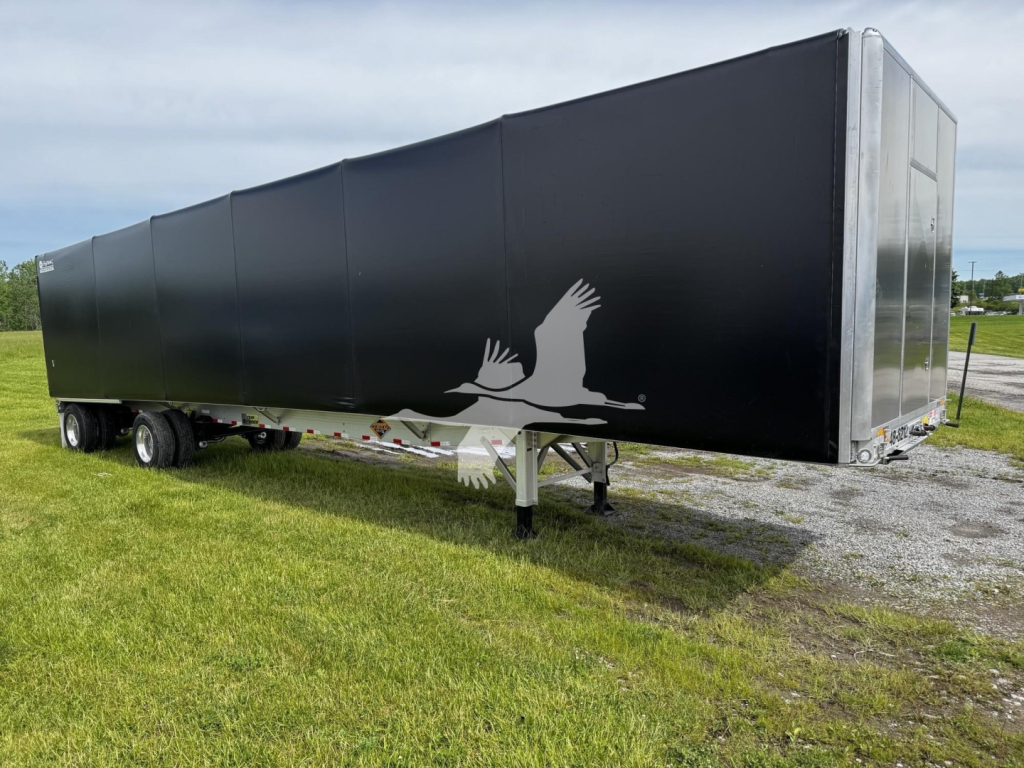
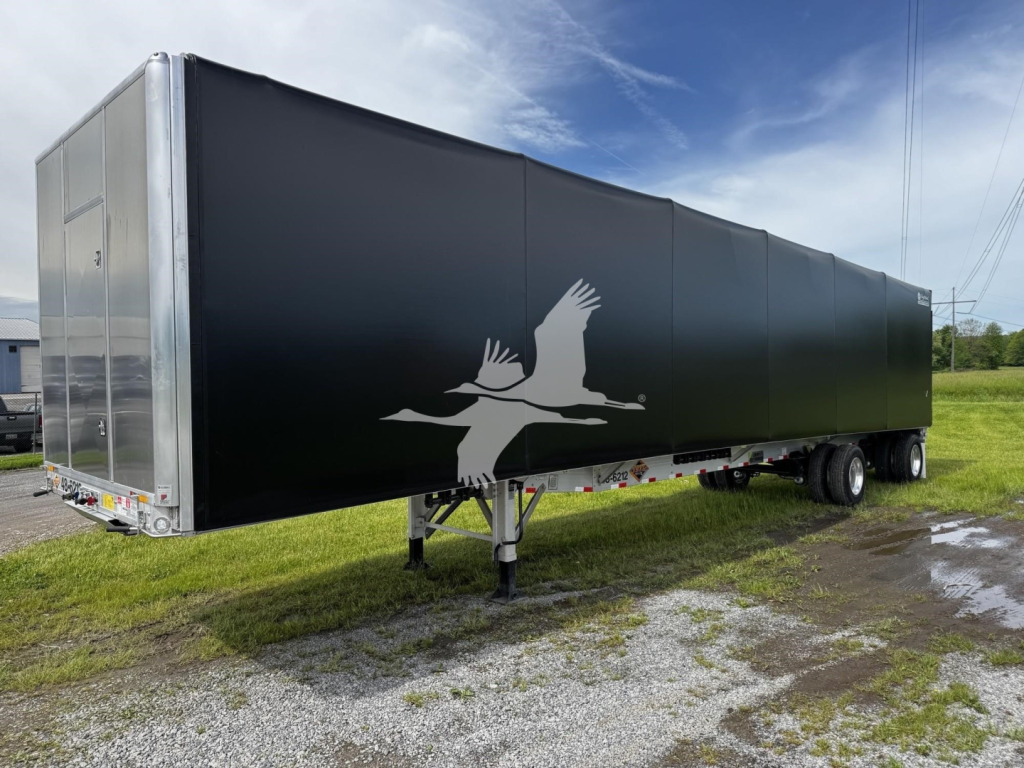
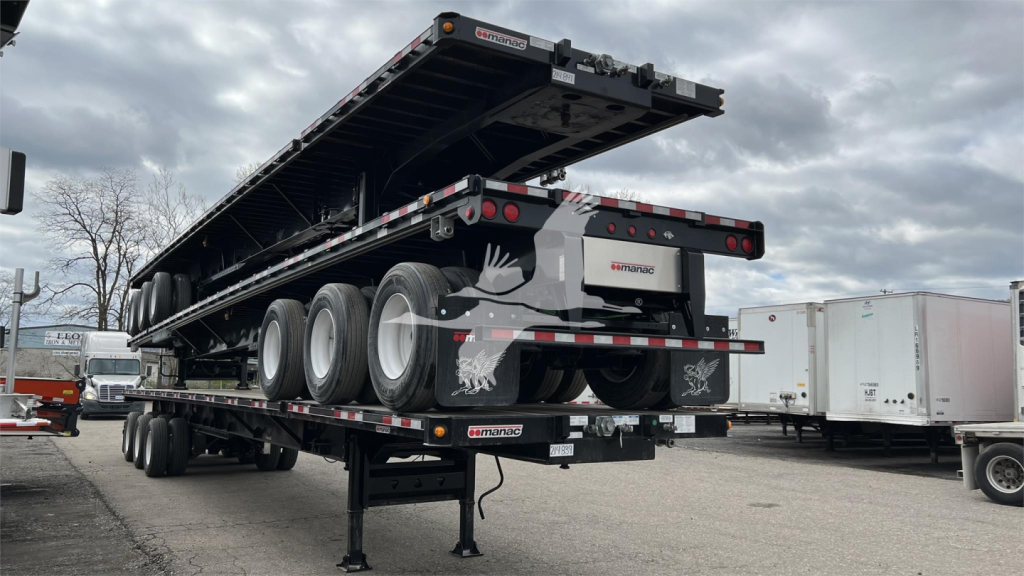
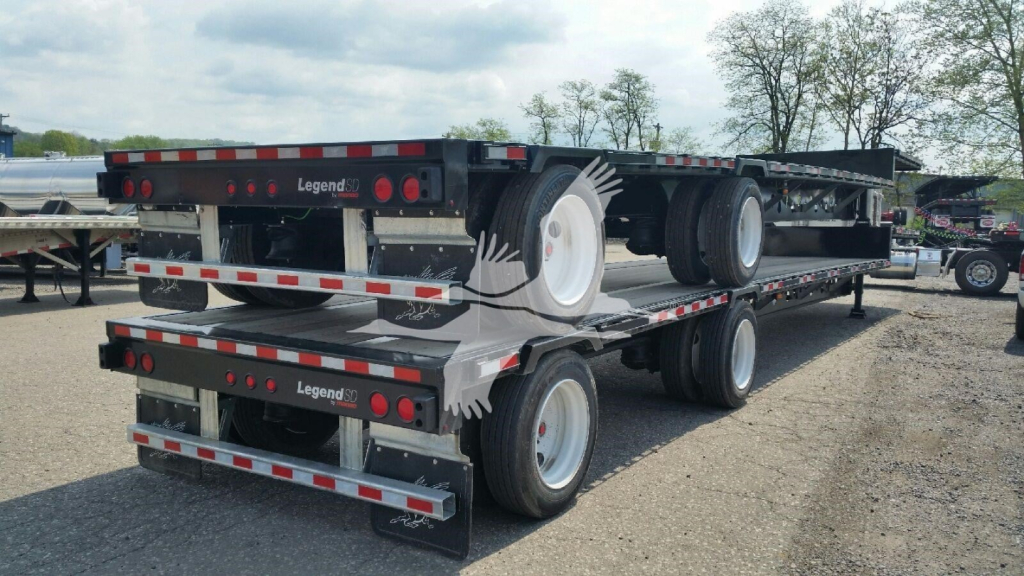
For open-deck trailers such as drop deck or expandable models, deck length, loaded deck height, axle placement, winch track layout, coil package, and bulkhead design are key buying points. Aluminum construction reduces tare weight, but buyers should still inspect the floor, side rail integrity, crossmembers, and concentrated load areas. Air-ride suspension is common on higher-spec units because it protects freight and improves ride quality, especially on mixed regional routes. If the trailer will handle steel, machinery, or palletized building products, tie-down hardware, nailing strips, pipe spools, and sliding winches can make a meaningful difference in day-to-day usability.
Tank trailers require a different level of scrutiny. Capacity, compartment layout, barrel material, discharge system, vapor recovery, overfill equipment, emergency valves, and current test dates all need to match the product being hauled. For petroleum service, MC code, sump configuration, hose tube layout, and valve cabinet arrangement can affect both compliance and loading efficiency. In any used Pennsylvania trailer market, condition is more than model year. Inspection status, brake and tire percentages, suspension brand, wheel material, and evidence of consistent maintenance usually tell the real story. Buyers who focus on application fit, structural condition, and serviceability will narrow the field faster and avoid expensive surprises after the trailer goes to work.
Frequently Asked Questions about Used 2026 Trailers in Pennsylvania
What should I check first when buying a used trailer in Pennsylvania?
Start with the trailer’s intended application, then verify the structural and running gear condition. On most used trailers, the most important early checks are frame condition, floor wear, suspension type, axle alignment, brake life, tire percentage, and any visible corrosion from winter road exposure. Pennsylvania buyers should also confirm current inspection status, lighting function, and whether sliders, doors, valves, or landing gear operate correctly under load-ready conditions.
Are air-ride trailers better than spring ride for used trailer buyers?
Air-ride suspension is often preferred because it helps protect freight, improves ride quality, and is common on higher-spec van, tank, and open-deck trailers. That said, the better choice depends on the application and maintenance history. A well-maintained spring ride trailer can still be a solid value for certain operations, but air-ride usually brings better versatility for mixed freight and can be more attractive at resale if the suspension components and air system are in good condition.
What specs matter most on a used dry van trailer?
Length, width, interior height, door opening, tandem setting, floor thickness, side construction, scuff liners, logistics posts, and roof condition are all important on a dry van. Buyers should also check kingpin setting, crossmember spacing, rear frame integrity, dock bumper condition, and signs of water intrusion. These details affect loading compatibility, dock use, maintenance cost, and how well the trailer fits common 53-foot freight lanes.
What is most important when evaluating a used tank trailer?
Product compatibility and compliance come first on a tank trailer. Buyers should confirm the MC code, capacity, compartment sizes, barrel condition, piping material, emergency valve operation, vapor recovery setup, overfill protection system, and the dates for required tests and inspections. A tank trailer can look clean and still be a poor fit if the configuration does not match the commodity, terminal requirements, or current regulatory standards.
How do I compare used drop deck trailers effectively?
Focus on deck dimensions, loaded deck height, axle placement, suspension, concentrated load capacity, and securement equipment. Features such as winch tracks, sliding winches, pipe spools, coil packages, nailing strips, and bulkheads affect how many freight types the trailer can handle without modification. Also inspect the main deck, upper deck, side rails, and crossmembers for repairs or damage, since structural condition matters more than cosmetic appearance on a working drop deck.