
Used Reefer Trailers For Sale in Pennsylvania
Shop used reefer trailers for sale in Pennsylvania. Compare 53-foot refrigerated trailers, reefer units, floors, insulation, suspension, and specs.
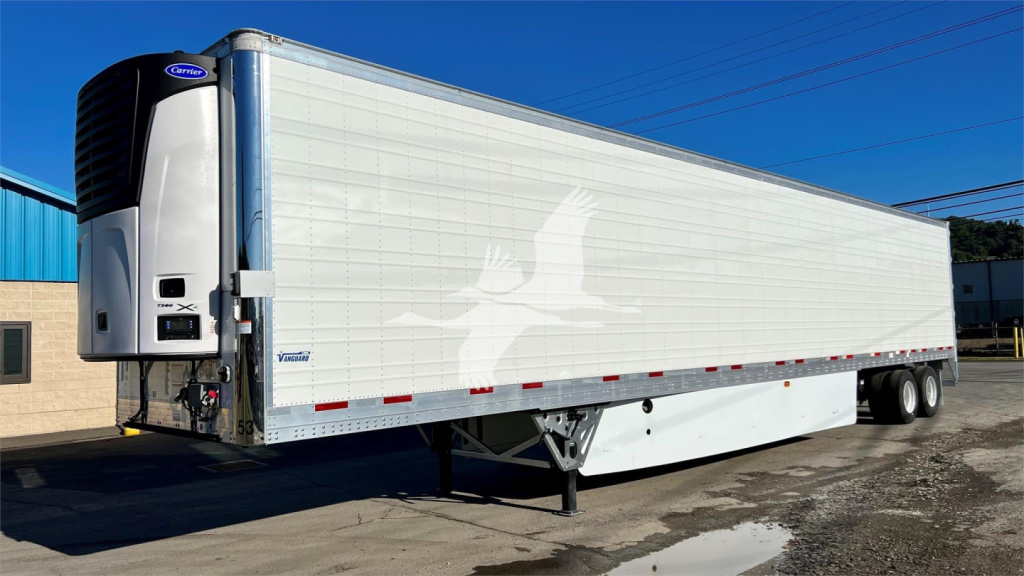
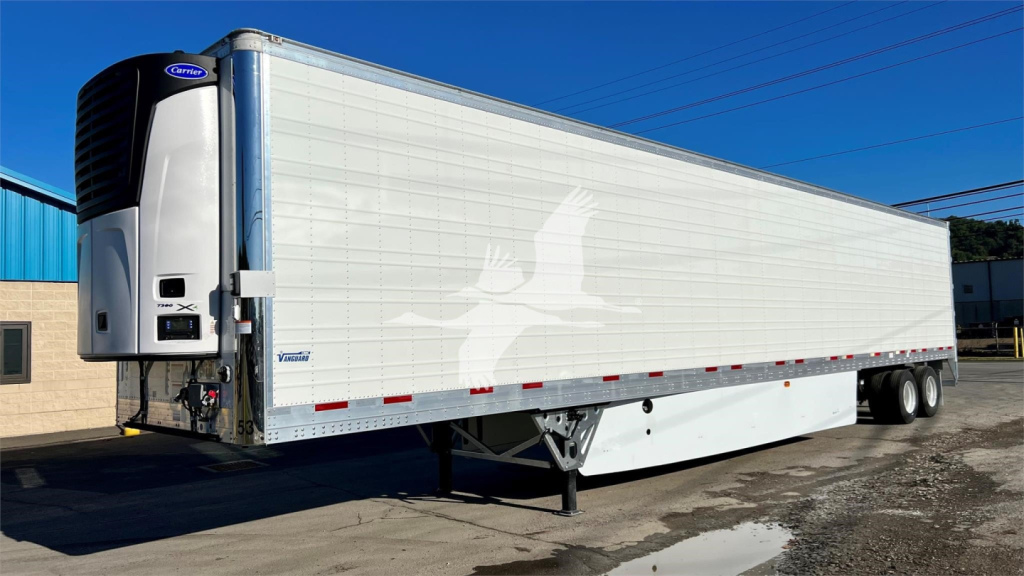
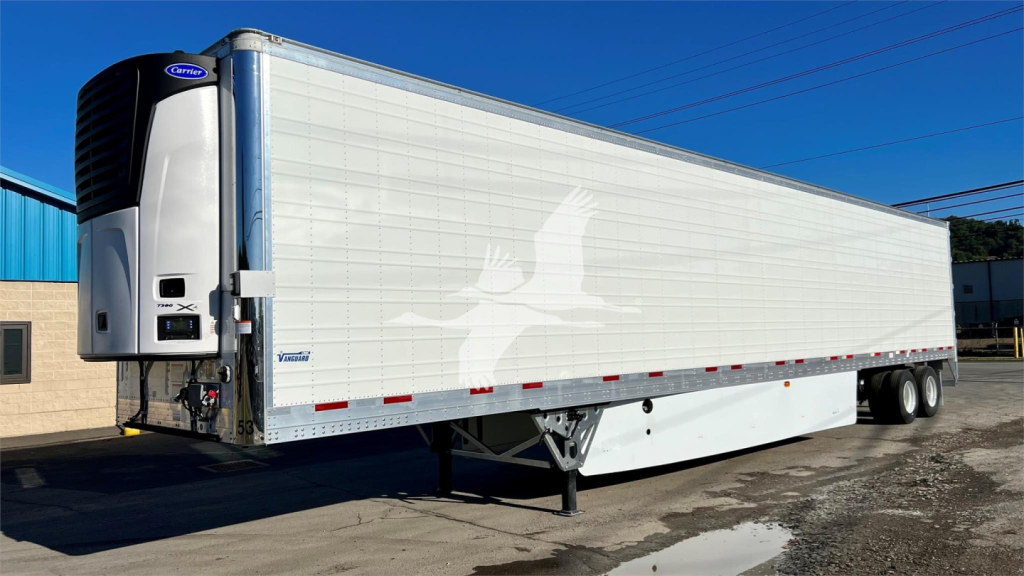
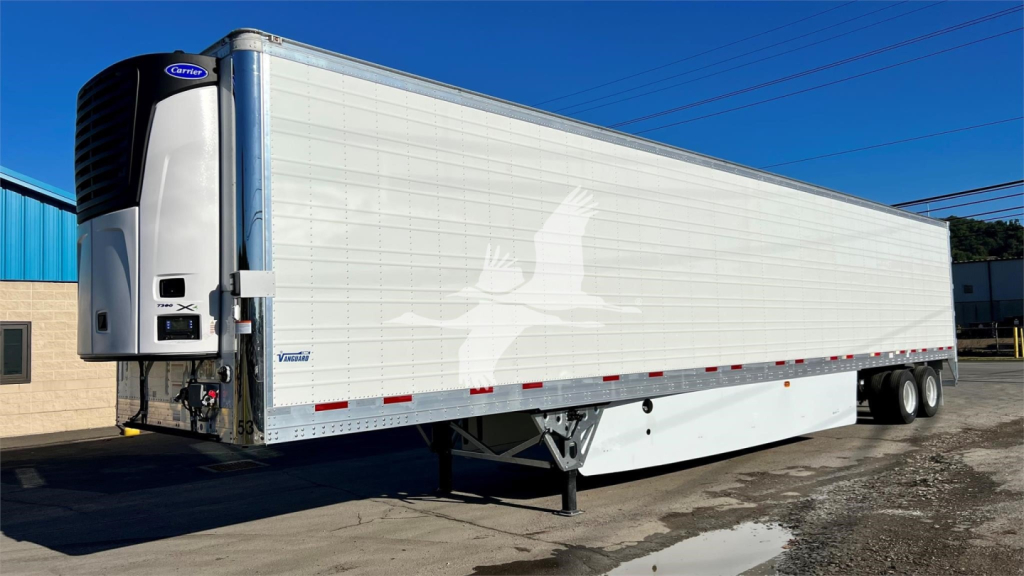
Selling a used reefer trailer? List your used reefer trailer for sale and reach thousands of commercial buyers.
Used Reefer Trailers in Pennsylvania
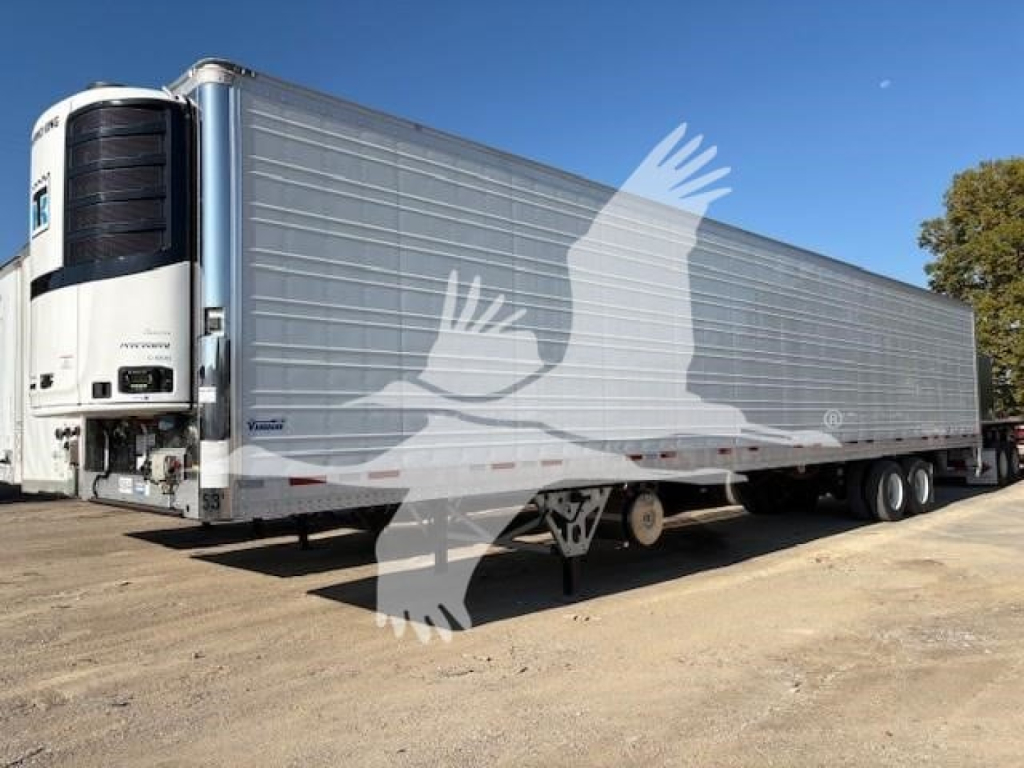
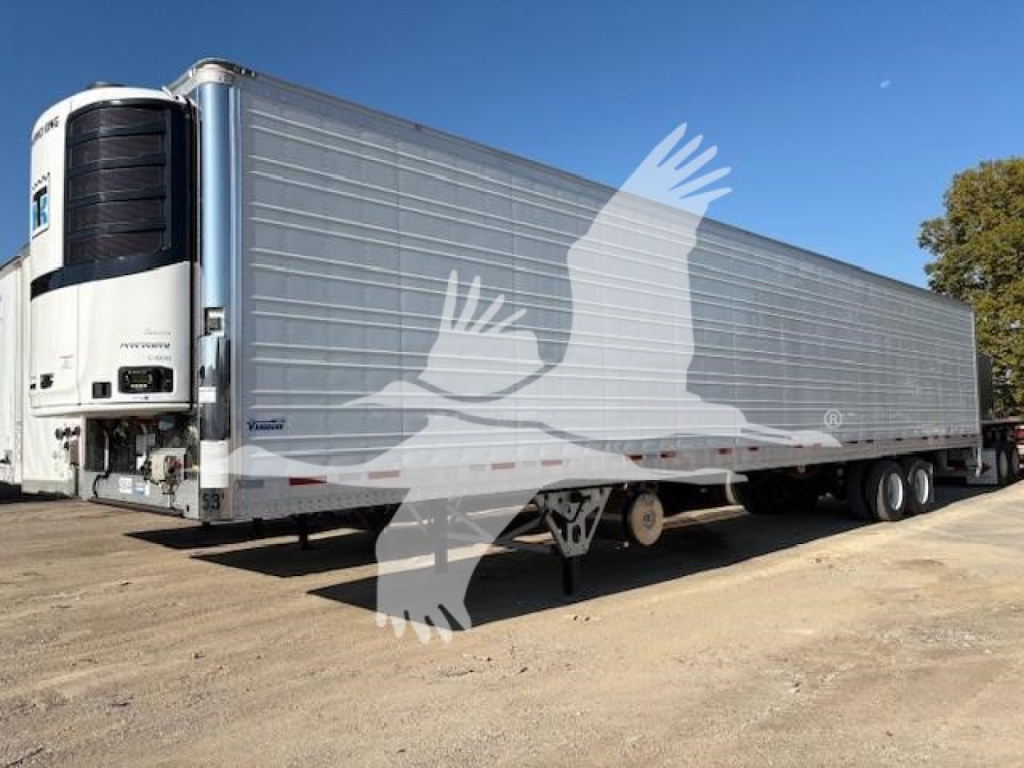
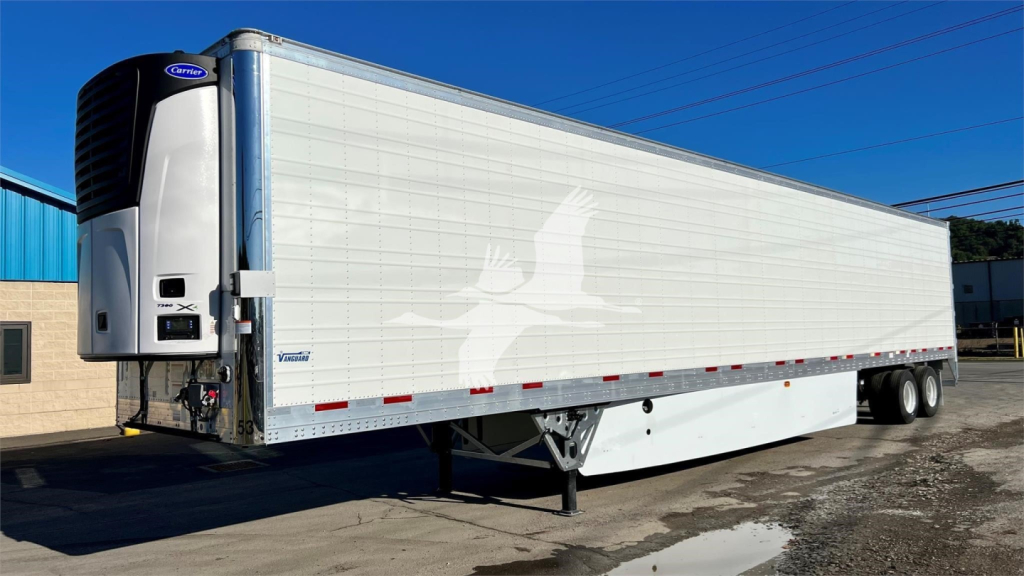
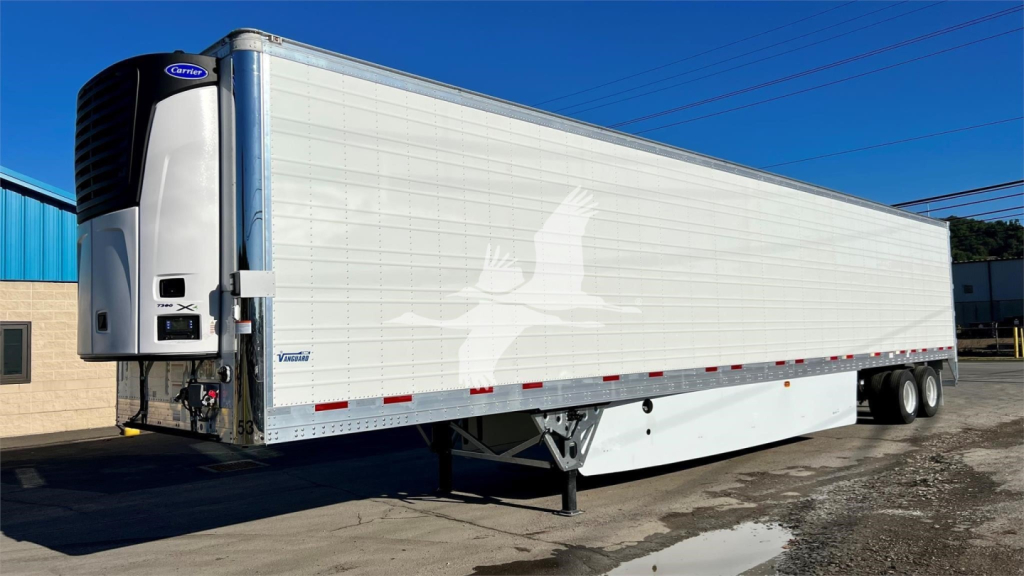
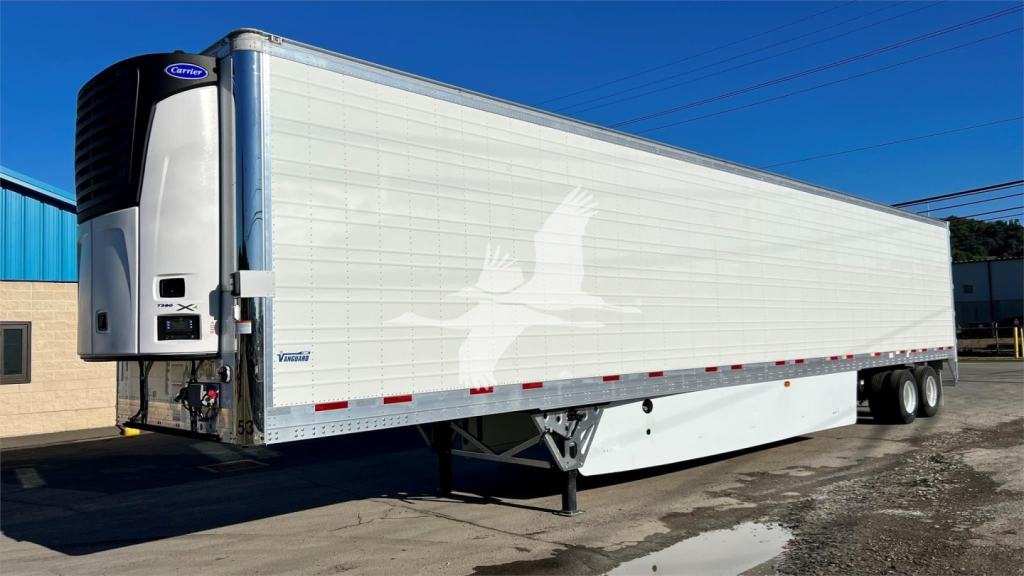
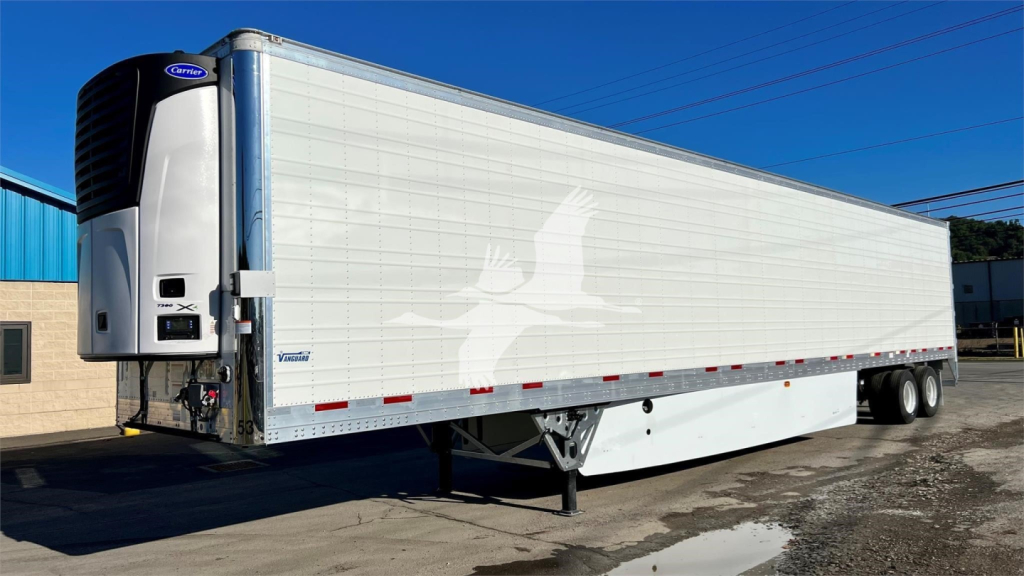
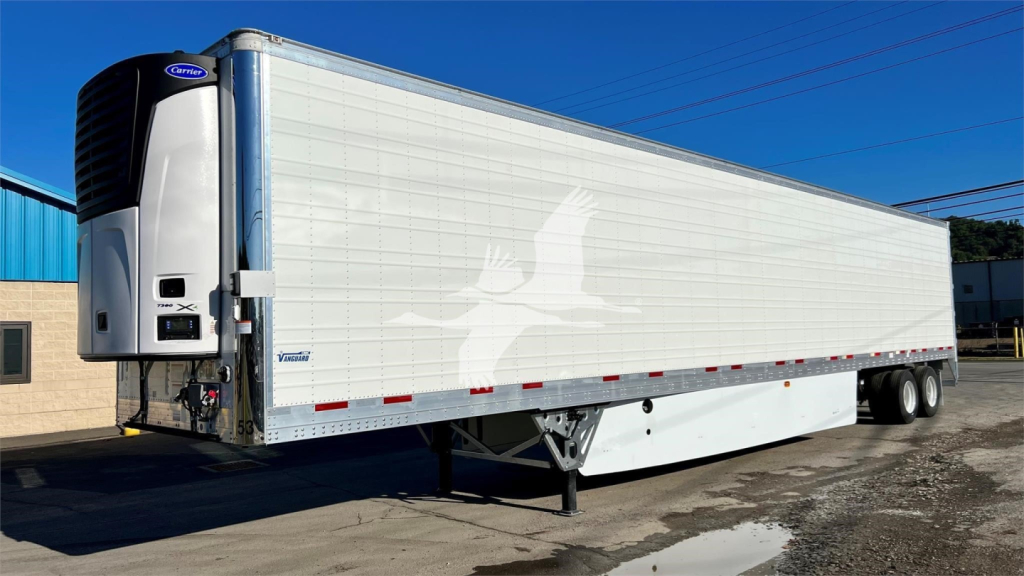
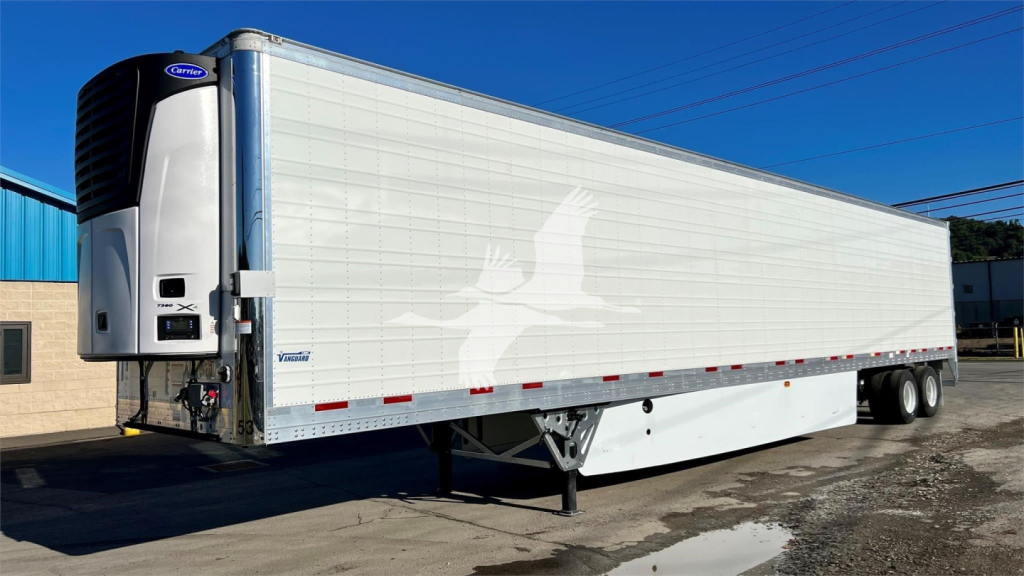
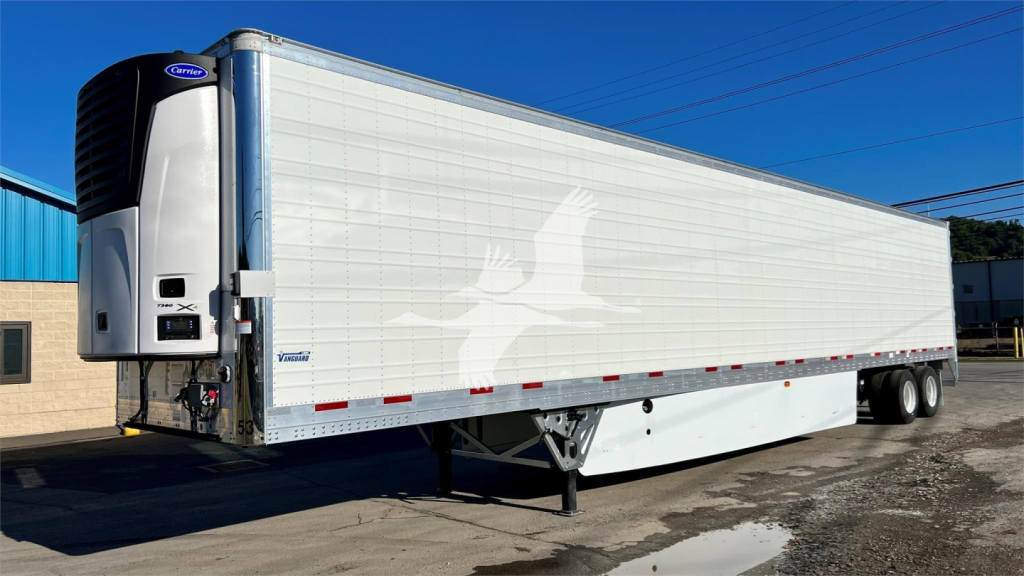
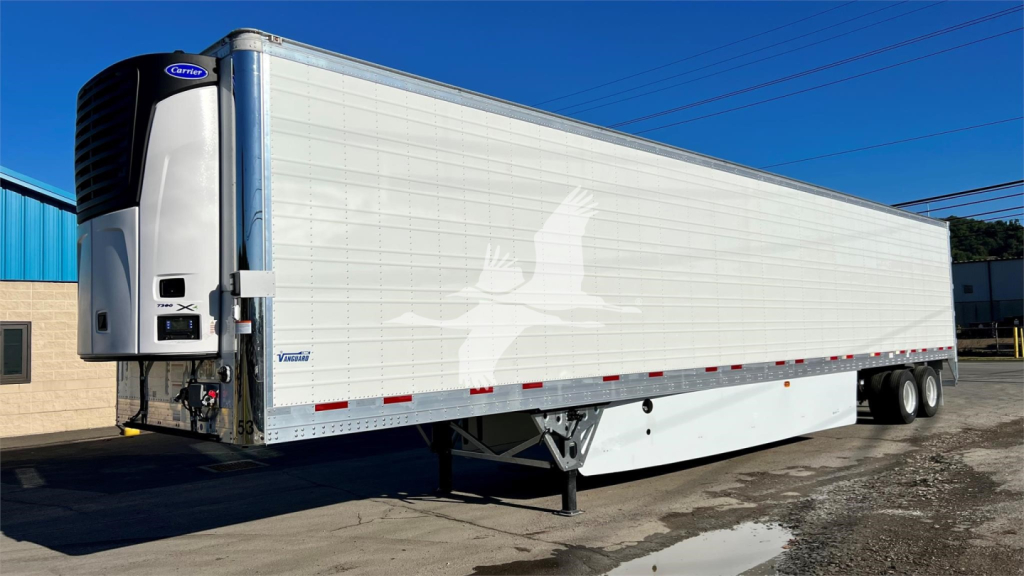
Trailer body construction matters just as much as the reefer unit. Common features in this category include duct floors for consistent air circulation, foamed-in-place insulation, aluminum roofs, stainless rear frames, and lined interior walls with scuff protection. Buyers moving frozen freight should pay close attention to floor condition, door seal integrity, air chute condition, and the air return bulkhead, since these components affect temperature recovery and product protection. Swing doors are still common, but some operators prefer roll-up doors for frequent urban deliveries, even though they can slightly reduce interior clearance and thermal efficiency.
In Pennsylvania, reefer buyers often need equipment that can handle a mix of regional grocery work, warehouse-to-distribution-center lanes, and Northeast seasonal swings. That makes practical specs important: 295/75R22.5 tires, 36-inch kingpin settings, 49-inch slider settings, two-speed landing gear, and tire inflation systems such as MTIS with ThermALERT are all worth noting when comparing listings. Side skirts can help fuel economy on longer runs, while galvanized or stainless rear structures hold up better in road salt and winter service. On used units, check the trailer floor for heavy forklift wear, inspect the lower front corners and rear frame for corrosion, and confirm the suspension, brakes, and slider assembly have been maintained.
A strong used reefer trailer should match the freight profile, not just the price point. High-cube interiors, door opening dimensions, insulation thickness, fuel tank capacity, and unit start-stop capability can all matter depending on lane length and commodity mix. If the trailer will be used for multi-stop grocery or LTL cold-chain work, interior condition and fast temperature pull-down are critical. If it is headed into longer haul dedicated service, reefer hours, fuel consumption, aero features, and structural condition usually carry more weight. The best comparison is a full operating-cost comparison that includes reefer service history, body condition, and expected compliance needs in the Northeast.
Frequently Asked Questions about Used Reefer Trailers in Pennsylvania
What should I check first on a used reefer trailer?
Start with the refrigeration unit, then move to the trailer body. Unit brand, model, engine hours, service records, and temperature performance are the first things to verify because they drive reliability and repair cost. After that, inspect the floor, insulation, door seals, air chute, air return bulkhead, suspension, brakes, and slider rails. A reefer trailer can look clean and still have expensive temperature-control or structural issues.
What size are most reefer trailers?
Most over-the-road reefer trailers on the used market are 53 feet long and 102 inches wide with tandem axles. Many are set up with air ride suspension, a sliding tandem around 49 inches, and a kingpin setting around 36 inches. Interior height and door opening dimensions can vary slightly by manufacturer, so those measurements should be confirmed if cube or pallet count is important to the operation.
Is a duct floor important on a refrigerated trailer?
Yes. A duct floor helps move cold air under the load and improves temperature consistency from the front of the trailer to the rear. This is especially important on frozen freight, tightly stacked loads, and multi-stop routes where doors are opened often. If the duct floor is badly worn, crushed, or blocked, airflow suffers and product temperature can become harder to control.
Which reefer unit is better, Carrier or Thermo King?
Both Carrier and Thermo King are widely used and both can be solid choices if properly maintained. The better buy usually comes down to service history, local dealer support, parts availability, and how the specific unit performs under load. In many fleets, the best decision is the one that fits existing shop familiarity and the service network on the lanes the trailer will run.
What matters most for reefer trailers in Pennsylvania and the Northeast?
Cold-weather durability, corrosion resistance, and compliance flexibility matter more in this region than buyers sometimes expect. Stainless rear frames, galvanized components, healthy door seals, good fuel system condition, and a sound suspension setup all help in winter operation. A sliding tandem and standard kingpin setting also matter for bridge laws and route flexibility across Pennsylvania and neighboring Northeast states.