
Used Utility Trailers For Sale in Pennsylvania
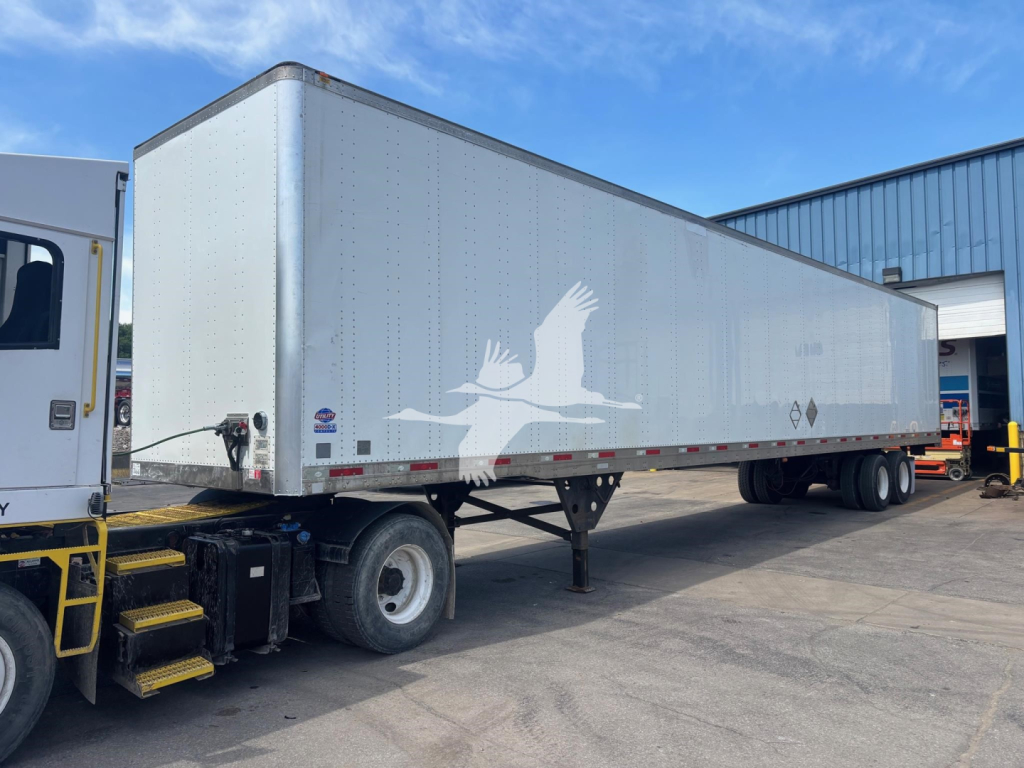
Browse used Utility trailers for sale in Pennsylvania, including dry van models with common specs like 53' lengths, sliders, and air ride.

Showing 1 to 28 of 32 results
Have used utility trailer to sell? List it here to reach thousands of buyers.
Used Utility Trailers in Pennsylvania
Utility is well known for building dry van trailers with practical, fleet-friendly designs. On used units, buyers typically pay close attention to suspension type, trailer weight, slider condition, floor wear, rear frame integrity, and door configuration. Swing doors remain common on van trailers used in dock freight, while roll doors may matter more in certain route applications. Plate van construction is a familiar spec in the market and is often chosen for durability in repeated loading cycles. A good used trailer should also be checked for roof condition, wall repairs, crossmember corrosion, landing gear wear, brake system condition, ABS function, and tire age, especially in a state like Pennsylvania where weather, road salt, and seasonal moisture can accelerate undercarriage deterioration.
The Pennsylvania market also makes axle spread, kingpin setting, and overall tare weight important buying points. A sliding tandem can give more flexibility when balancing legal weight and adapting to different shippers or receiver requirements. Air ride units are often preferred when freight protection and ride quality matter, while spring ride may appeal to buyers looking for simplicity and lower upfront cost. If the trailer will stay in regional service, it is worth looking at door seal condition, interior scuff protection, logistics post rows, and floor rating, because frequent multi-stop use tends to show up quickly in those areas.
For many buyers, the value of a used Utility trailer comes down to matching the trailer’s prior use and current condition to the freight lane. A dry van that spent its life in general palletized freight service may present differently than one used in heavy forklift loading every day. Maintenance records, prior fleet ownership, and evidence of regular brake, tire, and suspension service can matter as much as model year. Utility trailers remain a strong consideration for buyers who want a widely recognized van platform, broad parts support, and a trailer specification that fits mainstream dry freight operations.
Frequently Asked Questions about Used Utility Trailers in Pennsylvania
What should I inspect first on a used Utility dry van trailer?
Start with the structural and operating basics: floor condition, rear frame, crossmembers, roof, sidewalls, slider rails, suspension, brakes, tires, and landing gear. On a dry van, floor damage from forklifts and repeated heavy point loading can become an expensive repair, so floor rating and visible wear matter. In Pennsylvania, corrosion around the undercarriage, suspension mounts, and rear impact area deserves extra attention because road salt and wet conditions can shorten component life.
Are air ride or spring ride Utility trailers better for used buyers?
Air ride is often preferred for ride quality, freight protection, and general fleet acceptance, especially in higher-value or damage-sensitive freight. Spring ride can still be a practical choice for buyers who want mechanical simplicity and a lower acquisition cost. The right choice depends on cargo type, lane demands, and maintenance priorities more than brand alone. On a used trailer, actual condition of the suspension system matters more than the original spec sheet.
Why is a sliding tandem important on a 53-foot Utility van?
A tandem slider gives the operator flexibility to meet bridge-law requirements, improve axle weight distribution, and adapt to different loading patterns or customer yards. That matters in regional freight and in states where legal compliance and maneuverability are constant concerns. On a used trailer, buyers should check slider operation, locking pin engagement, rail wear, and signs of damage from improper movement or lack of maintenance.
What is a plate van trailer?
Plate van generally refers to dry van construction that uses plated sidewall design rather than a translucent sheet-and-post style common on some other trailers. Buyers often associate plate vans with durability and a clean exterior profile for standard dry freight service. The exact build details can vary by model year and spec, so it is smart to confirm wall construction, repair history, and interior lining or scuff protection on any used unit.
What matters most when buying a used Utility trailer in Pennsylvania?
Condition, corrosion exposure, and spec fit are usually the biggest factors. Pennsylvania buyers should pay close attention to underbody rust, brake and ABS condition, tire age, door sealing, and any evidence of water intrusion. Beyond that, make sure the trailer matches the job: suspension type, tandem setup, kingpin setting, interior logistics features, and overall empty weight all affect how well the trailer will perform in local, regional, or over-the-road freight.