
Used Utility Van Trailers For Sale in Pennsylvania
Shop used Utility van trailers in Pennsylvania. Compare 53-foot dry vans, slider tandems, air ride specs, door style, flooring, and condition.
Have used utility van trailer to sell? List it here to reach thousands of buyers.
Used Utility Van Trailers in Pennsylvania
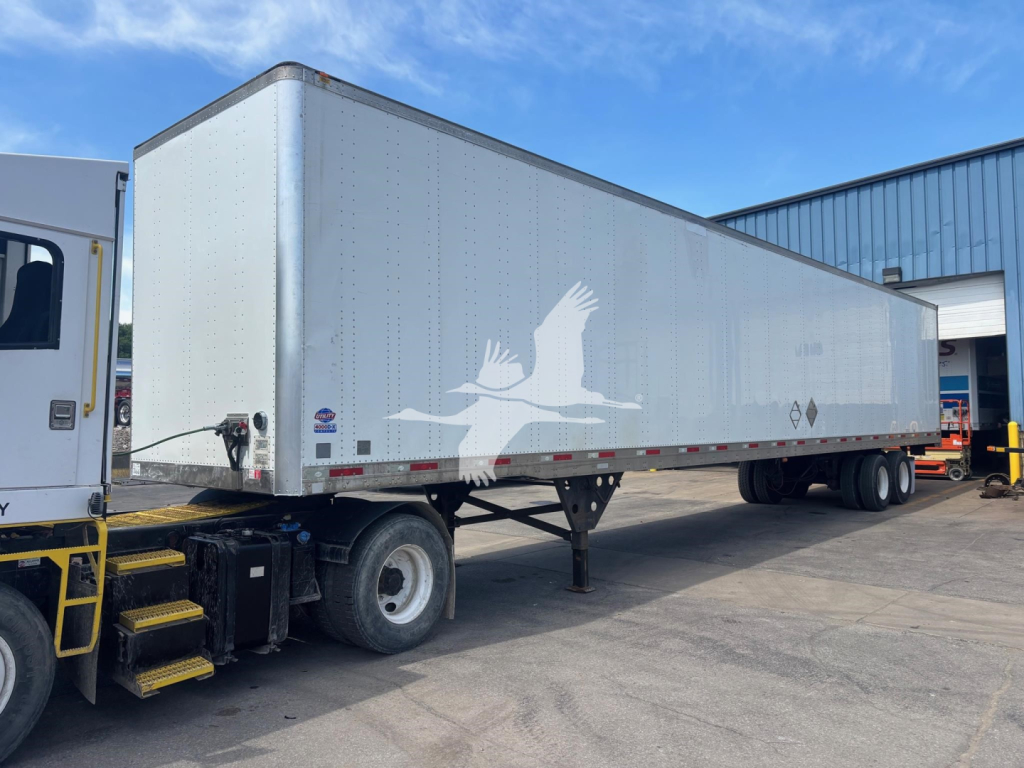
A typical used Utility van trailer in this category will be a 53-foot dry van with tandem axles, a 49-inch sliding tandem, and either air ride or spring ride suspension. Air ride is usually preferred for higher-value or damage-sensitive freight because it helps reduce shock transfer, while spring ride can still make sense for basic dry goods and lower-cost fleet applications. Common construction details include aluminum roof skins, smooth aluminum side panels, wood floors, steel threshold plates, stainless rear frames, and swing rear doors. Buyers should also look at inside height, door opening dimensions, kingpin setting, crossmember spacing, and the condition of the landing gear, rear frame, and bumper, since those items affect loading compatibility and long-term maintenance cost.
Condition matters more than age alone on a used van trailer. Floor wear from forklifts, roof leaks, sidewall repairs, scuff liner damage, and rear door alignment can tell you more than the model year. On Utility trailers, it is also smart to inspect the slider rail area for wear, check suspension components and axle alignment, and review tire and brake remaining life as immediate operating costs. Logistic post layouts, plastic or composite side liners, and steel scuff protection are valuable if the trailer will handle mixed LTL, grocery, or multi-stop freight where interior wall contact is common.
For Pennsylvania buyers, corrosion exposure and regional use history are worth close attention. Winter road treatment can accelerate rust at the rear frame, crossmembers, support gear, and wheel ends, especially on older units. A clean used Utility van with a solid floor, dry roof, straight frame, and a properly operating tandem slider can be a dependable freight box for years. If the trailer will stay in dock-to-dock service, focus on structure and door seal integrity. If it will run long highway miles, pay closer attention to suspension type, tire size, brake condition, and underbody wear. Utility’s 4000-series dry vans are especially well known in fleet service because they balance payload efficiency, repairability, and broad market acceptance.
Frequently Asked Questions about Used Utility Van Trailers in Pennsylvania
What should I inspect first on a used Utility van trailer?
Start with the floor, roof, rear frame, and tandem slider. A dry van can look decent outside and still have expensive structural or operational issues underneath. Check for soft or patched floor sections, roof leaks, misaligned swing doors, cracked or bent rear frame components, and excessive wear around the slider rails and locking pin areas. Then review tire condition, brake percentage, suspension wear, and signs of corrosion on crossmembers and landing gear.
Are Utility van trailers typically air ride or spring ride?
Both are found on the used market, but air ride is very common on later-model Utility dry vans and is usually preferred for general freight and retail freight because it offers a smoother ride. Spring ride may appear more often on older or more basic units and can still work well for standard dry goods. The best choice depends on cargo sensitivity, maintenance preference, and how heavily the trailer will be used on rough regional roads versus longer highway runs.
What size is a typical Utility dry van trailer?
The standard configuration is usually 53 feet long, 102 inches wide, and 13 feet 6 inches tall overall. Many have an inside width near 101 inches and inside height around 110 inches, though exact dimensions vary by model and specification. Buyers should confirm door opening height, kingpin setting, and tandem location because those details affect dock fit, cube, bridge compliance, and how the trailer pairs with specific tractors.
Why is a sliding tandem important on a used van trailer?
A sliding tandem gives the operator flexibility in axle placement for bridge-law compliance, weight distribution, and turning characteristics. A 49-inch slider is a common spec on fleet dry vans because it supports different lane and customer requirements. On a used trailer, make sure the slider moves correctly, the pins engage fully, and the rail area is not excessively worn or damaged, since tandem repairs can become costly if neglected.
What makes a used Utility van trailer a good fit for Pennsylvania operations?
Utility dry vans fit Pennsylvania freight well because they are commonly spec'd for regional and interstate van service, with readily understood dimensions, widespread parts availability, and strong acceptance in dock environments. For this market, the best units usually have a sound floor, watertight roof, clean rear door seals, and manageable corrosion levels. Given the state's winter road conditions, buyers should pay special attention to rust at the underframe, wheel ends, rear structure, and support gear.