
Used Drop Deck Trailers For Sale in Pennsylvania
Browse used drop deck trailers in Pennsylvania. Compare deck height, axle setup, tie-down options, flooring, suspension, and weight specs.
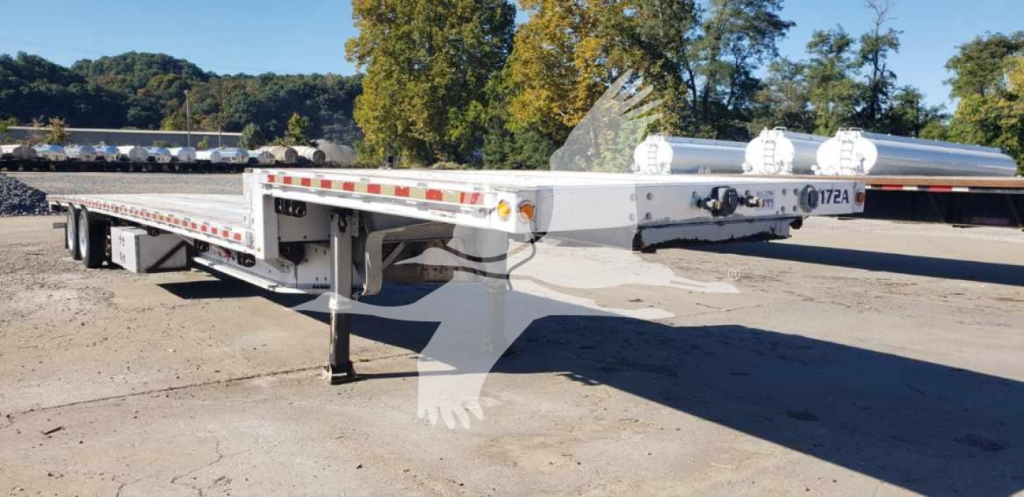
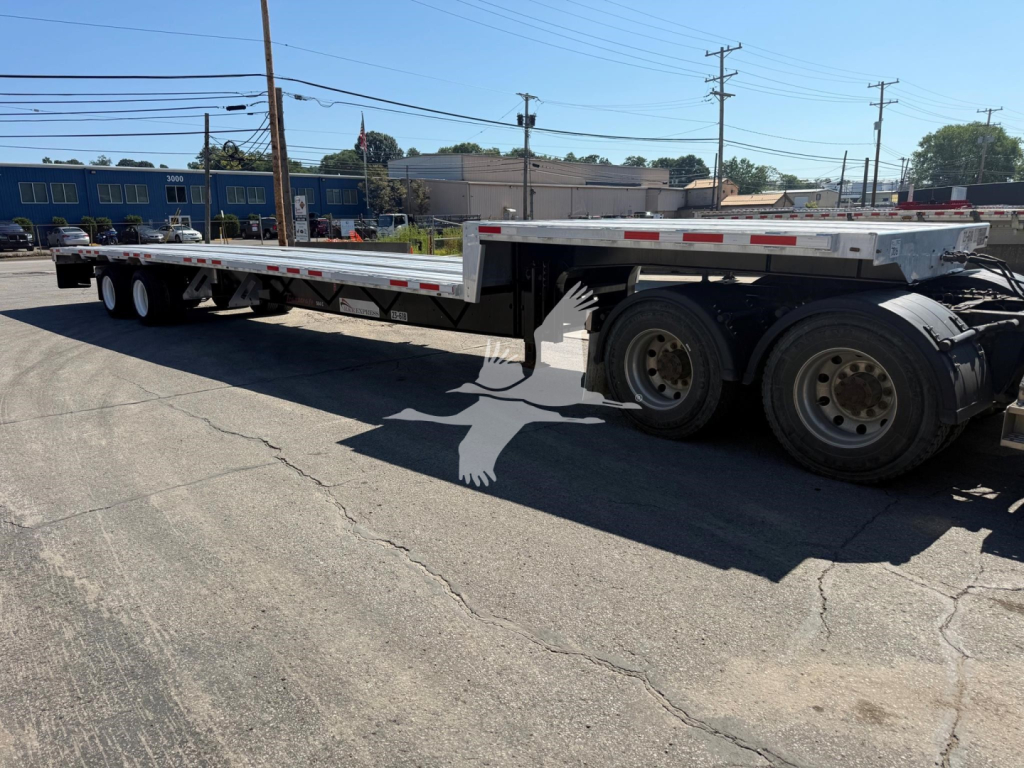
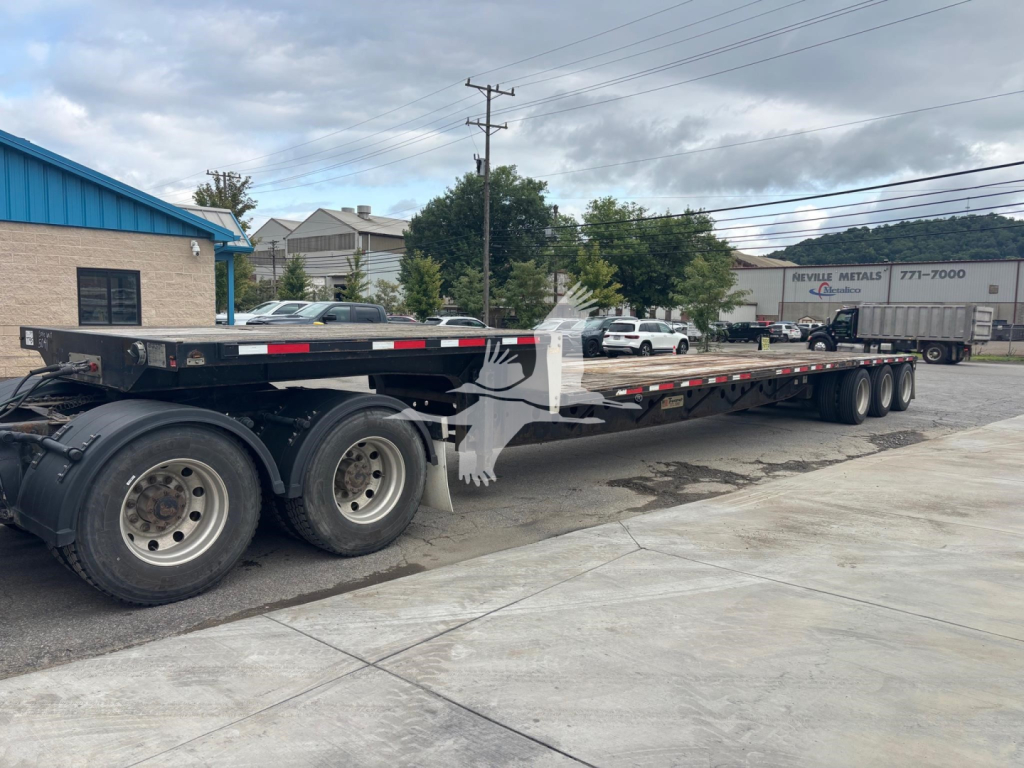
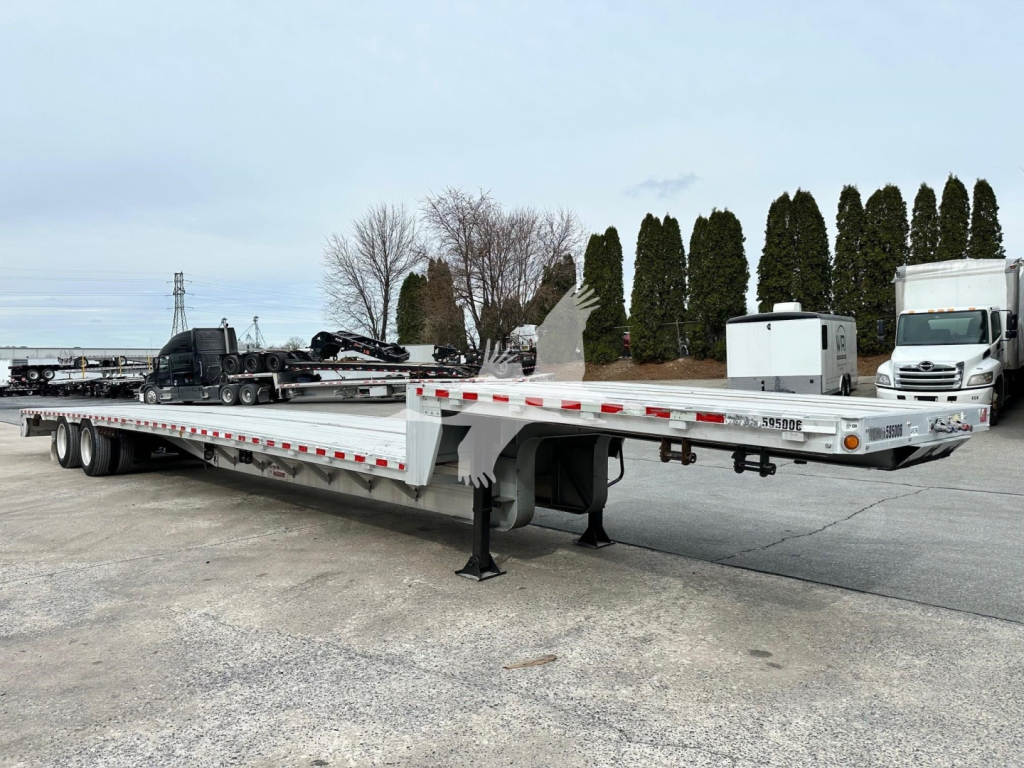
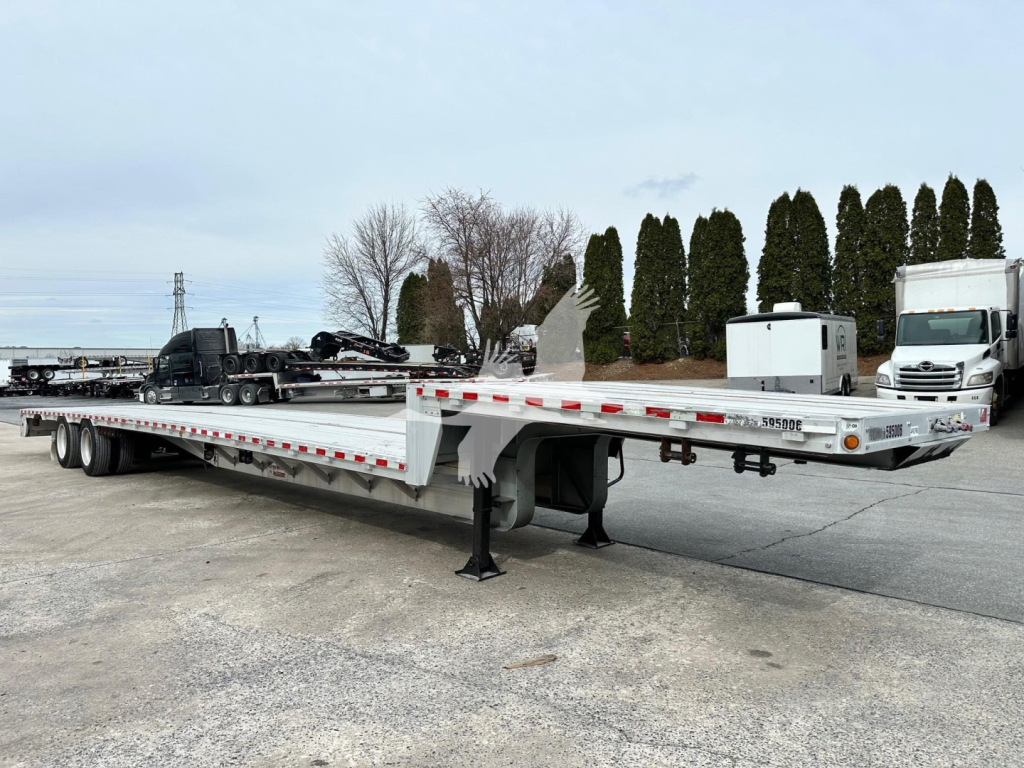
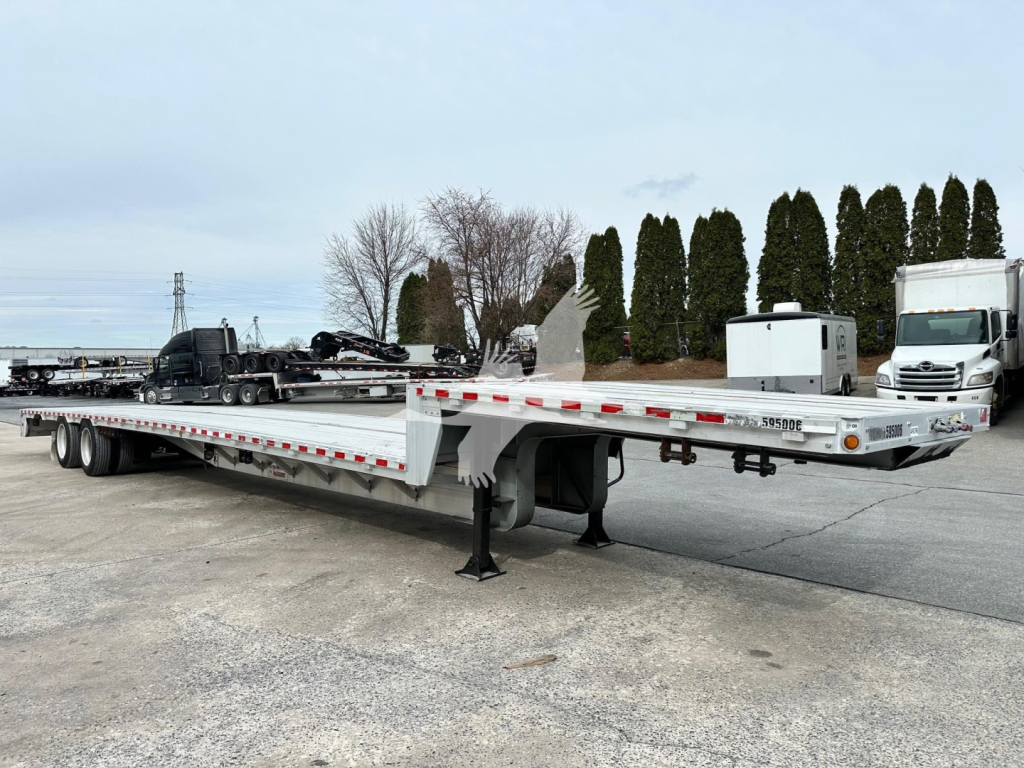
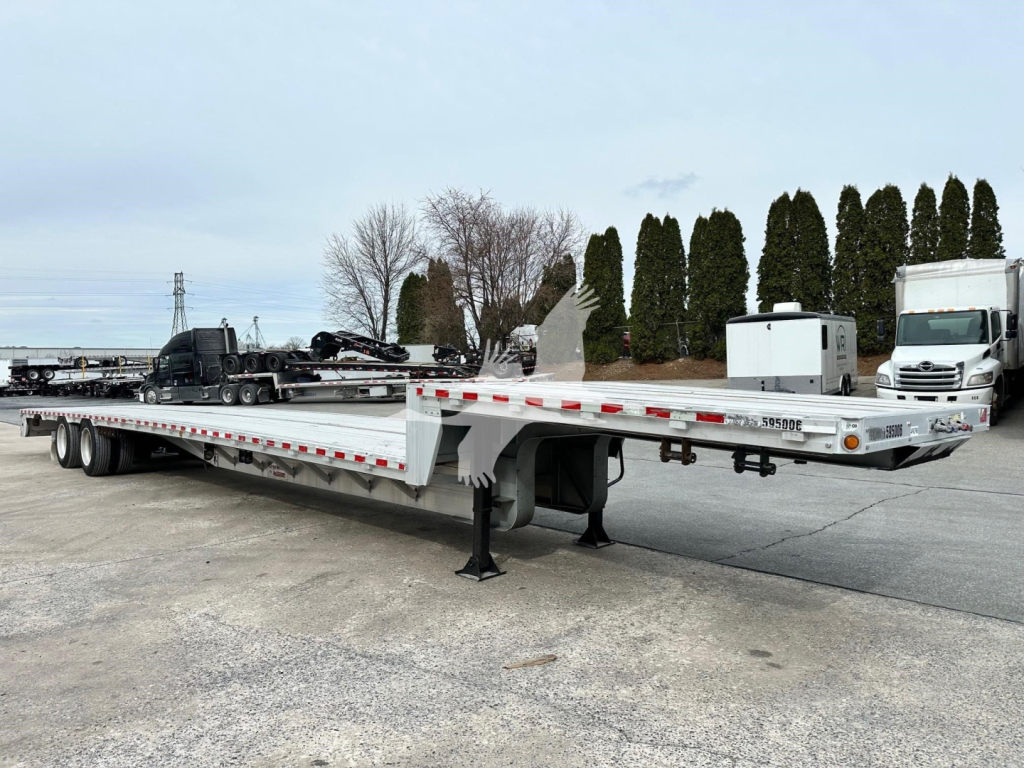
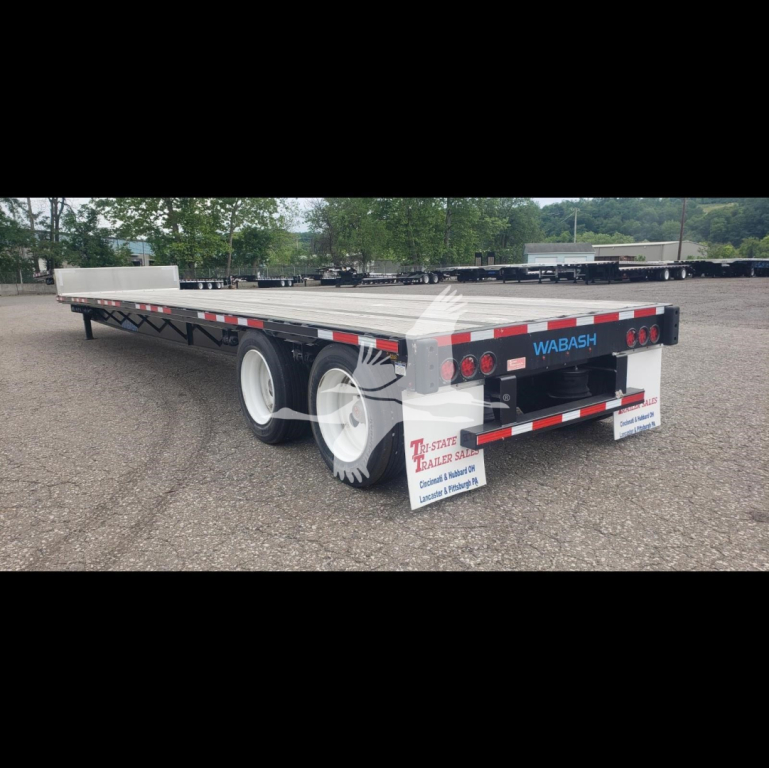
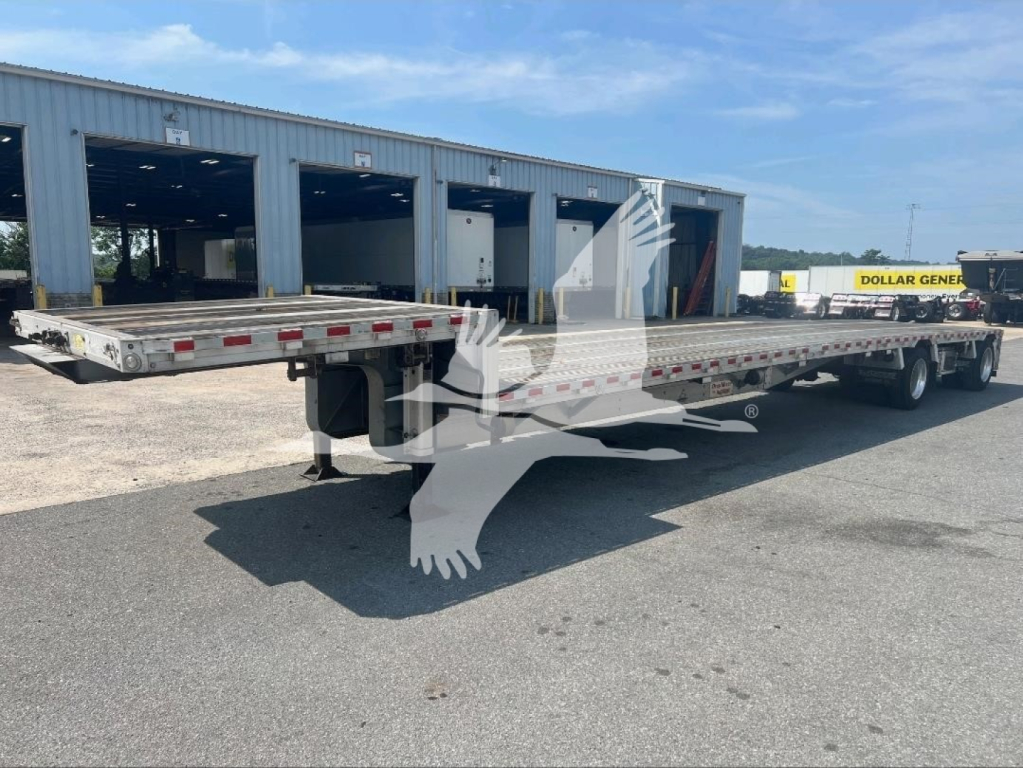
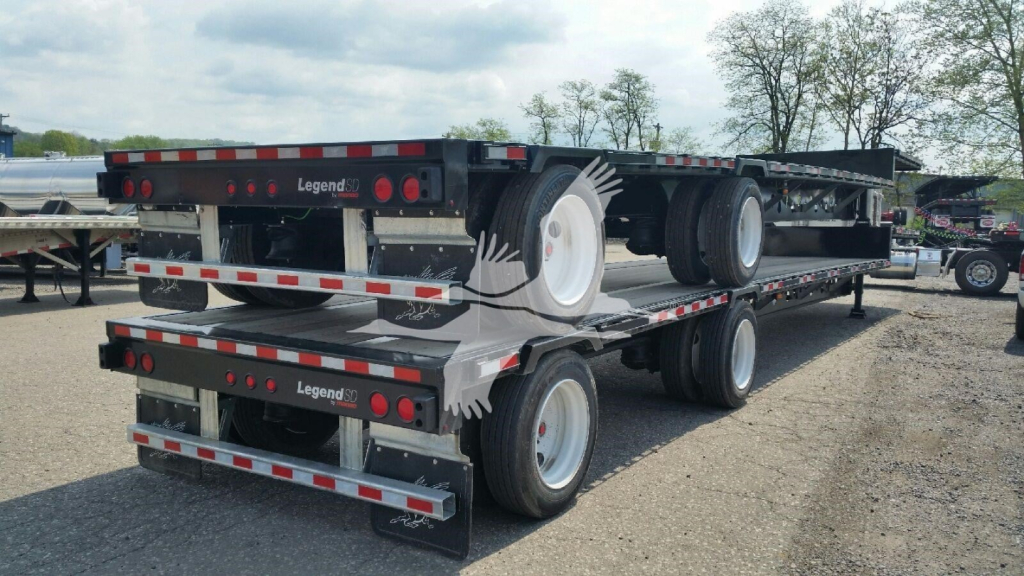
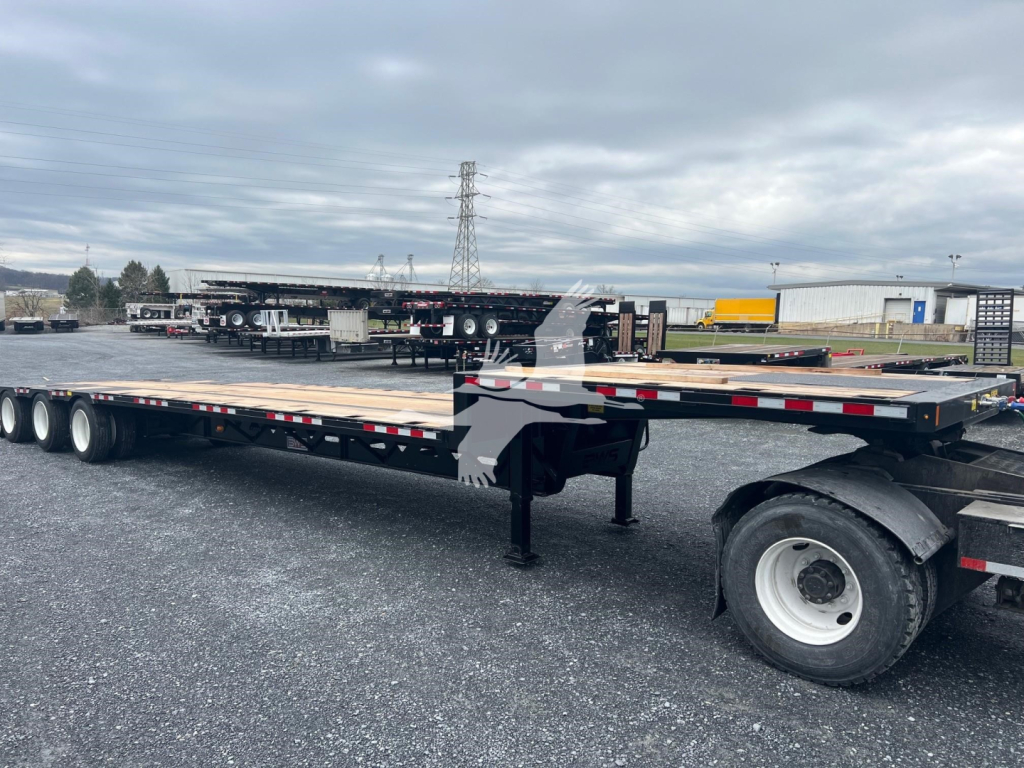
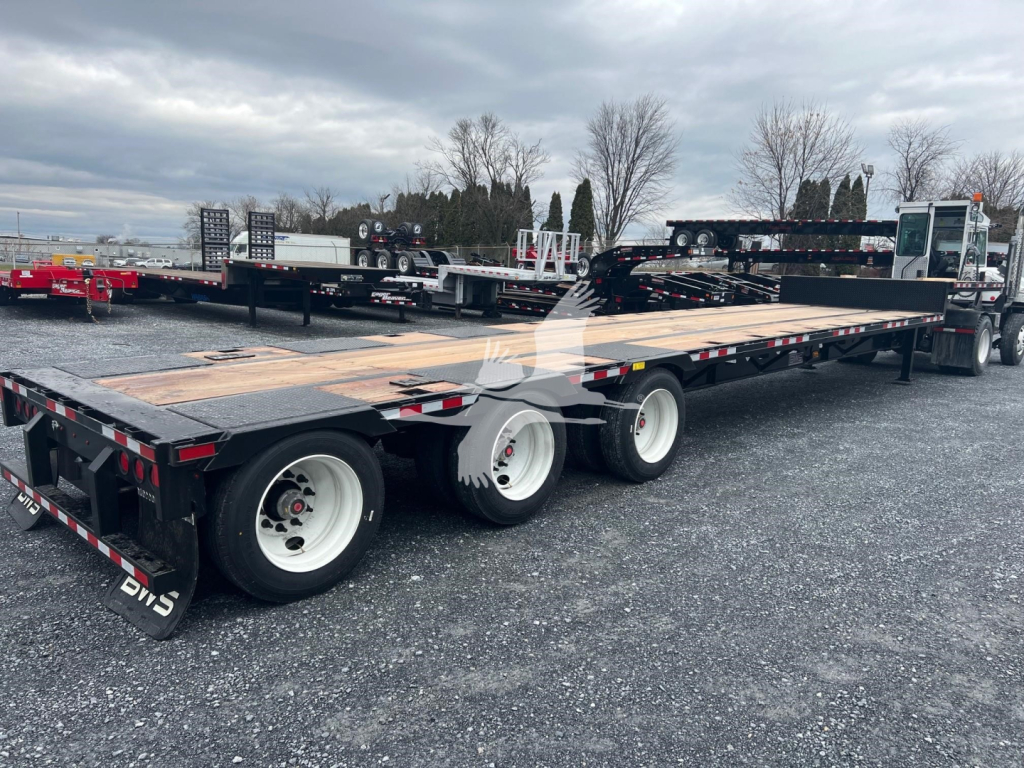
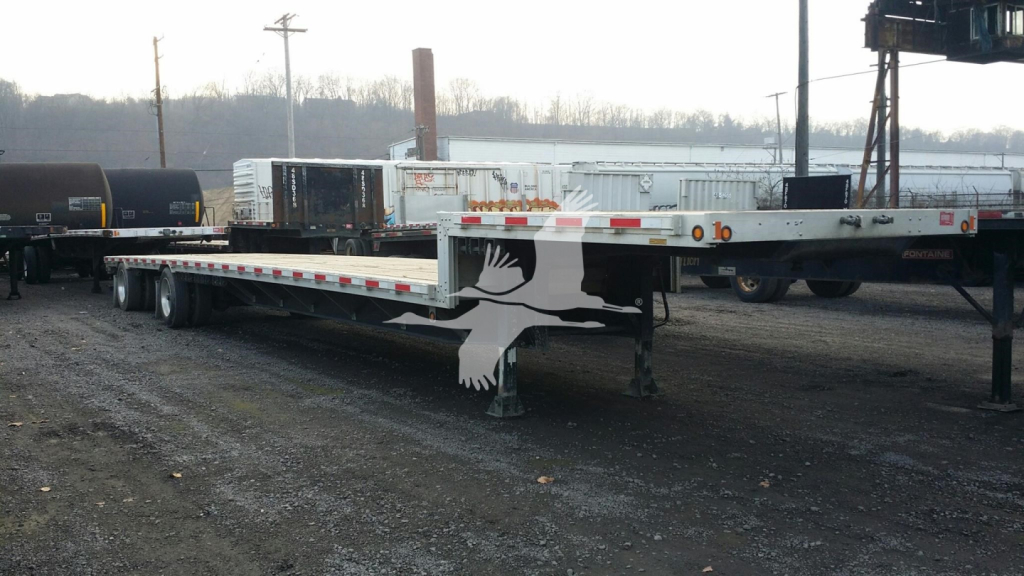
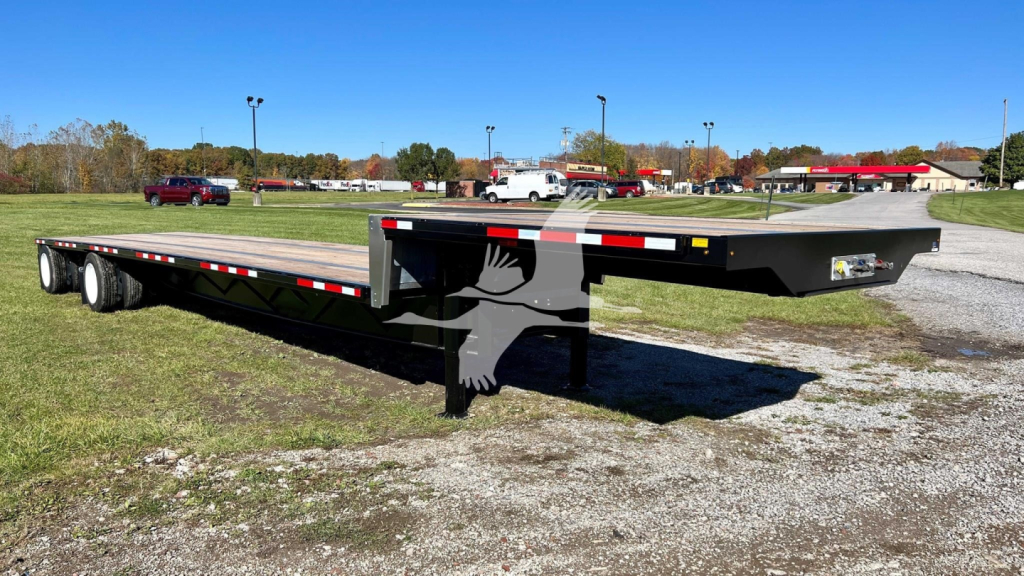
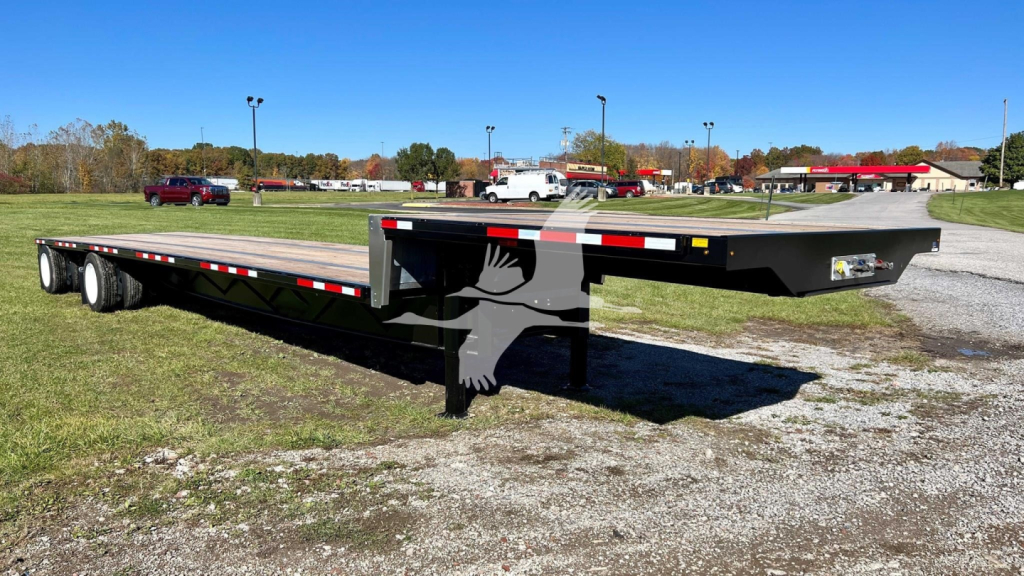
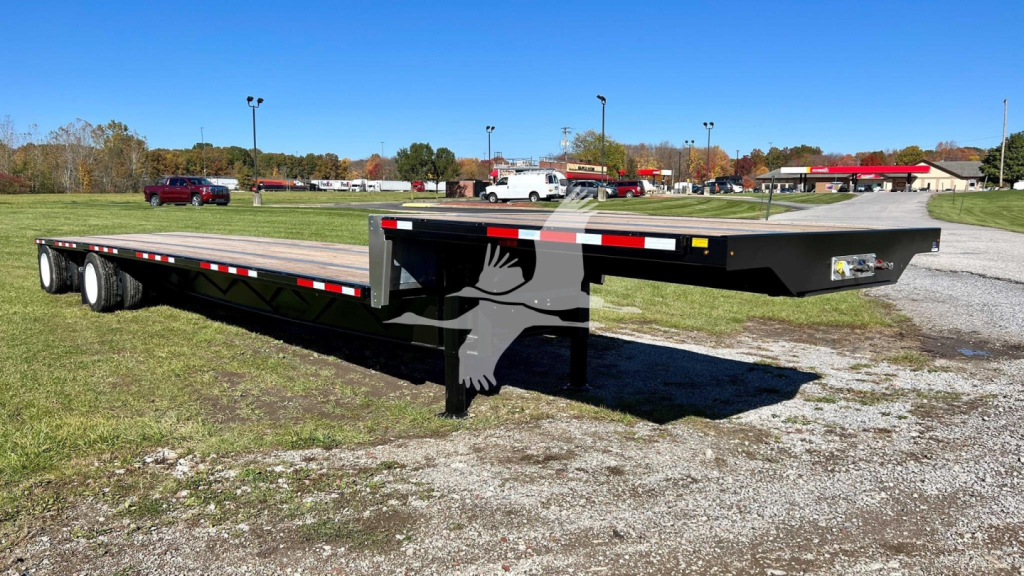
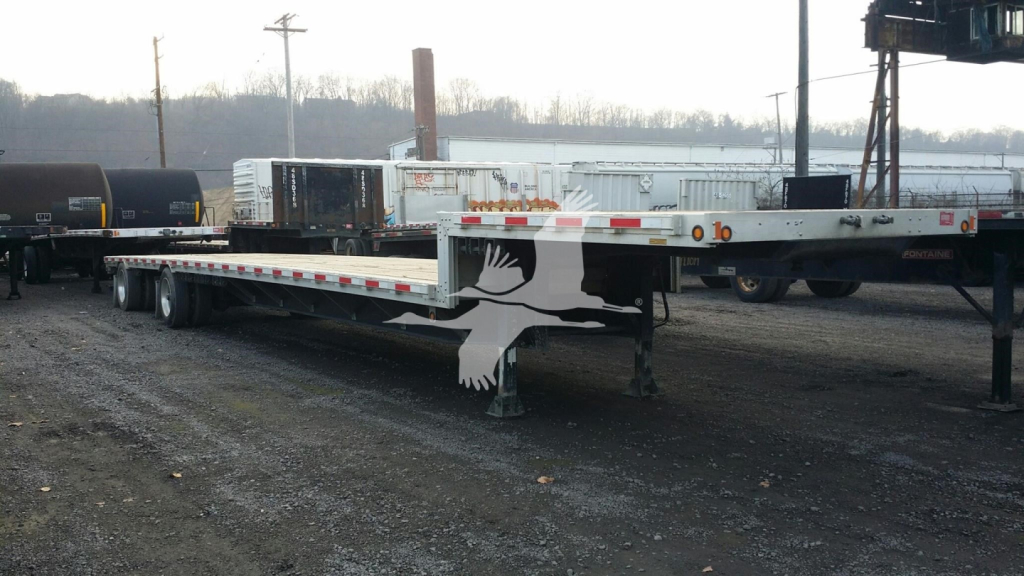
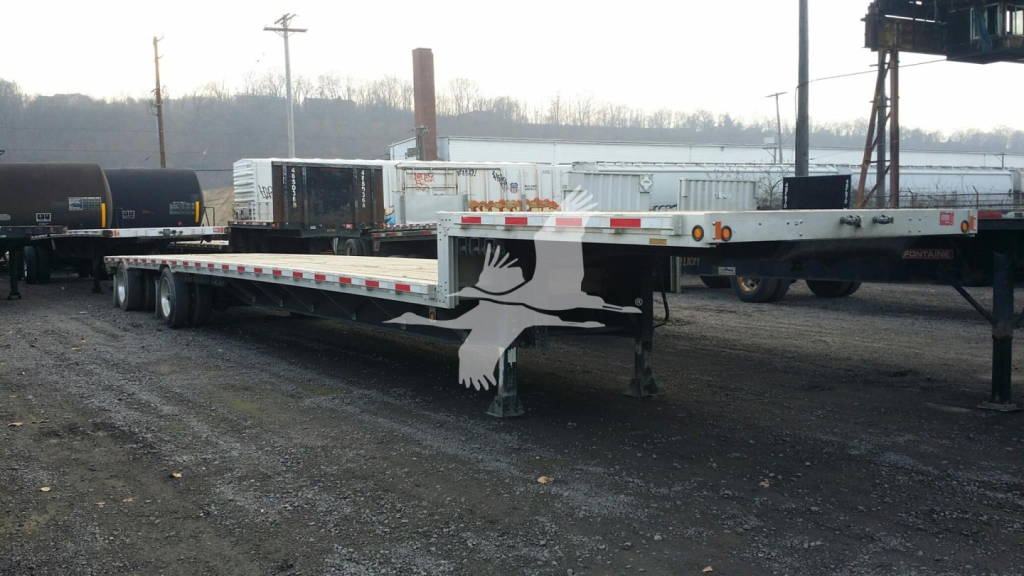
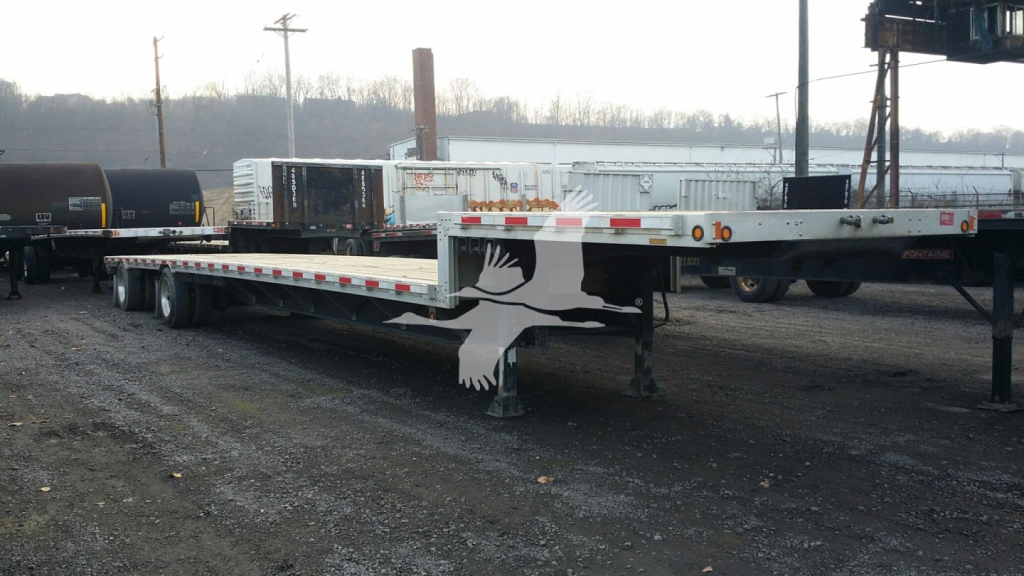
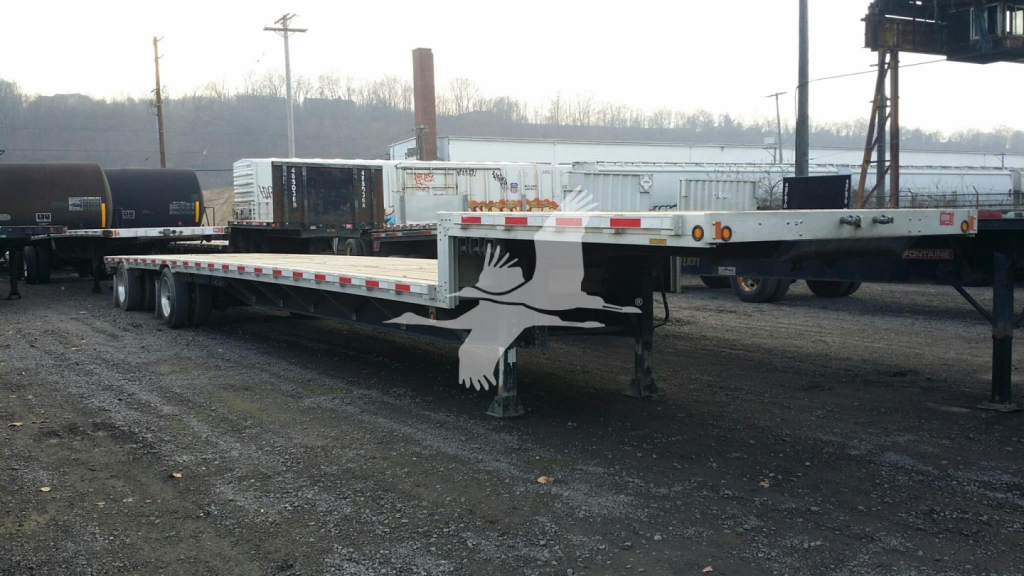
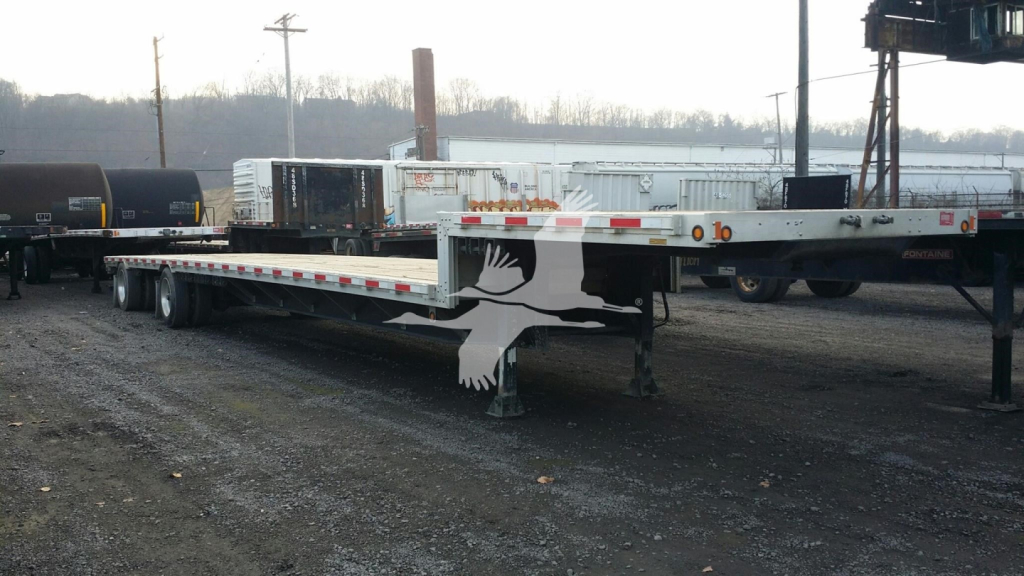
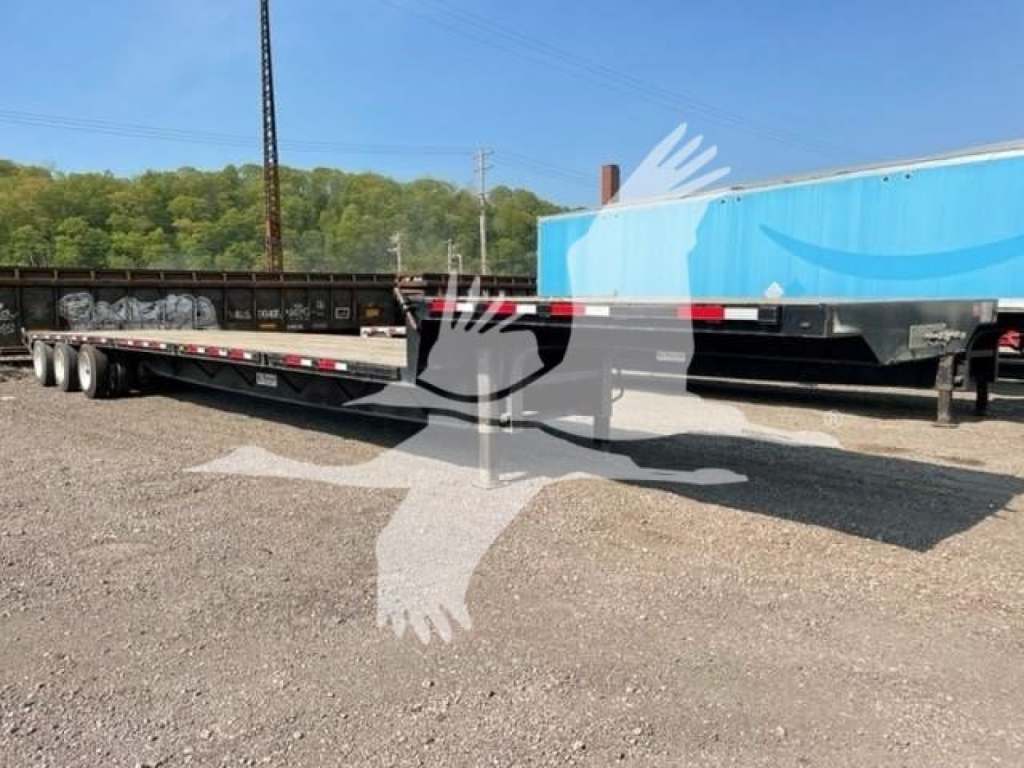
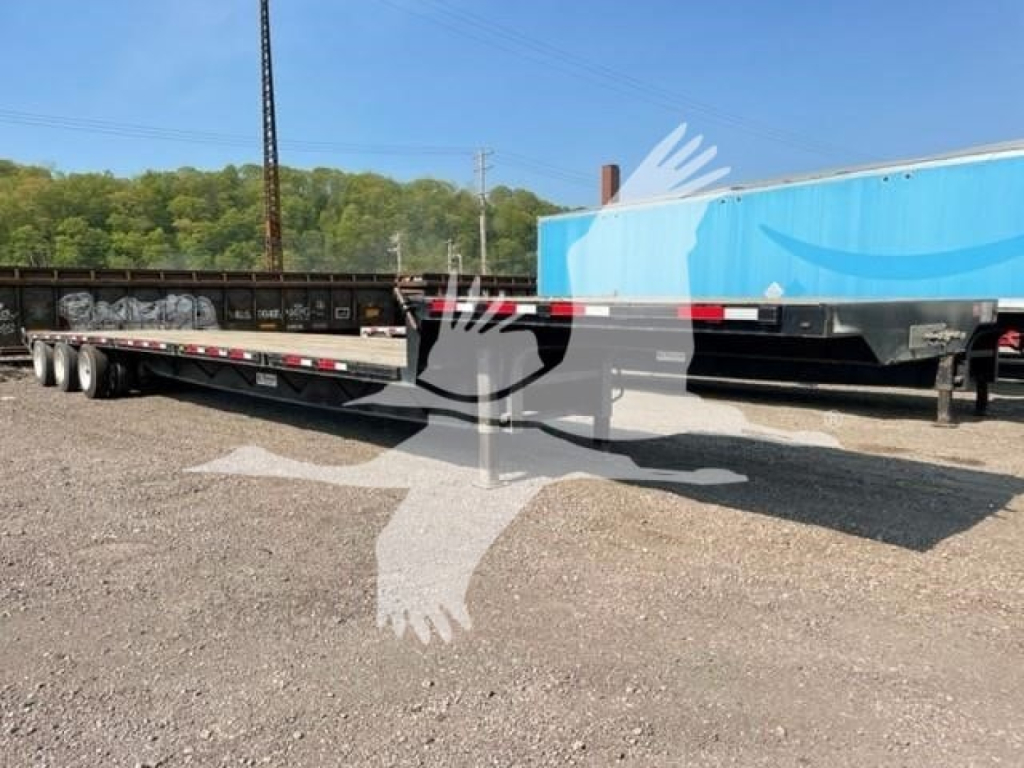
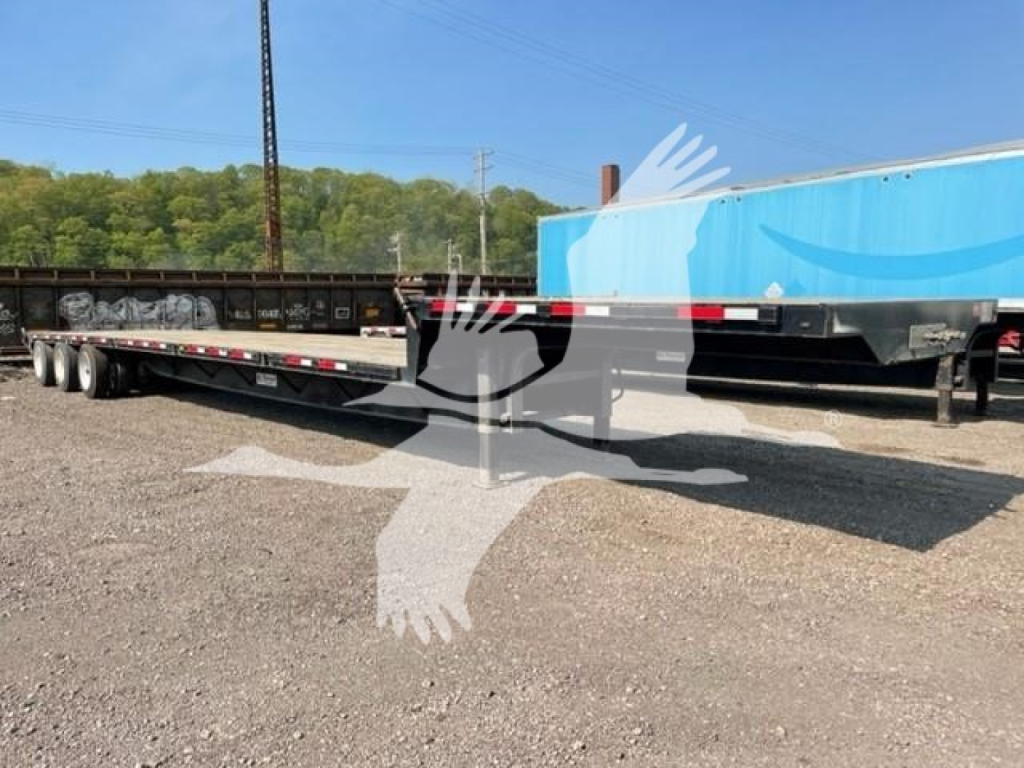
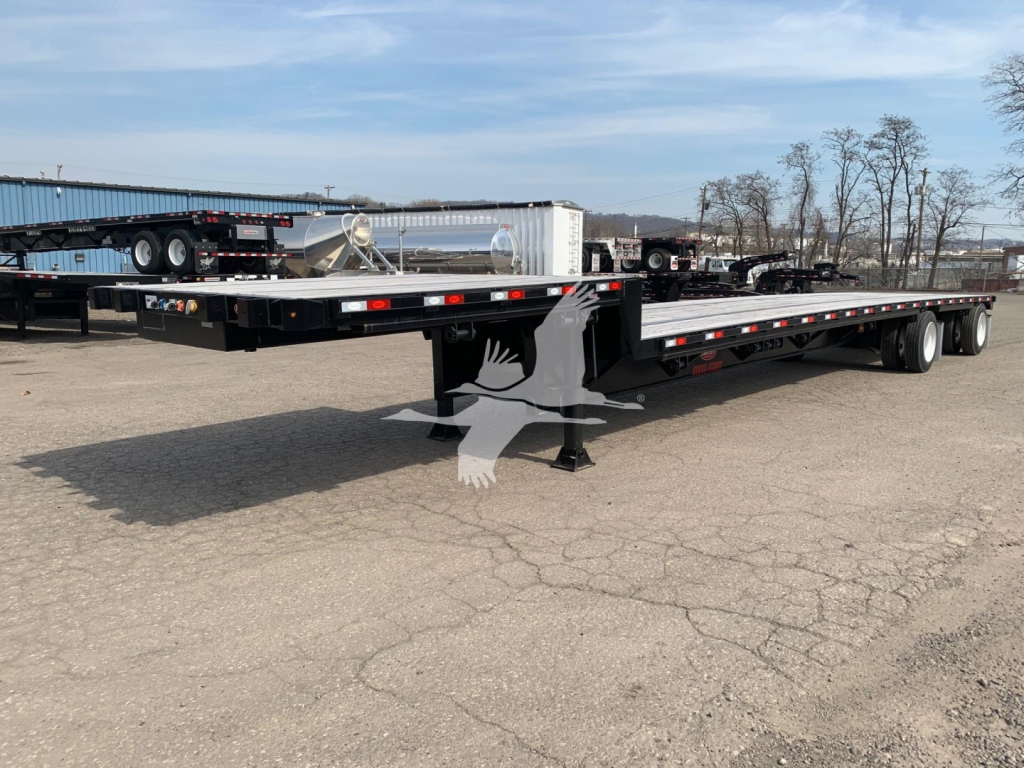
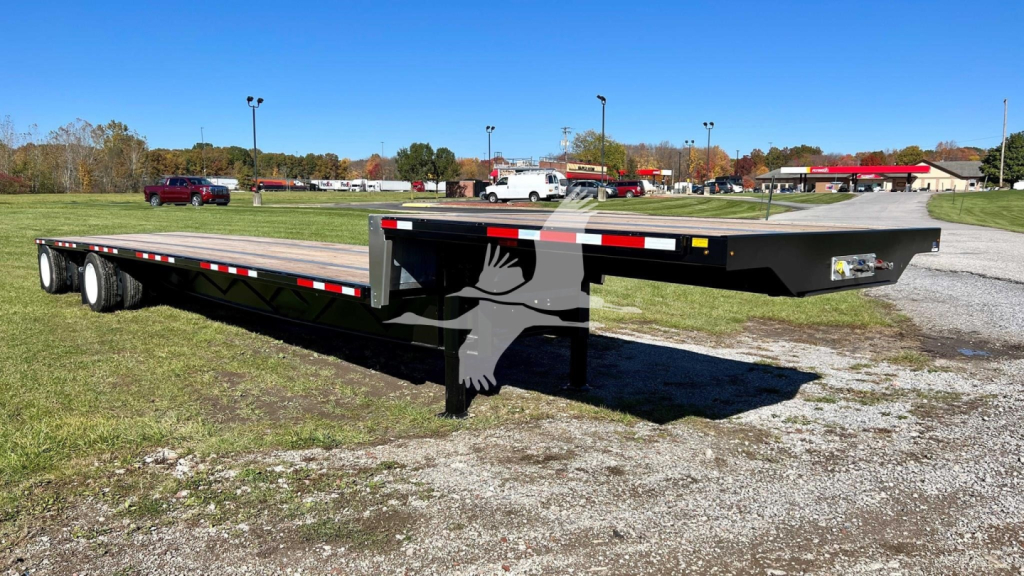
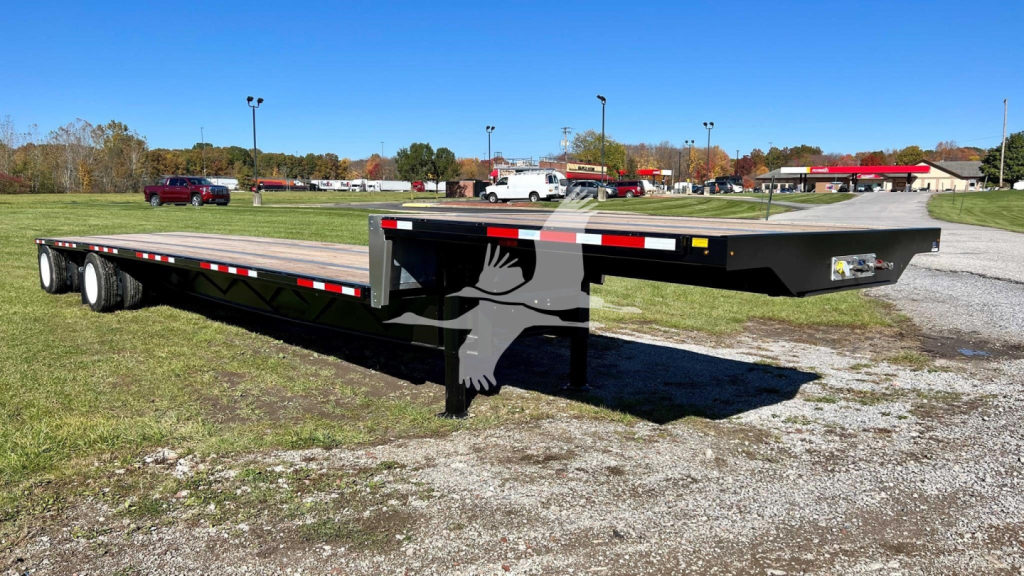
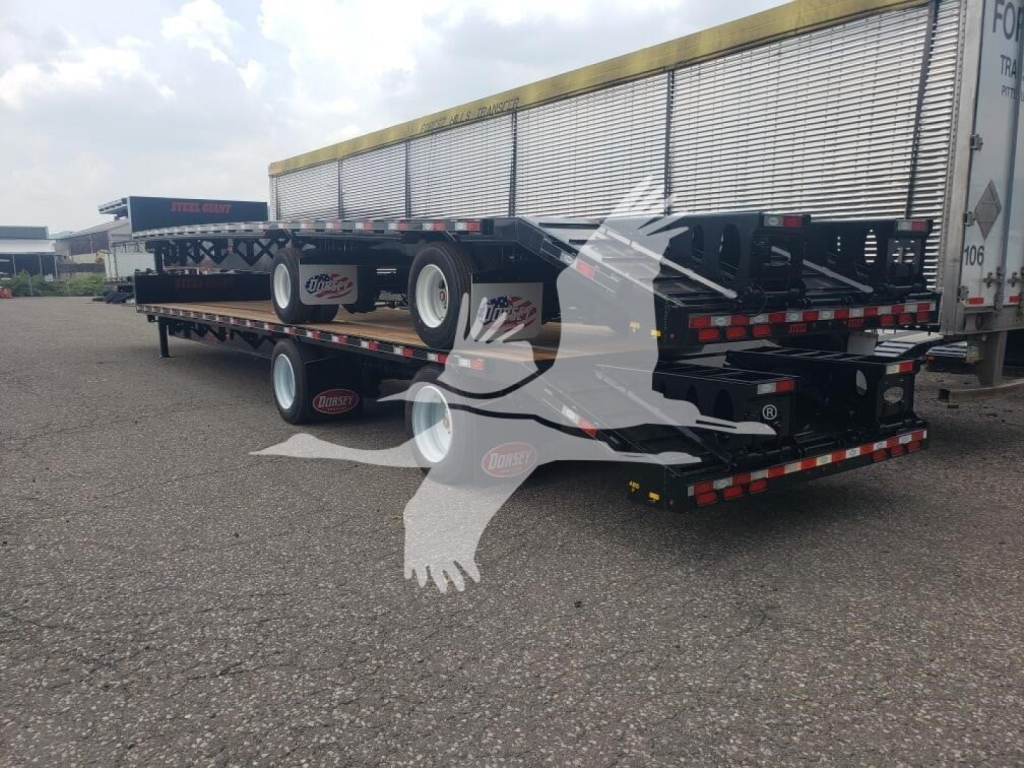
Showing 1 to 28 of 52 results
Selling a used drop deck trailer? List your used drop deck trailer for sale and reach thousands of commercial buyers.
Used Drop Deck Trailers in Pennsylvania
A buyer should start with deck configuration and weight. Common used drop decks are 48 feet long and 102 inches wide, often with a 10 to 11 foot top deck and roughly 37 to 38 foot lower deck. Main deck height is frequently around 40 inches, but exact loaded height depends on tire size, suspension, and floor design. Aluminum and combo trailers help maximize payload, while all-steel units usually trade higher tare weight for durability in tougher service. Flooring matters too. Aluminum floors save weight, while Apitong and other hardwood floor sections hold up well under concentrated forklift traffic, tracked equipment, and chained freight. Crossmember spacing, coil packages, and heavy-duty rear frames become important if the trailer will see dense steel, machinery, or repeated point loading.
Tie-down layout is another major decision point. Many used drop deck trailers are equipped with winch tracks on one or both sides, sliding winches, double pipe spools, and multiple chain tie-down pairs. That setup gives more flexibility for mixed freight and helps reduce securement time. Buyers should also look closely at kingpin setting, axle spread, and suspension. Tandem air ride trailers are common for general freight and easier maneuverability. Tri-axle or tridem configurations can make sense for heavier commodity work or regional applications where axle laws and bridge formulas support the extra capacity. Features such as dump valves, lift axles, tire inflation systems, disc brakes, and anti-roll systems can improve ride quality, maintenance intervals, and everyday usability.
On a used trailer, condition matters as much as specification. Inspect the neck transition, main deck crossmembers, suspension hangers, landing gear mounts, rear frame, and side rails for repairs, cracking, or signs of overloading. Check floor wear from forklifts, look at the winch track and tie-down points for distortion, and confirm axle alignment, brake condition, and tire wear patterns. In Pennsylvania service, corrosion around wiring, light connections, and undercarriage components is worth a close look, especially on trailers exposed to winter road treatment. A well-spec'd used drop deck should match the freight first, then the operating region, then the payload target. That order usually leads to a trailer that works harder and costs less to own.
Frequently Asked Questions about Used Drop Deck Trailers in Pennsylvania
What is the difference between a drop deck trailer and a flatbed trailer?
A drop deck trailer has two deck levels, a raised upper deck and a lower main deck, while a flatbed trailer has a single deck height from front to rear. The lower deck on a drop deck gives extra legal cargo height, which is why it is commonly used for taller freight such as machinery, building materials, and equipment that would exceed height limits on a standard flatbed.
What length and deck dimensions are common on used drop deck trailers?
Many used drop deck trailers are 48 feet long and 102 inches wide. A common layout is a 10 to 11 foot upper deck with a 37 to 38 foot lower deck. Main deck height often falls around 40 inches, though actual dimensions vary by suspension, tires, frame design, and floor construction. Buyers should compare published deck height carefully because a few inches can determine whether a load stays legal.
Is an aluminum, combo, or steel drop deck better?
It depends on the freight mix and payload goals. Aluminum trailers generally offer the lightest tare weight and are popular when payload matters most. Combo trailers balance weight savings with added strength by using aluminum and steel in key structural areas. Steel drop decks are typically heavier but can be a solid choice for severe-duty applications, concentrated loads, and operations that prioritize ruggedness over maximum payload.
When does a tri-axle drop deck make sense?
A tri-axle drop deck can make sense when the work involves heavier loads, specialized hauling, or regional routes where axle distribution is a major concern. The added axle can improve weight carrying capability and help with bridge compliance, but it also adds tare weight, tire and brake maintenance, and can affect maneuverability. The right choice depends on the freight, the states traveled, and how often the extra capacity is actually needed.
What should I inspect first on a used drop deck trailer?
Start with the frame, neck, and lower deck structure because those areas reveal a lot about how the trailer was used. Look for bent crossmembers, cracked welds, repairs around the neck transition, worn flooring, damaged side rails, and stretched or distorted tie-down points. Then inspect suspension components, axle alignment, brakes, tires, wiring, and lighting. Uneven tire wear, loose landing gear, and corrosion around the undercarriage can point to maintenance or structural issues that affect long-term value.