
Used Fontaine Drop Deck Trailers For Sale in Pennsylvania
Used Fontaine drop deck trailers for sale in Pennsylvania. Compare 48-foot combo dropdecks with air ride, spread axles, and aluminum floors.
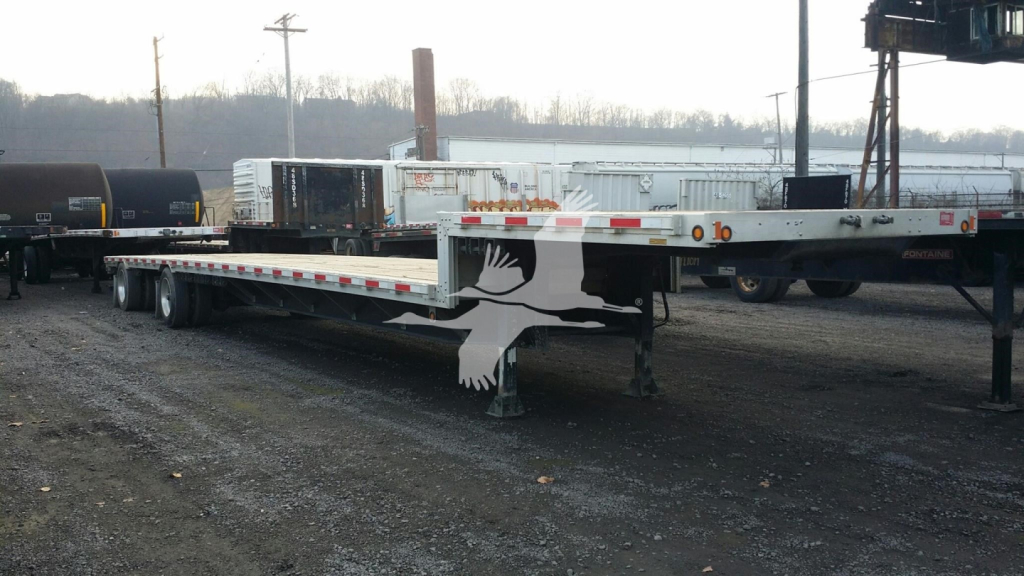
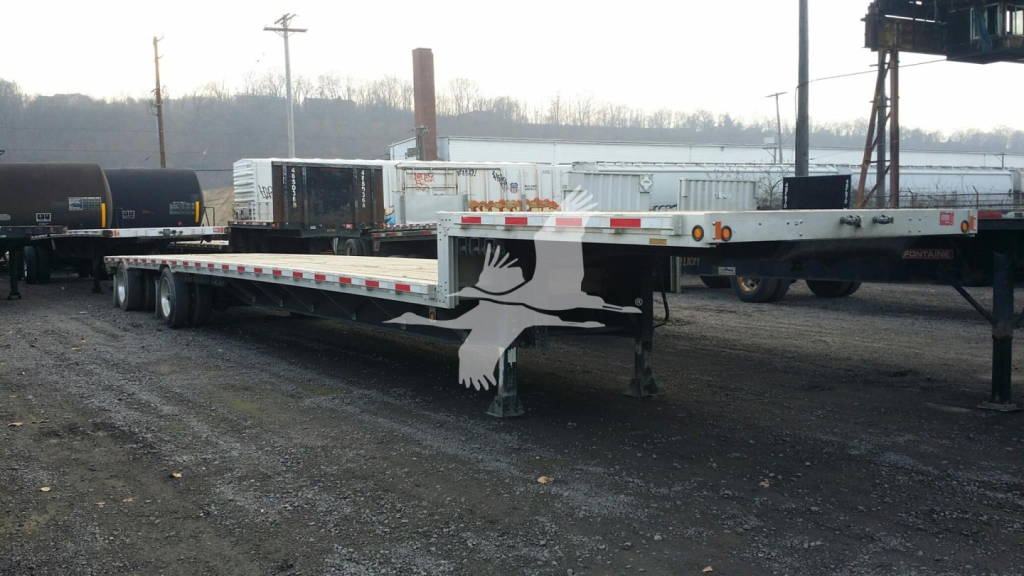
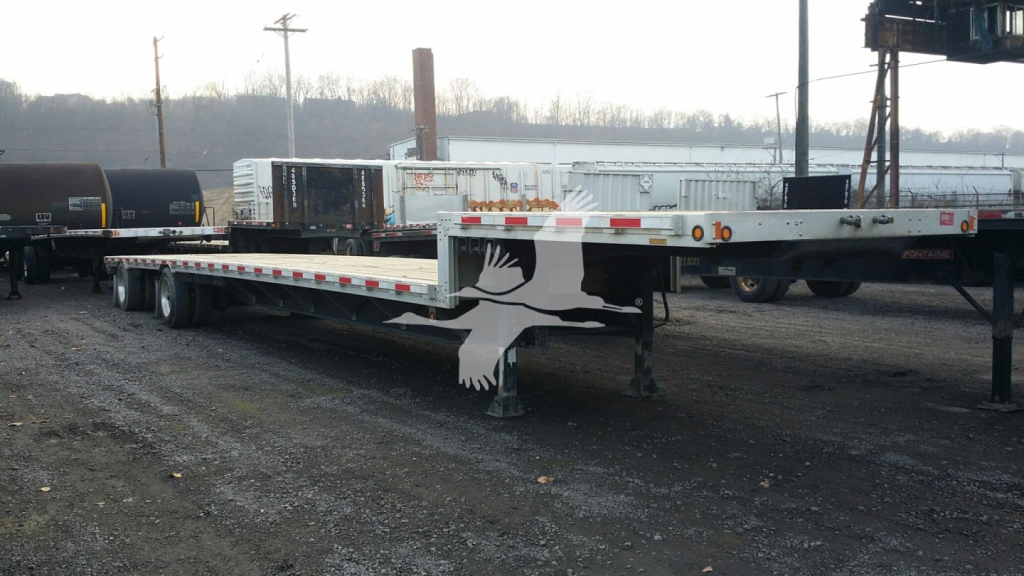
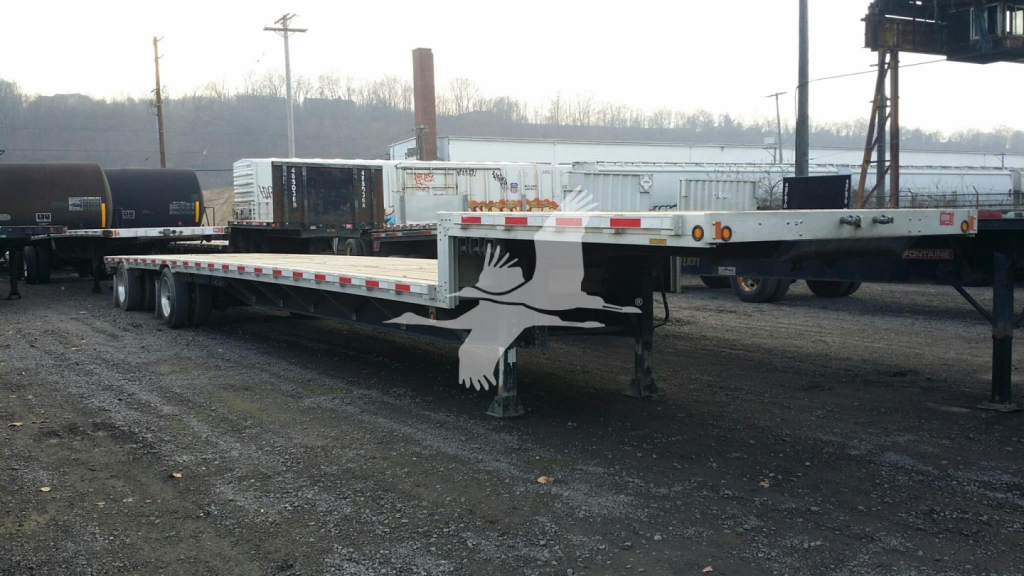
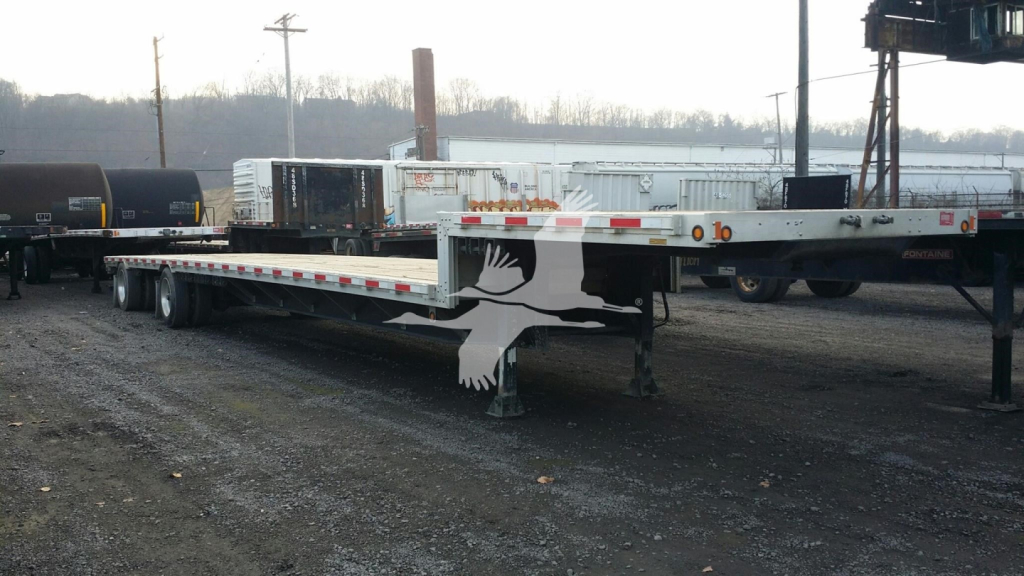
Selling a used fontaine drop deck trailer? List your used fontaine drop deck trailer for sale and reach thousands of commercial buyers.
Used Fontaine Drop Deck Trailers in Pennsylvania
A lot of buyers start with deck dimensions because they directly affect load planning. Common 48-foot Fontaine drop decks often carry a 10-foot upper deck and a 38-foot lower deck, with legal 102-inch width and main deck height around 40 inches depending on tires, suspension, and trailer configuration. Combo construction is especially popular on used Fontaine trailers because it blends steel in high-stress areas with aluminum components to reduce tare weight. Features seen frequently in this category include aluminum floors, apitong nailer strips, winch tracks on both sides, two-speed landing gear, and 16-inch crossmember spacing for better floor support.
Suspension and axle layout matter as much as deck specs. Tandem axle drop decks with air ride are common, and a spread-axle setting around 10 feet can improve weight distribution and loading flexibility while affecting bridge compliance and turning radius. Hendrickson air ride setups are widely recognized and easy to service. Buyers should also pay attention to kingpin setting, dump valve operation, tire size, wheel type, and the condition of brakes, bushings, airbags, and sliding or fixed suspension components. On a used trailer, side rail condition, rear frame integrity, floor wear around concentrated load points, and any repairs near crossmembers or suspension hangers deserve a close inspection.
In Pennsylvania, application matters because freight can range from industrial equipment and fabricated steel to palletized building products moving through urban corridors, interstates, and job sites. A Fontaine drop deck with a clean lower deck, straight frame, usable tie-down points, and solid lighting and electrical system can be a versatile trailer for carriers that need to handle taller legal loads without giving up everyday freight capability. If payload is a priority, combo and aluminum-heavy configurations deserve attention. If abuse resistance matters more, focus on structural condition, deck wear, and how the trailer was spec'd for the work it actually performed.
Frequently Asked Questions about Used Fontaine Drop Deck Trailers in Pennsylvania
What is the difference between a Fontaine drop deck trailer and a standard flatbed?
A Fontaine drop deck trailer has two deck levels, a raised front deck and a lower main deck, which allows taller freight to ride lower than it would on a standard flatbed. That lower loaded height helps keep more cargo within legal height limits, especially machinery, palletized equipment, and crated freight. A standard flatbed is simpler for some loading situations, but a drop deck gives more flexibility when load height is the limiting factor.
What specs should I check first on a used Fontaine drop deck trailer?
Start with overall length, top deck length, main deck length, deck height, axle configuration, and suspension type because those specs determine what freight the trailer can legally and practically haul. After that, review construction details such as steel, aluminum, or combo build, floor material, crossmember spacing, winch track location, and kingpin setting. On a used trailer, condition is just as important as the original spec, so inspect the frame, crossmembers, suspension, brakes, lights, tires, wheels, and any visible repair history.
Why do many buyers prefer a combo Fontaine drop deck?
A combo drop deck uses steel where strength and impact resistance are most important and aluminum where weight savings matter. That balance can lower trailer tare weight without giving up the durability needed in key structural areas. For fleets and owner-operators trying to maximize payload while still running a versatile general freight trailer, a combo Fontaine is often an attractive middle ground between all-steel durability and all-aluminum weight reduction.
Is a spread axle setup a good choice on a used drop deck trailer?
A spread axle drop deck can improve weight distribution and make it easier to position certain loads, especially longer freight on the lower deck. It can also help in applications where bridge formulas and axle loading matter. The tradeoff is that spread axles can be tougher on tires in tight turns and may be less convenient in confined yards or older loading areas. The right choice depends on your routes, the type of freight you haul, and how often you need maximum maneuverability.
What areas tend to show the most wear on a used drop deck trailer?
The most common wear points are the main deck floor, nailer strips, side rails, winch track, rear frame, suspension components, landing gear, and crossmembers near concentrated load areas. Air ride trailers should be checked carefully for airbag condition, shocks, bushings, ride height issues, and dump valve function. Buyers should also look for signs of overloading or hard loading, including cracked welds, bent rear approaches, gouged decking, and repairs around hanger brackets or the neck transition.