
Used Fontaine Drop Deck Trailers For Sale
Used Fontaine drop deck trailers for hauling taller freight with lower deck height, strong load securement options, and air ride versatility.
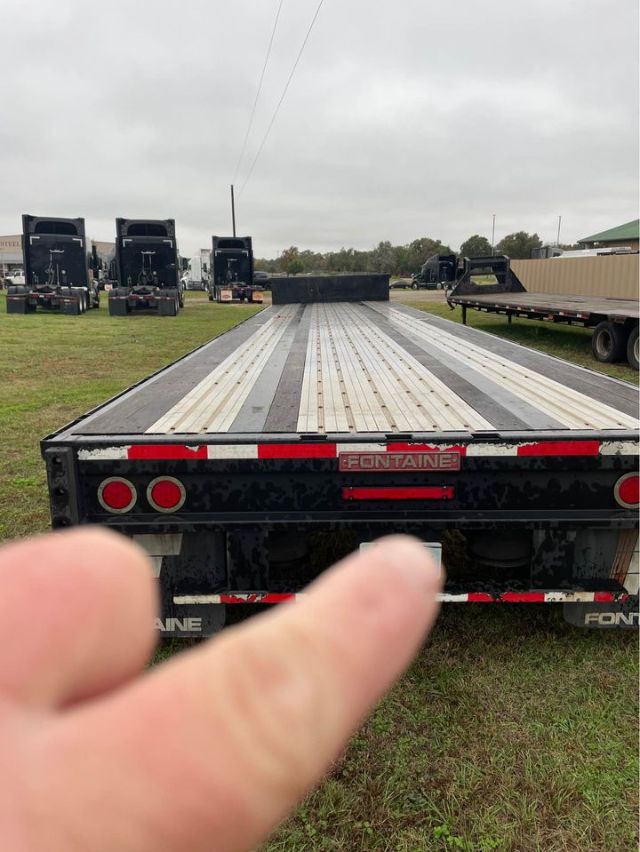
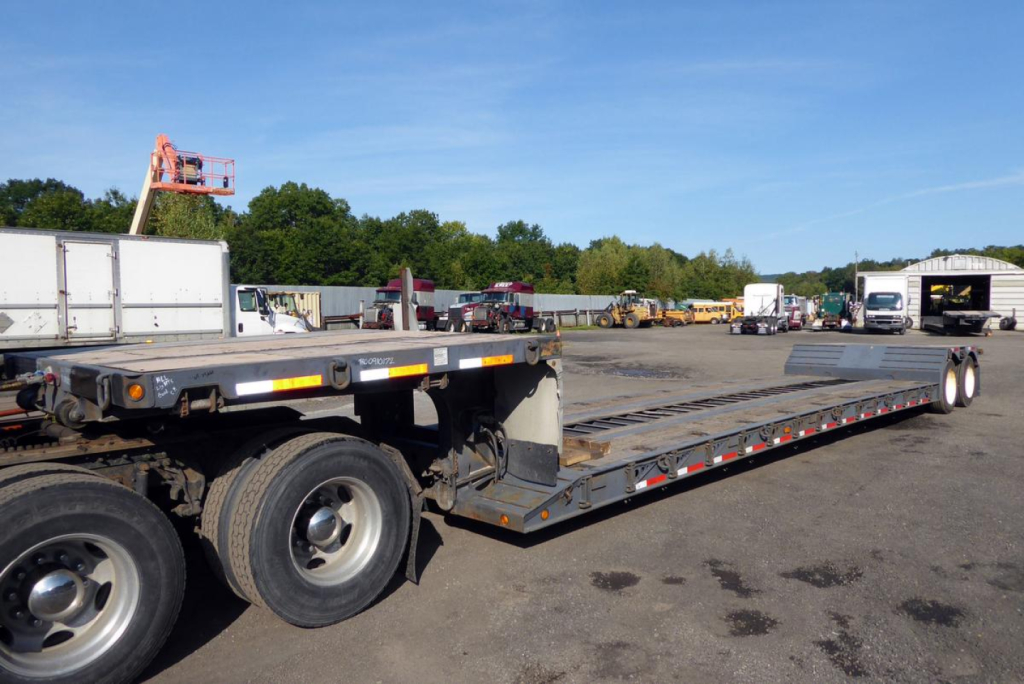
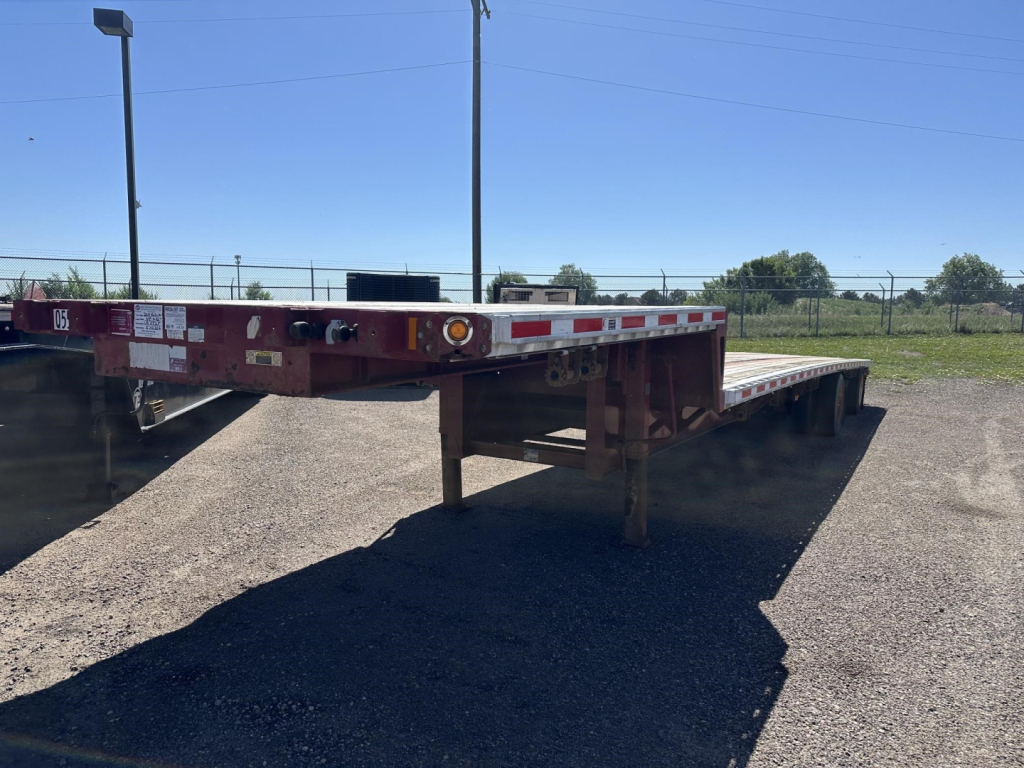
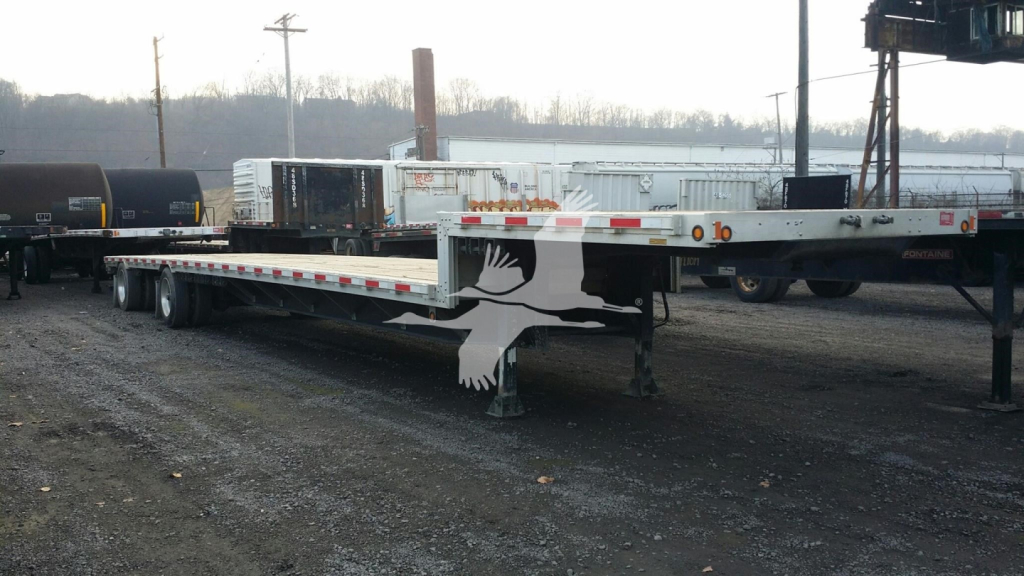
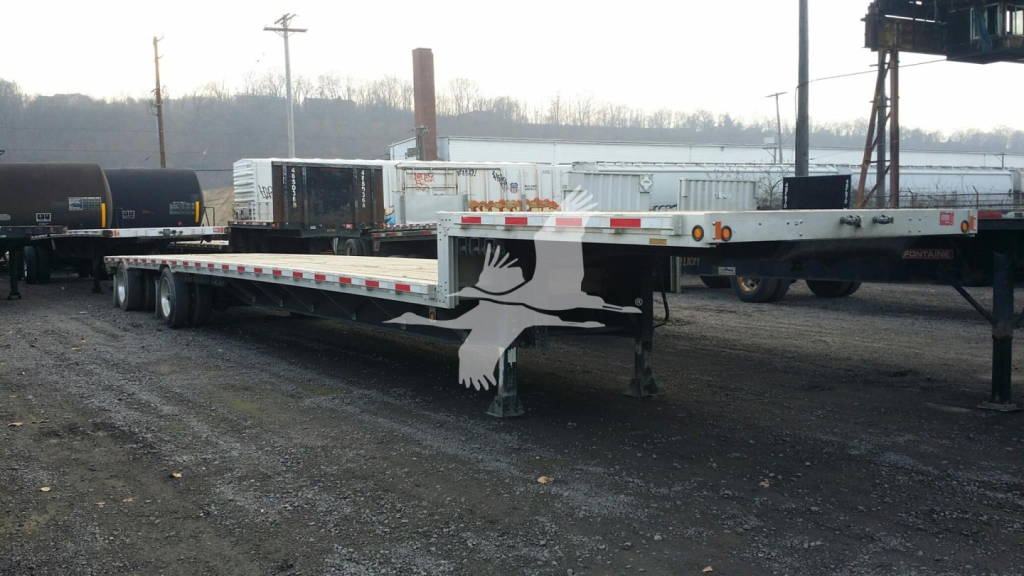
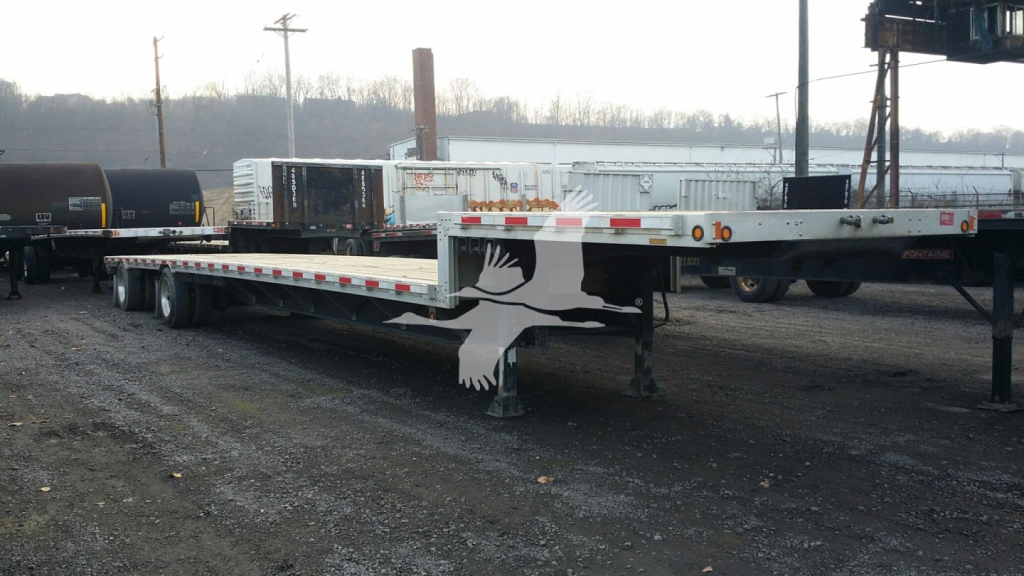
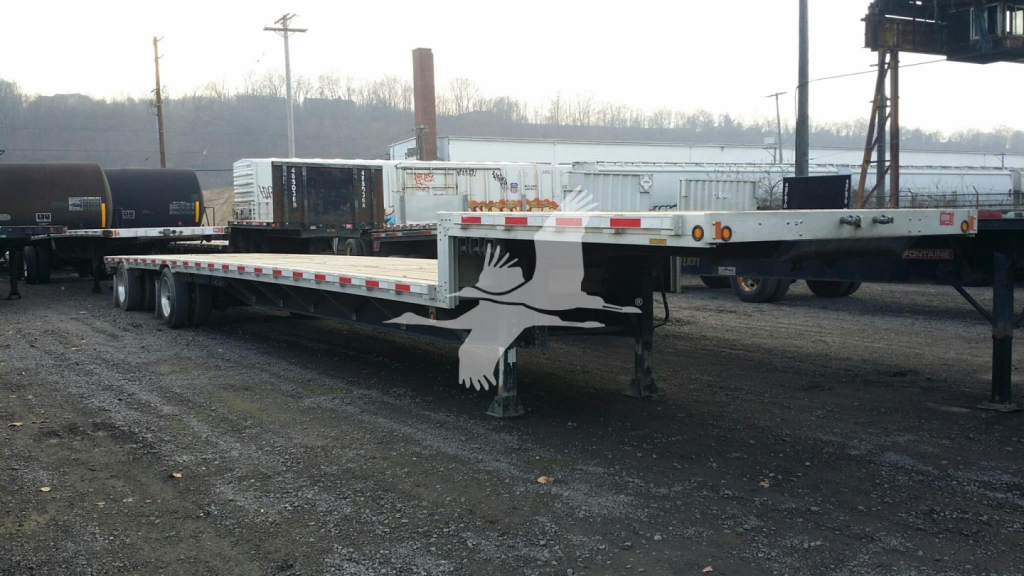
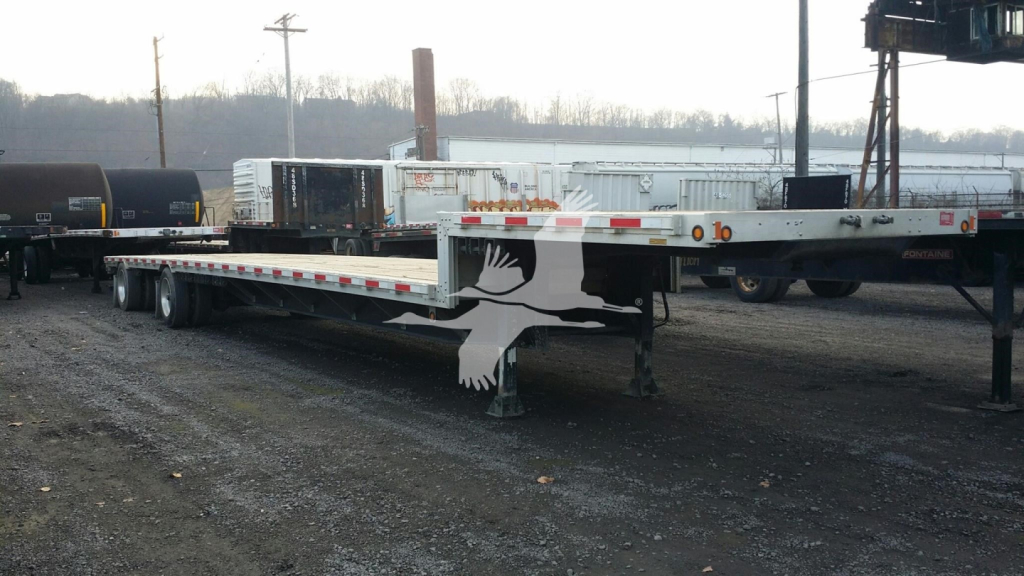
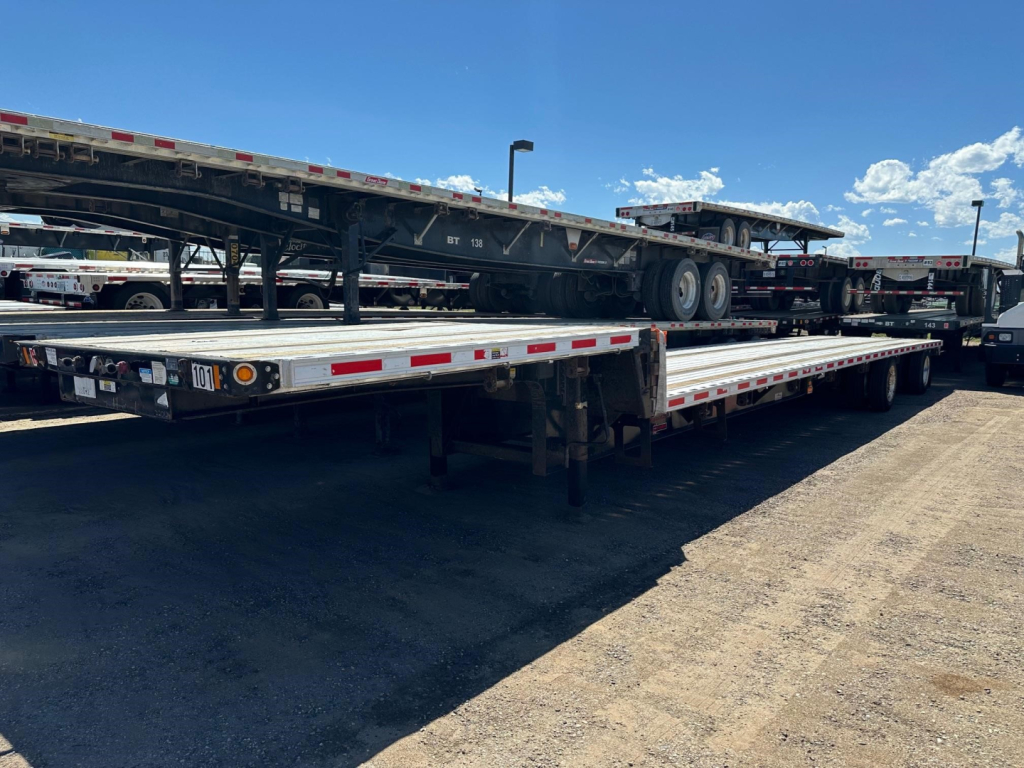
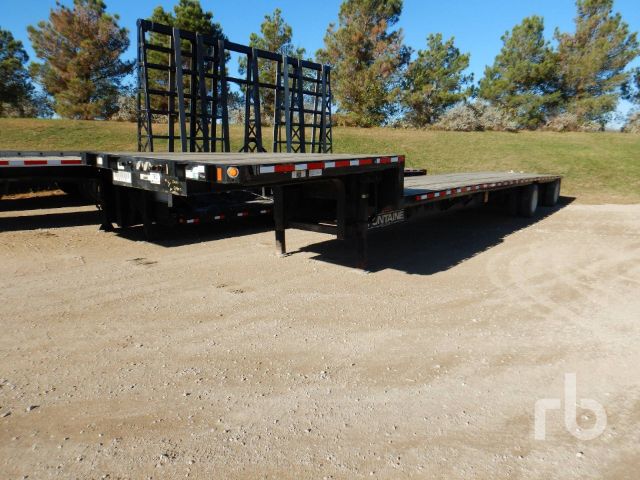

Selling a used fontaine drop deck trailer? List your used fontaine drop deck trailer for sale and reach thousands of commercial buyers.
Used Fontaine Drop Deck Trailers
For buyers comparing used Fontaine drop decks, deck construction matters as much as overall length. Many units use a combo design with steel in high-stress areas and aluminum in the frame, floor, or side rail to cut empty weight without giving up strength where it counts. Main deck height is a key spec because a lower loaded deck can make the difference on machinery, palletized freight, building materials, and crated equipment. Apitong nail strips, aluminum flooring, sliding winch tracks, chain spools, and coil package setups are all common features depending on how the trailer was ordered. If your freight mix changes often, pay close attention to tie-down spacing, winch placement, side rail condition, and whether the trailer is set up for straps, chains, or both.
Suspension and axle layout should be matched to the lanes and commodities you run. Air ride is common on Fontaine step decks and is preferred for ride quality on sensitive freight. Spread axle configurations can improve weight distribution and stability, while sliding rear axles add flexibility for bridge law compliance and loading position. On used units, inspect suspension components, axle alignment, tire wear patterns, dump valve function, kingpin wear, landing gear condition, and crossmember integrity. Wheel and tire spec also matter, especially on low-profile 22.5 rubber where deck height and replacement cost are part of the equation.
A used Fontaine drop deck is often a strong fit for carriers hauling forklifts, compact construction equipment, steel products, packaged lumber, pipe, and overheight general freight that still loads from the side or rear like a flatbed. The best buying decision usually comes down to payload target, deck height, axle setup, and how much securement flexibility the trailer gives your drivers. A lighter combo trailer can improve revenue on legal-weight freight, while a heavier-duty 40-ton class configuration may be better suited for concentrated loads and tougher jobsite use. Condition still drives value, so buyers should look closely at frame repairs, deck wear, corrosion around fasteners and transitions, and the overall straightness of the trailer before comparing price alone.
Frequently Asked Questions about Used Fontaine Drop Deck Trailers
What is the advantage of a Fontaine drop deck trailer compared with a standard flatbed?
A Fontaine drop deck trailer gives you more legal load height because the main deck sits lower than a flatbed deck. That makes it a better choice for taller freight such as machinery, palletized equipment, and construction materials that would exceed height limits on a standard platform trailer. You still keep much of the loading flexibility of a flatbed, including side loading, rear loading, and multiple tie-down points.
What should I inspect first on a used Fontaine step deck?
Start with the structural areas that affect safety and long-term repair cost. Check the frame rails, crossmembers, neck transition, kingpin area, suspension mounts, and axle alignment. Then inspect the deck surface, nail strips, side rails, winch tracks, landing gear, brakes, tires, and lighting. Uneven tire wear, cracked welds, bent rear impact guards, or signs of deck sag can indicate a trailer that has seen hard service or poor loading practices.
Are Fontaine combo drop decks a good balance between weight and durability?
Yes. Fontaine combo drop decks are popular because they use steel where strength is most important and aluminum where reducing tare weight helps payload. That combination can work well for fleets that need a trailer light enough for general freight but durable enough for regular securement, frequent loading, and rougher operating conditions. The exact value depends on the trailer's original build spec and how it was maintained.
What axle setup is best on a used drop deck trailer?
The best axle setup depends on your freight and operating area. A spread axle trailer is common for better weight distribution and stable road manners, but it can increase tire scrub in tight turns. A sliding rear axle offers more flexibility for bridge formulas, state regulations, and load placement. Buyers hauling mixed freight across multiple states often prioritize axle flexibility, while dedicated operations may prefer the simplicity of a fixed spread.
How important is deck height on a used Fontaine drop deck?
Deck height is one of the most important specs on any drop deck because it directly affects the maximum freight height you can haul legally. Even a small difference in loaded deck height can determine whether a load moves as a standard permitted shipment or requires additional routing or permits. Buyers should confirm the actual deck height, tire size, suspension condition, and any modifications that could change ride height from the original factory specification.