
Used 2016 Drop Deck Trailers For Sale in Pennsylvania
Shop the used 2016 drop deck trailer market in Pennsylvania. Compare 48-foot step deck specs, deck height, axle setup, weight, and load options.
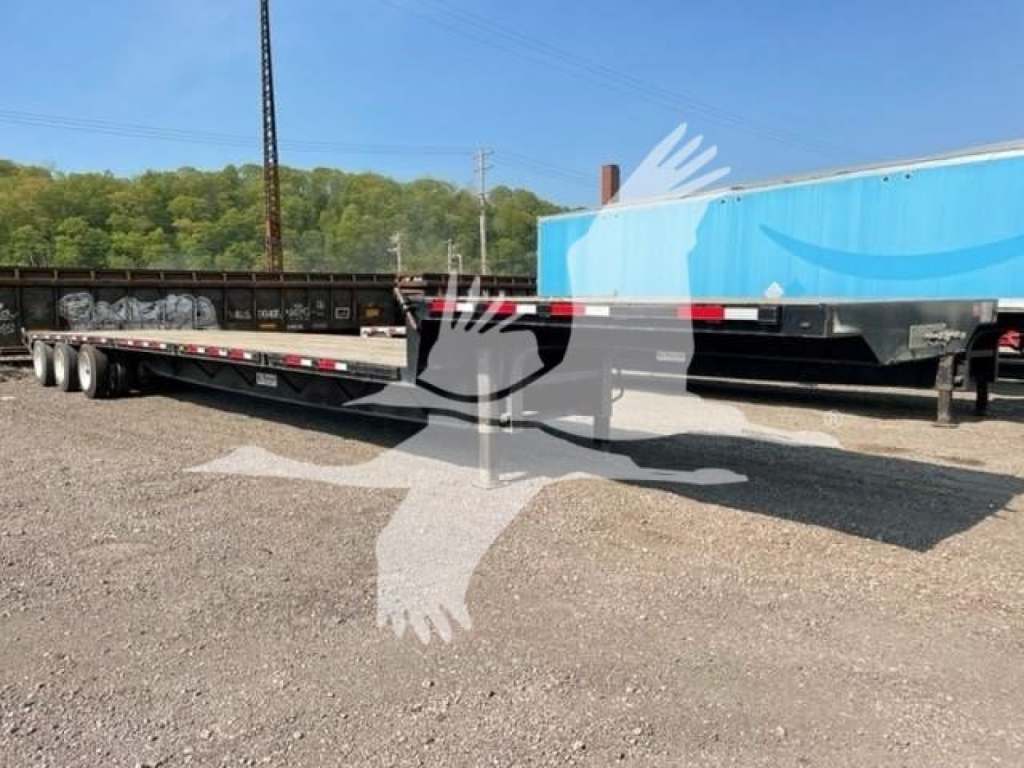
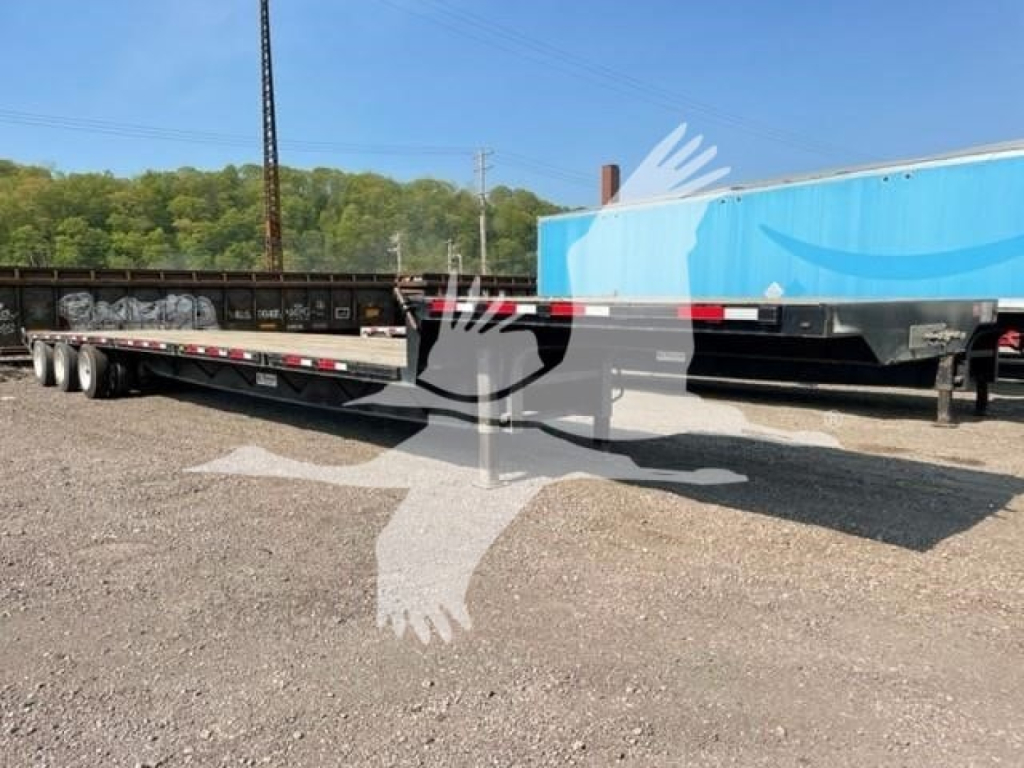
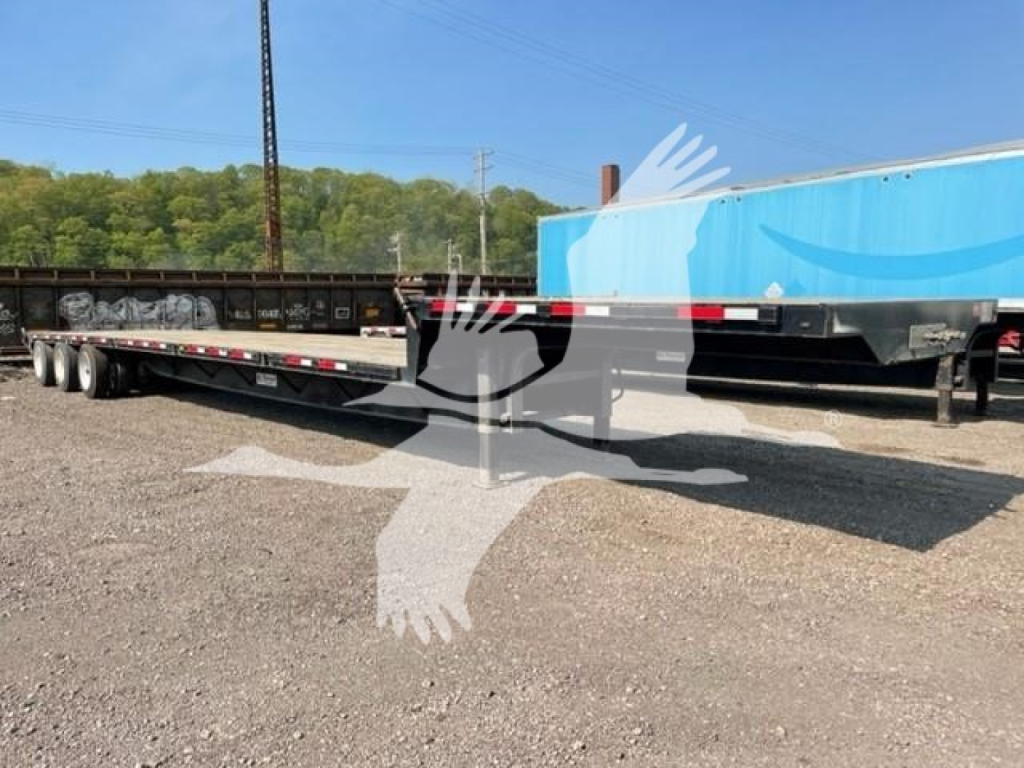
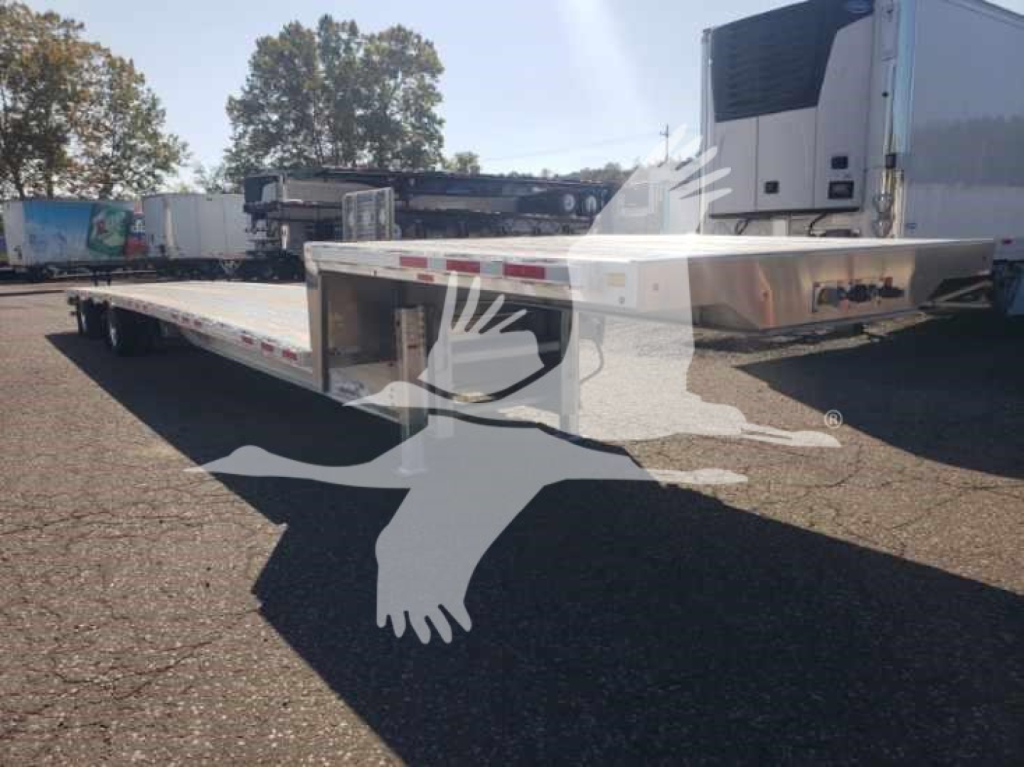
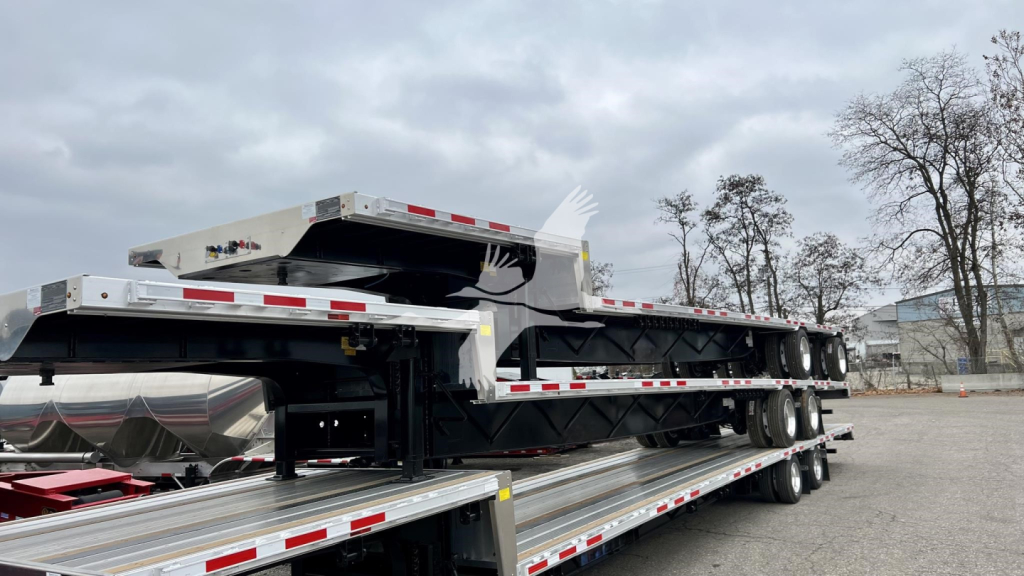
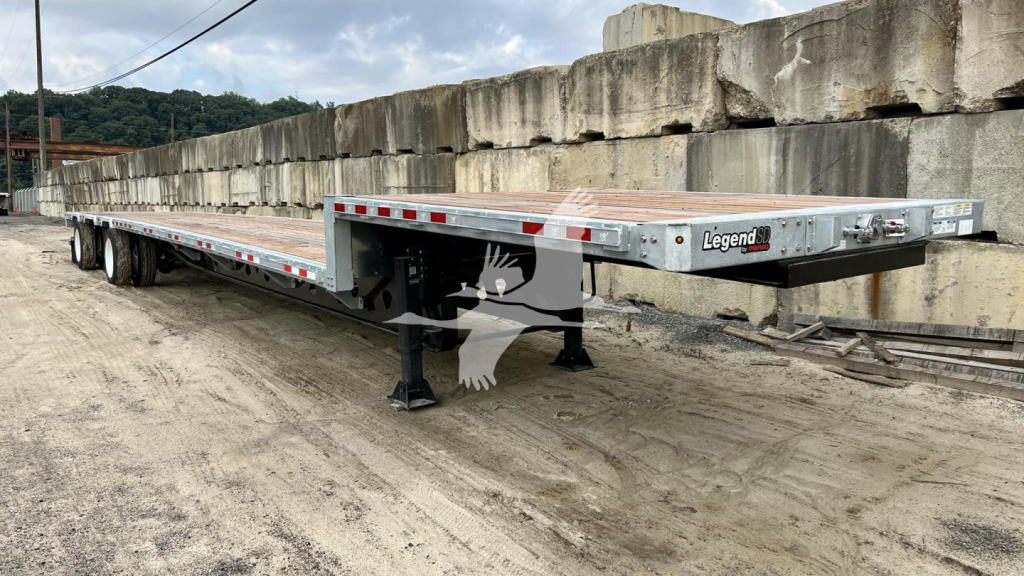
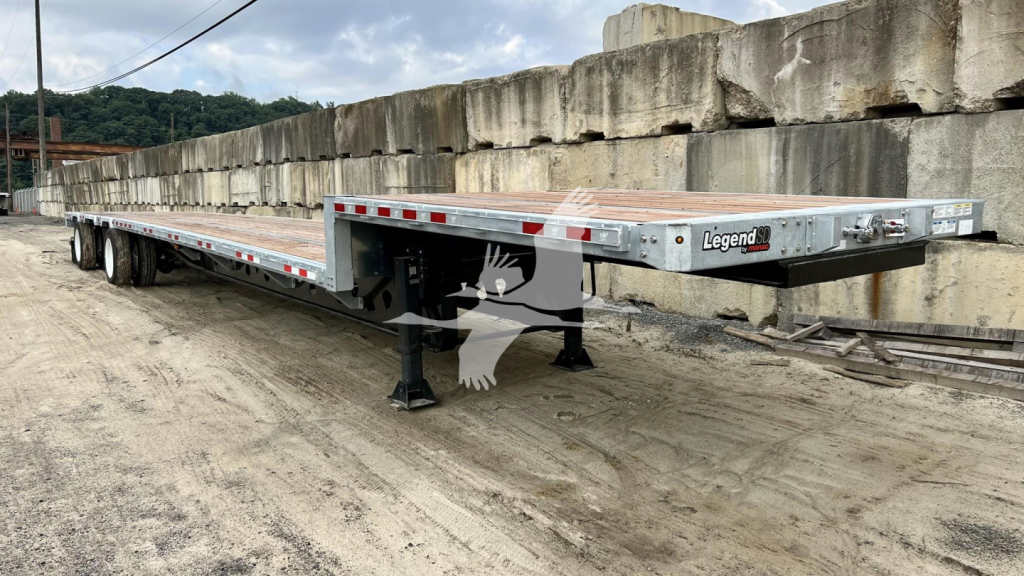
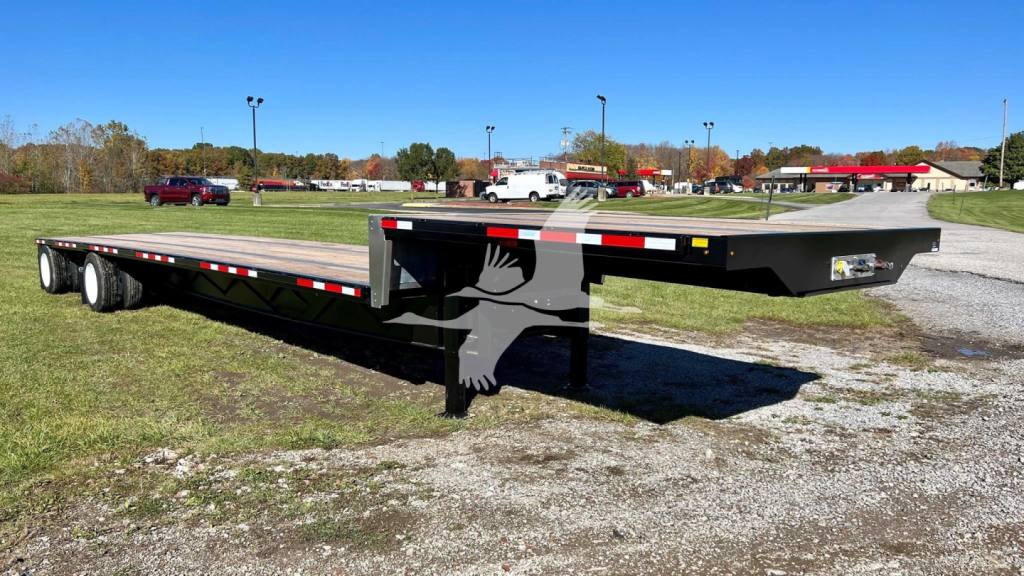
Selling a used 2016 drop deck trailer? List your used 2016 drop deck trailer for sale and reach thousands of commercial buyers.
Used 2016 Drop Deck Trailers in Pennsylvania
For this model year, buyers will often compare aluminum versus combo construction first. An all-aluminum 2016 drop deck usually offers lower tare weight and more payload, which is attractive for general freight and higher-volume hauling. Combo designs with steel front sections or steel side rail components can add durability in high-contact operations. Typical specs include a 10-foot to 10-foot 6-inch top deck, roughly 37-foot 6-inch to 38-foot main deck, and main deck heights around 40 to 43 inches. Common setups are tandem axles with air ride suspension, 10-foot or 10-foot 2-inch spreads, 255/70R22.5 tires, and kingpin settings around 18 to 24 inches.
The condition of the deck and securement system matters more than paint on a used drop deck. Look closely at flooring material such as aluminum planks or Apitong, plus nailing strips, crossmember spacing, winch track placement, sliding winch count, pipe spools, and any coil package reinforcement. If the trailer will handle concentrated loads, check beam ratings, added crossmembers, and evidence of deck repairs. Suspension brand, dump valve function, brake type, tire inflation systems, and landing gear condition also affect uptime and operating cost. A trailer with good spec alignment for your freight can outperform a newer unit that is built for the wrong application.
Pennsylvania buyers should also think about route profile, seasonal corrosion exposure, and loading equipment. Air ride is common on drop decks used for machinery and finished freight because it helps protect cargo and improves dock and yard handling. Aluminum components can help with payload, but they should be inspected carefully for fatigue, cracks, and previous weld repairs, especially around the neck, suspension area, and rear transition. If your lanes regularly involve steel, machinery, or partial loads with varied securement points, features like dual winch tracks, extra lights, spread axle settings, and coil packages can make a 2016 drop deck trailer significantly more versatile.
Frequently Asked Questions about Used 2016 Drop Deck Trailers in Pennsylvania
What is the typical size of a used 2016 drop deck trailer?
A used 2016 drop deck trailer is commonly found in a 48-foot by 102-inch configuration. Many have a top deck around 10 to 10 feet 6 inches long and a lower main deck around 37 feet 6 inches to 38 feet long. Main deck height is often in the 40 to 43 inch range, which gives more legal cargo height than a standard flatbed while still keeping the trailer versatile for general open-deck freight.
What is the difference between a drop deck trailer and a flatbed trailer?
A drop deck trailer, also called a step deck trailer, has two deck levels instead of one continuous deck. The lower main deck allows taller freight to be hauled without exceeding legal height limits as quickly as it would on a flatbed. That makes drop decks a strong choice for equipment, building materials, palletized freight, and machinery that is just too tall for standard flatbed service.
What should I inspect first on a used 2016 drop deck trailer?
Start with structural and wear items that affect safe loading and long-term cost. Check the main frame, neck transition, crossmembers, deck surface, side rails, and suspension hangers for cracks, corrosion, or repair history. Then inspect the flooring, winch tracks, sliding winches, tie-down points, brakes, tires, wheels, landing gear, lights, and air ride components. On aluminum trailers, pay close attention to weld quality and any signs of fatigue near high-stress areas.
Is an aluminum 2016 drop deck better than a steel or combo trailer?
It depends on the freight and duty cycle. An aluminum drop deck usually weighs less, which can increase payload and improve fuel efficiency. A steel or combo trailer can offer added durability in applications with frequent forklift contact, concentrated cargo weight, or rough loading conditions. Buyers should match construction type to commodity, route, loading method, and expected maintenance costs instead of assuming one material is always better.
Are spread axles common on used 2016 drop deck trailers?
Yes. Many used 2016 drop deck trailers are equipped with tandem spread axle setups and air ride suspension. Spread axles can help with weight distribution and load planning, especially on heavier or longer freight. Buyers should still verify axle spacing, suspension condition, and local bridge and operating rules, because the ideal setup depends on the lanes and commodities being hauled.