
Used 2016 Drop Deck Trailers For Sale
Shop used 2016 drop deck trailers with specs buyers compare most, including deck length, axle setup, floor type, suspension, and weight.
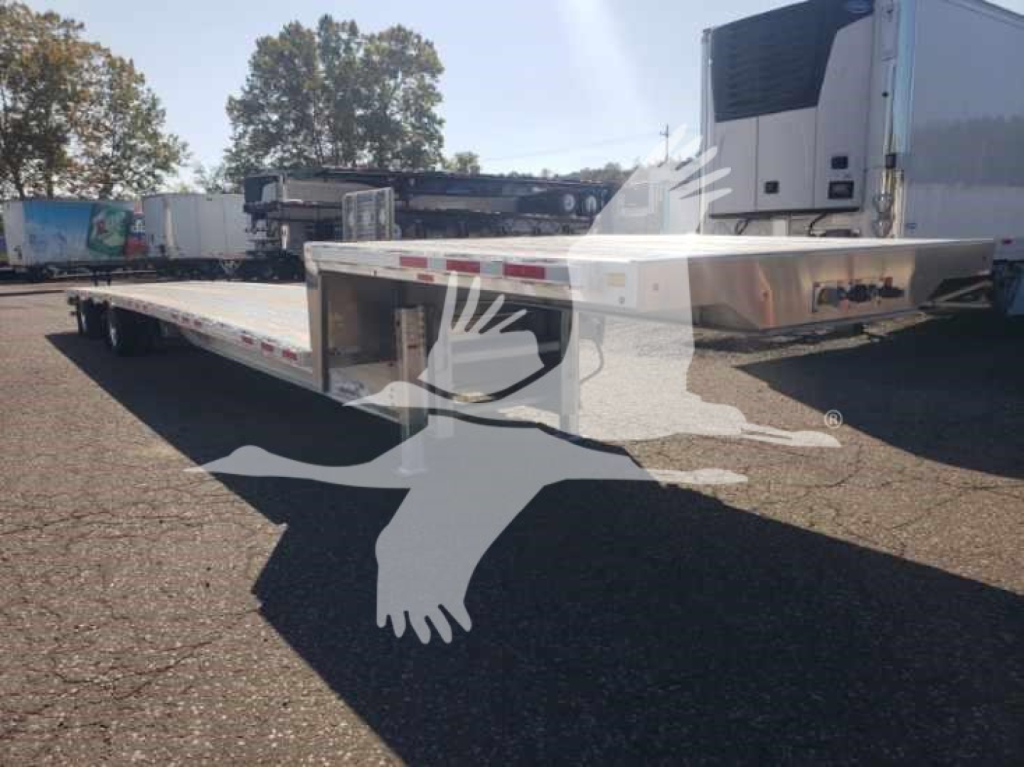
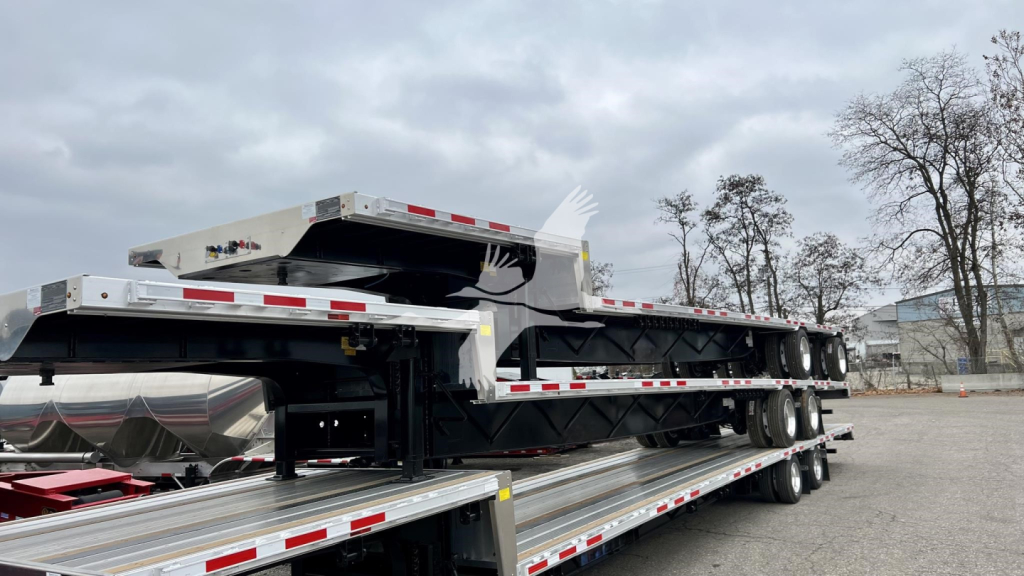
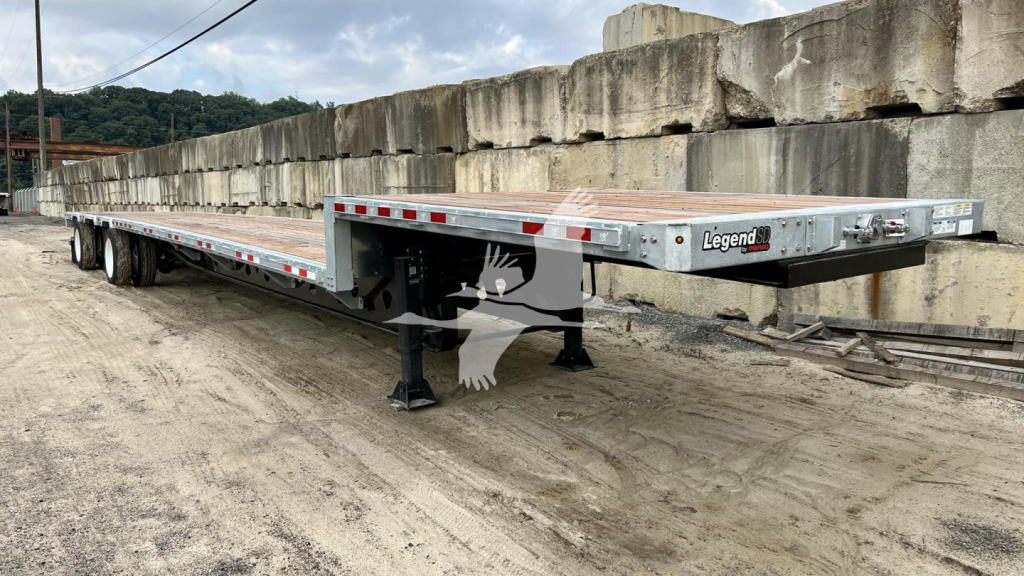
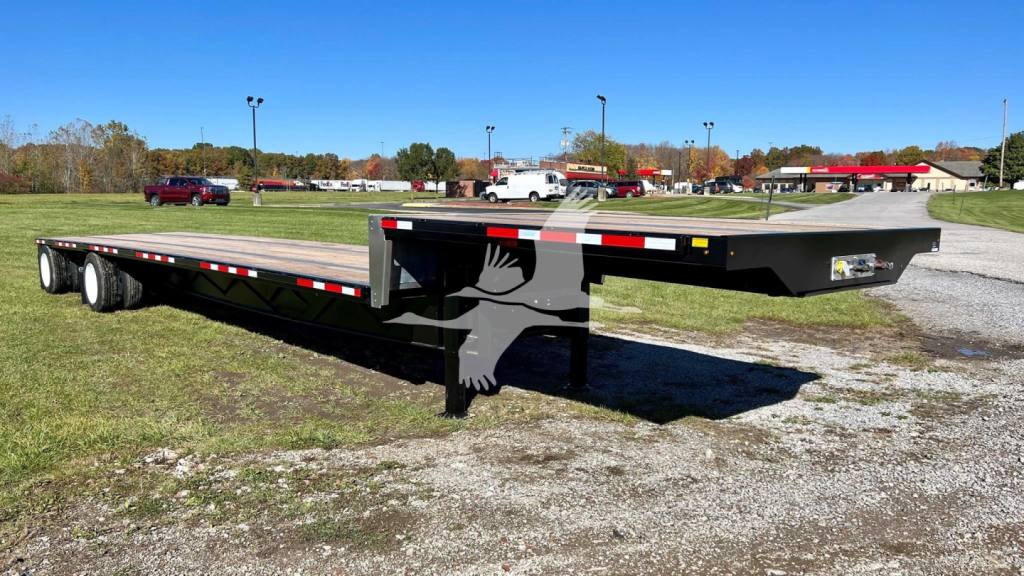
Selling a used 2016 drop deck trailer? List your used 2016 drop deck trailer for sale and reach thousands of commercial buyers.
Used 2016 Drop Deck Trailers
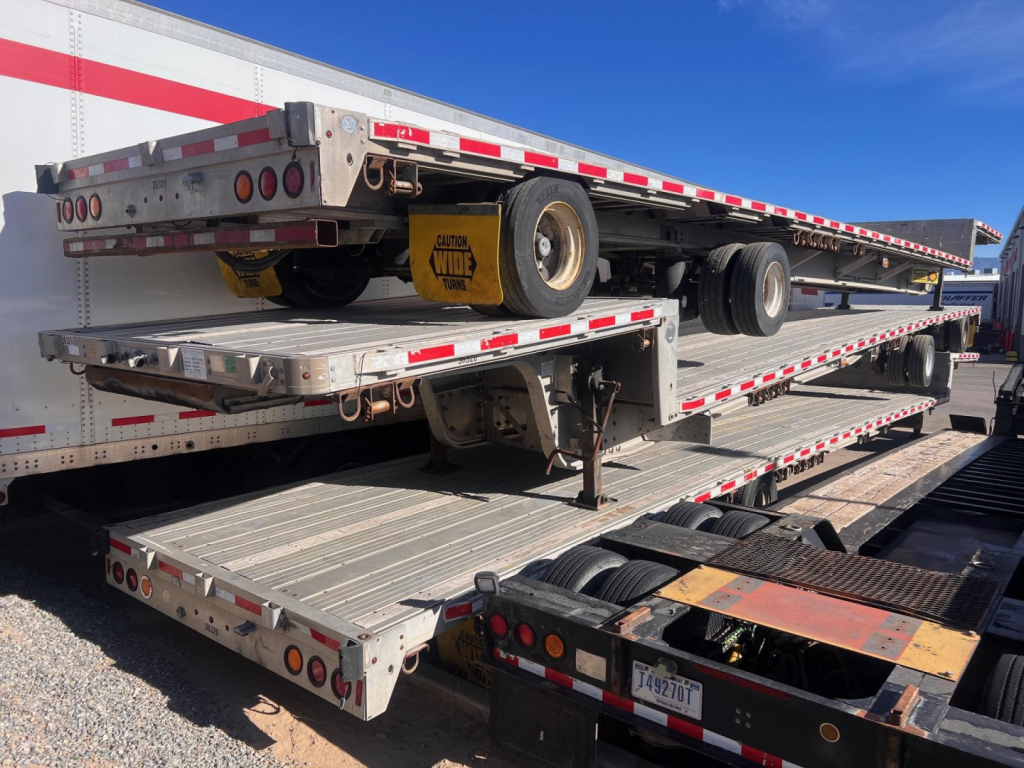
The biggest buying decisions usually come down to trailer weight, deck construction, and securement setup. Aluminum 2016 drop decks can offer a strong payload advantage and are common in freight lanes where every pound matters. Steel trailers generally bring a lower purchase price and can be preferred in harder service. Floor material also matters. Aluminum floors reduce tare weight, while Apitong wood remains popular for mixed freight, forklifts, and concentrated load contact. Buyers should also compare crossmember spacing, coil package reinforcement, side rail design, pipe spools, stake pockets, and winch track placement. Sliding winches on one or both sides, nailing strips, and toolboxes can make a real difference in day-to-day usability.
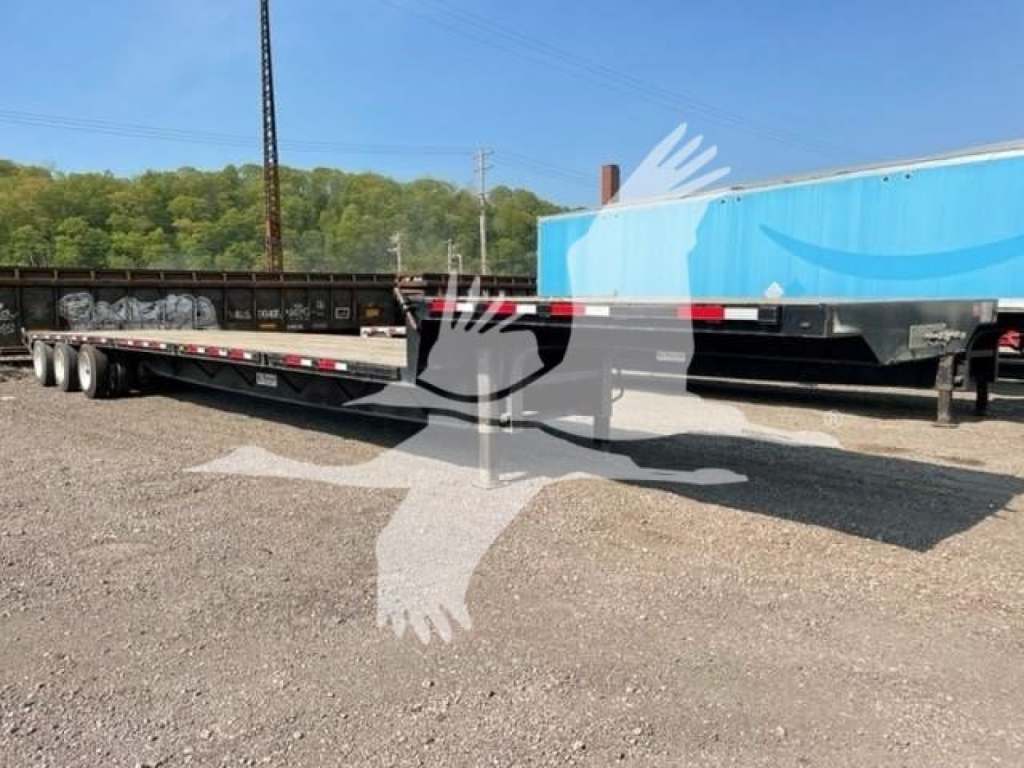
Running gear and deck geometry deserve close attention on any 2016 used trailer. Tandem axle air ride setups are common, often with 22.5 low-profile tires and a 24-inch kingpin setting. Suspension spread, dump valve function, landing gear condition, and brake type all affect how the trailer performs under load and in tight yards. Disc brakes, tire inflation systems, and anti-roll systems show up on some higher-spec trailers from this era and can add value if maintenance history is solid. Deck height is another key checkpoint because a low loaded deck height improves legal load flexibility. If the trailer includes a beavertail and ramps, it may be better suited for equipment hauling than a standard straight-deck step deck.
Condition matters more than badge alone on a used 2016 drop deck trailer. Buyers should inspect the neck transition, upper coupler area, crossmembers, suspension hangers, frame rails, and rear impact guard for repairs, cracks, or corrosion. Floor wear, winch track damage, bent side rails, tire age, brake life, and federal inspection status should all be verified before purchase. A well-maintained 2016 drop deck can still be a productive trailer for regional or over-the-road flatbed work, especially when the spec matches the freight. The best choice is usually the trailer with the right balance of tare weight, deck strength, securement options, and road-ready running gear for the lanes it will actually run.
Frequently Asked Questions about Used 2016 Drop Deck Trailers
What is the difference between a drop deck trailer and a flatbed trailer?
A drop deck trailer, also called a step deck, has two deck levels: a shorter upper deck above the drive tires and a lower main deck behind it. That lower deck gives additional cargo height clearance compared with a standard flatbed trailer. For taller freight, that difference can mean staying legal without permits or route restrictions that a flatbed load might trigger.
What should I inspect first on a used 2016 drop deck trailer?
Start with the frame, neck, and main deck structure because structural condition drives long-term value. Check for cracked welds, repairs around the kingpin area, bent crossmembers, damaged side rails, and corrosion at stress points. After that, inspect suspension components, brakes, tires, floor condition, winch tracks, landing gear, and lighting. Maintenance records and inspection status are also important when comparing trailers of the same age.
Are aluminum or steel 2016 drop deck trailers better?
Neither is automatically better. Aluminum trailers usually weigh less, which helps maximize payload and fuel efficiency in general freight service. Steel trailers are often less expensive to buy and can be a solid option for tougher applications where buyers prioritize durability and lower upfront cost. The right choice depends on freight type, operating region, and how much value you place on tare weight versus purchase price.
What trailer specs matter most when comparing used 2016 drop decks?
Deck length, deck height, width, axle configuration, floor type, and trailer weight are the first specs to compare because they directly affect what freight the trailer can legally and practically haul. Securement features such as stake pockets, pipe spools, winch tracks, and sliding winches are also important. Buyers hauling machinery should also look at beavertail design, ramp setup, and load concentration support such as closer crossmember spacing or coil package reinforcement.
Can a 2016 drop deck trailer still be a good long-term purchase?
Yes, if the trailer has been maintained properly and the structural components are sound. Many 2016 drop deck trailers remain productive in flatbed fleets because the basic design is durable and serviceable. The key is matching condition and specification to the intended work. A lighter aluminum trailer may still perform well in over-the-road freight, while a heavier steel unit may be more appropriate for specialized or harsher jobsite use.