
Used 2016 Manac Drop Deck Trailers For Sale
Shop used 2016 Manac drop deck trailers. Compare steel and combo step deck specs, axle setups, deck height, payload fit, and securement features.
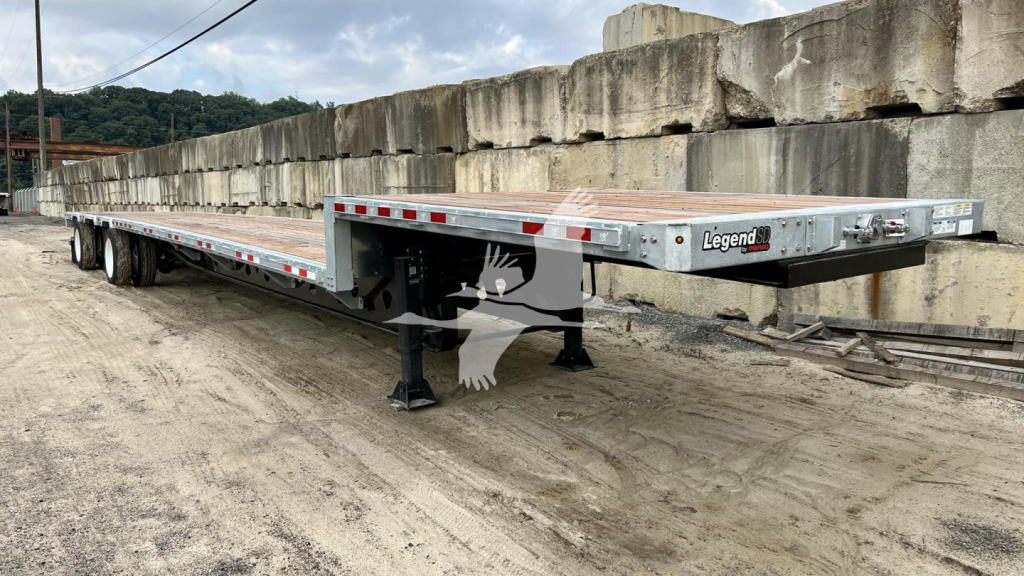
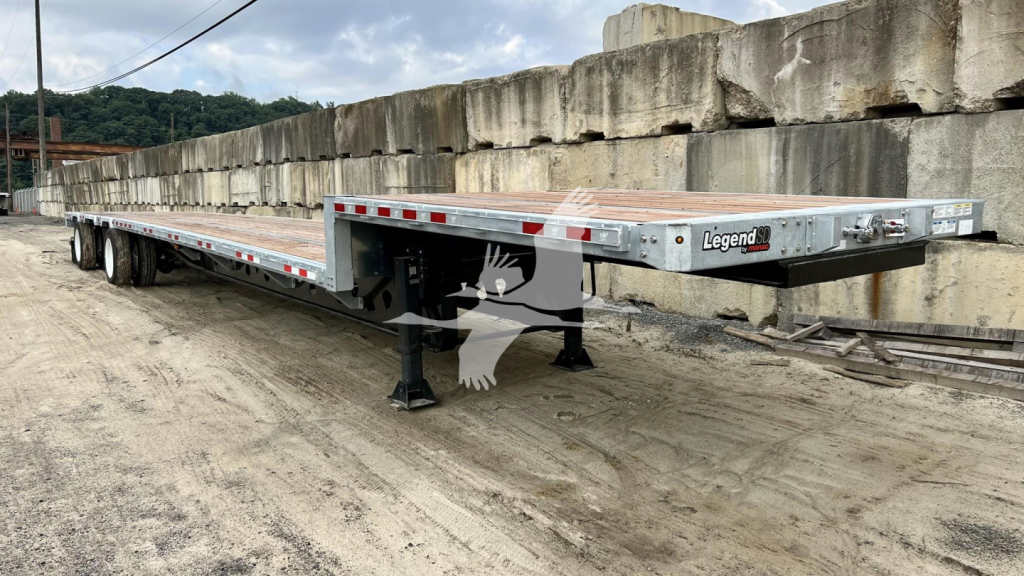
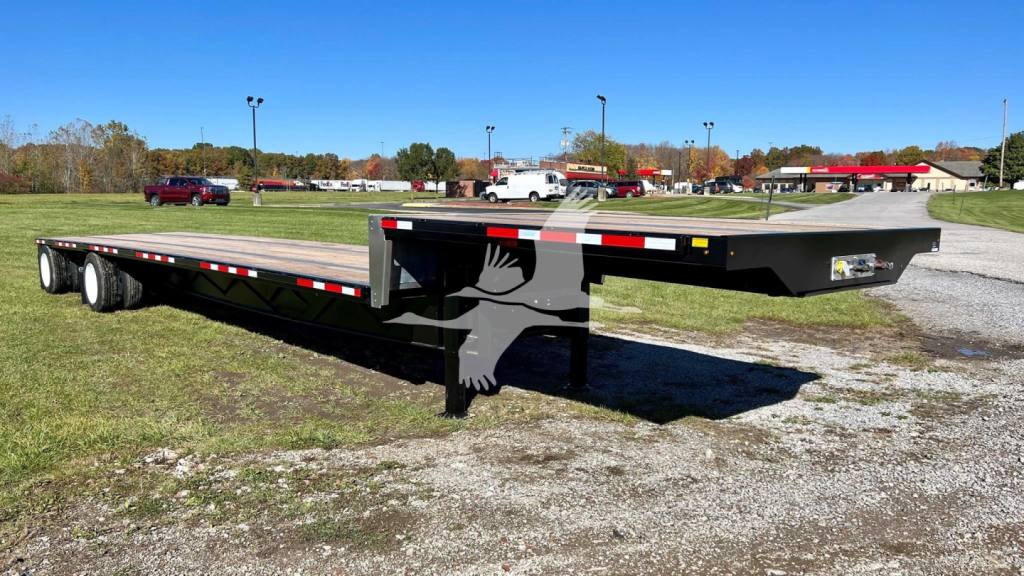
Selling a used 2016 manac drop deck trailer? List your used 2016 manac drop deck trailer for sale and reach thousands of commercial buyers.
Used 2016 Manac Drop Deck Trailers
The first buying decision is usually construction and axle layout. A steel drop deck generally brings a lower purchase price and strong durability in hard-use environments, especially where forklifts, concentrated loads, and frequent deck contact are part of daily work. Combo configurations with steel main beams and aluminum deck components can reduce empty weight and improve payload margin. Common setups include tandem axle, spread axle, and some sliding or California-legal arrangements. Air ride suspension is common and matters for ride quality on sensitive freight, while spread axle configurations can help with bridge distribution but may affect maneuverability and tire wear depending on the lanes you run.
Deck dimensions and securement details matter as much as the badge on the nose. Buyers should confirm upper deck length, lower deck length, loaded deck height, and kingpin setting before comparing listings. On Manac step decks, it is common to see features such as Apitong flooring, pipe spools, winch tracks, sliding winches, nail strips, and steel or aluminum side rails. These details directly affect how quickly the trailer can be loaded and how well it fits machinery, building materials, palletized freight, or oversized loads that need the extra deck drop. Tire size, wheel material, crossmember spacing, and landing gear brand are worth checking too, especially on used units that may have seen heavy regional or specialized service.
On a used 2016 trailer, condition should be judged around the frame, suspension, floor, and running gear first. Check for rail and beam damage, deck repairs, cracked welds, suspension wear, and signs of axle misalignment. Inspect the winch track, chain ties, lighting, air system, and any sliding axle components for proper operation. Manac has a strong reputation for heavy-duty trailer construction, so a well-maintained 2016 drop deck can still be a solid revenue trailer if the structure is straight and the maintenance history supports it.
Frequently Asked Questions about Used 2016 Manac Drop Deck Trailers
What is the difference between a drop deck trailer and a flatbed trailer?
A drop deck trailer, also called a step deck trailer, has two deck levels instead of one continuous flat platform. The lower main deck sits closer to the ground, which allows taller freight to be hauled legally without the height restrictions a standard flatbed may run into. That makes a drop deck a common choice for equipment, crated machinery, and taller palletized loads that still need open-deck access.
What should I look for on a used 2016 Manac drop deck trailer?
Focus on structural condition before cosmetics. Inspect the main beams, upper and lower deck transitions, crossmembers, side rails, and rear frame for cracks, bends, and repair history. Check the floor for rot, excessive forklift damage, and loose fasteners. Then inspect the suspension, axle alignment, brakes, tires, air lines, lights, and securement equipment such as winch tracks, sliding winches, D-rings, and pipe spools. A clean maintenance record and a straight frame matter more than paint on a working step deck.
Are 48-foot or 53-foot Manac drop decks better for most operations?
It depends on the freight and the lanes. A 48-foot drop deck is common for general freight and can be easier to position in tighter job sites or customer yards. A 53-foot trailer gives more deck length and more flexibility for longer freight, but it may add weight and can be less convenient in restricted delivery points. Buyers should match deck length to their average load profile, permit needs, and bridge law requirements in the states they run.
Is a steel Manac drop deck better than a combo trailer?
Steel trailers are often preferred for hard-use applications because they tolerate repeated loading abuse and concentrated forklift traffic well. They are usually heavier, which can reduce payload compared with a combo design. A combo trailer, typically using steel main beams with aluminum components, can improve payload and corrosion resistance while still maintaining strength. The better choice depends on whether your priority is maximum durability, lighter tare weight, or a balance of both.
Why does axle configuration matter on a drop deck trailer?
Axle layout affects bridge compliance, ride quality, maneuverability, and tire life. Tandem axle trailers are simple and widely accepted for general use. Spread axle trailers can help distribute weight and may improve legal loading flexibility, but they often scrub tires more in tight turns. Sliding axle or California-legal configurations are useful for operations that need to fine-tune weight distribution or meet specific state requirements. Matching the axle setup to your freight and operating region is a key part of buying the right used trailer.