
Used 2016 Transcraft Drop Deck Trailers For Sale in Pennsylvania
Browse used 2016 Transcraft drop deck trailers with specs buyers want, including deck length, axle setup, weight, suspension, and tiedown options.
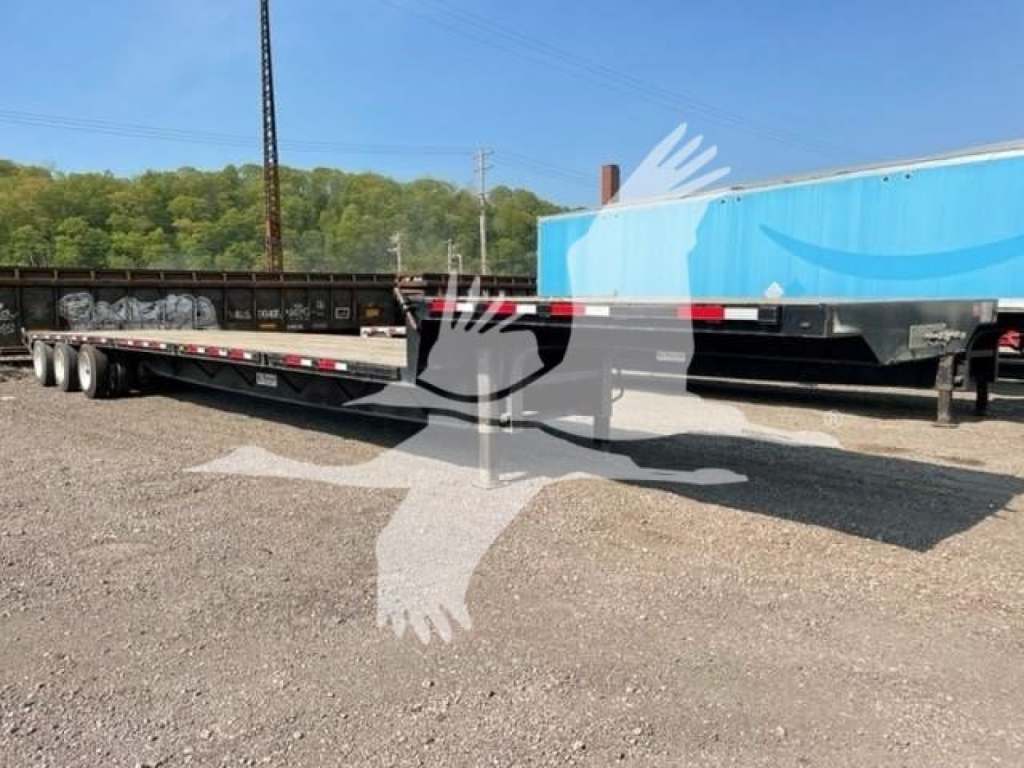
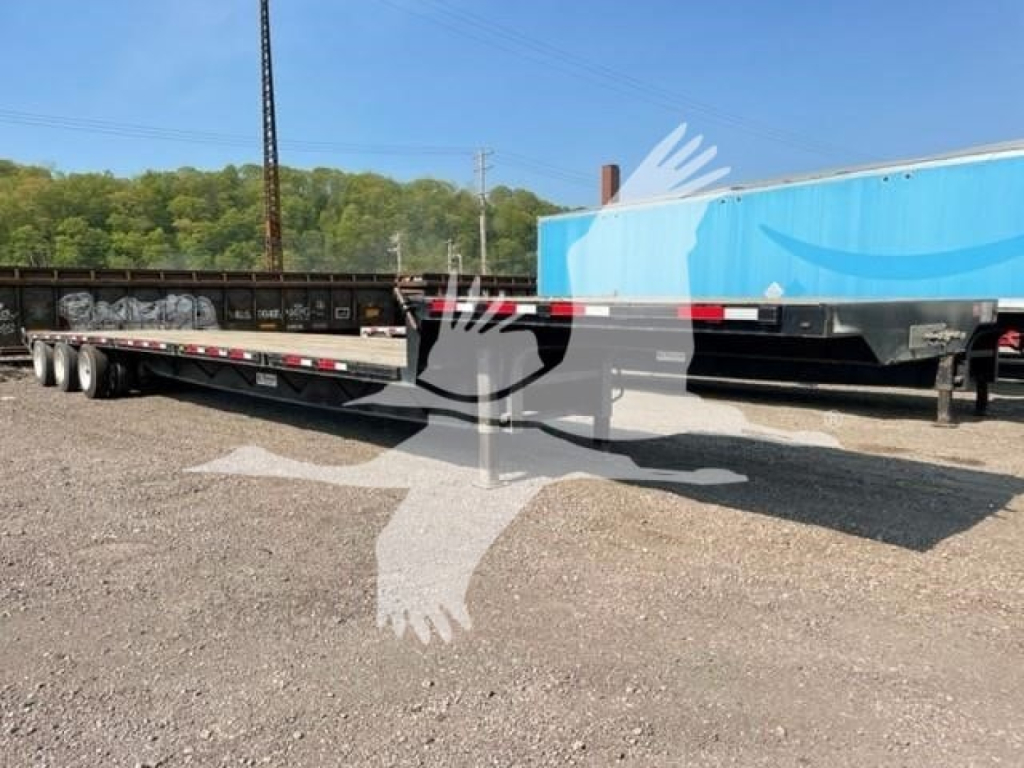
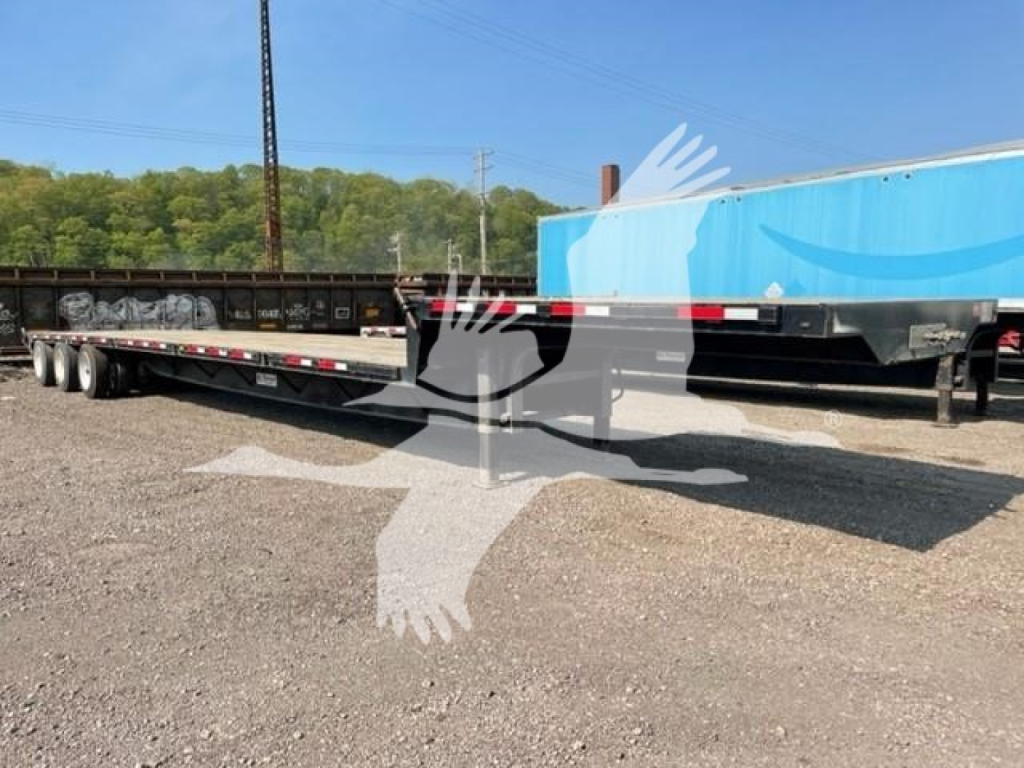
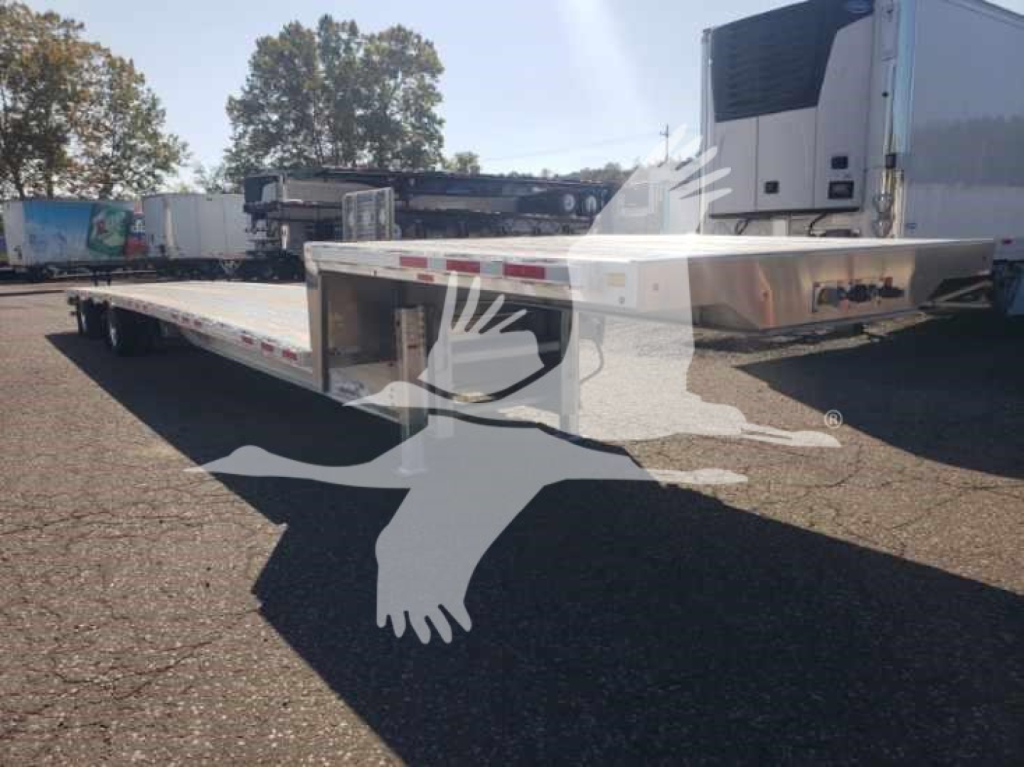
Selling a used 2016 transcraft drop deck trailer? List your used 2016 transcraft drop deck trailer for sale and reach thousands of commercial buyers.
Used 2016 Transcraft Drop Deck Trailers in Pennsylvania
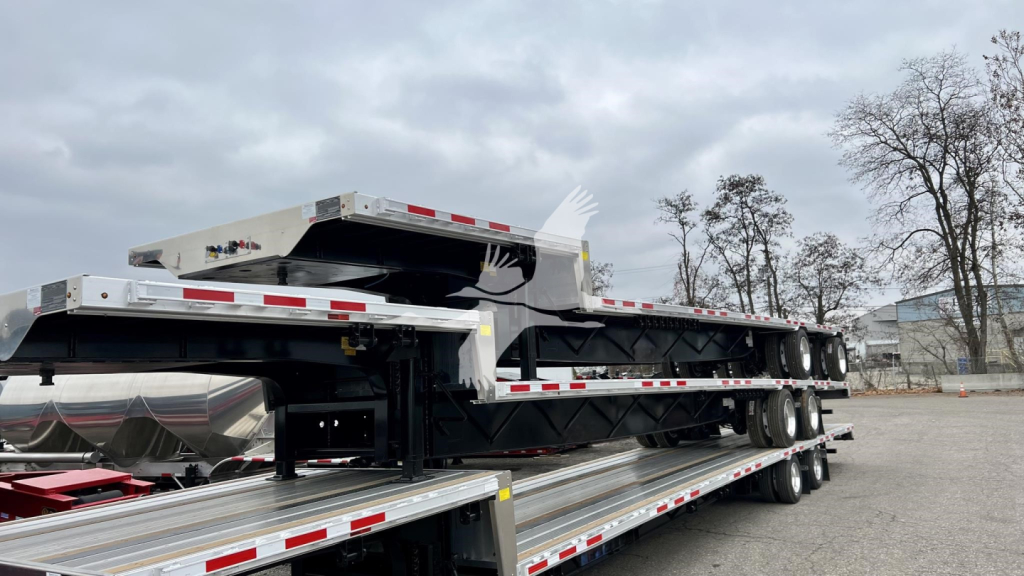
The first buying decision is usually deck configuration. Many 2016 Transcraft drop decks in the market are 48-foot or 53-foot trailers with a 102-inch width, top decks around 10 to 11 feet, and main decks in the upper 30-foot to low 40-foot range. Main deck height often lands around 40 inches, which is a key number for buyers trying to maximize legal loaded height. Steel models tend to weigh more but can appeal to buyers hauling concentrated loads or working in severe-duty conditions. Aluminum or combination designs reduce tare weight and can improve payload, but condition matters more than brochure specs on a used trailer. Check deck floor wear, crossmember spacing, side rail integrity, and signs of concentrated load stress around coil package areas or heavy equipment tie-down points.
On 2016 Transcraft units, buyers should pay close attention to axle layout, suspension, and tiedown hardware. Tandem axle trailers are common for general freight, while tri-axle configurations can make sense for heavier applications or regional bridge-law requirements. Air ride suspensions such as Hendrickson setups are common and worth inspecting for bushing wear, ride height consistency, and axle alignment. Features like rear axle dump valves, lift axles, 10-foot-plus spread settings, and kingpin settings affect turning, loading flexibility, and state compliance. Freight securement details also matter: roadside or dual winch tracks, sliding winches, double pipe spools, pin pockets, chain tie-down systems, and coil packages all change how versatile the trailer will be across different loads.
Pennsylvania buyers often look at these trailers through the lens of mixed freight, seasonal road conditions, and regional steel or construction work. A 2016 Transcraft drop deck with an Apitong floor, sound landing gear, solid lighting, and clean air system can still be a productive trailer if the structure is straight and the wear points are honest. Look closely at frame rails, upper coupler area, suspension hangers, rear impact guard, and any tail roller or specialized rear structure if the trailer has been used for equipment loading. Tire size, wheel type, mud flap bracket placement, and brake condition are routine items, but the larger value question is whether the trailer’s deck length, axle spread, and securement package match the freight you actually haul.
Frequently Asked Questions about Used 2016 Transcraft Drop Deck Trailers in Pennsylvania
What is the typical deck setup on a 2016 Transcraft drop deck trailer?
Most 2016 Transcraft drop deck trailers are built in 48-foot or 53-foot overall lengths with a 102-inch width. Top decks are commonly around 10 to 11 feet long, with the lower main deck taking the balance of the trailer length. Main deck height is often around 40 inches, which gives more loaded height room than a standard flatbed. Exact dimensions vary by axle configuration, frame design, and any special rear equipment such as a tail roller.
Is a steel 2016 Transcraft drop deck better than an aluminum or combo model?
It depends on the freight mix and how hard the trailer works. Steel trailers usually carry more tare weight, but they are often preferred for severe-duty applications, concentrated loads, and buyers who value a heavier structural build. Aluminum or combination trailers reduce empty weight and can improve payload for legal freight. On a used 2016 model, the real comparison should be structural condition, floor condition, crossmember integrity, and repair history rather than material alone.
What should I inspect first on a used 2016 Transcraft drop deck?
Start with the frame, deck, and suspension. Check the main beams for cracks, repairs, corrosion, or signs of overloading. Inspect the Apitong or aluminum floor for soft spots, gouging, and fastener issues. Look at crossmembers, winch track condition, pipe spools, and side rails for damage from chains and binders. Then inspect air ride components, axle alignment, brake wear, tires, wheel ends, lights, and landing gear. On specialized units, also inspect coil package areas, lift axle operation, dump valves, and tail roller assemblies.
Are tri-axle 2016 Transcraft drop deck trailers worth considering?
A tri-axle setup can be a strong choice if the trailer is going to handle heavier freight or operate in regions where bridge spacing and axle distribution matter. Tri-axle trailers can improve legal loading flexibility, but they also add weight, complexity, and tire and brake maintenance. Buyers should make sure the extra axle matches actual load requirements and local regulations. If most loads are standard legal freight, a tandem axle trailer may be the more efficient setup.
Why do kingpin setting and axle spread matter on a drop deck trailer?
Kingpin setting and axle spread affect weight distribution, tractor compatibility, turning characteristics, and compliance in different states. A common kingpin setting on Transcraft drop decks may be 18 or 24 inches, and axle spacing can vary from standard tandem layouts to wide spreads or tri-axle groupings. These measurements influence how well the trailer balances cargo, how it scales, and whether it fits your operating region. Buyers should compare those specs to the wheelbase and fifth wheel position of the tractor that will pull it.