
Used Transcraft Drop Deck Trailers For Sale
Shop used Transcraft drop deck trailers with common specs, deck lengths, axle setups, and load securement features for freight versatility.
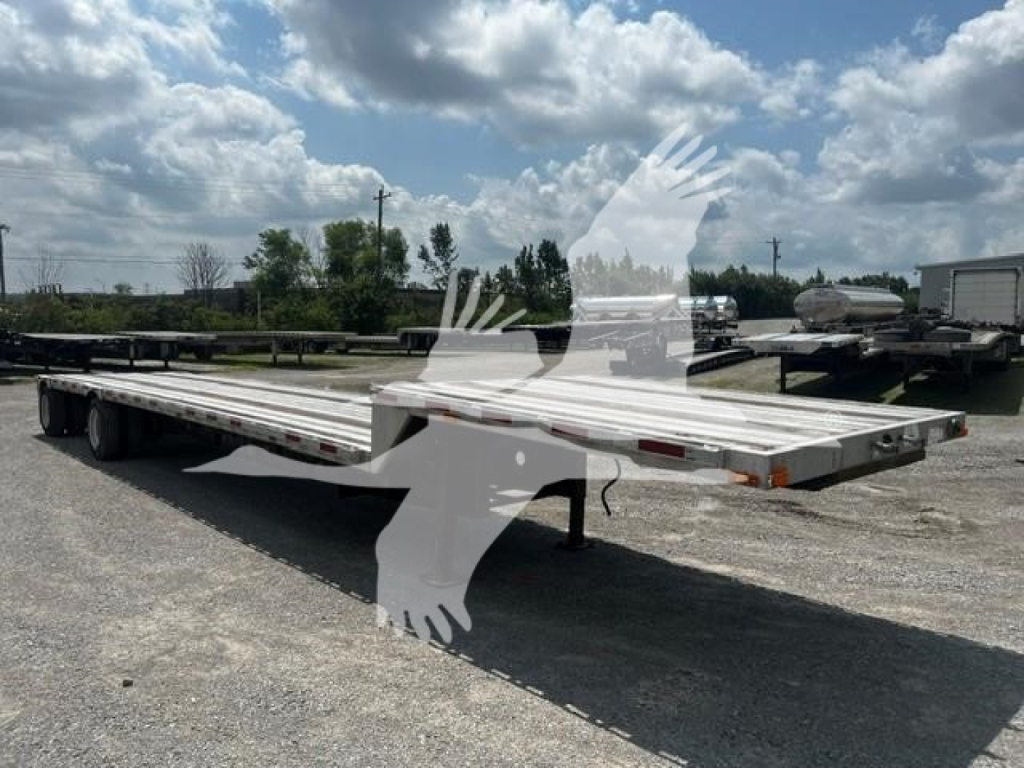
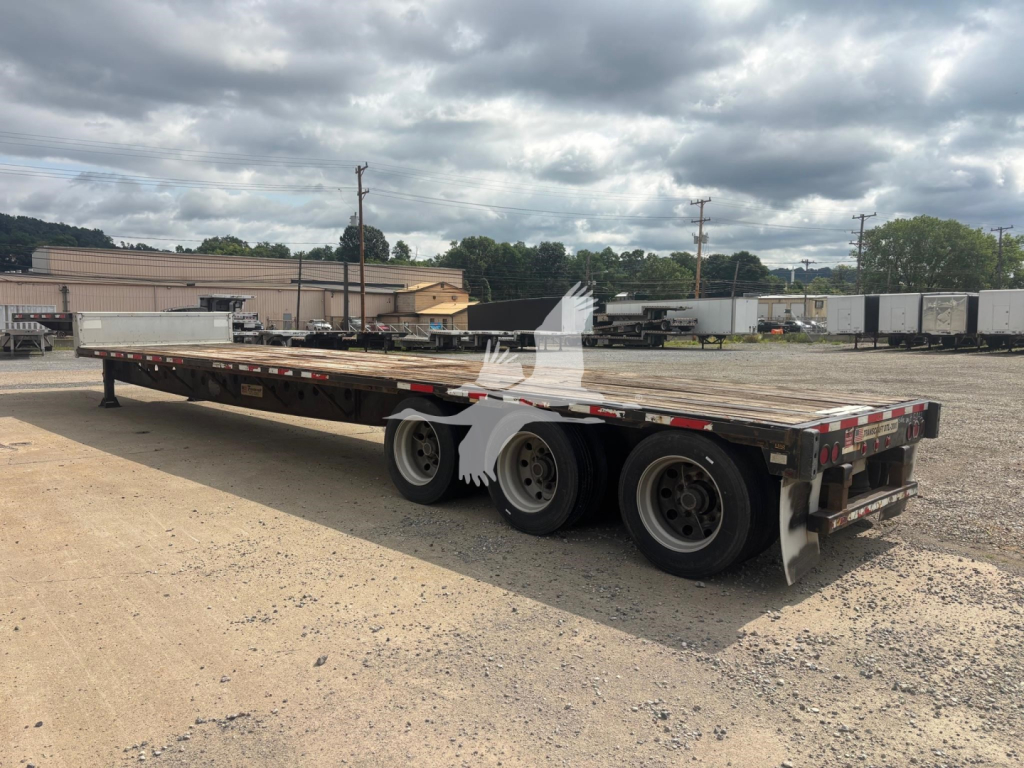
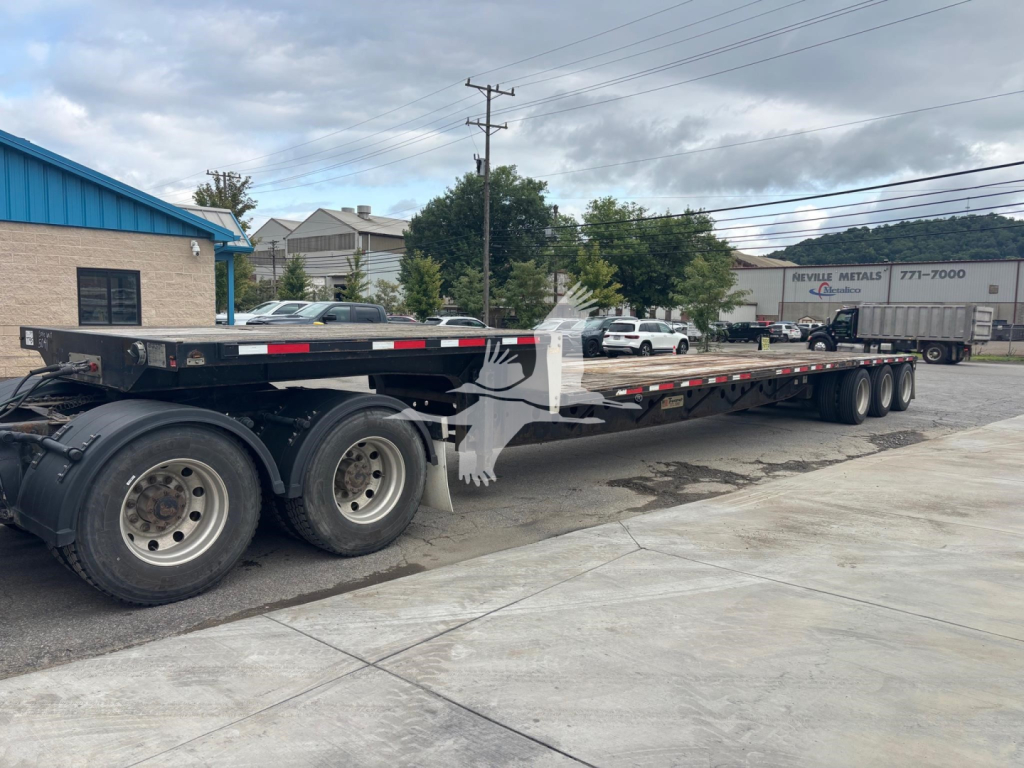
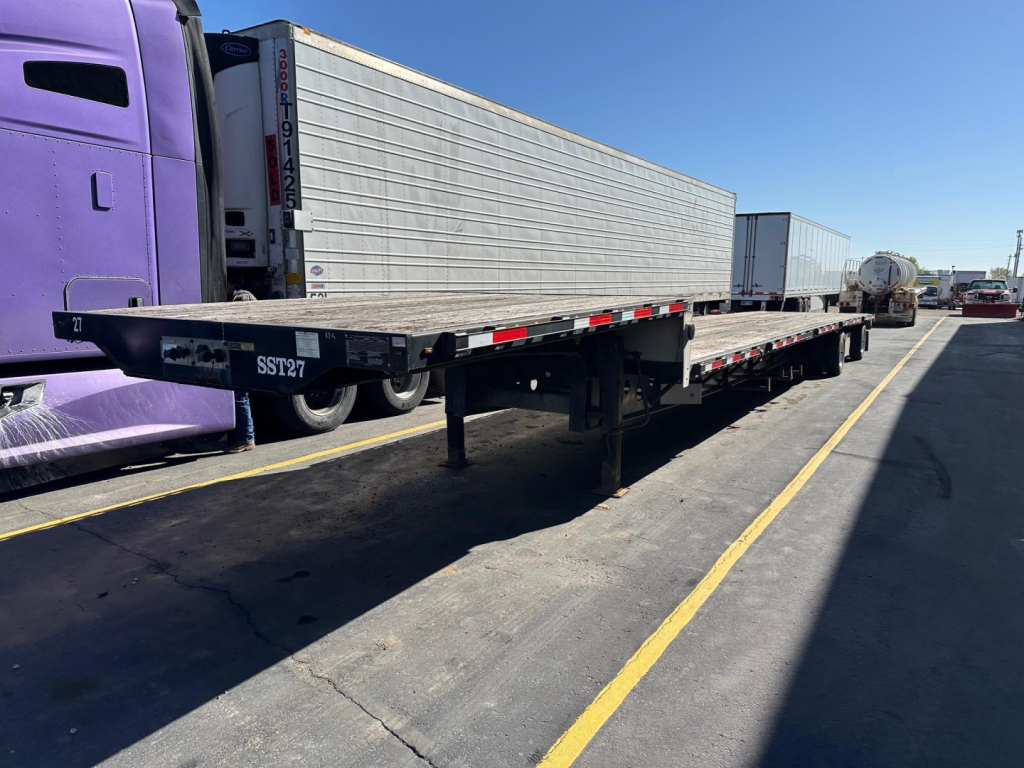
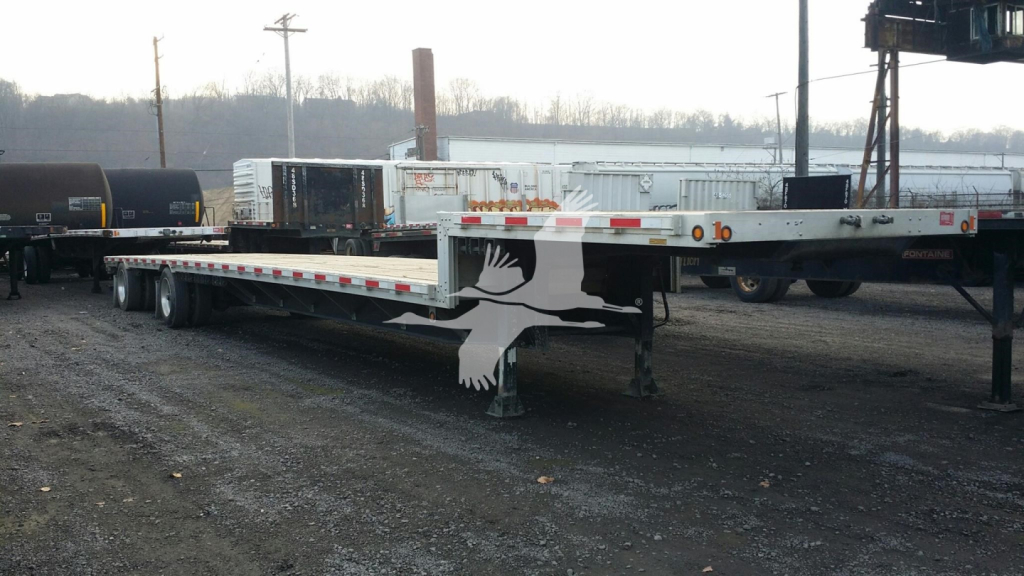
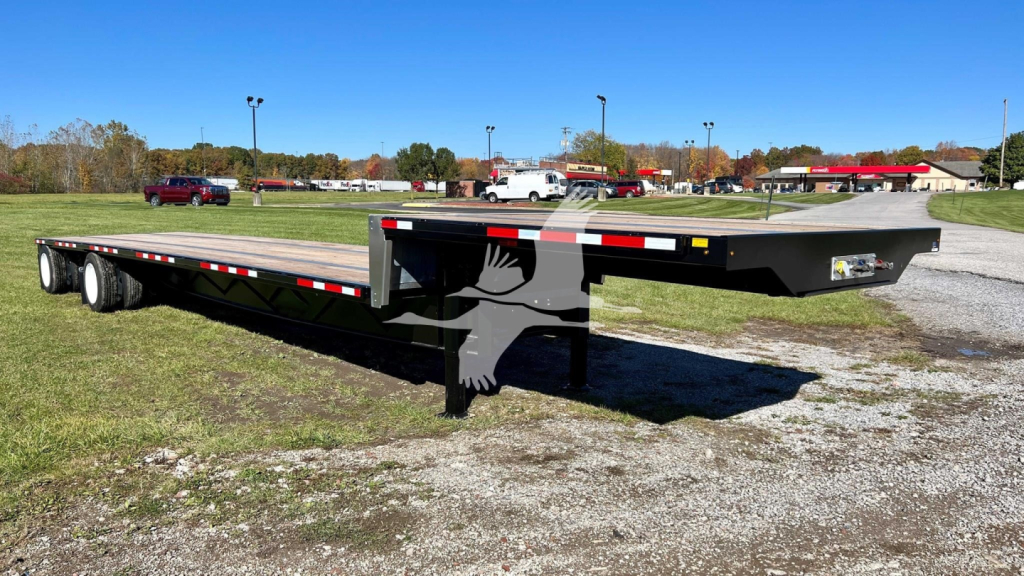
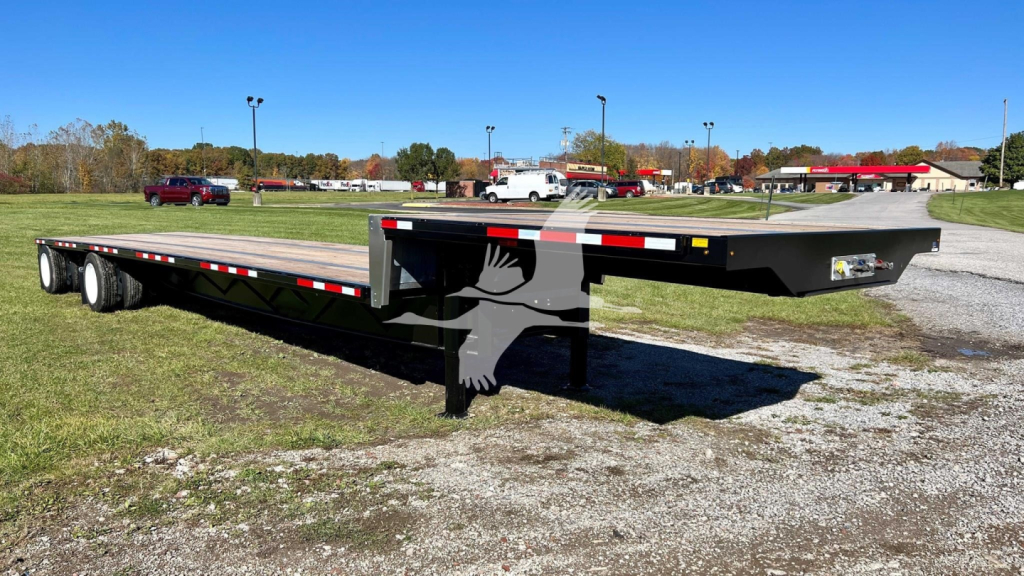
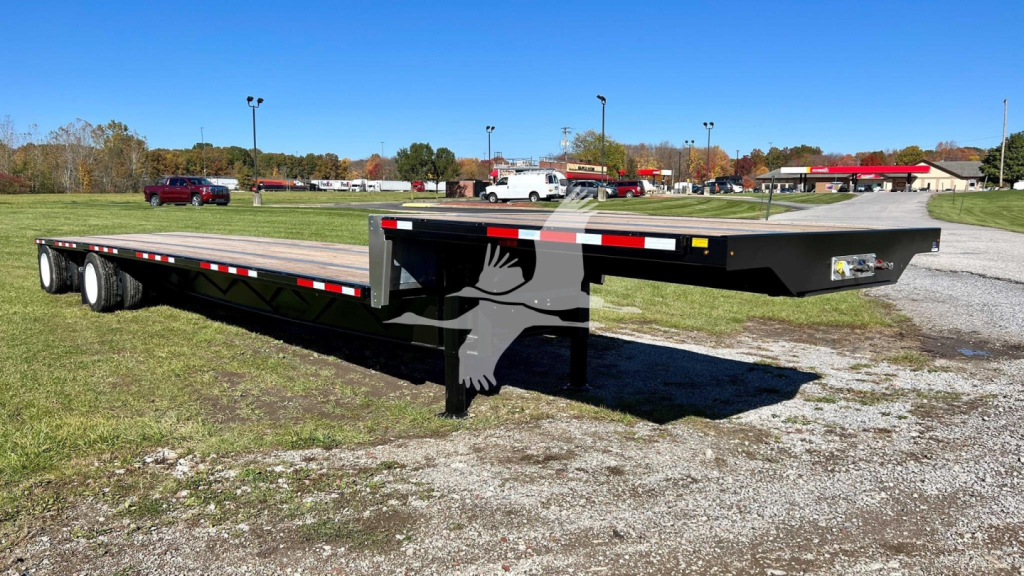
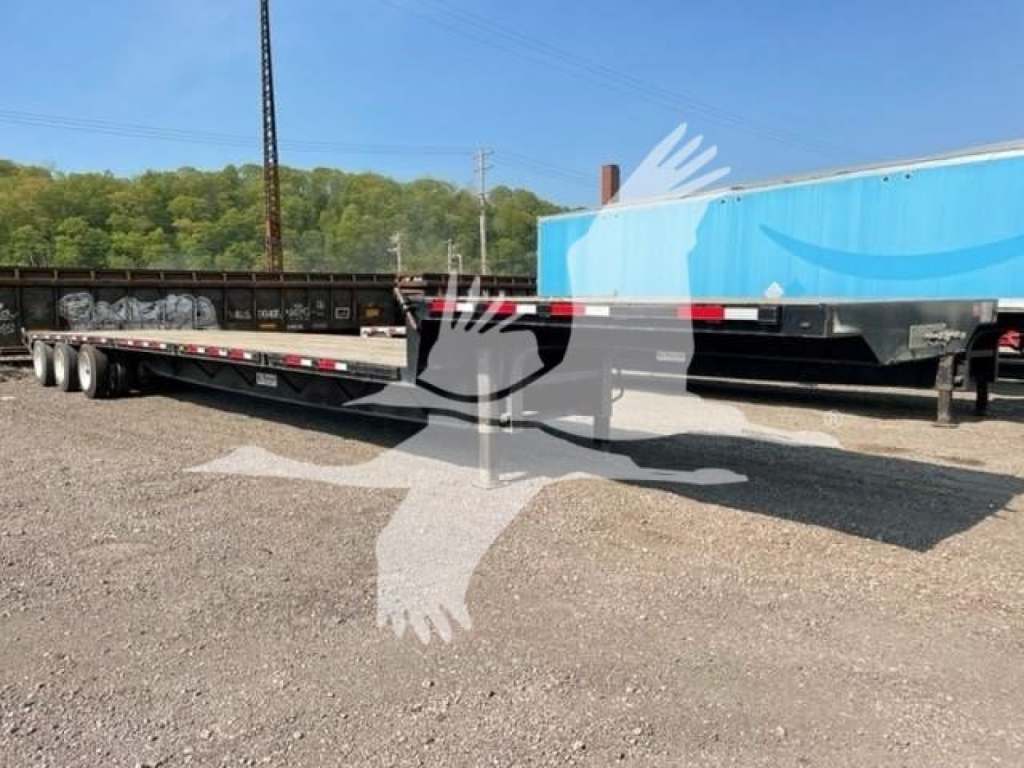
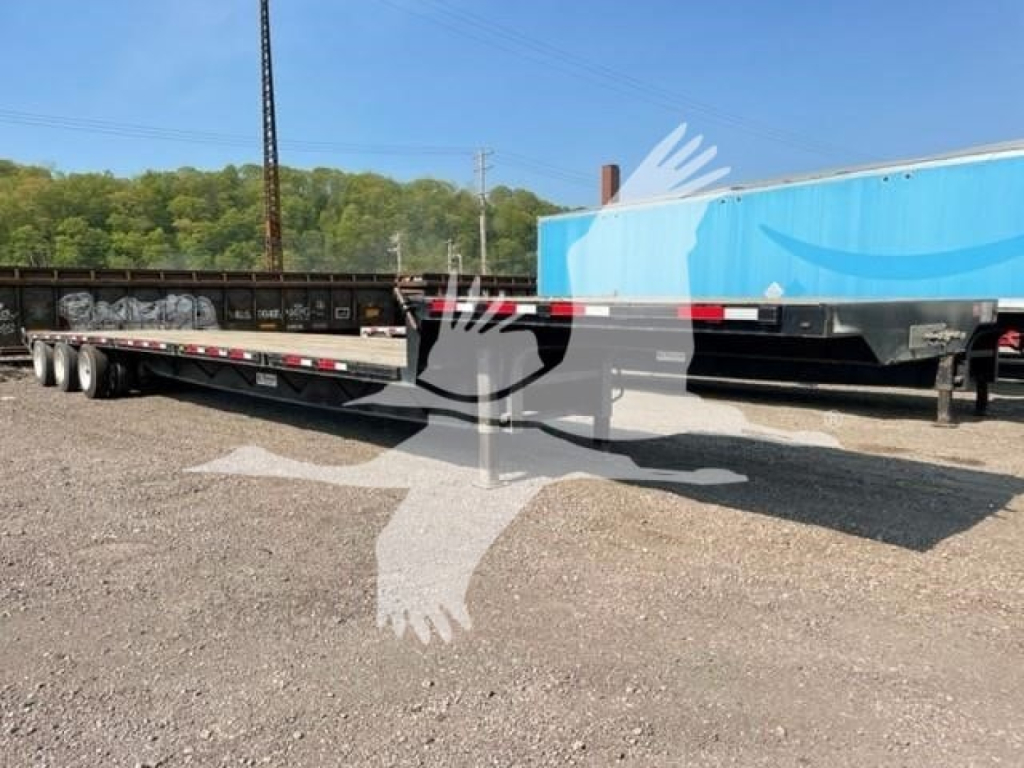
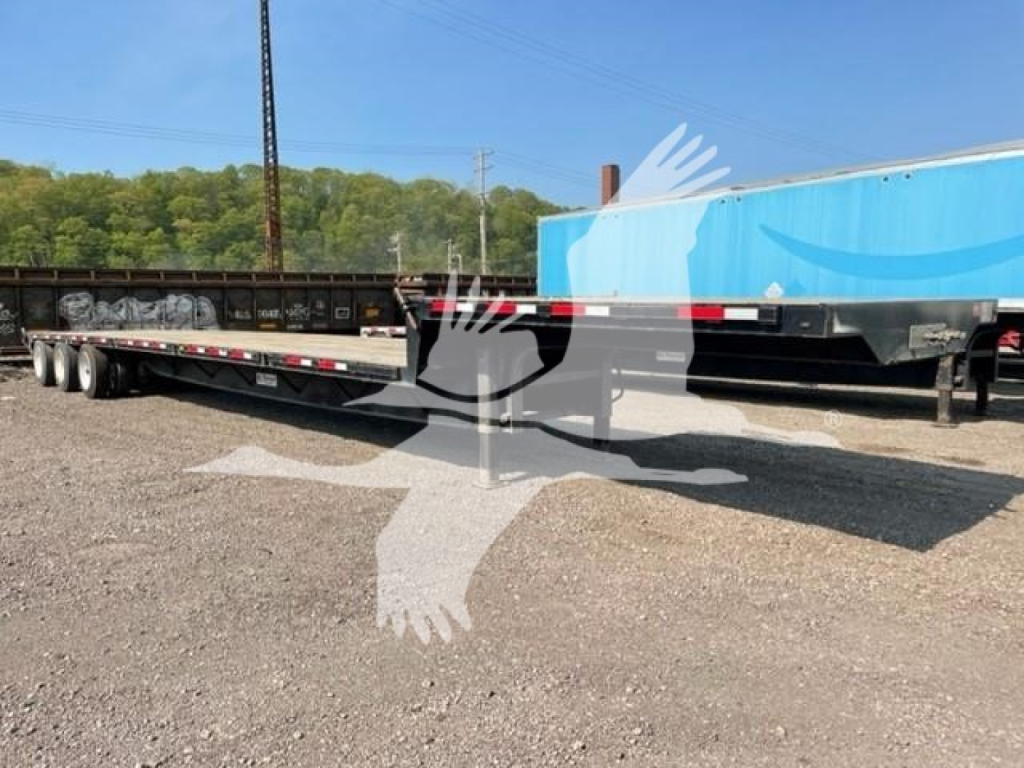
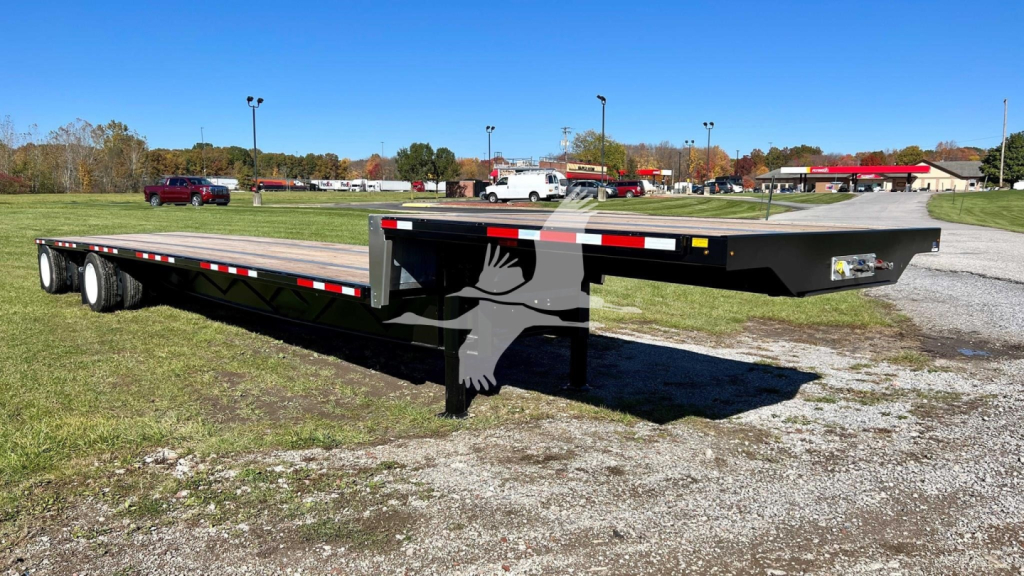
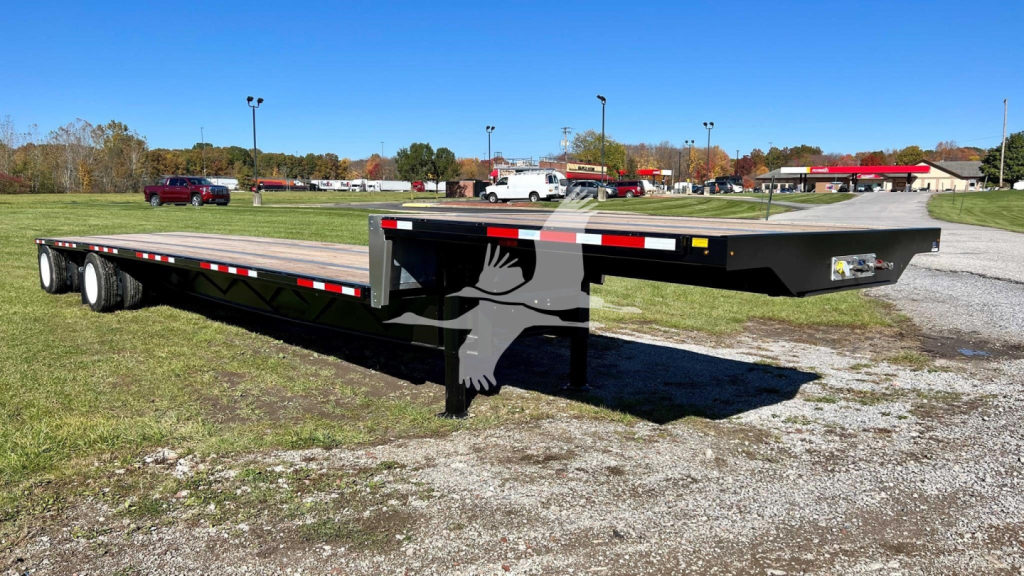
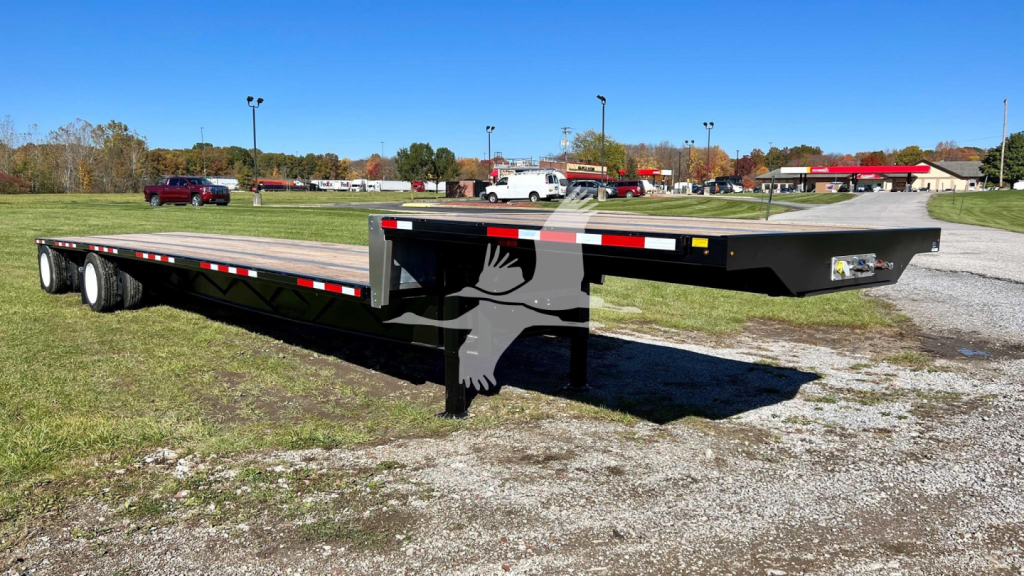
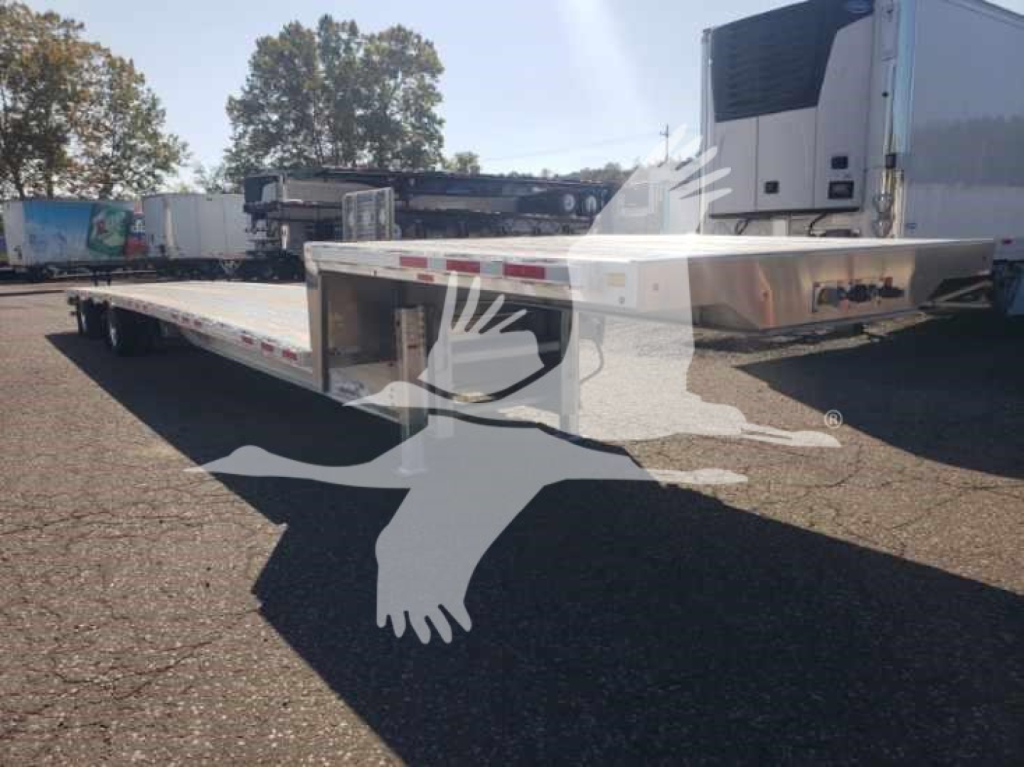
2016 Transcraft Aluminum Drop
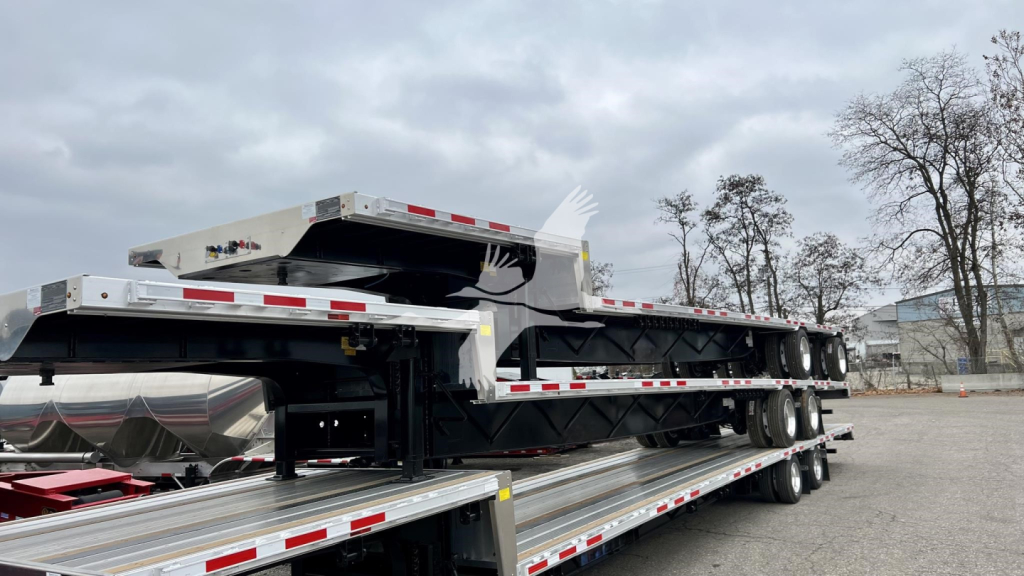
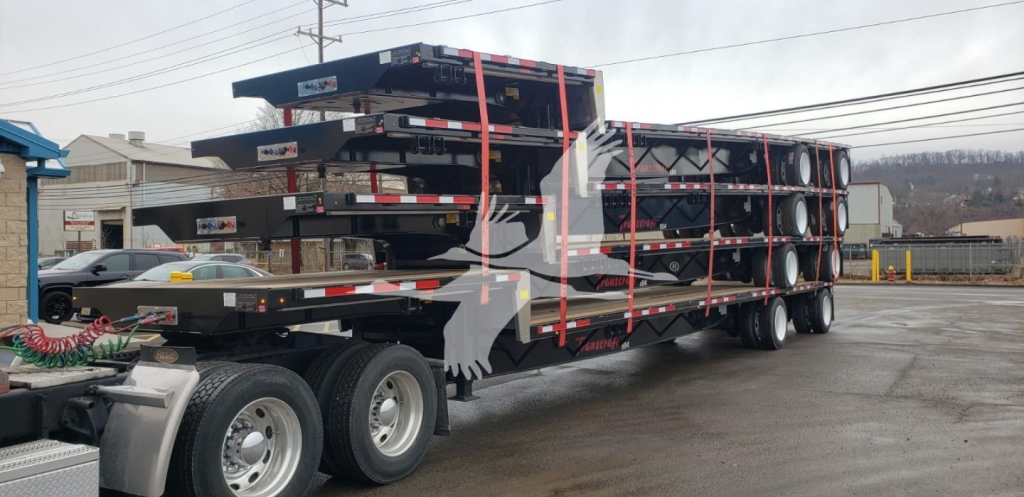
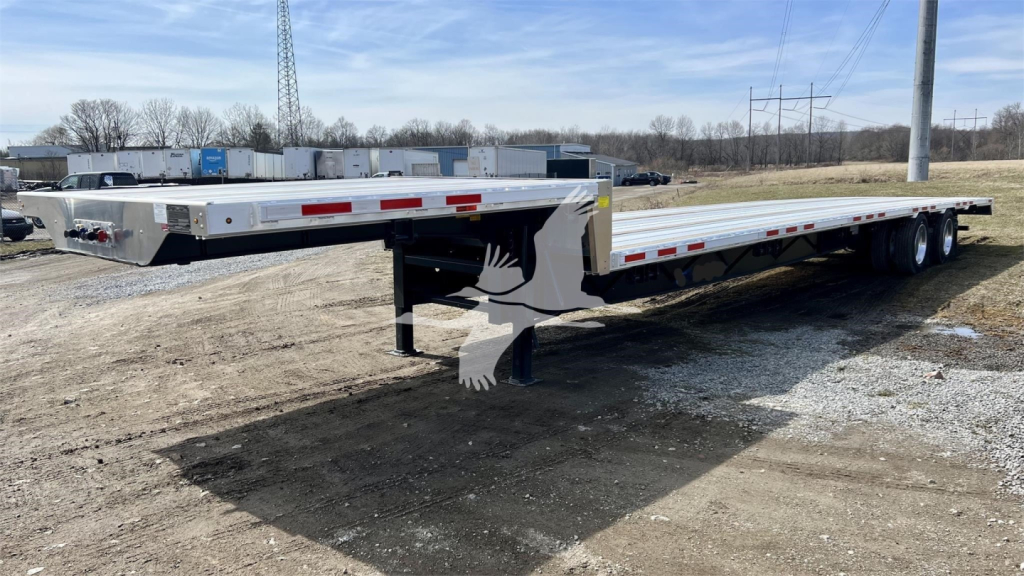
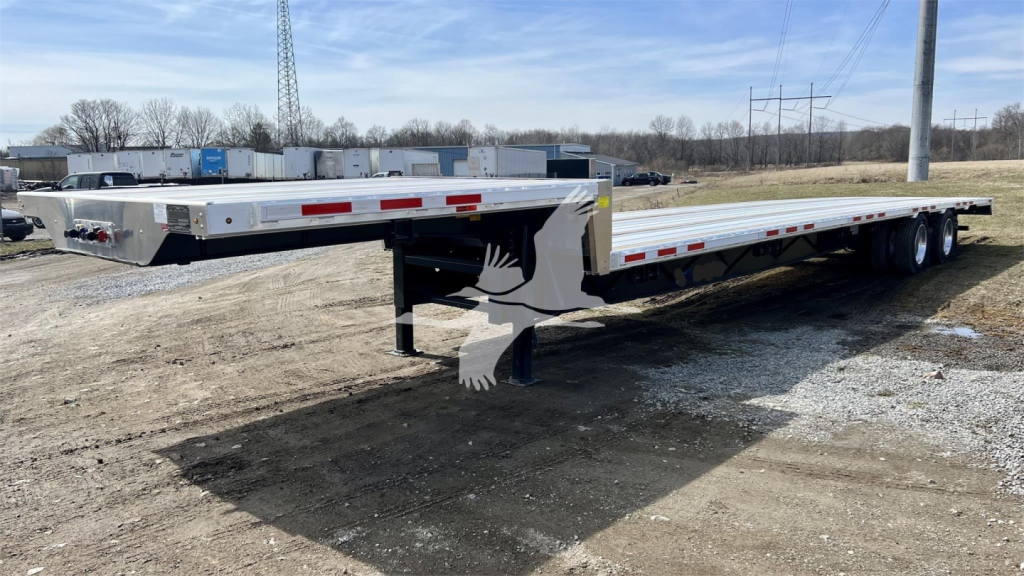
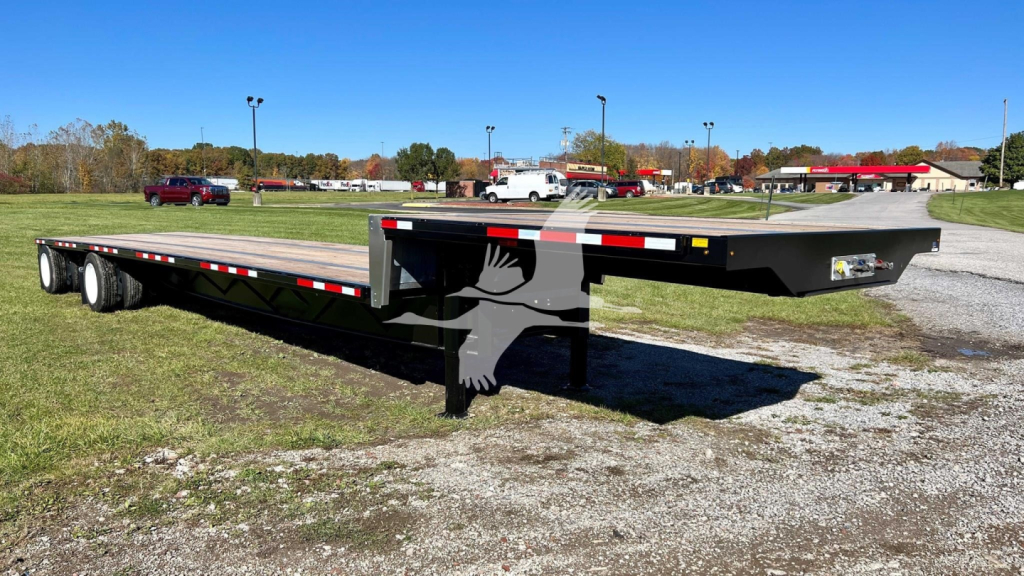
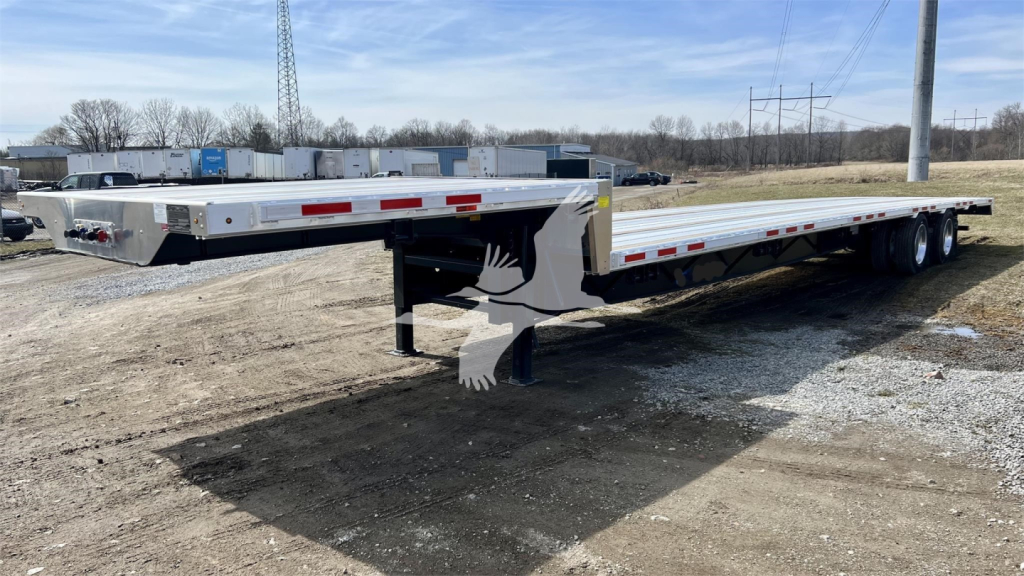
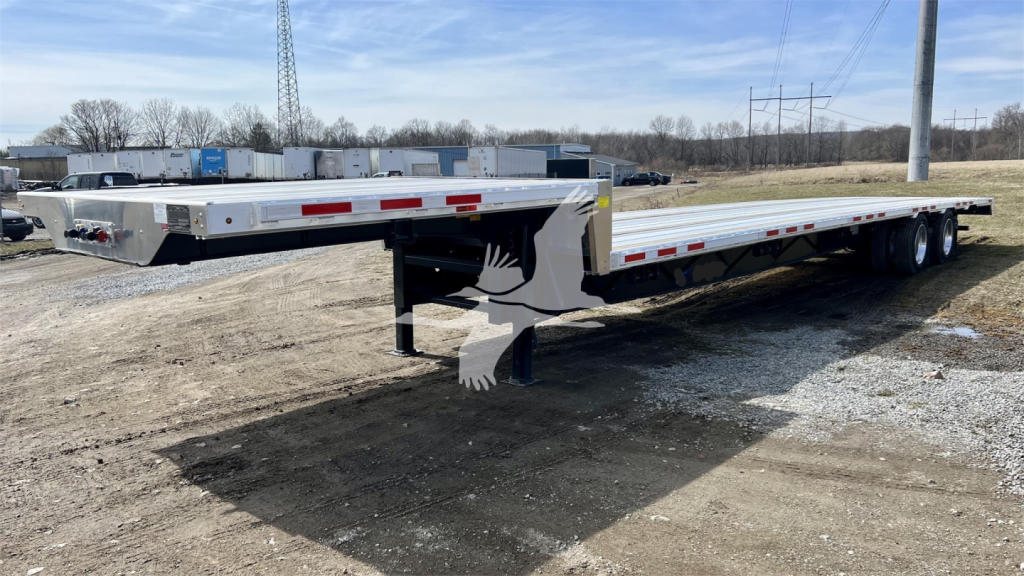
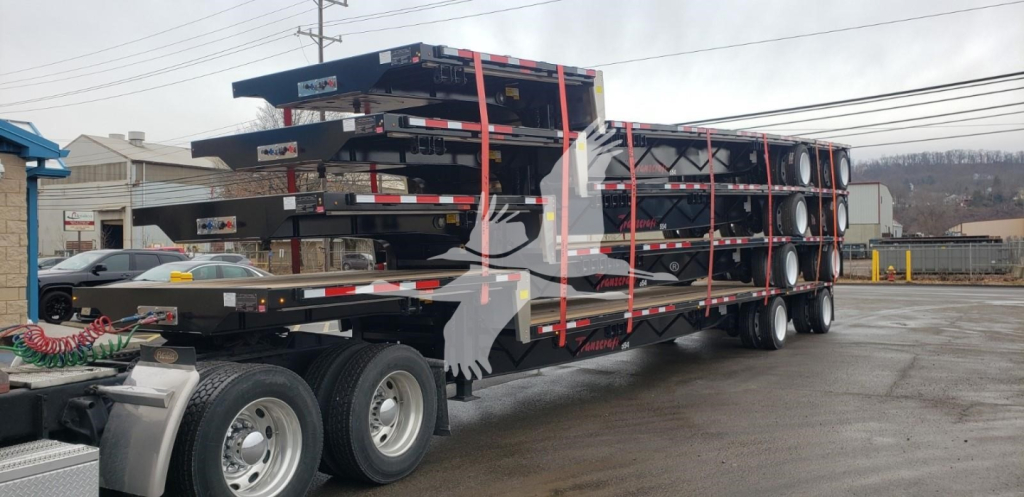
Selling a used transcraft drop deck trailer? List your used transcraft drop deck trailer for sale and reach thousands of commercial buyers.
Used Transcraft Drop Deck Trailers
One of the biggest buying decisions on a used Transcraft drop deck is aluminum versus steel construction. Aluminum models usually save several thousand pounds, which matters for payload-sensitive operations, while steel models generally appeal to buyers who prioritize durability, repair familiarity, and lower upfront cost. Floor construction is another major point. Apitong floors remain popular for concentrated freight and forklift traffic, while aluminum floors with apitong nail strips can reduce tare weight and still give you secure attachment points. Look closely at crossmember spacing, side rail design, and front and rear member material if the trailer will see repeated loading from heavy equipment, coils, or dense industrial freight.
Axle layout and suspension setup matter as much as deck dimensions. Many used Transcraft step decks in this class run air ride suspension with Hendrickson Intraax components, and buyers will commonly find tandem axle and spread axle versions. A sliding rear axle or a California-legal setting can help with bridge law compliance and regional flexibility, while a tridem or spread configuration may better fit heavier commodity work. Kingpin setting, usually around 18 to 24 inches, should be matched to your tractor frame, swing clearance, and weight distribution needs. It is also worth checking for lift axles, dump valves, and tire size consistency, especially if the trailer will move between states with different axle weight practices.
Load securement features often separate a basic drop deck from one that works efficiently every day. On used Transcraft trailers, common items include roadside or dual-sided winch tracks, sliding winches, chain tie-downs, pipe spools, stake pockets, and integrated tie bar arrangements. Buyers hauling steel, lumber, or machinery should pay attention to the number and placement of securement points, plus practical details such as landing gear brand, rear light layout, mud flap bracket location, and tail rollers. Beam ratings and concentrated load capacity are especially important if the trailer will carry forklifts, skid steers, or narrow-track equipment. A good used Transcraft drop deck should be evaluated not just by year and appearance, but by tare weight, deck height, axle specification, floor condition, and how well the securement package matches the freight mix.
Frequently Asked Questions about Used Transcraft Drop Deck Trailers
What is the difference between a Transcraft drop deck trailer and a standard flatbed?
A Transcraft drop deck trailer has an upper deck over the tractor frame and a lower main deck behind it, which creates more vertical loading space than a standard flatbed. That lower deck height is the main advantage. It allows taller freight to move legally without requiring the extreme low deck of a lowboy. For many open-deck applications, a drop deck is the practical middle ground between a flatbed and a specialized heavy haul trailer.
What deck lengths are common on used Transcraft drop deck trailers?
Common used Transcraft drop deck trailers are often 48 feet or 53 feet overall, with top decks around 10 to 11 feet and main decks roughly 38 to 43 feet. The right layout depends on the freight. A 48-foot trailer can be a strong fit for regional and machinery work, while a 53-foot trailer offers more deck space for general commodity hauling. Buyers should compare total deck length with legal axle spacing, kingpin setting, and the actual load footprint they expect to haul.
Should I choose an aluminum or steel Transcraft step deck?
An aluminum Transcraft step deck usually offers lower empty weight, which helps maximize legal payload and improves efficiency in weight-sensitive operations. A steel trailer generally weighs more but can be attractive for demanding service, lower acquisition cost, and straightforward repairs in many shops. The best choice depends on your freight mix, maintenance strategy, and how much value you place on tare weight versus structural ruggedness.
What features matter most on a used drop deck trailer for load securement?
The most important load securement features usually include winch track placement, number of sliding winches, chain tie-downs, stake pockets, pipe spools, and the condition of the floor and side rails. Buyers hauling machinery or dense freight should also check beam ratings, crossmember spacing, and whether the trailer has practical additions like a tail roller or dual-sided securement access. The goal is to match the trailer's tie-down layout to the commodities you haul every week, not just the occasional load.
What should I inspect first on a used Transcraft drop deck trailer?
Start with the structural and operational items that affect service life and compliance. Check the floor for wear, rot, or damage, inspect the crossmembers and side rails for repairs or cracking, and verify suspension condition, axle alignment, brakes, tires, and wheel ends. Then confirm the kingpin area, landing gear, lighting, air ride components, and all securement hardware. On a drop deck, deck height, axle spread, and tare weight should also be verified because they directly affect what freight the trailer can legally and profitably haul.