
Used 2023 Transcraft Drop Deck Trailers For Sale
Browse used 2023 Transcraft drop deck trailers. Compare 48-foot specs, deck height, tie-down options, suspension, and weight-saving designs.
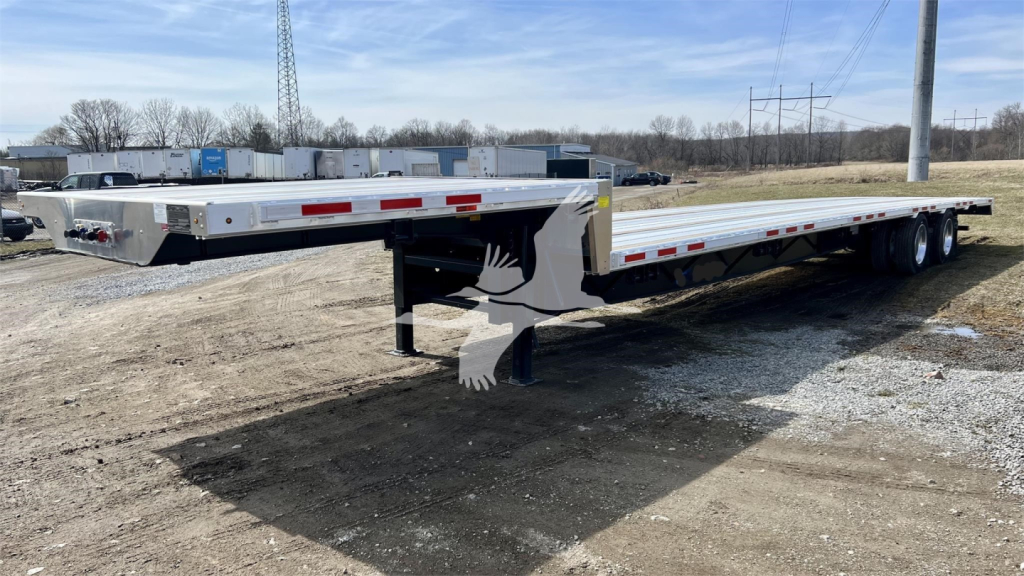
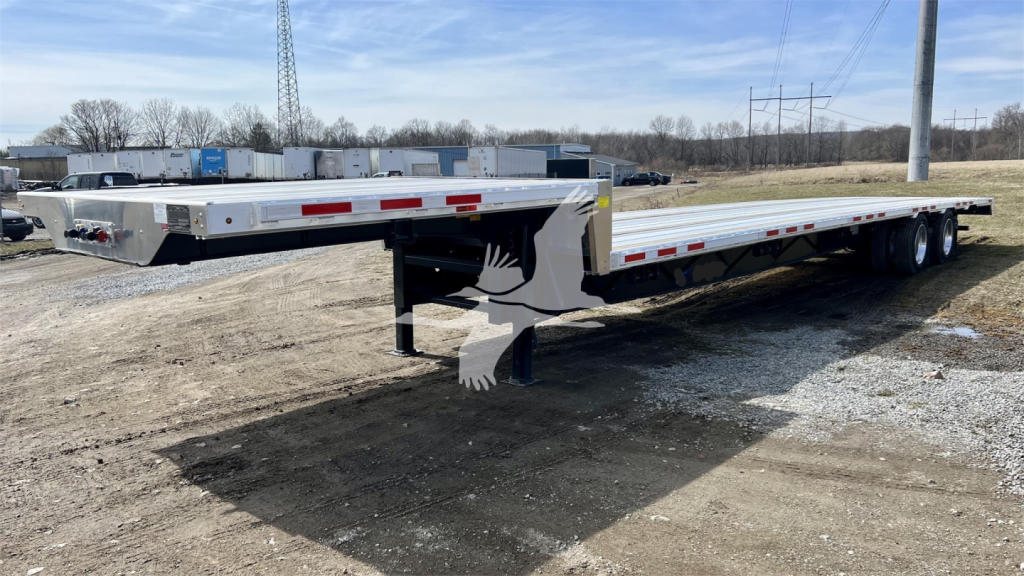
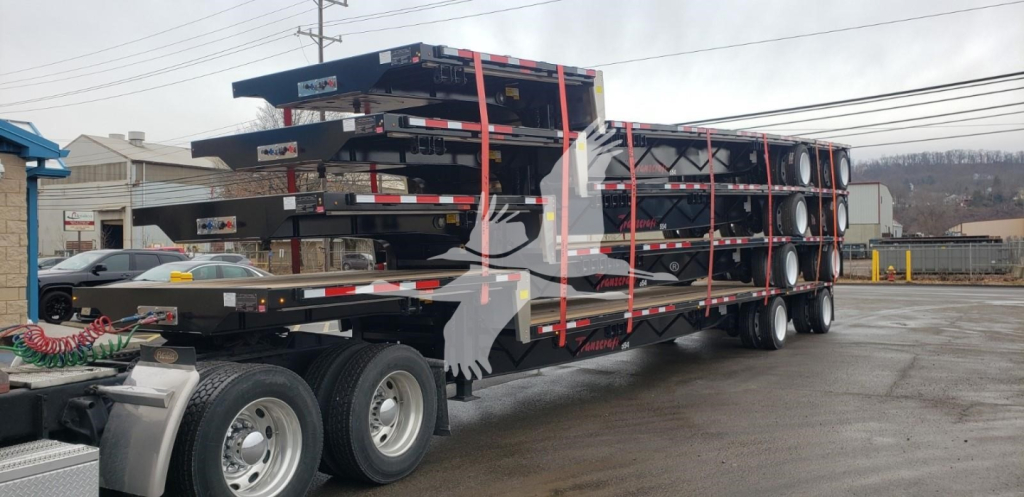
Selling a used 2023 transcraft drop deck trailer? List your used 2023 transcraft drop deck trailer for sale and reach thousands of commercial buyers.
Used 2023 Transcraft Drop Deck Trailers
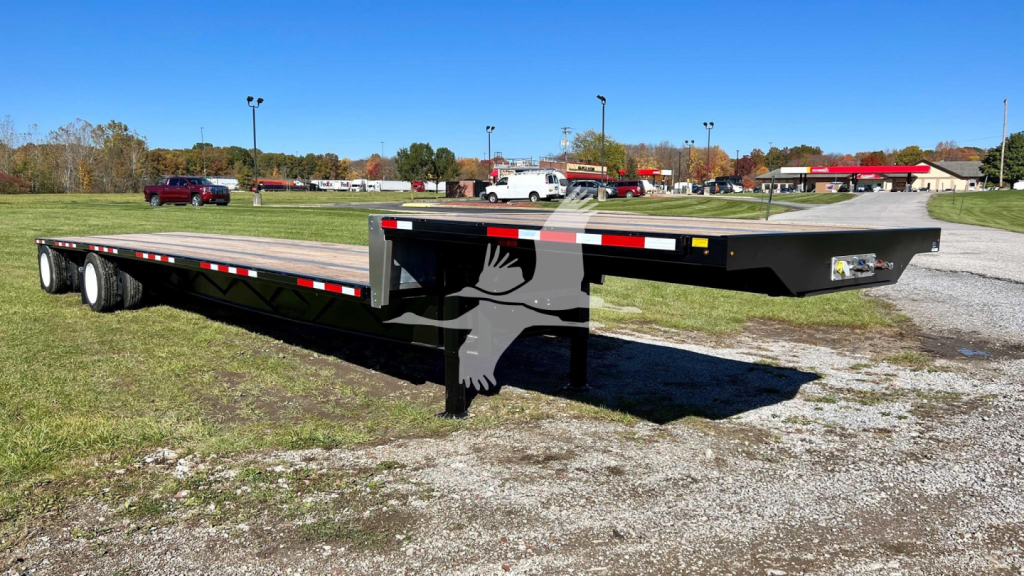
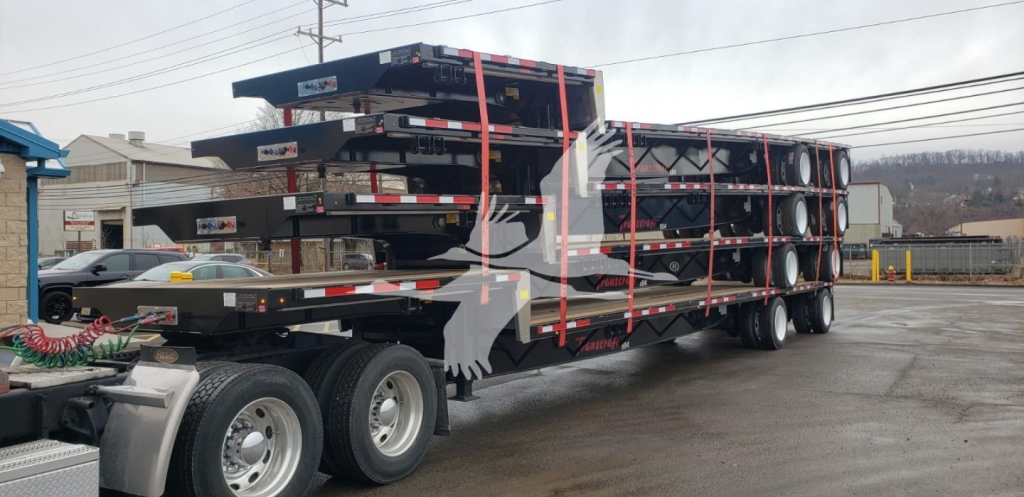
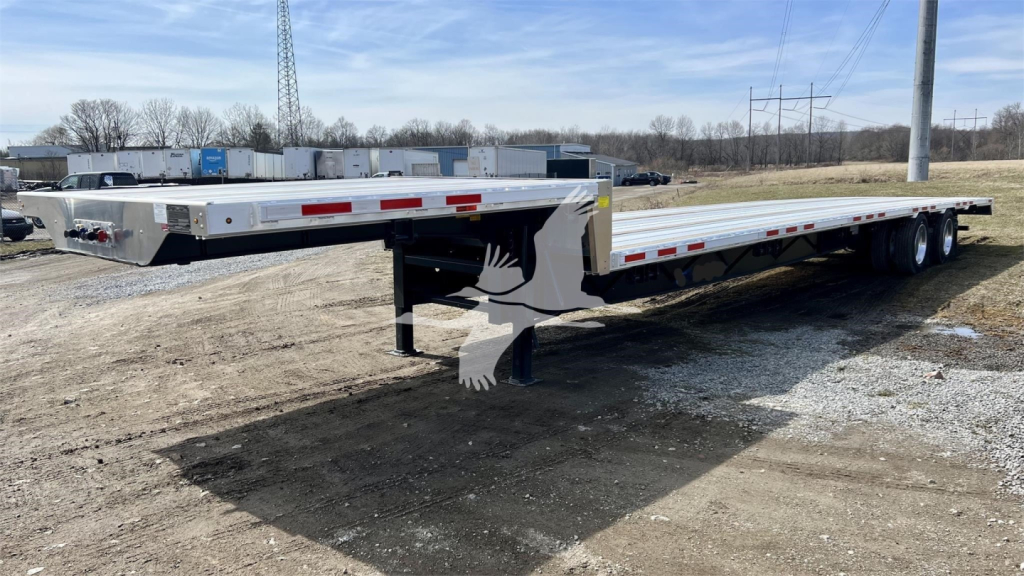
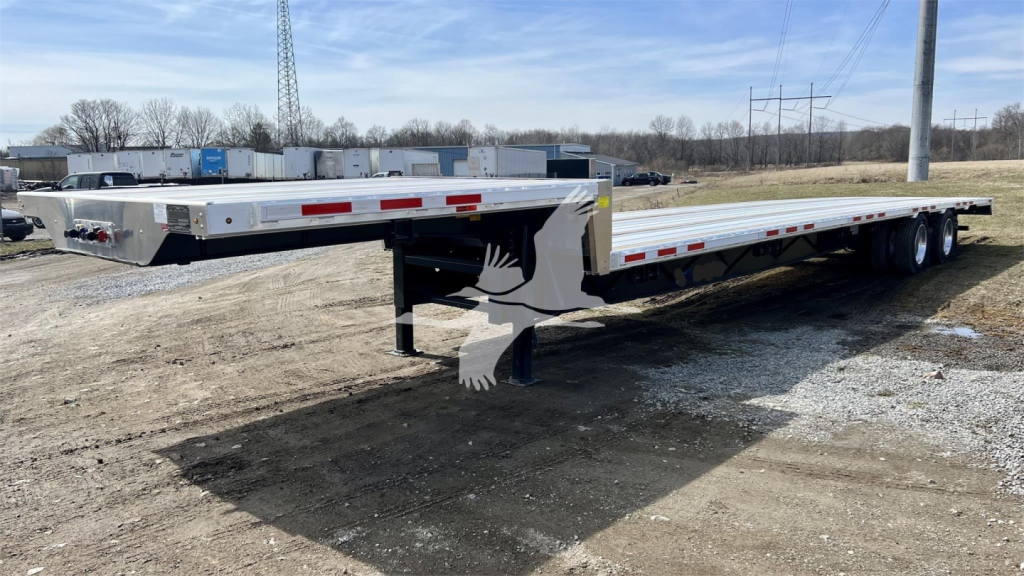
The biggest buying decision on a Transcraft step deck is usually construction type. Aluminum-heavy builds reduce empty weight and can improve payload on legal freight, while steel configurations trade some weight savings for lower repair cost and a more familiar structure in severe-duty applications. Common 2023 specs include aluminum or steel side rails, 1 1/8-inch apitong or aluminum flooring, 12-inch or 16-inch crossmember spacing, and integrated tie-down equipment such as sliding winches, winch tracks, chain tie-downs, and double pipe spools. Buyers hauling machinery or mixed freight should pay close attention to deck configuration, lower deck height, tie-down density, nailing strips, and whether the trailer is set up for ramps, a coil package, or both curbside and roadside securement.
Suspension and axle layout matter just as much as deck design. Many Transcraft drop deck trailers in this year range are tandem axle units with air ride suspension, often on Hendrickson Intraax setups, with 255/70R22.5 tires and spread settings around 10 feet 1 inch to 10 feet 2 inches. A rear-position suspension setting can help with weight distribution and loading flexibility, while features like a rear axle dump valve, Jost two-speed landing gear, polished outer wheels, and LED lighting add day-to-day usability. Kingpin settings around 18 to 24 inches are common, so buyers should confirm tractor compatibility, swing clearance, and bridge law considerations before narrowing down options.
On the used market, condition matters more than brand reputation alone. A 2023 trailer may still offer strong service life, but buyers should inspect flooring wear, side rail damage, neck stress, crossmember condition, landing gear operation, suspension bushings, brake life, tire age, and any signs of concentrated point loading on the lower deck. Transcraft has a solid presence in open-deck freight because these trailers tend to be straightforward, familiar to drivers, and configurable for a wide range of cargo. For fleets and owner-operators moving freight that is too tall for a flatbed but does not require a detachable lowboy, a used 2023 Transcraft drop deck remains a practical and highly versatile choice.
Frequently Asked Questions about Used 2023 Transcraft Drop Deck Trailers
What is the difference between a drop deck trailer and a flatbed trailer?
A drop deck trailer, also called a step deck, has an upper deck and a lower main deck, which allows taller freight to ride lower than it would on a standard flatbed. That lower deck is the main advantage because it helps keep loads within legal height limits while still handling many of the same open-deck freight types. A flatbed is simpler and often lighter in some configurations, but a drop deck is the better fit when cargo height is the limiting factor.
What specs are common on a used 2023 Transcraft drop deck trailer?
Common specs include a 48-foot overall length, 102-inch width, about a 10-foot top deck, about a 38-foot lower deck, and a main deck height around 40 to 43 inches. Many units are tandem axle trailers with air ride suspension, 255/70R22.5 tires, Jost two-speed landing gear, LED lighting, and either aluminum or steel construction. Securement features often include sliding winches, winch tracks, chain tie-downs, pipe spools, and apitong or aluminum flooring depending on the build.
Is an aluminum or steel Transcraft drop deck better?
Neither is universally better because the right choice depends on freight mix and operating priorities. Aluminum-focused trailers usually weigh less, which helps maximize payload on legal loads and can improve efficiency over time. Steel trailers are often favored for lower acquisition cost, straightforward repairs, and durability in rough loading environments. Buyers should compare empty weight, repair access, expected cargo type, and how often the trailer will see concentrated equipment loads or harsh jobsite use.
What should I inspect on a used drop deck trailer before buying?
Start with the structural areas that carry load stress, including the neck, upper deck transition, crossmembers, main deck, and side rails. Check the floor for gouging, rot, fastener issues, or aluminum fatigue depending on construction type. Then review suspension condition, axle alignment, brake wear, tire condition, wheel integrity, landing gear operation, lighting, and all tie-down equipment such as winch tracks, chain slots, and spools. A used 2023 model can still have plenty of life left, but loading history and maintenance quality matter more than age alone.
What kind of freight is a Transcraft step deck trailer best suited for?
A Transcraft step deck is well suited for freight that is too tall for a flatbed but still practical to load from the side, rear, or with ramps or a forklift. Typical applications include construction equipment, palletized materials, steel products, pipe, lumber, crated machinery, and other open-deck freight that benefits from the lower deck height. The category is popular because it covers a broad range of legal-height and over-height freight without moving into more specialized trailer types.