
Used 2019 Transcraft Drop Deck Trailers For Sale
Shop used 2019 Transcraft drop deck trailers. Compare steel and aluminum specs, axle setups, deck dimensions, tie-down options, and hauling use cases.
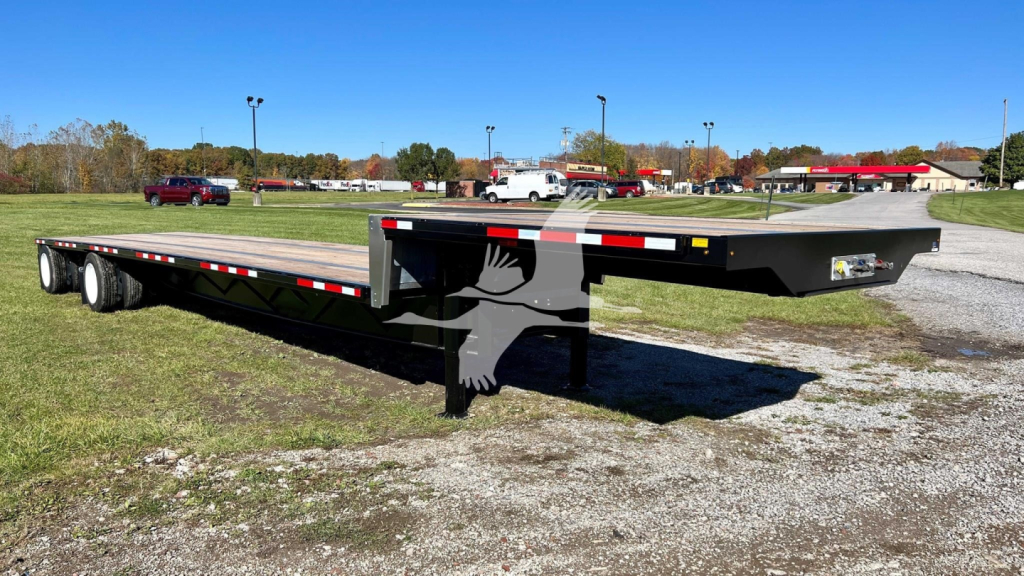
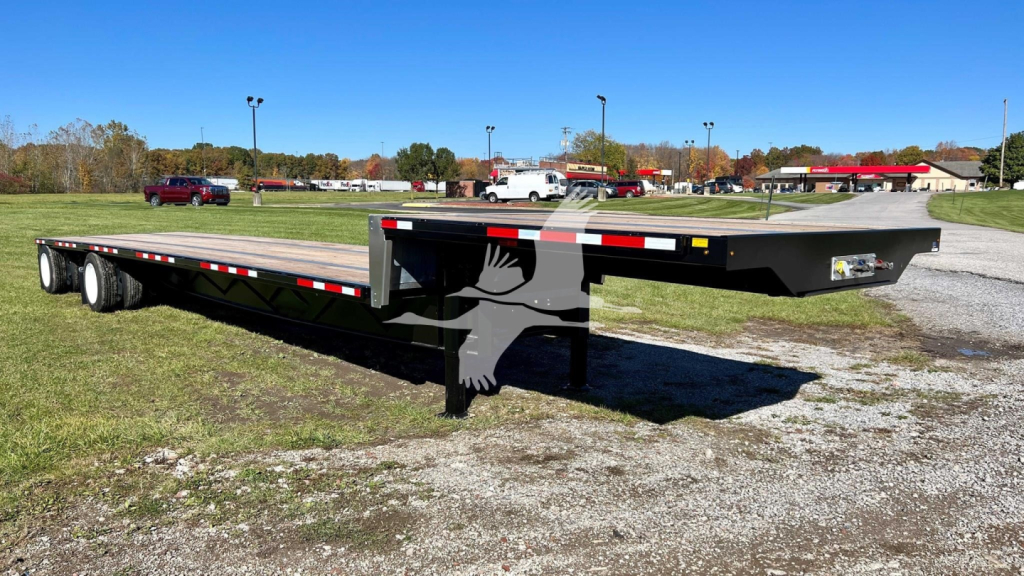
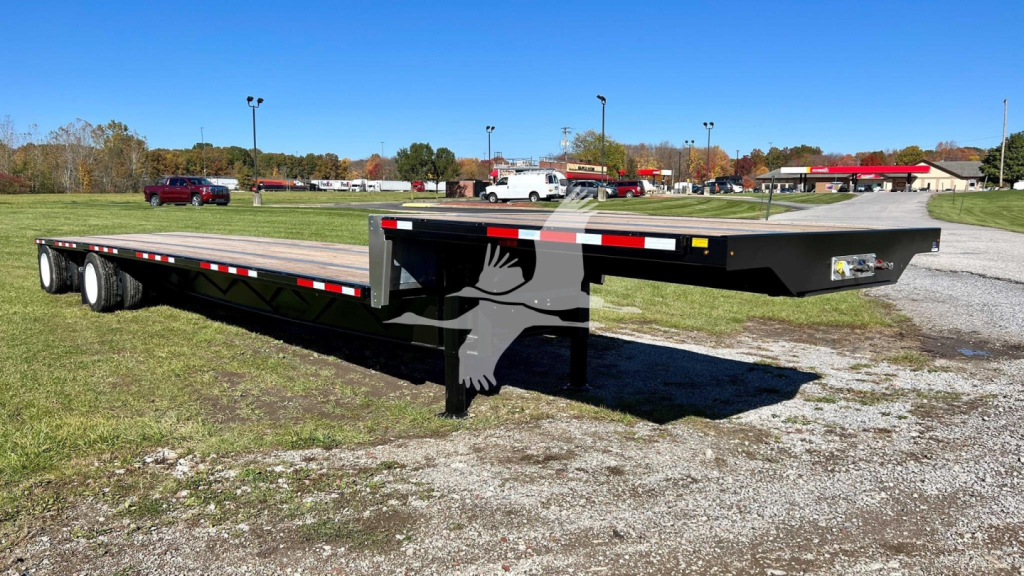
Selling a used 2019 transcraft drop deck trailer? List your used 2019 transcraft drop deck trailer for sale and reach thousands of commercial buyers.
Used 2019 Transcraft Drop Deck Trailers
The first decisions usually come down to construction, deck length, and axle layout. Transcraft drop decks are commonly found in 48-foot and 53-foot configurations, typically with 102-inch overall width, top decks around 10 to 11 feet, and main decks from roughly 37 to 43 feet. Main deck height is often around 40 inches, which is a key number for legal height planning. Buyers comparing used 2019 models should look closely at steel versus aluminum construction, empty weight, and intended cargo. Steel units tend to favor durability and concentrated-duty applications, while aluminum-focused designs can improve payload. Common equipment includes Apitong or aluminum flooring, integrated or roadside winch tracks, sliding winches, chain tie-down pairs, pipe spools, and 12-inch crossmember spacing on the main deck.
Suspension and axle specification matter just as much as deck dimensions. In this category, you will commonly see tandem and tri-axle setups, often with Hendrickson air ride suspensions, spread or tridem axle settings, and occasional lift axles or dump valves. Kingpin setting, landing gear condition, tire size, brake life, and wheel material all affect compatibility with your tractor and cost per mile. A used 2019 Transcraft step deck should also be checked for side rail wear, crossmember damage, floor condition, neck fatigue, and signs of concentrated loading around coil packages, ramp points, or rear transitions. If the trailer has a sliding rear axle, coil package, full ramp kit, or rear tail roller, those features can significantly change how useful the trailer is for your freight mix.
For buyers running regional or multi-state lanes, legal bridge compliance and cargo profile should guide the purchase more than brand loyalty alone. A 2019 Transcraft drop deck can be a strong fit when you need a versatile open-deck trailer that handles standard freight one day and taller equipment the next. The right unit depends on how often you haul machinery, how much tie-down flexibility you need, and whether payload or ruggedness matters more. When comparing listings, focus on deck geometry, GVWR, axle spread, frame material, and the condition of wear items first. Those factors usually have a bigger impact on long-term value than cosmetic differences.
Frequently Asked Questions about Used 2019 Transcraft Drop Deck Trailers
What is the difference between a drop deck trailer and a flatbed trailer?
A drop deck trailer, also called a step deck trailer, has an upper deck near the front and a lower main deck behind it. That lower deck allows taller freight to be hauled while staying within legal height limits that would be difficult or impossible on a standard flatbed. A flatbed is still simpler for some freight, but a drop deck gives you more vertical clearance and often more flexibility for machinery and over-height loads.
What should I inspect first on a used 2019 Transcraft drop deck trailer?
Start with the structural items that are expensive to repair or that affect safety and load securement. Inspect the frame rails, neck area, crossmembers, side rails, suspension mounts, landing gear, and floor condition. Then review wear components such as tires, brakes, bushings, air ride parts, lights, and wheel ends. On a drop deck, special attention should also go to winch tracks, chain tie-downs, pipe spools, rear transition areas, and any ramps, coil packages, or tail rollers if equipped.
Are Transcraft drop deck trailers commonly available in steel and aluminum?
Yes. Transcraft has produced drop deck trailers in both steel and aluminum-oriented configurations, and each has a different ownership profile. Steel trailers generally offer durability and resistance to jobsite abuse, but they usually carry more tare weight. Aluminum designs can improve payload and corrosion resistance, but buyers should still inspect floors, crossmember connections, and load-bearing areas carefully because condition matters more than material alone on a used trailer.
What deck dimensions are common on a Transcraft drop deck trailer?
Common dimensions in this category include 48-foot and 53-foot overall trailer lengths, 102-inch width, top decks around 10 to 11 feet, and main decks ranging from about 37 to 43 feet. Main deck height is often around 40 inches, though exact measurements vary by build. These numbers matter because they affect load placement, legal height, securement options, and how easily the trailer fits your usual freight.
Is a tandem axle or tri-axle drop deck better for my operation?
That depends on the weight and length of the freight you move and the states you run. Tandem axle drop decks are common for general open-deck freight and usually keep weight, maintenance, and tire costs lower. Tri-axle units can support heavier applications and improve bridge compliance in some situations, but they add complexity and operating cost. Buyers should match axle count, axle spacing, and suspension rating to actual cargo patterns rather than choosing only by maximum capacity.