
Used Great Dane Trailers For Sale in Pennsylvania
Browse used Great Dane trailers in Pennsylvania, including dry vans and flatbeds, with specs, features, and buying points that matter.
Selling a used great dane trailer? List your used great dane trailer for sale and reach thousands of commercial buyers.
Used Great Dane Trailers in Pennsylvania
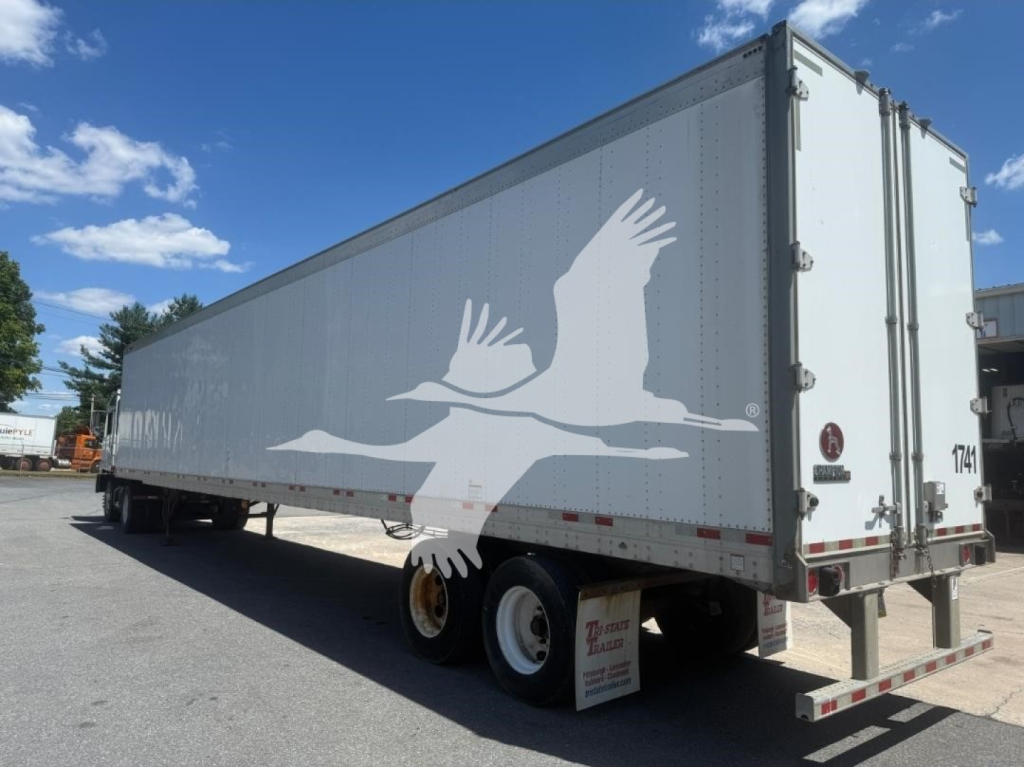
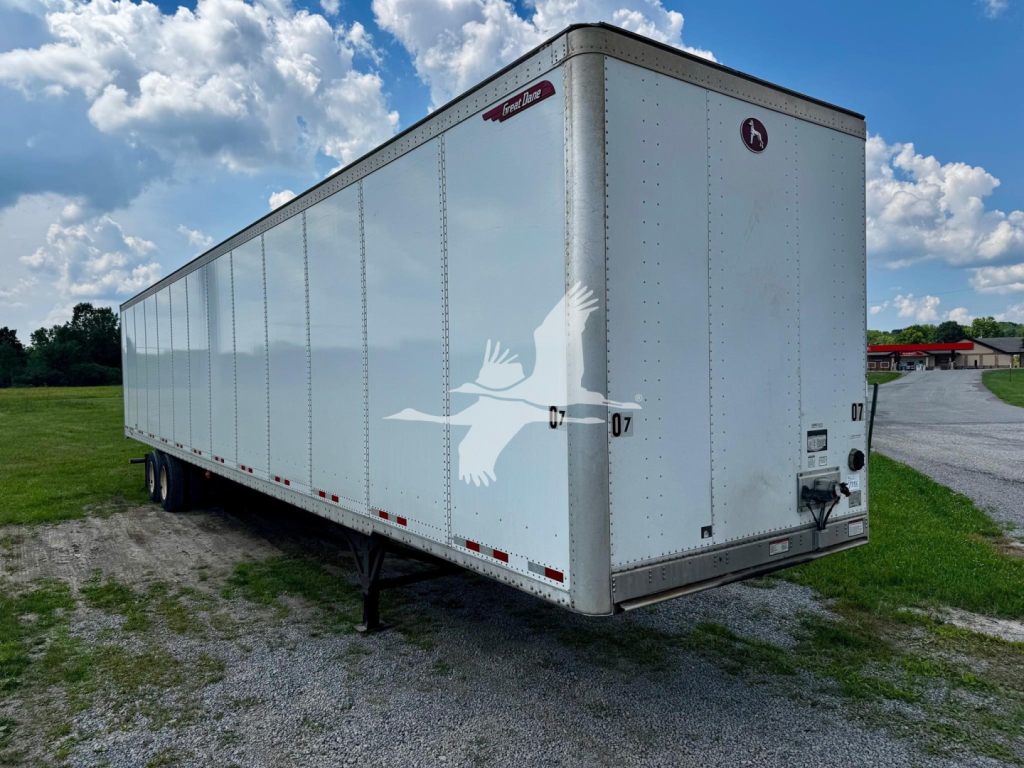
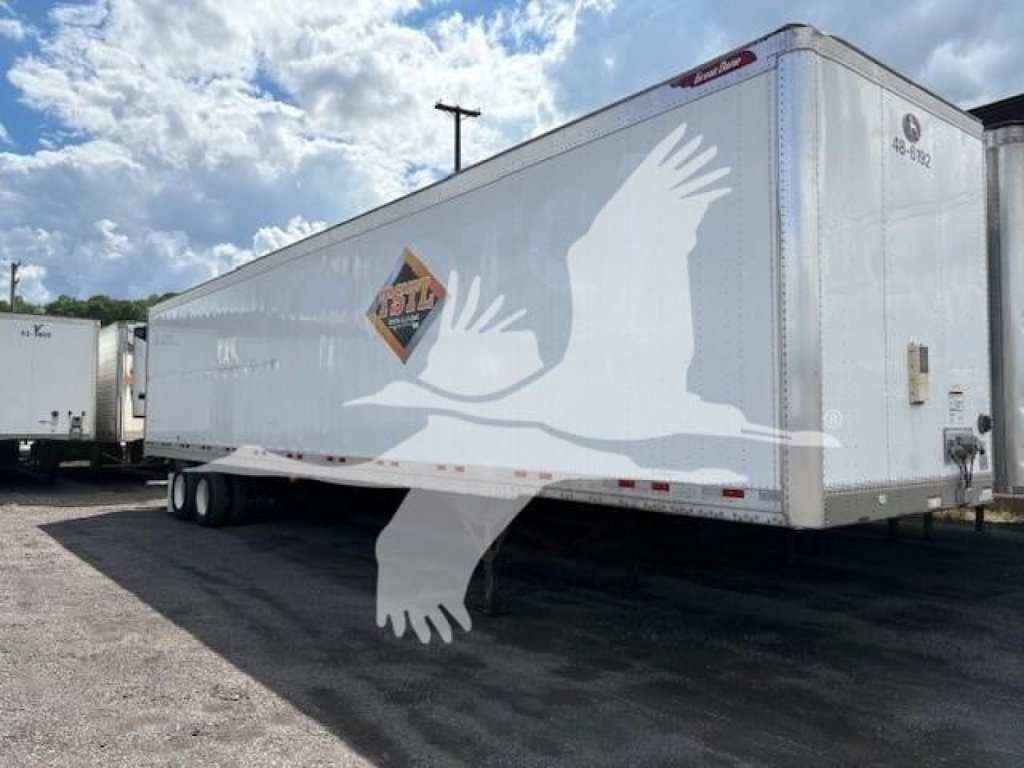
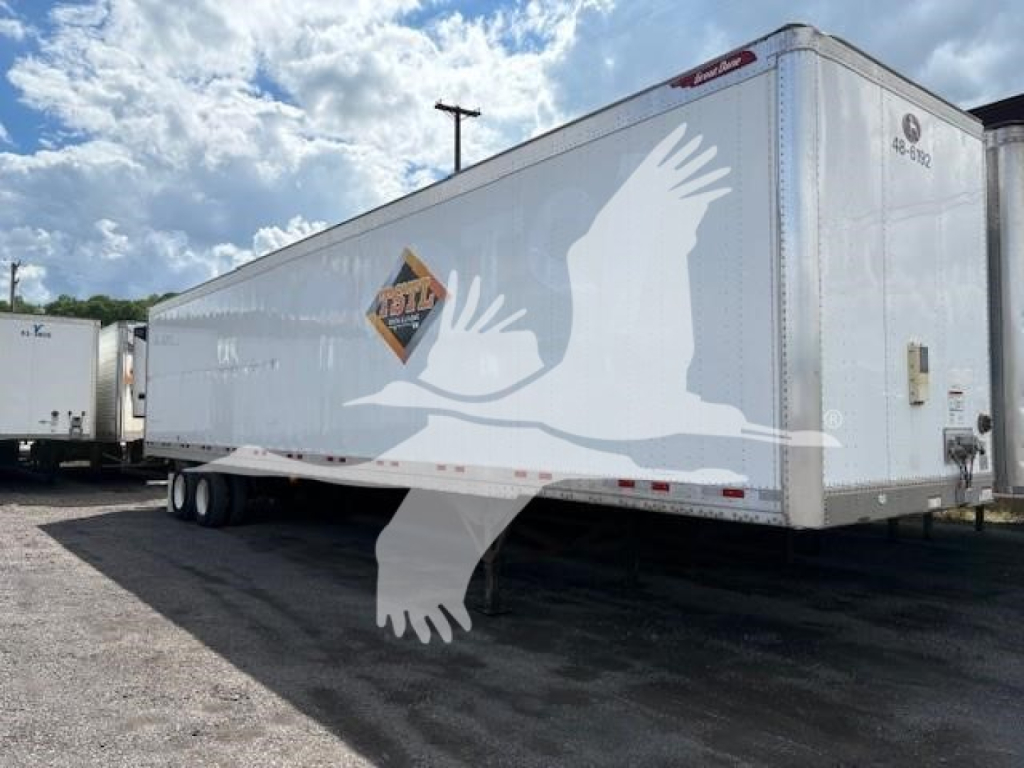
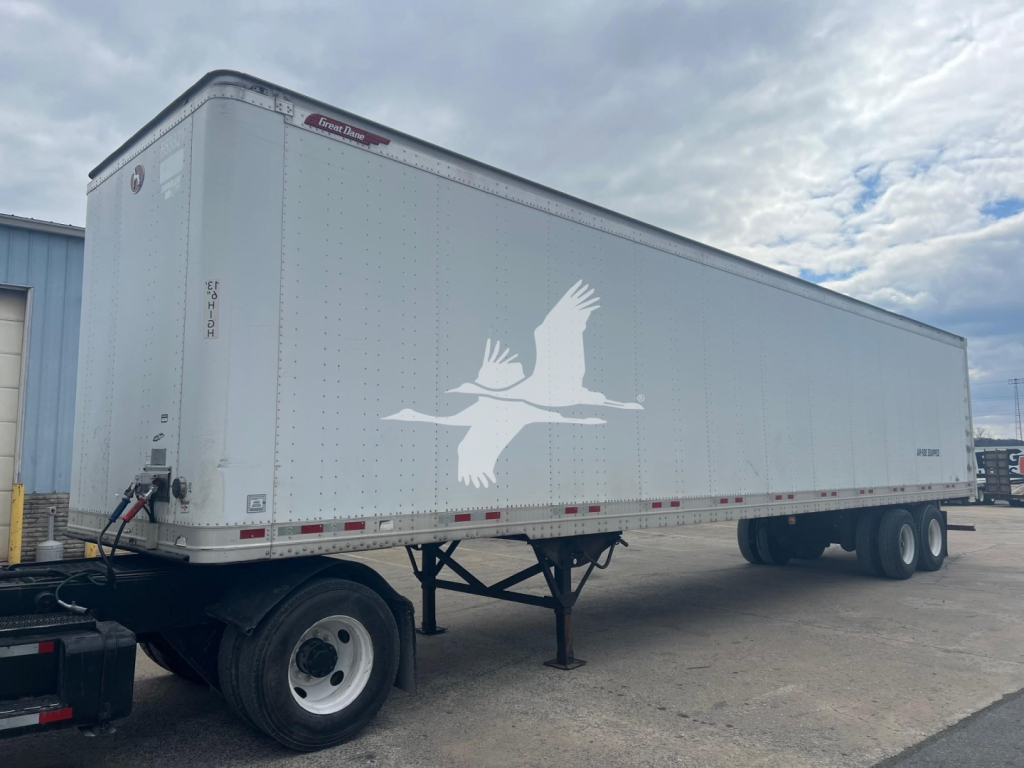
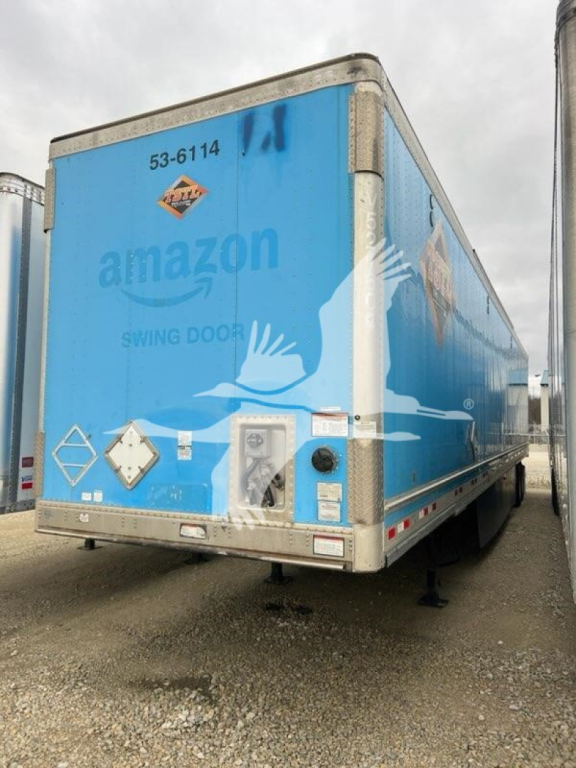
On used Great Dane van trailers, the important details are the body build and cargo-control package. Common specs include 45-foot and 48-foot lengths, 102-inch width, tandem axles, and either air ride or spring ride suspension. Rear door style matters more than many buyers expect. Roll-up doors can be useful for dock work and repeated city stops, while swing doors can provide a wider opening and simpler hardware. Look closely at side construction, post spacing, roof material, rear frame material, floor condition, threshold plate wear, and signs of prior body repair. Features such as logistic posts, multiple rows of E-track, side doors, scuff liners, plywood lining, and translucent or aluminum roofs can make a used Great Dane van much better suited to distribution or multi-stop freight.
Used Great Dane flatbed trailers are typically evaluated on weight, deck condition, securement options, and suspension spec. Aluminum flatbeds are popular because they help maximize payload while resisting corrosion, which is useful in a state where road salt can shorten the life of exposed components. Buyers should check for chain tie-down capacity, winch tracks, sliding winches, coil package equipment, pipe spools, side rail condition, and any deck damage around concentrated load points. Suspension brand and axle setting also matter, especially if the trailer may run in states with bridge-law sensitivity or California-legal spacing requirements. Tire size, wheel type, landing gear condition, and kingpin setting affect day-to-day compatibility with the tractor and can influence maintenance cost over time.
For any used Great Dane trailer, condition is more important than model year alone. A careful buyer should inspect brake percentages, tire wear patterns, slider operation, crossmember spacing, kingpin wear, air system leaks, and structural corrosion around the rear frame, crossmembers, suspension mounts, and landing gear supports. In Pennsylvania, moisture, freeze-thaw cycles, and treated winter roads make underframe condition especially important. Great Dane trailers generally hold value well when they have a straight frame, solid floors, serviceable doors, and clean suspension history, so comparing specs against the intended freight is the best way to narrow down the right trailer.
Frequently Asked Questions about Used Great Dane Trailers in Pennsylvania
What should I look for first on a used Great Dane dry van trailer?
Start with the structural and cargo-contact areas. Check the floor for rot, soft spots, delamination, or heavy forklift damage. Inspect the rear frame, roof, side panels, posts, threshold plate, and door hardware for signs of impact or repeated repair. Then confirm practical specs such as length, suspension type, kingpin setting, slider position, door style, and cargo-control equipment like E-track, logistic posts, scuff liners, and side doors. These items determine how well the trailer fits the freight and how much immediate reconditioning it may need.
Are Great Dane flatbed trailers a good choice for heavy or specialized loads?
Great Dane flatbeds are widely used for general construction materials, machinery, steel, and other open-deck freight. The right trailer depends on its deck material, crossmember spacing, tie-down layout, and securement package. Buyers handling coils, pipe, or dense concentrated freight should verify coil package equipment, chain tie-down points, winch track setup, and deck condition around load-bearing areas. Aluminum models help reduce tare weight, but the exact trailer spec should match the cargo profile and route requirements.
Is air ride or spring ride better on a used Great Dane trailer?
Air ride is often preferred for dry vans and flatbeds hauling freight that benefits from better ride quality and reduced shock transfer. It can help protect sensitive cargo and is common in fleet-spec trailers. Spring ride is simpler and can be less expensive to maintain in some applications, but it generally delivers a harsher ride. On a used trailer, overall condition matters more than the suspension label alone, so inspect bushings, hangers, airbags if equipped, shocks, alignment, and tire wear before making the decision.
Why does kingpin setting matter on a used trailer?
Kingpin setting affects tractor-trailer weight distribution, swing clearance, and compatibility with the tractor wheelbase and fifth wheel location. Common settings such as 24 inches or 36 inches can change how the trailer loads the drives and steers, especially in regional operations or with heavier freight. A mismatched kingpin setting can create operational limitations or require tractor adjustments, so buyers should confirm the trailer will work with the tractors already in the fleet.
What used-trailer issues are most common in Pennsylvania?
Pennsylvania buyers should pay close attention to corrosion and weather-related wear. Road salt, moisture, and freeze-thaw conditions can accelerate rust on rear frames, crossmembers, suspension components, brake hardware, and landing gear assemblies. Water intrusion can also affect van floors, roof seams, door seals, and interior lining. A trailer that looks acceptable from the outside may still have underframe corrosion or hidden floor damage, so a thorough inspection underneath and inside the body is essential.