
Used Great Dane Van Trailers For Sale in Pennsylvania
Shop used Great Dane van trailers in Pennsylvania. Compare dry van specs, lengths, doors, suspension, floor type, and trailer condition.
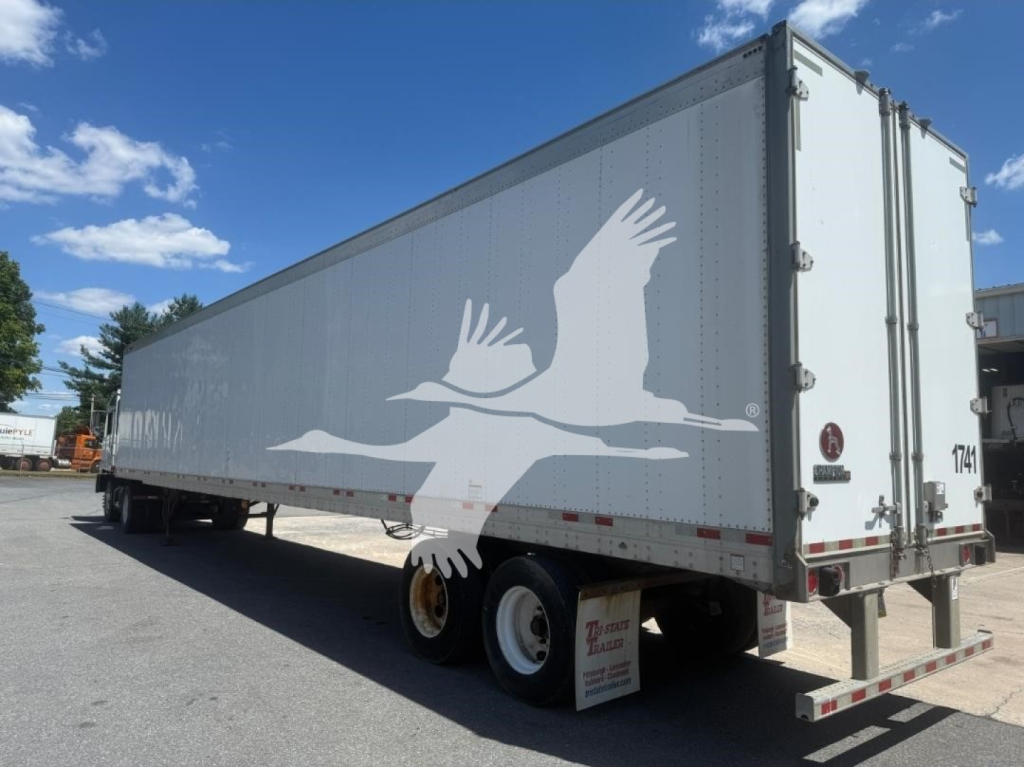
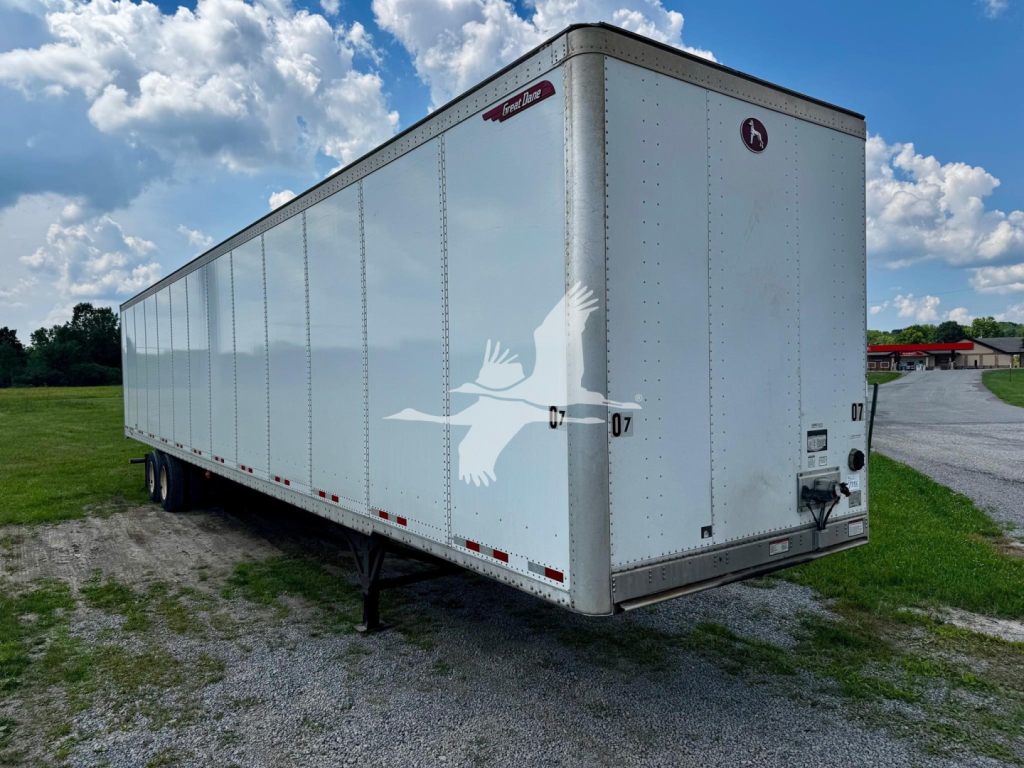
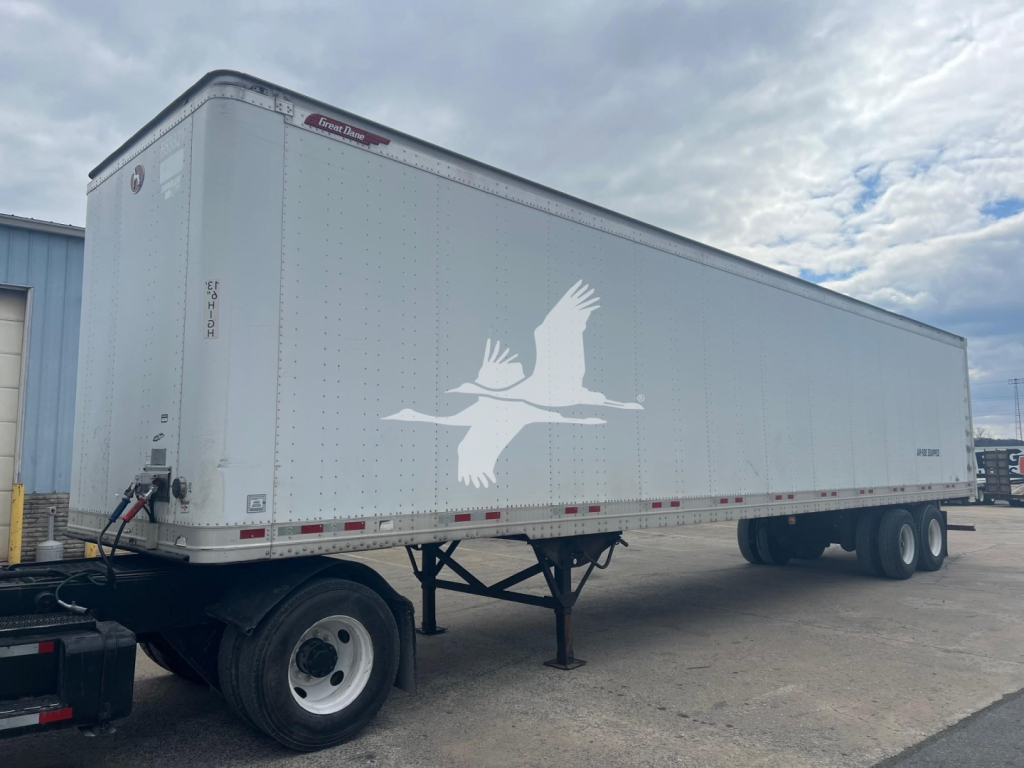
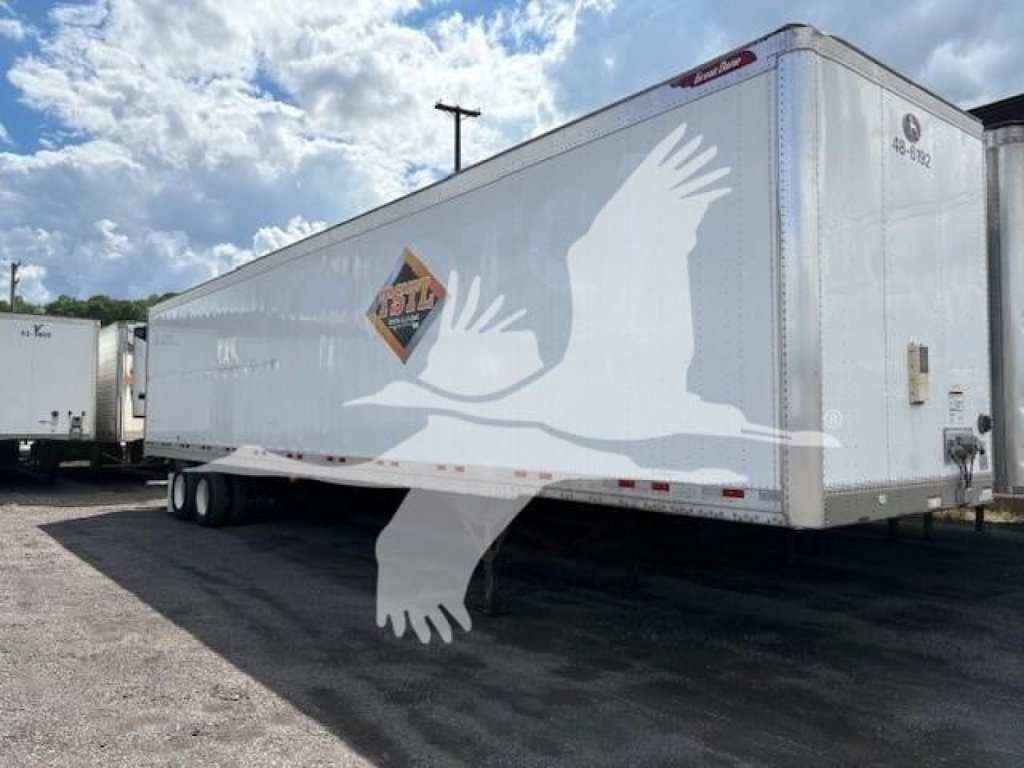
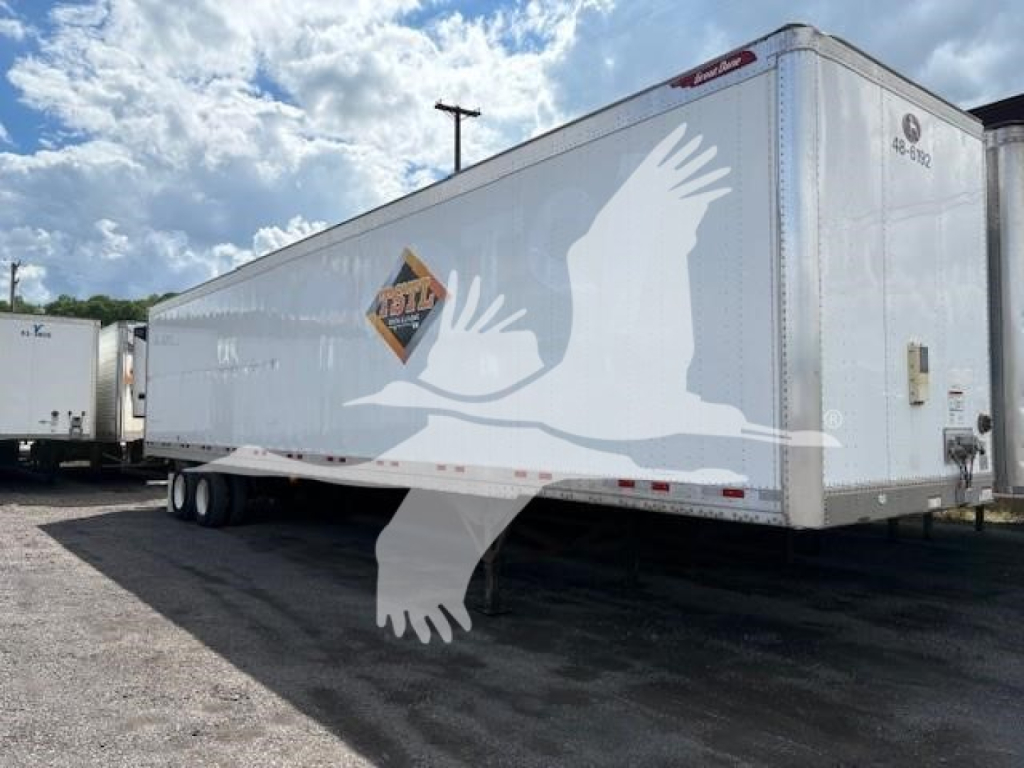
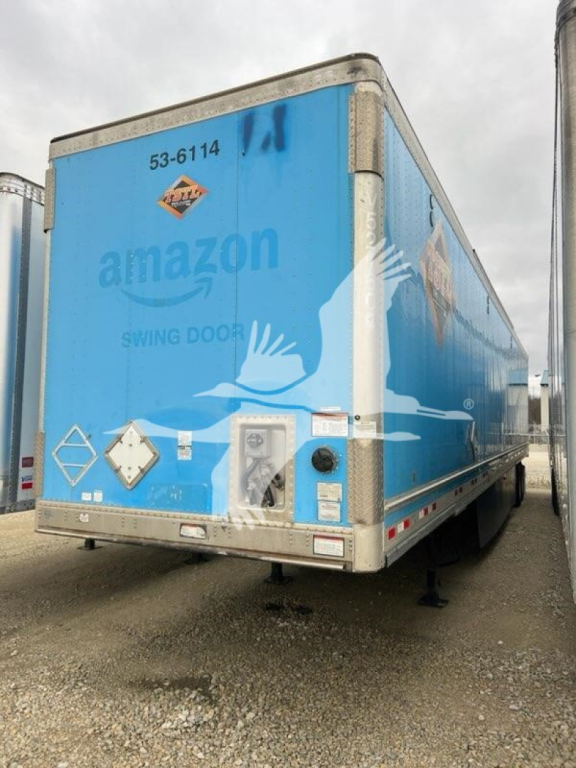
Have used great dane van trailer to sell? List it here to reach thousands of buyers.
Used Great Dane Van Trailers in Pennsylvania
A used Great Dane van trailer should be evaluated from the rear opening forward. Roll-up doors are popular in city and multi-stop work because they speed up loading at tight docks and reduce swing-door clearance issues. Swing doors can be lighter and simpler, but many regional buyers prefer roll doors for frequent stop-and-go service. Inside, common features include plywood or composite linings, scuff liners, E-track, and hardwood floors designed for forklift traffic. Check inside height, door opening height, floor wear around the threshold plate, and wall condition near the posts, especially on trailers that have seen heavy LTL, beverage, or retail use.
Under the trailer, suspension and running gear matter as much as the box. Many Great Dane vans in the used market are spec'd with air ride or spring ride and sliding tandems, with common tire sizes such as 11R22.5. Air ride is often preferred for more delicate freight and smoother handling, while spring ride can be simpler and less expensive to maintain in certain operations. Buyers should also inspect kingpin setting, crossmember spacing, landing gear condition, brake life, wheel type, rear frame corrosion, roof integrity, and signs of floor sag or sidewall damage. In Pennsylvania, road salt and seasonal moisture make underframe condition, rear sill rust, and door seal condition especially important on older trailers.
Great Dane has a long presence in the dry van market, and that usually translates into familiar parts support, broad shop knowledge, and resale strength. For a buyer comparing used van trailers, the best fit comes down to freight type and loading pattern. A sheet-and-post trailer may be attractive for regional freight and dock work, while a plate trailer can appeal in applications where sidewall durability and a cleaner exterior surface matter. If the trailer will spend time in urban terminals, food distribution, retail replenishment, or mixed pallet service, details like tandem slide operation, interior logistics track, dock height consistency, and roof condition can have more impact than model year alone.
Frequently Asked Questions about Used Great Dane Van Trailers in Pennsylvania
What should I check first on a used Great Dane dry van trailer?
Start with the structural and wear items that are expensive to correct. Inspect the floor for soft spots, forklift damage, and wear at the rear threshold. Check the roof for leaks or patched areas, the sidewalls for bowing or tears, and the rear frame for rust or impact damage. Then look at suspension, brakes, tires, landing gear, kingpin area, and tandem slide operation. On Pennsylvania trailers, corrosion on the underframe and rear sill deserves extra attention because winter road treatment can accelerate rust.
Are Great Dane sheet-and-post vans different from plate vans?
Yes. Sheet-and-post trailers use exterior skin supported by vertical posts, which is a common dry van design for general freight service. Plate vans use thicker side panels with a different wall structure and are often chosen for sidewall durability and appearance. The right choice depends on freight, loading habits, and repair preferences. For many buyers, condition matters more than construction type, but understanding the difference helps when comparing weight, wall strength, and repair cost.
Is a 48-foot or 53-foot Great Dane van trailer better for Pennsylvania operations?
A 53-foot van usually offers better cubic capacity and is the standard choice for many linehaul and distribution applications. A 48-foot trailer can still make sense for regional work, tighter facilities, older dock layouts, or operations where maneuverability matters more than maximum cube. The better choice depends on customer dock space, freight density, and route profile. Buyers should match trailer length to the freight they haul most often rather than defaulting only to the longer trailer.
What features matter most for multi-stop dry van work?
For multi-stop delivery, buyers usually prioritize a roll-up door, durable floor, good interior lining, E-track or logistics posts, and a reliable tandem slide. Roll-up doors save space at crowded docks and reduce interference in tight alleys or urban deliveries. Scuff liners and wall protection help the trailer hold up better to repeated pallet contact. A sound landing gear set, healthy brakes, and even tire wear are also important because stop-and-go service is hard on running gear.
Does air ride make a big difference on a used van trailer?
Air ride can be a meaningful advantage when hauling freight that is sensitive to vibration, shifting, or product damage. It generally provides a smoother ride than spring ride and is common on fleet dry vans handling retail, consumer goods, and other palletized freight. Spring ride may still appeal to buyers looking for mechanical simplicity and lower upfront cost. The decision should be based on freight requirements, maintenance approach, and total condition of the trailer rather than suspension type alone.