
Used Great Dane Van Trailers For Sale
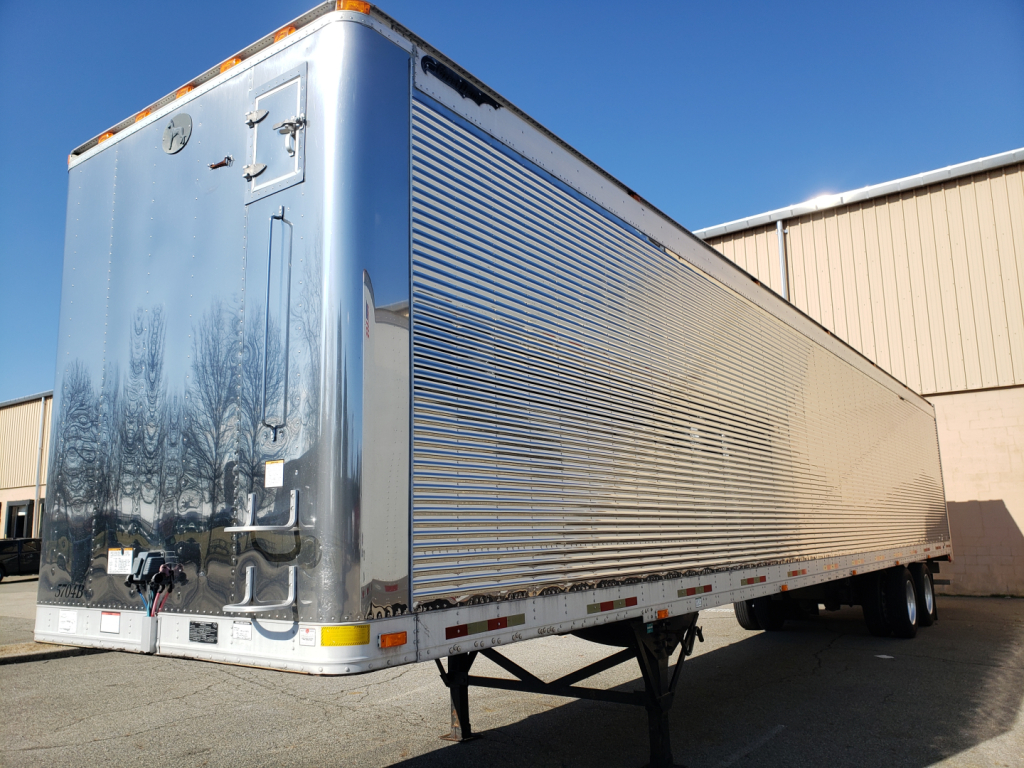
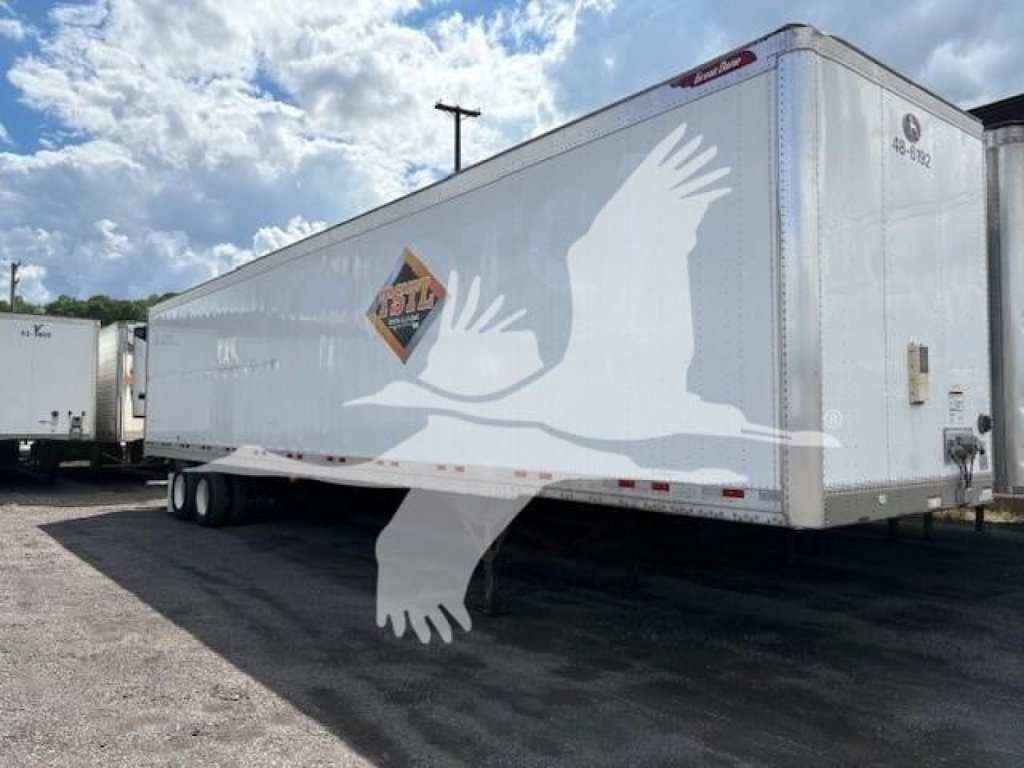
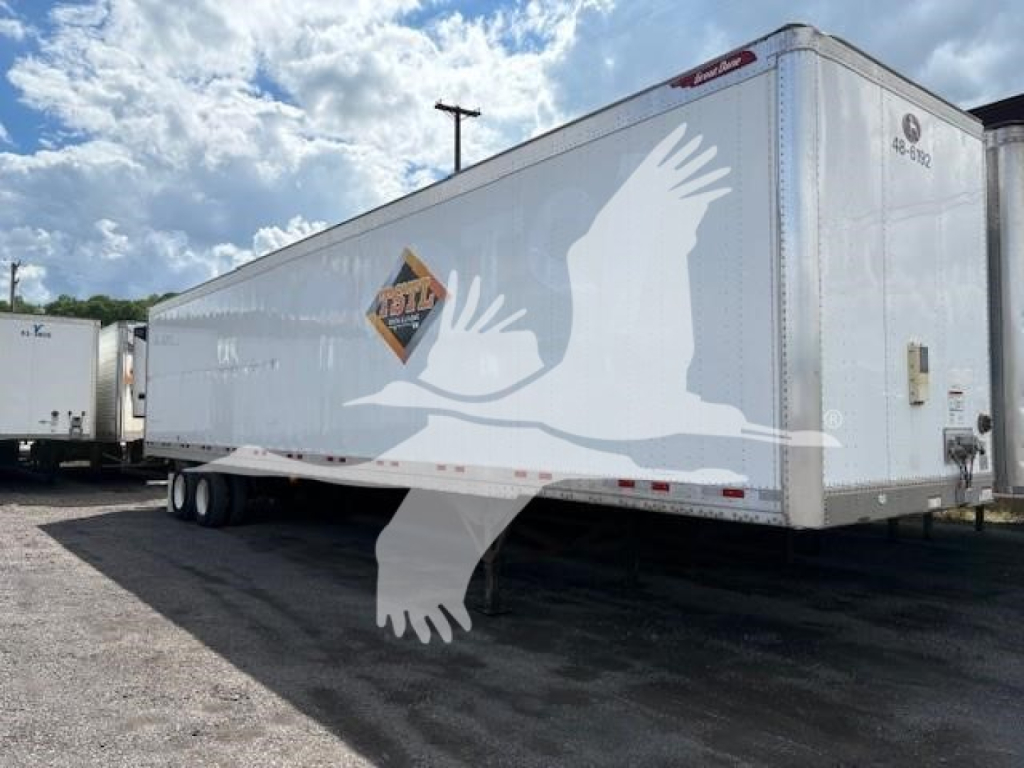
Used Great Dane van trailers for sale, including 45-foot and 53-foot dry vans with air ride, sliding tandems, logistics posts, and durable aluminum builds.
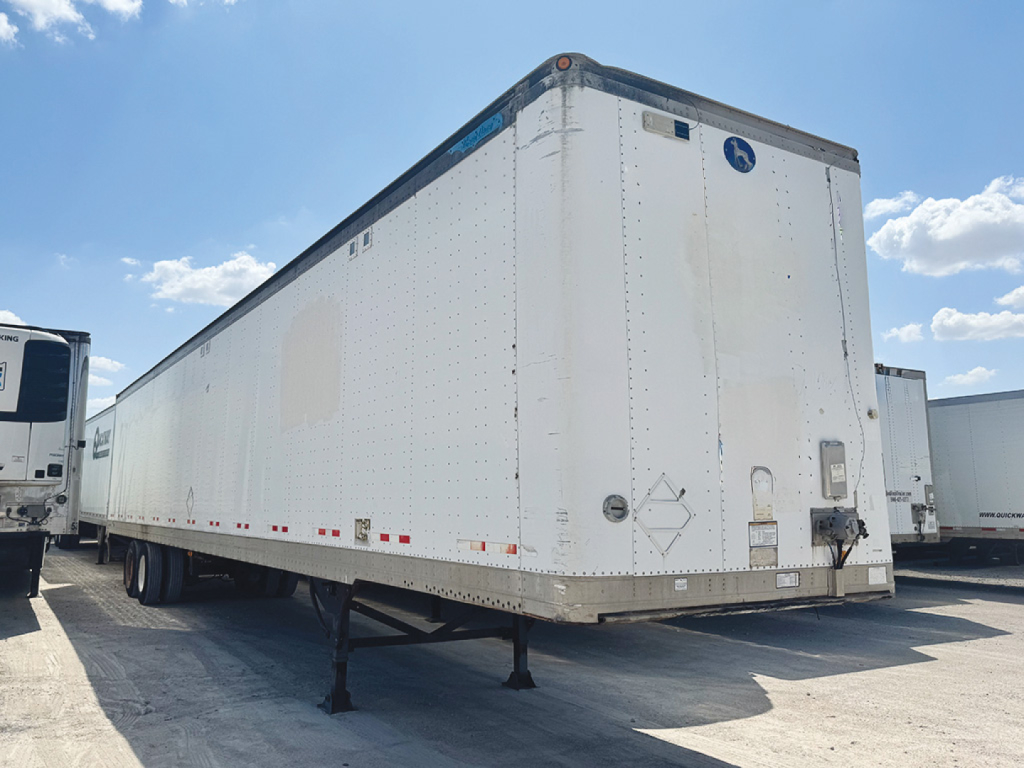
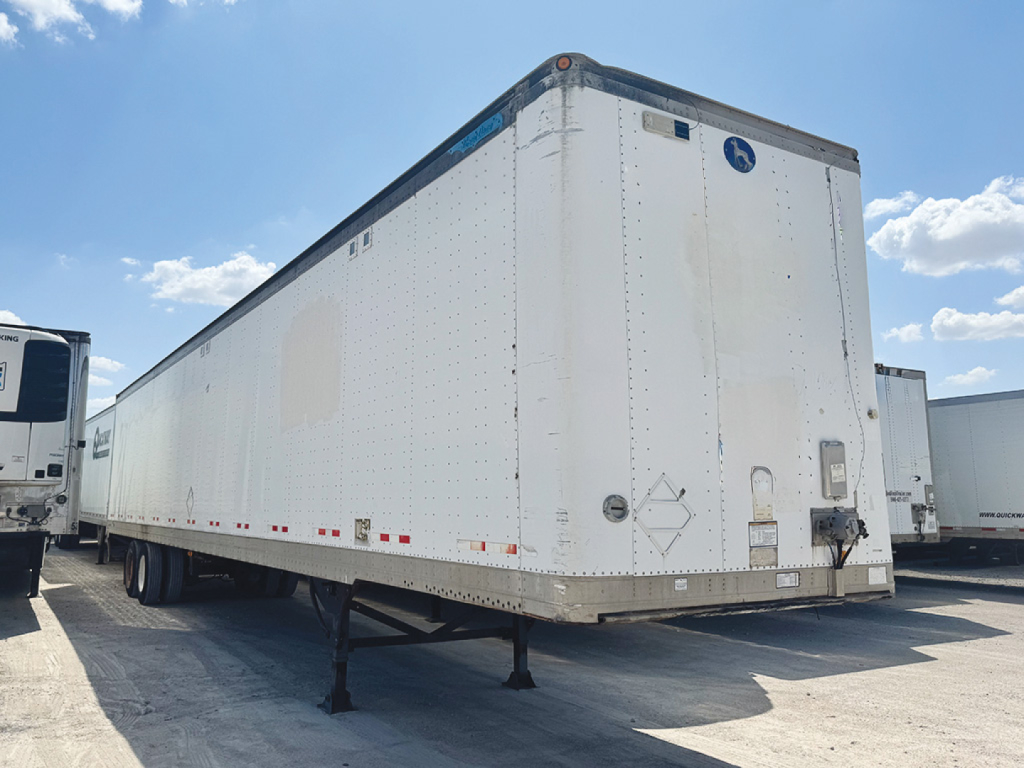
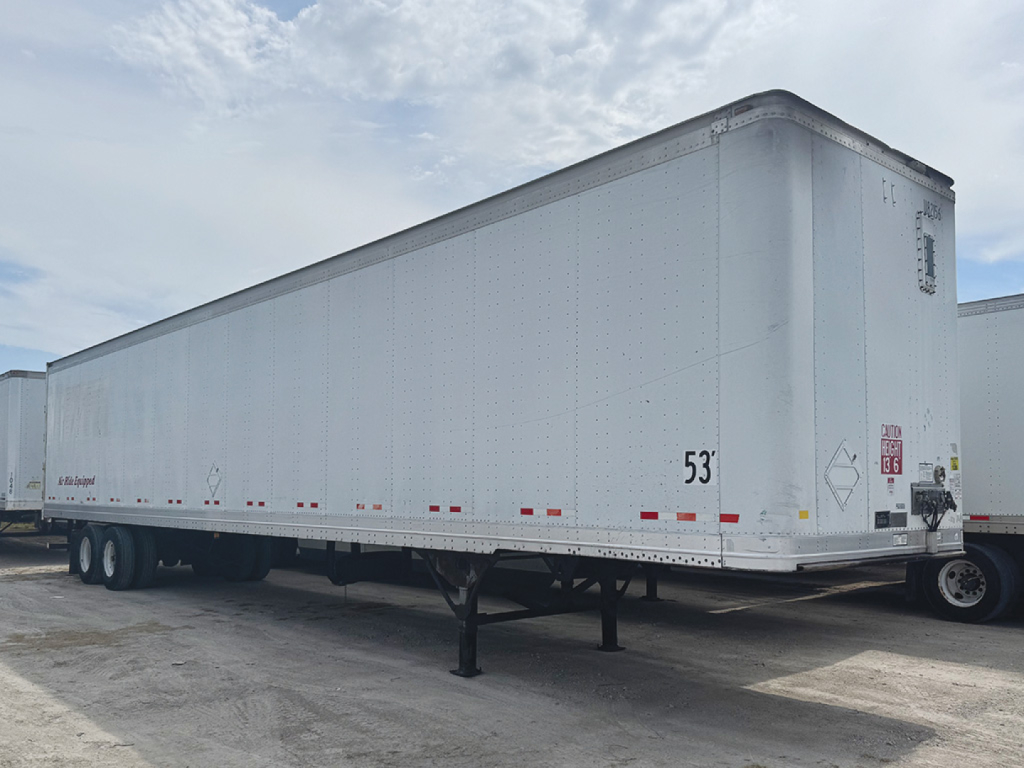
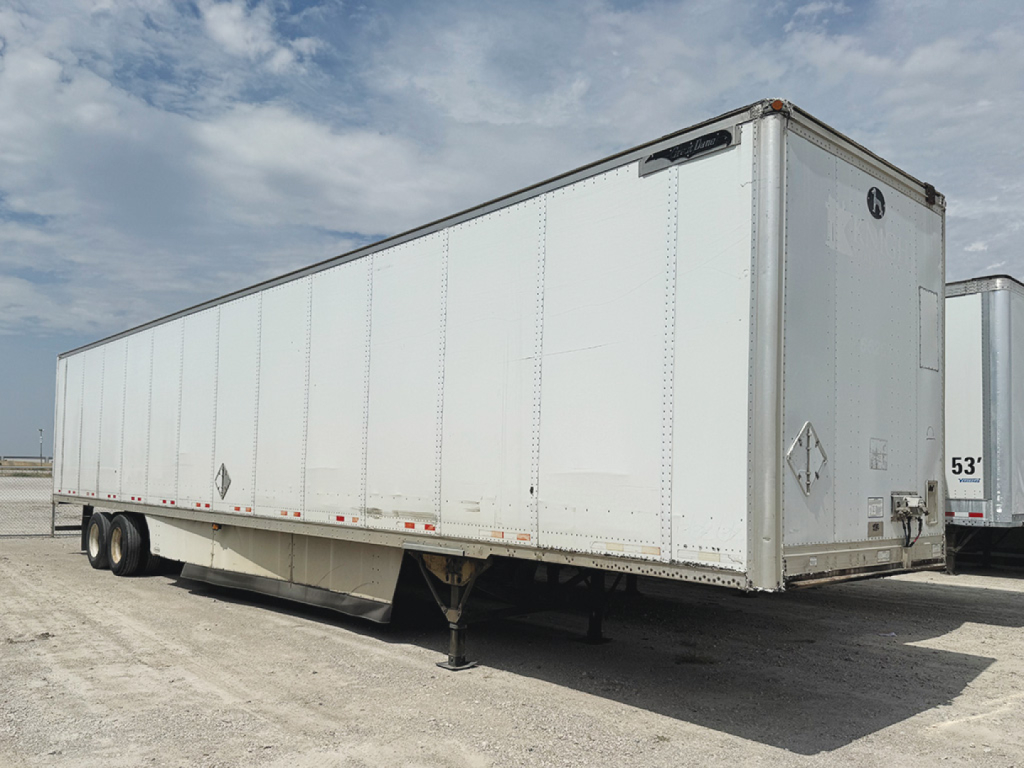
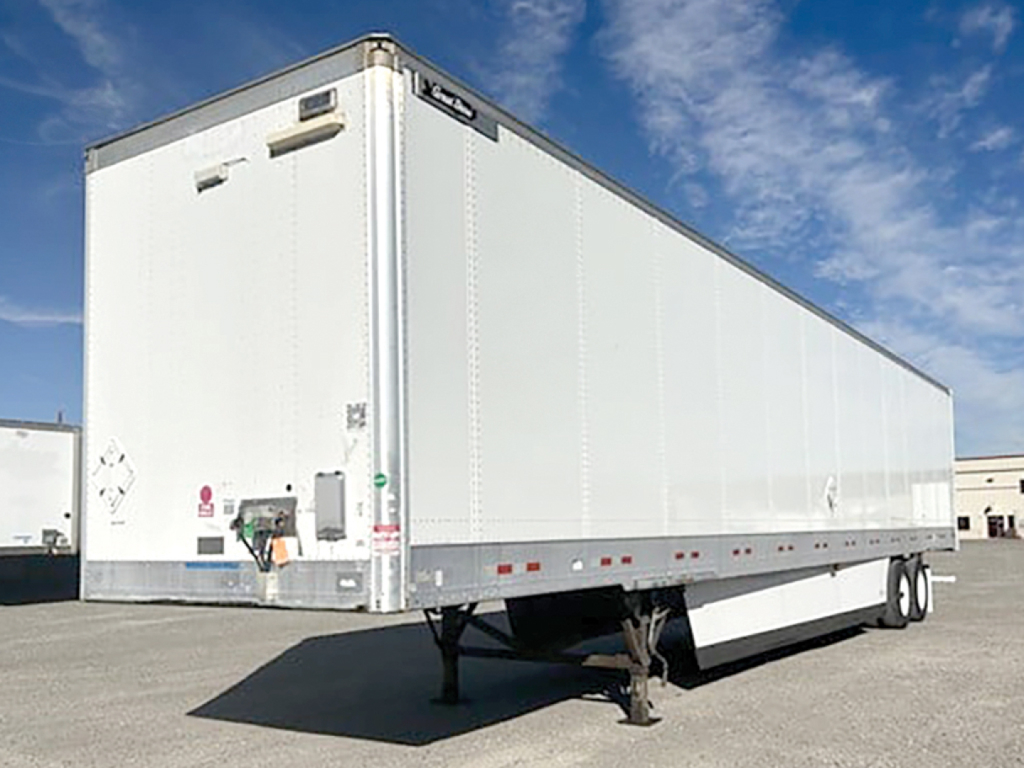
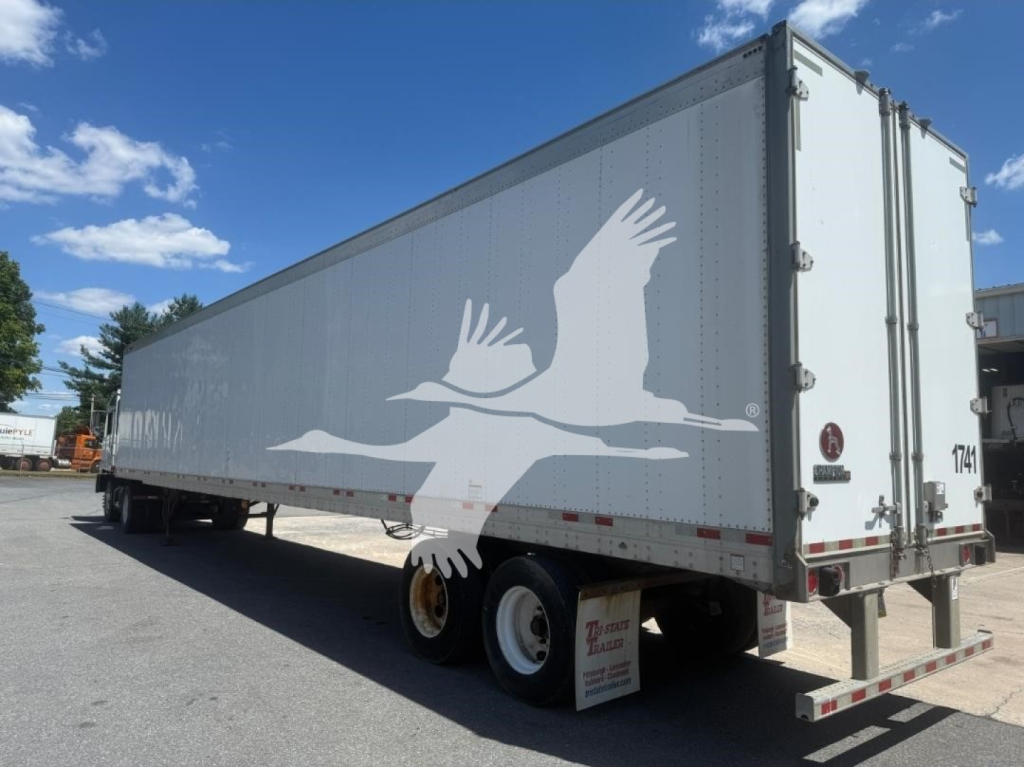
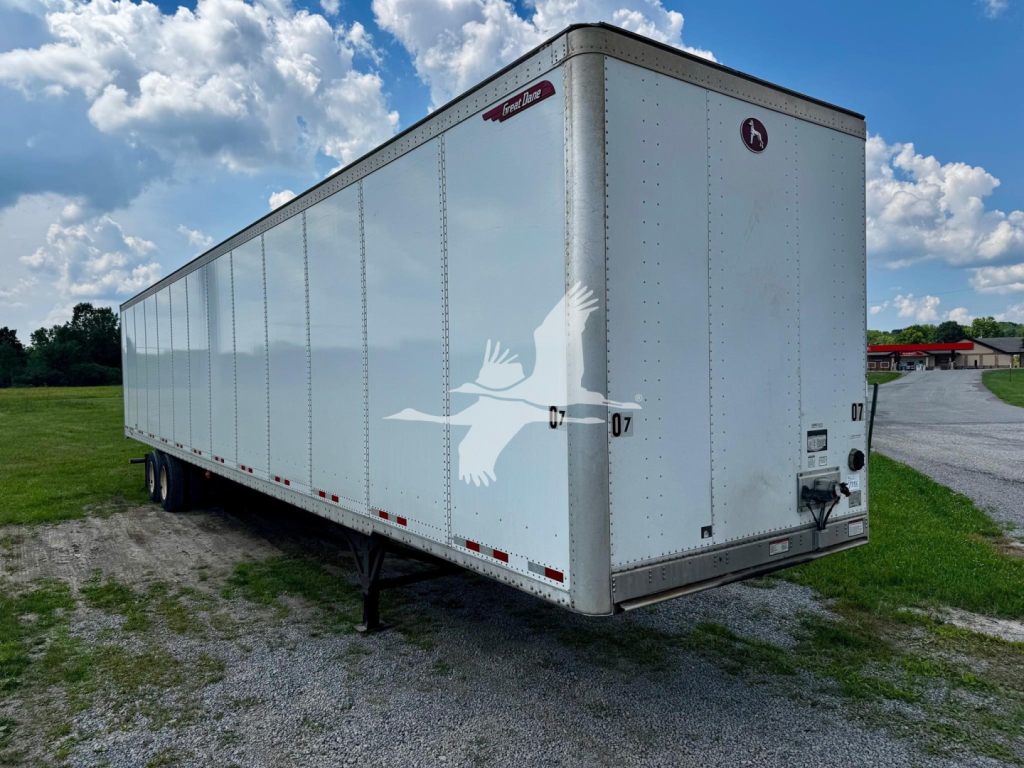
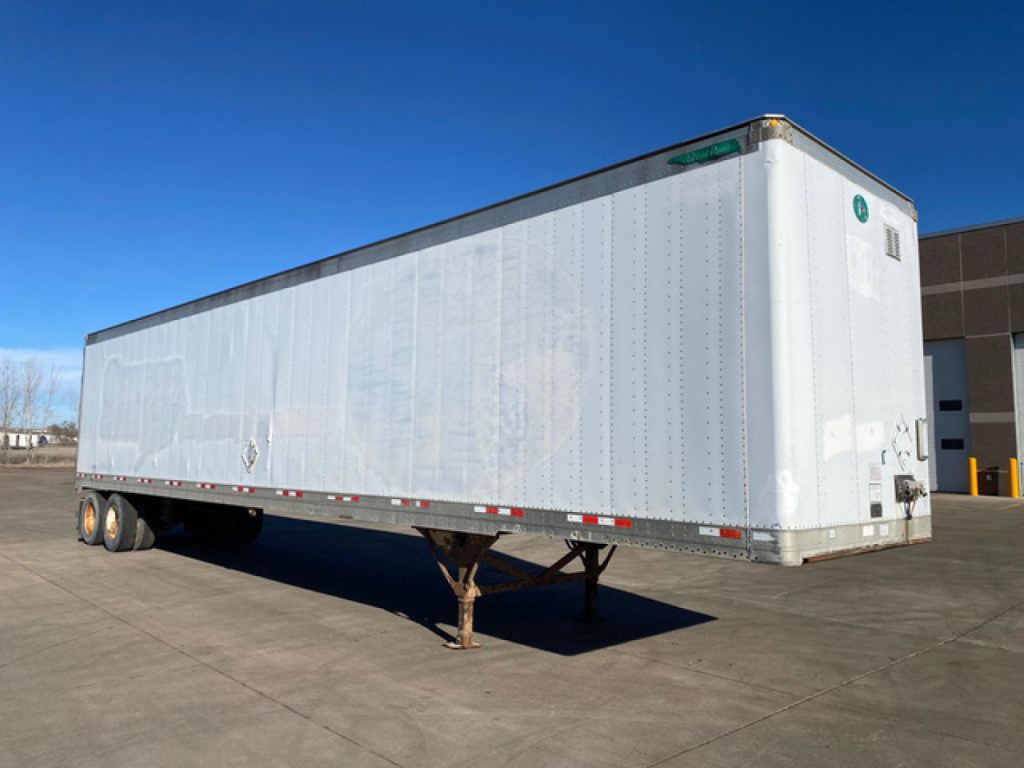
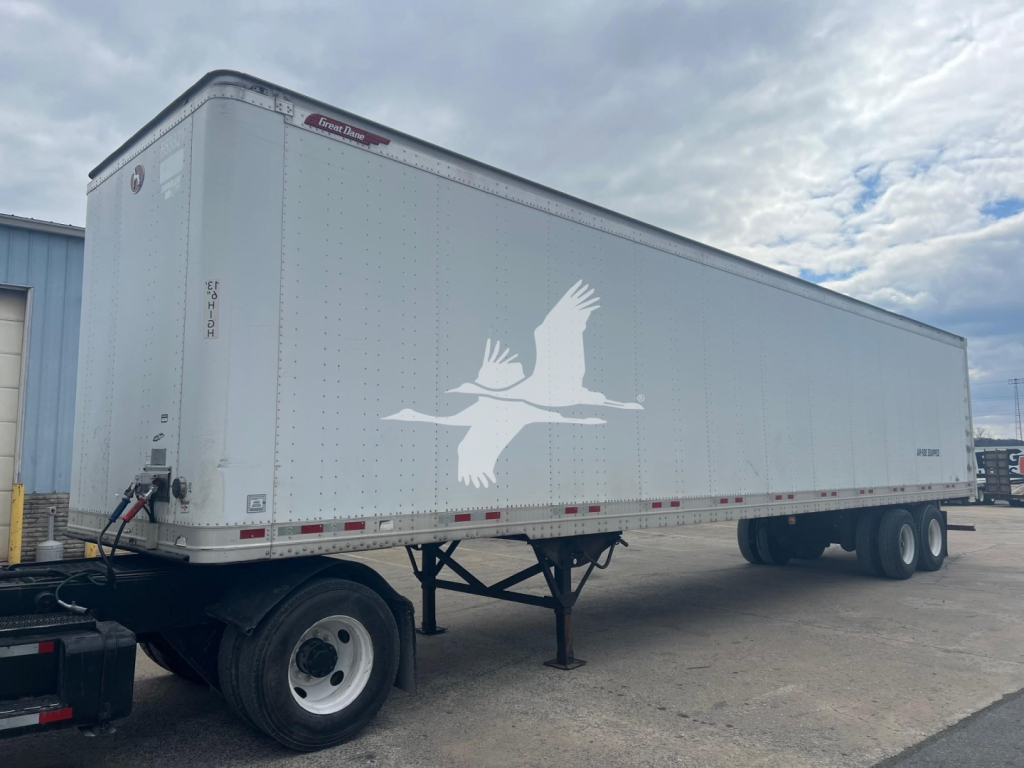
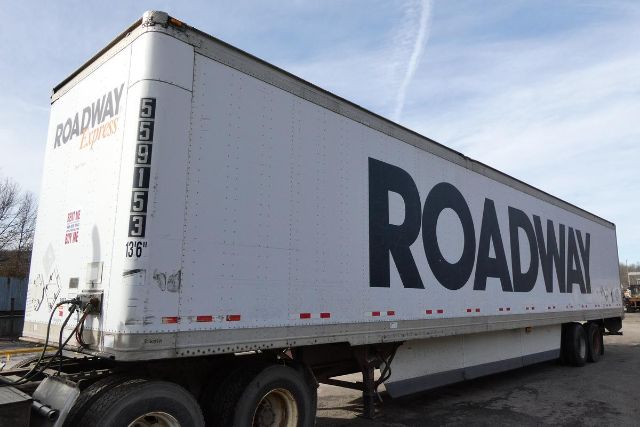
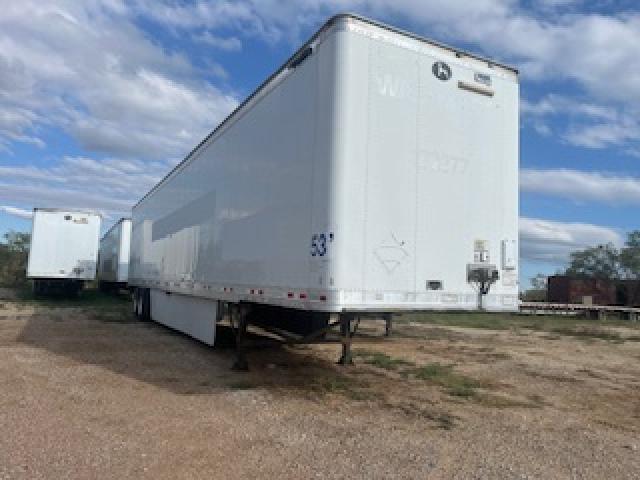
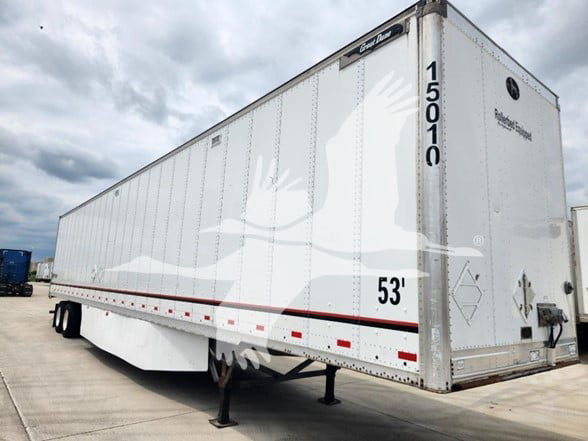
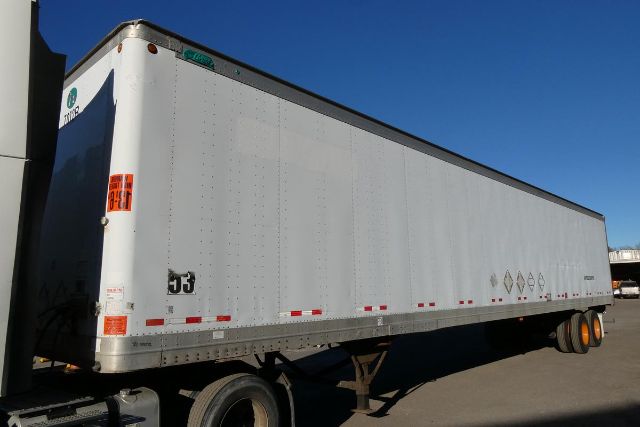
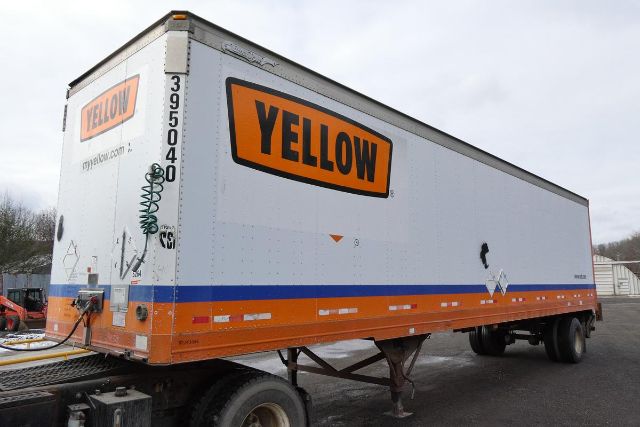
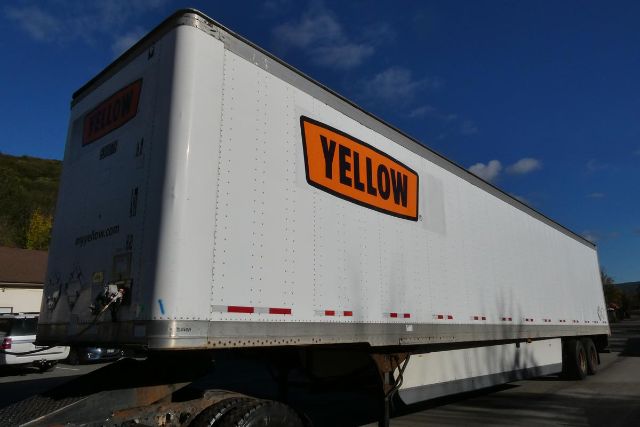
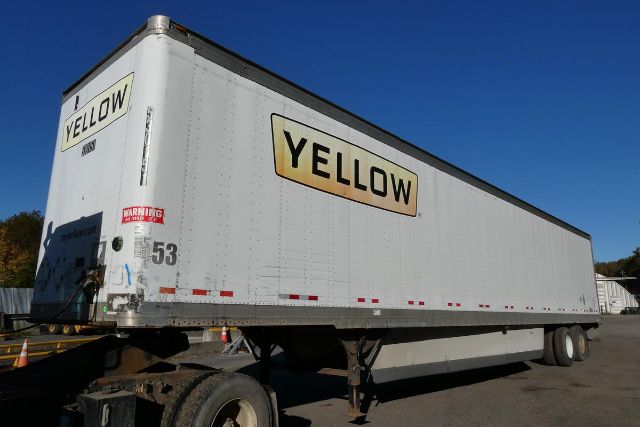
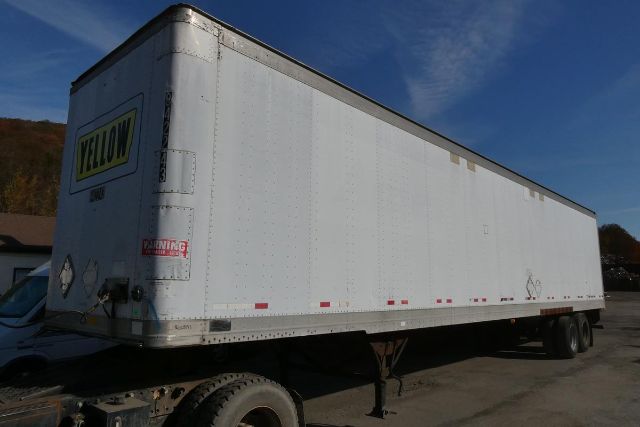
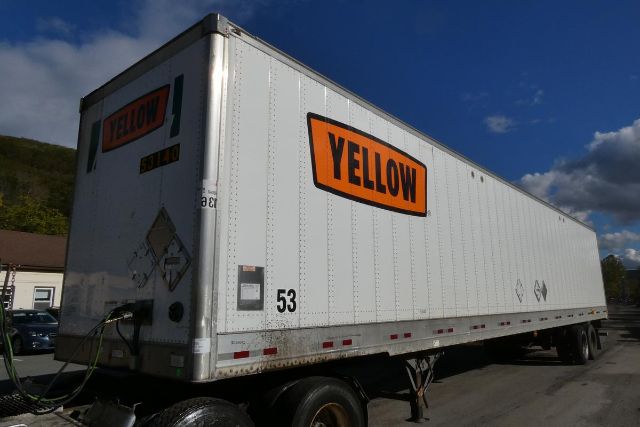
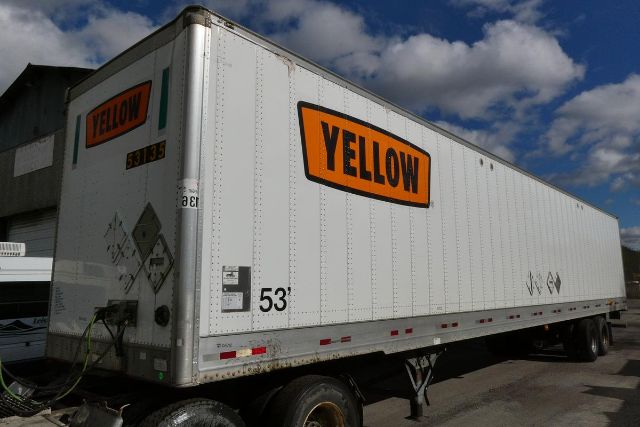
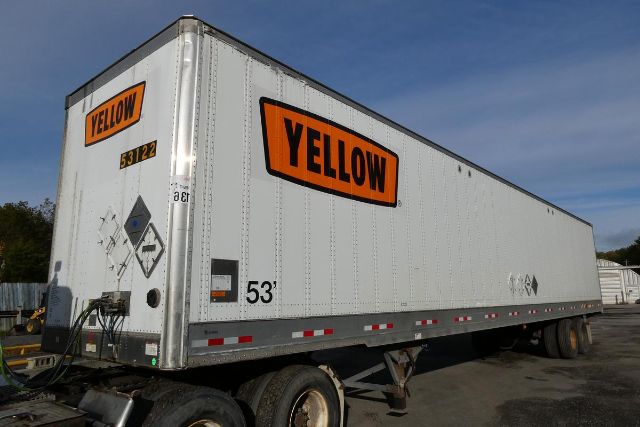
Showing 1 to 24 of 100 results
Have used great dane van trailer to sell? List it here to reach thousands of buyers.
Used Great Dane Van Trailers
A buyer should start with structure, floor condition, and running gear. On a used van trailer, floor wear around the threshold, forklift traffic damage, wall liner condition, crossmember integrity, and rear frame repairs matter more than cosmetic appearance. Great Dane models are often found with air ride or spring suspension, sliding tandems, air brakes, and 22.5 low-profile rubber. Tire inflation systems, side skirts, stainless rear door frames, and translucent or transparent roofs are also common fleet options. If the trailer will be used in dock-heavy LTL or city delivery service, door type becomes a real operating decision. Roll-up doors help in tight docks, while swing doors usually cost less to maintain and preserve full rear opening width.
Payload strategy also matters with used Great Dane vans. Aluminum construction helps keep tare weight competitive, but actual empty weight varies widely based on length, liner package, floor type, aerodynamic equipment, and added logistics hardware. A basic dry van used for general freight is different from a heated van, a heavily lined grocery trailer, or a logistics-equipped trailer built for multi-stop freight. Buyers running longhaul should pay attention to roof condition, aero spec, suspension type, and tandem slide operation. Buyers running local or drop-and-hook freight should look closely at ICC bumper condition, landing gear, kingpin area wear, brake components, and evidence of repeated dock impact.
Great Dane van trailers also hold value because they are easy for most fleets, owner-operators, and repair shops to evaluate. Parts and service familiarity is strong across the market, which can make reconditioning more predictable on an older trailer. When comparing used units, it helps to verify interior width and height, door opening dimensions, axle spacing, GVWR, and any fleet-specific equipment such as logistic tracks, vents, tire inflation systems, or skirts. A well-kept Great Dane dry van can be a straightforward freight trailer for retail, packaged goods, paper products, palletized shipments, and general dry van lanes, provided the trailer's floor, rear frame, suspension, and door package match the work.
Frequently Asked Questions about Used Great Dane Van Trailers
What are the most common specs on a used Great Dane van trailer?
The most common used Great Dane van trailer is a 53-foot dry van with 102-inch width and 13-foot 6-inch overall height. Many are aluminum-bodied trailers with wood floors, sliding tandems, air brakes, and either air ride or spring suspension. Buyers will also see 45-foot versions, especially in older fleets or regional applications, along with options like logistics posts, E-track, scuff liners, tire inflation systems, side skirts, and roll-up or swing rear doors.
Is air ride better than spring suspension on a used dry van?
Air ride is generally preferred for ride quality, cargo protection, and resale value, especially for general freight and longer-haul work. Spring suspension is simpler and can be less expensive to maintain, but it usually delivers a harsher ride and may be less desirable for delicate freight. On a used Great Dane van, the better choice depends on freight type, route profile, and total trailer condition. A well-maintained spring ride trailer can still be a solid value if the structure, brakes, and floor are sound.
What should I inspect first on a used Great Dane van trailer?
Start with the floor, rear frame, roof, and tandem assembly. Check for soft spots or patched sections in the wood floor, damage at the threshold plate, cracked or bent crossmembers, rear sill repairs, and signs of leaks from the roof or upper rail area. Then inspect the suspension, brakes, tires, wheel ends, landing gear, and kingpin plate. Inside the trailer, look at the wall liner, scuff protection, logistics track condition, and any damage from forklifts or shifting freight.
Are swing doors or roll-up doors better on a dry van trailer?
Swing doors are usually lighter, simpler, and easier to keep sealed, which makes them common on linehaul dry vans. Roll-up doors are useful in tight dock areas and city deliveries because they do not swing out behind the trailer, but they add weight and can require more maintenance over time. On a used Great Dane van, the right choice depends on the loading environment and how often the trailer will be opened, docked, and handled in confined spaces.
Do older Great Dane van trailers still make good freight trailers?
Yes, many older Great Dane van trailers still serve well in general freight, storage, regional hauling, and drop lot use if the trailer has been maintained correctly. Age matters less than structural condition, prior repairs, and how hard the trailer was worked. An older trailer with a sound roof, solid floor, straight frame, good tandem slide, and usable doors can still be productive. The key is to evaluate it as a working freight asset, not just by model year.