
Used 2015 Great Dane Van Trailers For Sale
Shop used 2015 Great Dane van trailers. Compare 53-foot dry vans, specs, construction, tandem setups, doors, floors, and maintenance points.
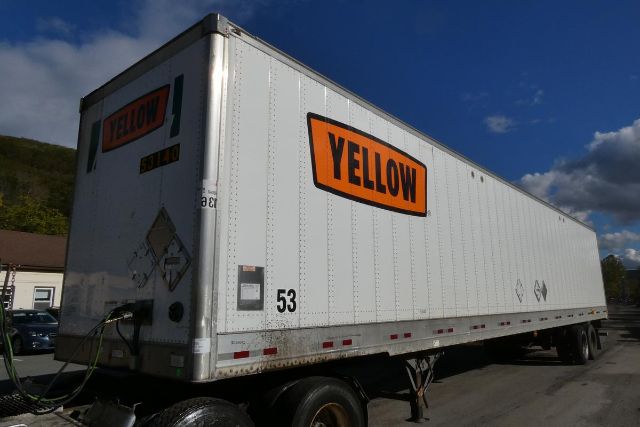
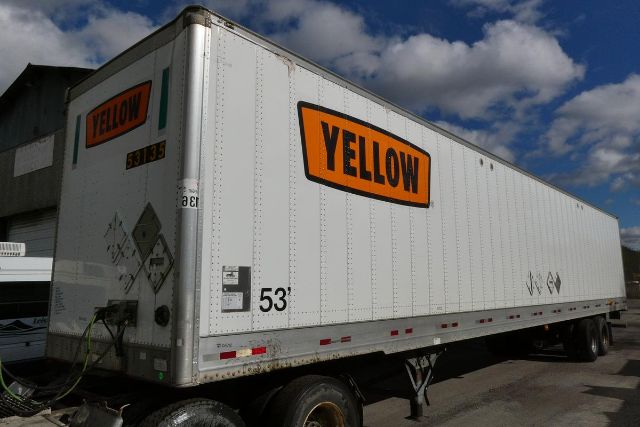
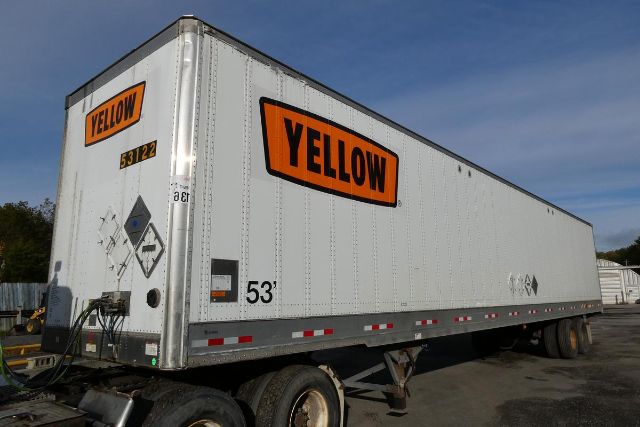
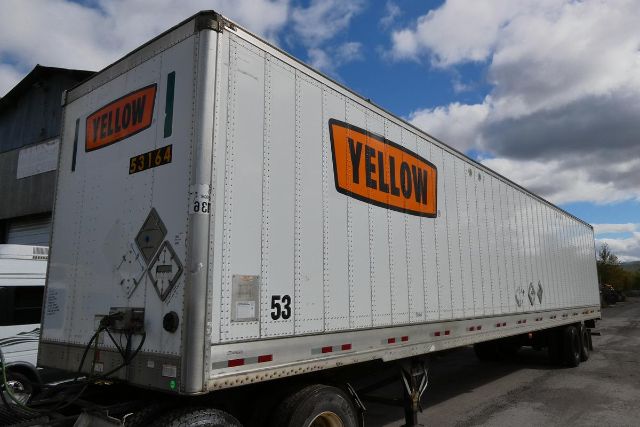
Have used 2015 great dane van trailer to sell? List it here to reach thousands of buyers.
Used 2015 Great Dane Van Trailers
On a 2015 Great Dane van, common items to compare include swing doors versus roll-up doors, air ride versus spring ride suspension, and slideable tandem axle setups for bridge law flexibility. Many dry vans from this era were built with wood floors over steel crossmembers, aluminum roofs, logistic posts, and e-track or scuff liners depending on the freight they handled. Tire inflation systems, aerodynamic side skirts, and 22.5 low-pro tires are also common spec points in fleet-grade units. If the trailer will stay in dock service, rear door seal condition, threshold wear, and ICC bumper integrity deserve close attention. If it will run long haul, buyers should look harder at brake life, wheel-end history, suspension wear, and roof or seam leaks that can turn into cargo claims.
Great Dane vans from this period are often chosen because they balance low tare weight with durable fleet construction. A lighter dry van can improve payload flexibility, but structural condition still comes first. Check for floor rot at high-traffic zones, patched side panels, cracked crossmembers near the slider area, kingpin plate wear, and signs of impact around the rear frame and nose. On used units, prior grocery, parcel, paper, beverage, or retail service can tell you a lot about remaining life. Heavy forklift traffic usually shows up in the floor and lower sidewall area, while dense freight applications may reveal more stress around crossmembers and suspension mounts.
For a buyer comparing multiple used 2015 Great Dane van trailers, the smartest approach is to match the trailer spec to the lane and loading method. Drop-and-hook operations often favor air ride, sliders, and swing doors. City and LTL-style dock work may prioritize door cycle durability and floor condition. Dedicated shipper freight may require specific interior width, logistic track placement, or food-grade cleanliness standards. A 2015 unit can still be a solid revenue trailer if the structure is sound, the running gear is current, and the configuration fits the freight. The best value is usually the trailer with the clearest maintenance history, the least structural compromise, and a spec package that reduces rework after purchase.
Frequently Asked Questions about Used 2015 Great Dane Van Trailers
What should I inspect first on a used 2015 Great Dane van trailer?
Start with the structure. Inspect the floor for forklift damage, soft spots, and excessive patching. Check crossmembers, especially around the tandem slider rails, for cracks, corrosion, or prior repairs. Look closely at the kingpin area, rear frame, roof seams, and sidewall panels for impact damage or signs of water intrusion. After that, move to running gear, including suspension, brakes, tires, wheel ends, and slider function, because those items directly affect road readiness and near-term operating cost.
Are 2015 Great Dane van trailers usually 53-foot dry vans?
Many are, but not all. The most common configuration in this class is a 53-foot by 102-inch dry van, often with a tandem axle slider and dock-height rear opening. Some buyers will also see specialty van configurations such as heated vans, different door styles, or units built for dedicated accounts. The actual spec should always be confirmed from the VIN plate and trailer build details rather than assumed from the year and make alone.
Is air ride better than spring ride on a used Great Dane van trailer?
Air ride is often preferred for general freight because it can offer better ride quality, reduced cargo shock, and broader shipper acceptance. It is especially common in fleet dry van service. Spring ride can be simpler and less expensive to maintain, but it may not fit every freight profile. The better choice depends on cargo sensitivity, maintenance philosophy, and lane requirements. On a used trailer, condition matters more than theory, so a well-maintained spring ride can be a better buy than a neglected air ride trailer.
What door type is better on a dry van, swing doors or a roll-up door?
Swing doors are the standard choice for full trailer dry van service because they preserve maximum rear opening height, are generally lighter, and are easier to seal when maintained properly. Roll-up doors are useful in routes with frequent stop-and-go unloading where dock clearance or repeated access is a factor, but they can reduce opening height and add maintenance at the track and spring assembly. The right choice depends on how the trailer will be loaded, unloaded, and assigned.
How important is prior application when buying a used 2015 van trailer?
Prior application is one of the best indicators of wear pattern. Grocery and beverage service can mean heavier and more repetitive forklift traffic. Parcel and retail work may show high door-cycle wear and dock contact. Paper and dense commodity hauling can place more sustained stress on floors and crossmembers. Knowing what the trailer hauled helps a buyer predict repair needs, evaluate remaining service life, and avoid a trailer that looks acceptable but is mismatched to future use.