
Used 1997 Great Dane Van Trailers For Sale
Shop used 1997 Great Dane van trailers. Compare dry van specs, lengths, tandem setups, door styles, floors, and body construction.
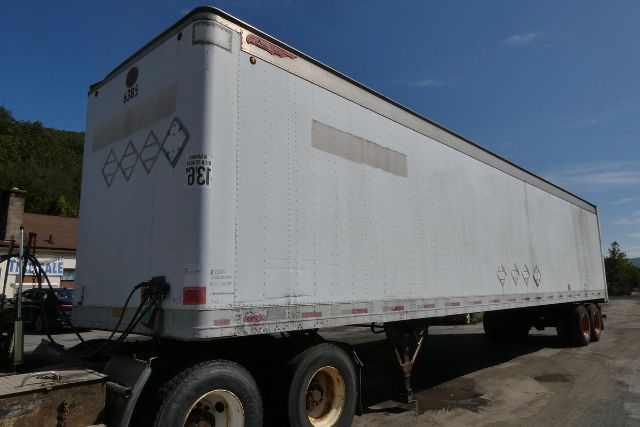
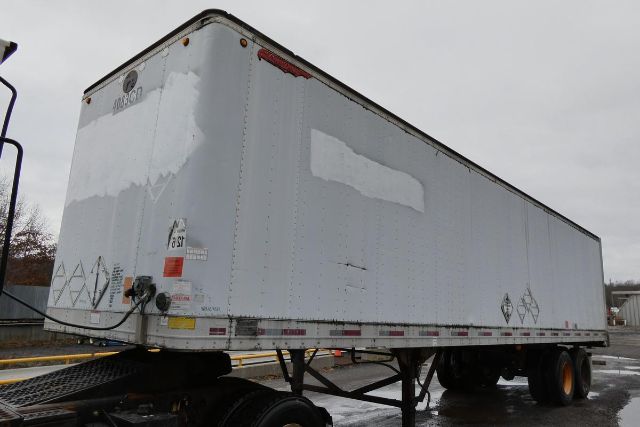
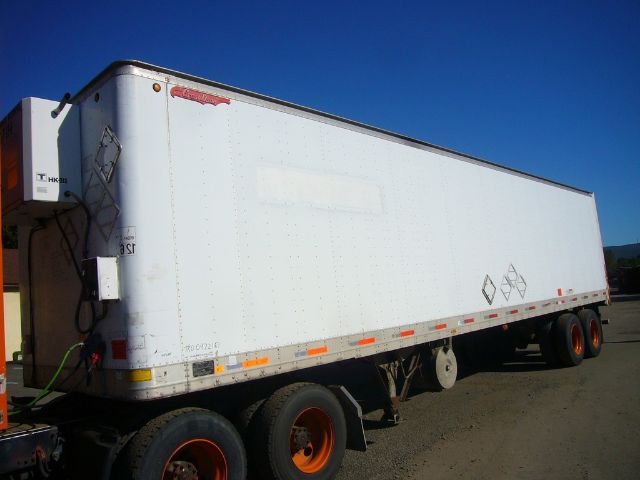

Have used 1997 great dane van trailer to sell? List it here to reach thousands of buyers.
Used 1997 Great Dane Van Trailers
Length and axle configuration drive a lot of the buying decision. Many van trailers in the market are 48-foot or 53-foot units with tandem axles, often on spring ride or air ride suspensions, though shorter single-axle vans also appear in local delivery or storage roles. Common dry van dimensions are 102 inches wide and up to 13 feet 6 inches overall height, with inside heights and door openings varying by roof design and floor wear. Slide tandems matter if the trailer will run in states with bridge law concerns or tight dock layouts, while fixed tandems can be simpler for dedicated local service. Buyers should also verify tire size, wheel type, brake configuration, and kingpin setting to make sure the trailer fits their tractor fleet and operating lanes.
Construction details matter more on an older van than the badge on the nose. Great Dane trailers from this era are often aluminum-bodied with wood-over-steel floors or mixed-material construction designed to balance payload and durability. Check the front wall for impact damage, inspect the roof bows and roof skin for leaks or patchwork, and look closely at the rear frame, door header, and threshold for forklift damage. Roll-up doors are useful in city and multi-stop work, while swing doors are often preferred for full dock access and simpler repair. Scuff liners, logistics posts, translucent roofs, and liftgates can add value depending on the application, but floor crossmember condition, landing gear operation, brake wear, and tandem slider function are the items that usually determine whether an older van trailer is road-ready or better suited for storage.
A 1997 Great Dane van trailer can still make sense for regional freight, dedicated warehouse shuttles, seasonal storage, or drop-yard use when the trailer has solid structure and compliant brakes, lights, and tires. Buyers should pay attention to DOT inspection readiness, corrosion around the rear sill and upper rail, signs of previous sidewall repairs, and the remaining service life in the floor and suspension. If payload matters, confirm the empty weight against the trailer's actual spec rather than assuming all aluminum vans are light. For storage use, watertight condition and door sealing may matter more than suspension or slider condition. Matching the trailer's age, spec, and repair status to the intended job is the key to getting value from an older Great Dane dry van.
Frequently Asked Questions about Used 1997 Great Dane Van Trailers
What should I inspect first on a used 1997 Great Dane van trailer?
Start with the structure. Check the frame rails, subrails, crossmembers, rear frame, and landing gear mounts for cracks, corrosion, or poor repairs. Then inspect the floor for rot, soft spots, or forklift damage, followed by the roof, front wall, and door frame for leaks and impact damage. On a trailer of this age, structural condition usually matters more than cosmetic appearance because major frame, floor, or rear-end repairs can quickly outweigh the trailer's value.
Are 1997 Great Dane van trailers usually 48-foot or 53-foot models?
Both are common, depending on the trailer's original fleet application. Many over-the-road dry vans from that period were built in 48-foot and 53-foot lengths, usually at 102 inches wide. A buyer should confirm overall length, inside height, door opening, and tandem position because those details affect dock compatibility, legal bridge compliance, and how much cubic capacity the trailer actually offers.
Is an older Great Dane van trailer better for highway freight or storage use?
It depends on condition and specification. A sound 1997 van trailer with good brakes, tires, lighting, floor strength, and a serviceable suspension can still work in local or regional freight. If the running gear is worn but the body remains dry and secure, the same trailer may be a better fit for on-site storage, warehouse overflow, or yard use. The best use case comes down to structural integrity, compliance needs, and how much money would be required to put the trailer into active road service.
What suspension and axle setups are common on used Great Dane van trailers?
Tandem axle configurations are the most common, often with either spring ride or air ride suspension. Some trailers have slide tandems, which help with weight distribution and bridge law adjustment, while others have fixed tandems for simpler dedicated service. In lighter-duty or local applications, single-axle van trailers also exist. Buyers should inspect suspension bushings, hangers, axle alignment, brake components, and slider rails or locking pins if the trailer has a movable tandem.
What body and door features add value on a dry van trailer?
Useful features include scuff liners, vertical logistics posts, translucent roofs, liftgates, and well-maintained roll-up or swing doors. The best feature set depends on the freight. Roll-up doors can help in multi-stop delivery because they reduce door swing clearance issues, while swing doors often provide a wider clear opening for dock loading. On an older trailer, these features only add real value if the surrounding structure is solid and the components still operate correctly.