
Used 2014 Great Dane Van Trailers For Sale
Browse used 2014 Great Dane van trailers. Compare 53-foot dry vans, tandem axle setups, door styles, floors, roofs, and suspension options.
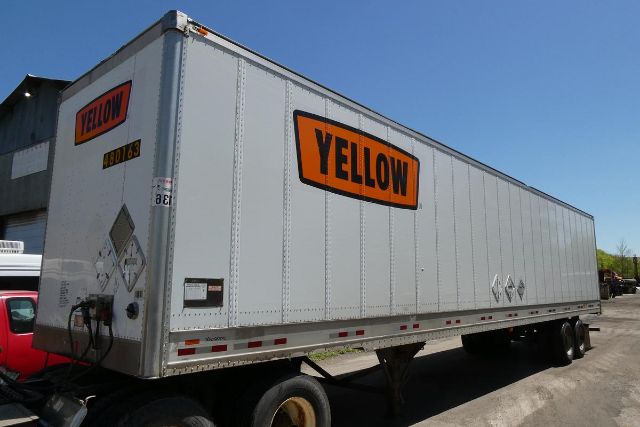
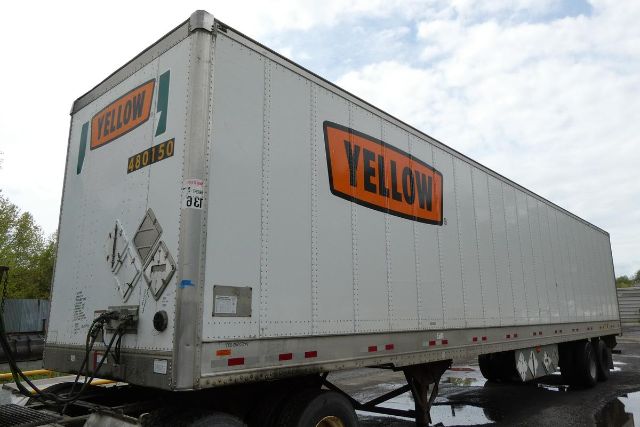
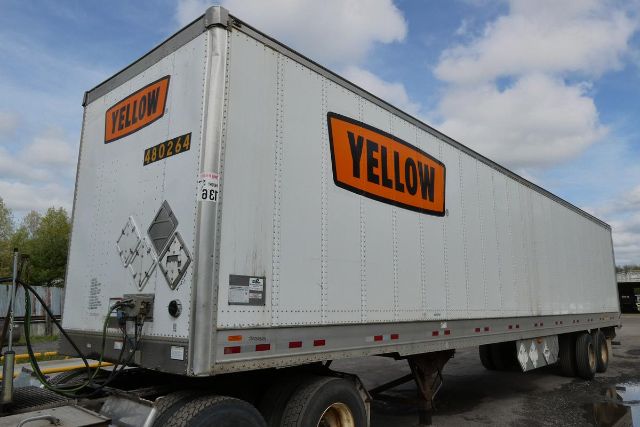
Have used 2014 great dane van trailer to sell? List it here to reach thousands of buyers.
Used 2014 Great Dane Van Trailers
The most important buying decision is how the trailer was used. A van trailer that spent its life in general dry freight service will usually wear differently than one used in beverage, package, or city P&D work. Roll-up doors are useful for frequent dock stops, but they add weight and reduce rear opening height compared with swing doors. Swing doors are simpler and often preferred for full dock loading and maximum cube. Buyers should inspect the floor closely for forklift damage, rot, patched sections, and fastener pull-through, especially near the nose, threshold, and high-traffic wheel paths. Interior lining, scuff liners, e-track, and logistics posts also matter if the trailer will be used for mixed freight or load securement-sensitive freight.
Running gear specs deserve close attention on any used Great Dane van trailer. Tandem axle configurations may be fixed or slideable, and slider function affects bridge law flexibility and dock positioning. Suspension can vary between spring ride and air ride, with air ride generally preferred for more fragile freight and better load protection. Tire size, wheel type, brake condition, slack adjusters, hubs, and wheel seals all affect operating cost after purchase. On a 2014 trailer, buyers should also check for ABS faults, air system leaks, uneven tire wear, and signs of alignment issues. If the trailer includes options like a tire inflation system, translucent roof, stainless rear frame, or liftgate, those features can add value depending on route type and cargo profile.
Great Dane van trailers are also known as dry vans or dry box trailers, and they remain one of the most versatile trailer types in the market. Standard dimensions are usually 102 inches wide and up to 13 feet 6 inches tall, with interior width and door opening height varying by floor build and door style. For fleets hauling palletized consumer goods, boxed freight, paper products, or non-temperature-sensitive retail freight, a used 2014 Great Dane dry van can offer a solid balance of capacity, durability, and lower acquisition cost than a newer unit. The best choice is usually the trailer with the clearest maintenance history, the straightest body and rear frame, and the least amount of hidden floor and suspension wear.
Frequently Asked Questions about Used 2014 Great Dane Van Trailers
What should I inspect first on a used 2014 Great Dane van trailer?
Start with the floor, roof, rear frame, suspension, and slider assembly. Floor repairs and forklift damage can be expensive and may not be obvious at first glance. Check the roof bows and roof skin for previous patching or leak points, inspect the rear sill and door frame for impact damage, and confirm the tandem slider pins engage correctly. Tire wear, brake condition, ABS function, and air leaks should also be part of the first inspection because they directly affect road readiness and near-term repair cost.
Are Great Dane van trailers typically aluminum or steel?
Many Great Dane dry vans in this age range use aluminum trailer construction to reduce tare weight while maintaining structural durability. Floors are often wood or wood-over-steel, and rear frame or door surround areas may use steel or stainless components for added wear resistance. The exact build can vary by original fleet specification, so buyers should confirm trailer composition, floor type, and rear structure details on each unit rather than assuming every trailer is configured the same way.
Is a slideable tandem important on a dry van trailer?
A slideable tandem is important for many operations because it gives the trailer more flexibility for bridge compliance, axle weight distribution, and docking position. Regional and over-the-road carriers often prefer sliders for legal weight management across different states and load patterns. A fixed tandem can be acceptable in certain dedicated operations, but most general freight buyers place more value on a tandem slider that moves freely, locks properly, and shows no major rail or pin wear.
Which is better on a van trailer, swing doors or a roll-up door?
The better choice depends on the route and freight. Swing doors are lighter, usually provide the full rear opening, and are common in standard truckload work. Roll-up doors are convenient in multi-stop delivery and city operations because they are faster to open at a dock and easier to manage in tight spaces. The tradeoff is extra weight, more moving parts, and sometimes less usable rear opening height. Buyers should match the door style to stop frequency, cargo handling needs, and cube requirements.
What freight is a used 2014 Great Dane dry van best suited for?
This trailer class is best suited for general dry freight that does not require temperature control. Common applications include palletized consumer goods, retail freight, paper products, packaging materials, household goods, and other boxed or shrink-wrapped shipments. The right trailer for the job depends on floor rating, interior securement equipment, door style, and suspension. For heavier forklift-loaded freight, floor condition and crossmember integrity are especially important.