
Used 2020 Great Dane Van Trailers For Sale
Shop used 2020 Great Dane van trailers. Compare 53-foot dry vans, composite or aluminum builds, tandem setups, doors, floors, and specs.
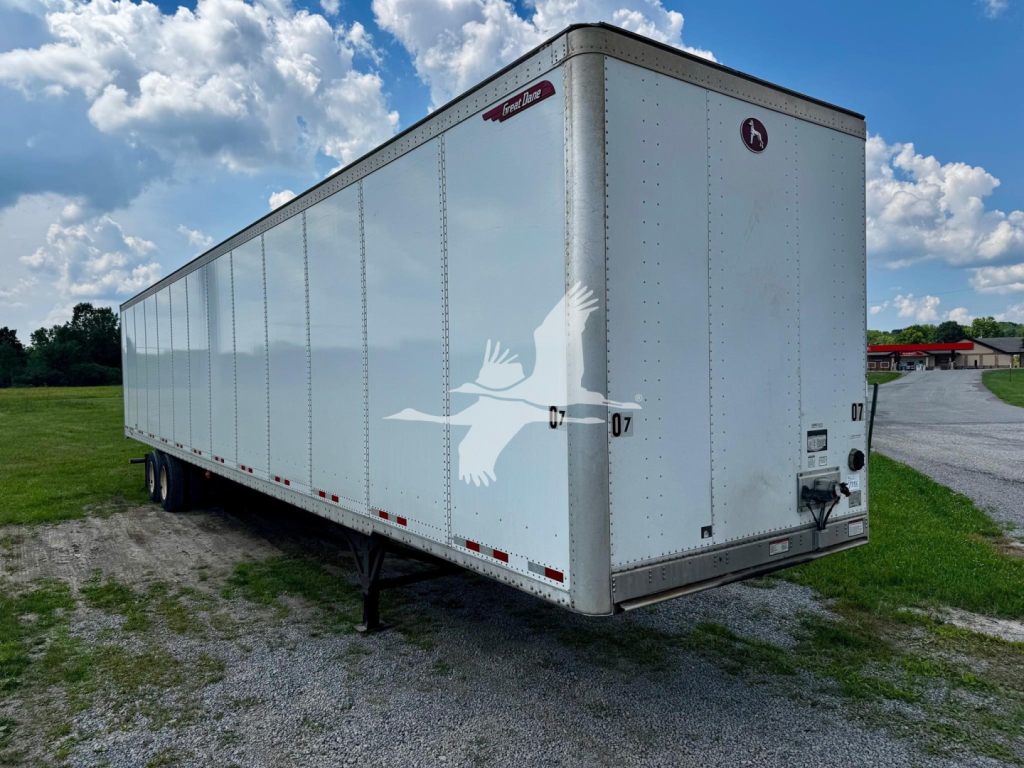
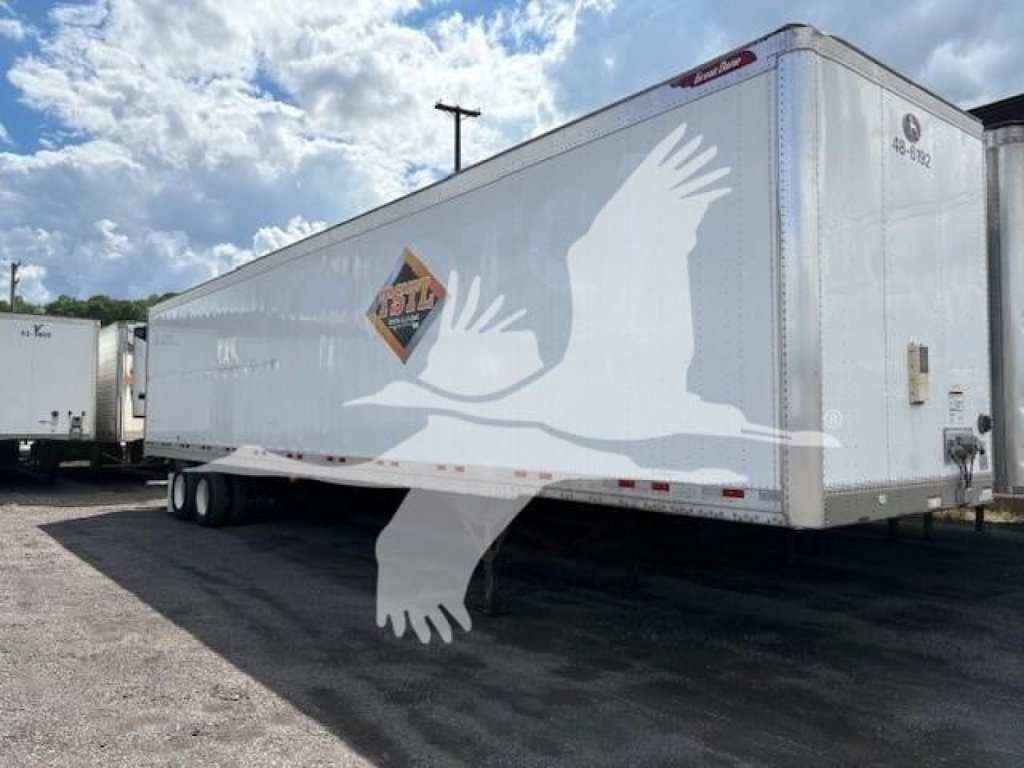
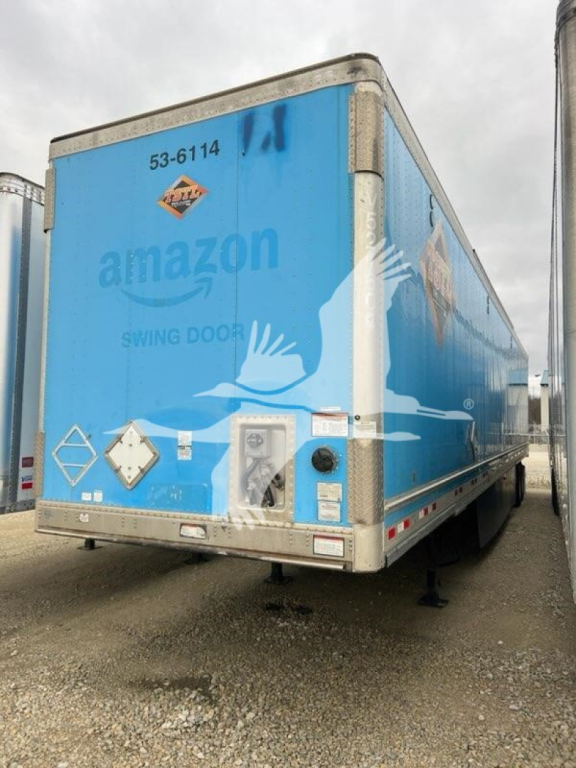
Have used 2020 great dane van trailer to sell? List it here to reach thousands of buyers.
Used 2020 Great Dane Van Trailers
The first buying decision is usually trailer build. Great Dane dry vans from this era are commonly found in aluminum sheet-and-post or composite configurations, with the Champion line being especially well known for composite construction. Composite vans can offer lower tare weight and a cleaner inside wall for freight protection, while traditional plate or sheet-and-post builds remain familiar to many fleet shops and are straightforward to repair after dock or sidewall damage. Typical specs in this class include 53-foot length, 102-inch width, tandem axles, air ride or spring suspension, 22.5 low-profile rubber, logistics posts on regular centers, hardwood or laminated flooring, and either swing doors or roll-up rear doors. Buyers moving cube-sensitive freight should confirm interior height, rear door opening, and posted wall construction because those details affect pallet count, load securement, and forklift clearance.
Running gear and operating profile matter just as much as body style. A used 2020 Great Dane van trailer may be set up with a sliding tandem for bridge law flexibility and dock positioning, or with a fixed tandem if the lane is more predictable. Air ride suspension is common on higher-cycle fleet trailers because it helps with ride quality and freight protection, while spring ride can still appeal to buyers focused on simplicity. Look closely at brake type, wheel-end history, tire condition, and whether the trailer has automatic tire inflation. If fuel economy is part of the equation, side skirts and other aero components are worth checking for condition and completeness, since damaged fairings often get ignored but can affect savings over long highway miles.
Condition on a used van trailer is best judged by the high-wear points. Inspect the floor for rot, soft spots, or forklift damage, especially near the rear threshold and nose. Check the rear frame, door hardware, crossmembers, ICC bumper, and roof bows for signs of impact or recurring dock abuse. Inside the box, scuff liner height, logistics track placement, and wall repairs tell you a lot about the trailer's previous service. A 2020 Great Dane van can be a strong fit for private fleets, regional carriers, and owner-operators, but the right trailer is the one whose floor rating, door configuration, suspension, and tare weight match the freight you actually haul.
Frequently Asked Questions about Used 2020 Great Dane Van Trailers
What are the most common specs on a used 2020 Great Dane van trailer?
Most used 2020 Great Dane van trailers in this class are 53 feet long, 102 inches wide, and built as dry vans for general freight. Common configurations include tandem axles, air brakes, 22.5-inch wheels and tires, hardwood or laminated floors, and either swing rear doors or roll-up doors. Many are equipped with sliding tandems, side skirts, LED lighting, and automatic tire inflation systems, although exact specs vary by original fleet order.
Is a 2020 Great Dane Champion different from other Great Dane van trailers?
Yes. The Champion is Great Dane's well-known composite dry van platform, and many buyers specifically look for it because of its lighter construction and smooth interior sidewalls. Compared with more traditional aluminum sheet-and-post designs, a composite trailer may offer weight savings and a cleaner cargo area, but repair methods and replacement parts can differ after sidewall or panel damage. The better choice depends on your freight type, repair network, and tare weight priorities.
What should I inspect first on a used dry van trailer?
Start with the floor, roof, rear frame, and suspension. Floor damage from forklifts is common and can become expensive if crossmembers or threshold areas are compromised. Roof leaks, rear door frame damage, cracked crossmembers, worn suspension components, and uneven tire wear can all point to deferred maintenance or hard fleet use. It is also smart to inspect scuff liners, logistics posts, brake components, and all DOT lighting before making a final decision.
Are sliding tandems important on a used 2020 Great Dane van?
For many operators, yes. A sliding tandem helps with bridge law compliance, axle weight distribution, and dock approach flexibility across different shippers and states. Fleets running mixed regional and over-the-road freight often prefer sliding tandems because they give dispatch more options. If your lanes are consistent and your freight is predictable, a fixed tandem may still work, but most buyers see sliding tandems as the more versatile setup.
What freight is a Great Dane van trailer best suited for?
A Great Dane dry van is built for palletized and protected freight that does not require temperature control. Common applications include retail goods, packaged food products, paper products, consumer goods, automotive parts, and general LTL or truckload freight. The enclosed design protects cargo from weather and road debris, and options like scuff liners, logistics posts, and specific floor ratings make it easier to match the trailer to heavier or more damage-sensitive loads.