
Used 2008 Great Dane Van Trailers For Sale
Browse used 2008 Great Dane van trailers with specs buyers want: 53-foot dry vans, tandem axles, aluminum construction, and dock-ready doors.
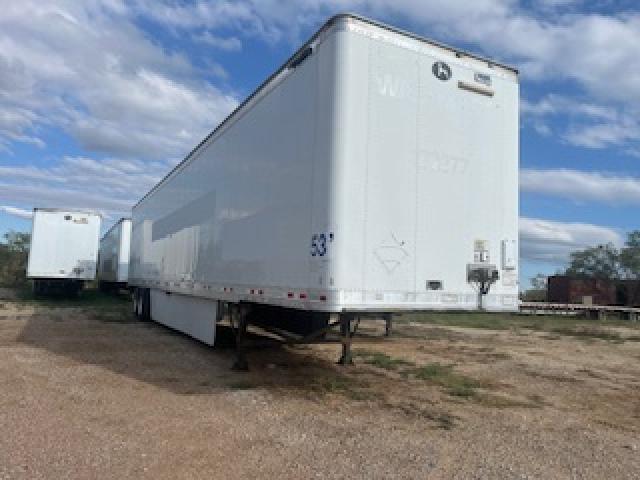
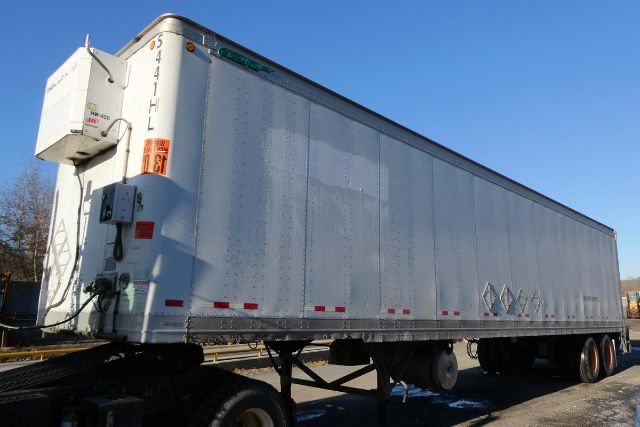
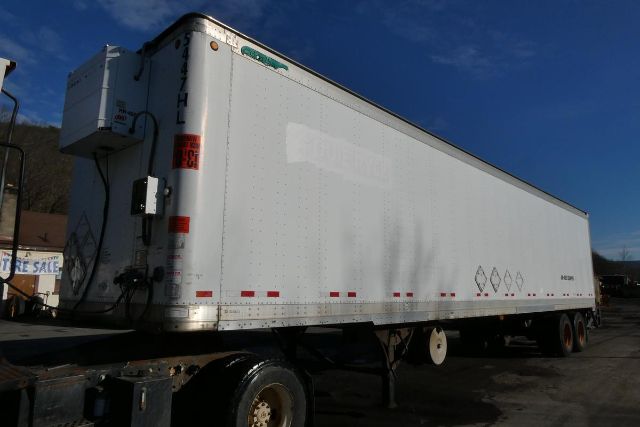
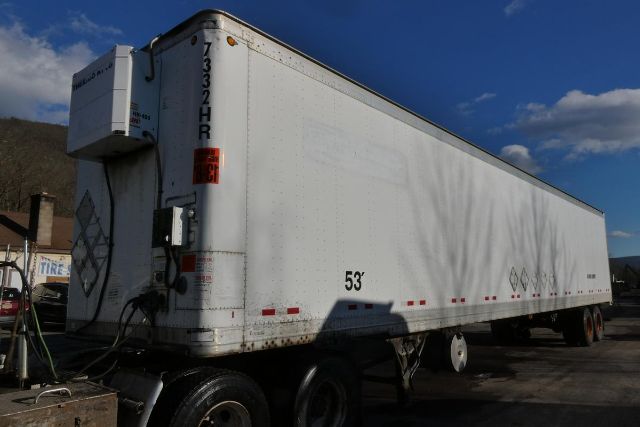
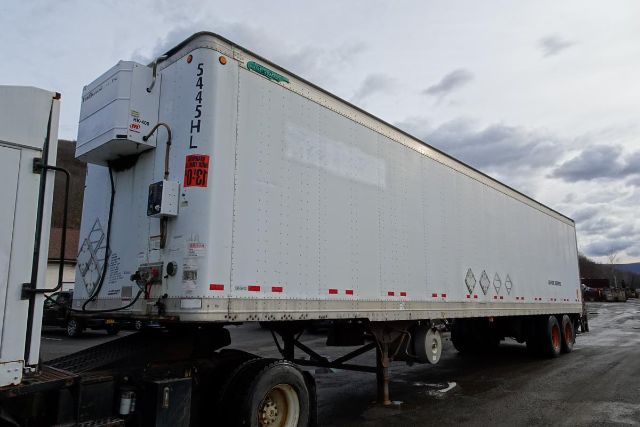
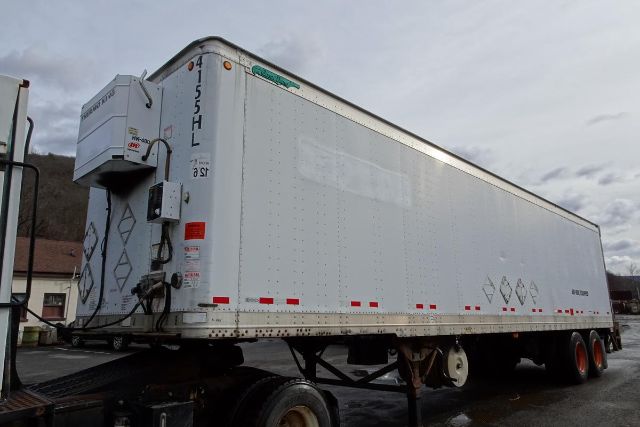
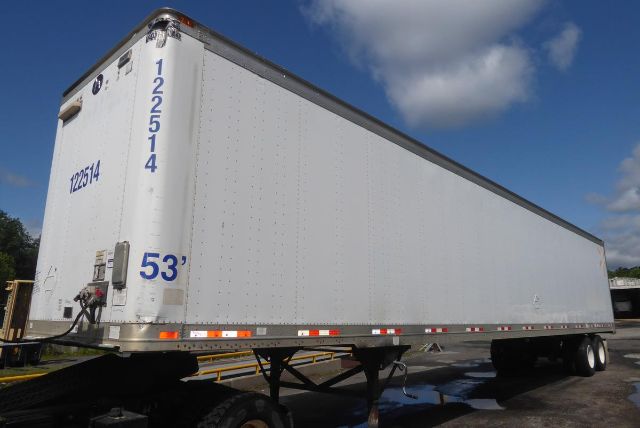
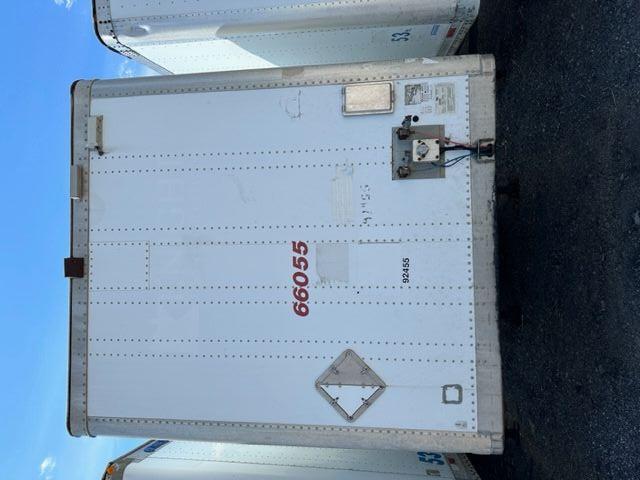
Have used 2008 great dane van trailer to sell? List it here to reach thousands of buyers.
Used 2008 Great Dane Van Trailers
For most operations, the key spec decision is tandem configuration. A 2008 Great Dane van trailer may be equipped with a slideable tandem or a fixed setup, and that matters for bridge law compliance, dock positioning, and weight distribution across state lines. Common running gear includes air brakes, 11R22.5 or 295/75R22.5 rubber, and either spring or air ride suspension depending on original application. A sliding tandem trailer usually offers better flexibility for legal axle spacing and customer requirements, while fixed axle units can be simpler for dedicated regional work. GVWR on dry vans in this class is often around 68,000 pounds, but actual payload depends on empty weight, floor condition, and how the trailer was spec'd.
Condition matters more than brand reputation once a trailer reaches this age. On a used 2008 Great Dane van, inspect the floor for forklift damage, soft spots, patched crossmembers, and threshold wear at the rear. Check the roof and upper rails for previous repairs, especially around translucent panels, and inspect door frames, hinges, and seals for dock impact or corrosion. Tire matching, brake wear, suspension bushing condition, and slider box operation can tell you a lot about maintenance history. If the trailer has a roll-up door, make sure cable tension, rollers, and tracks are in good shape. If it has swing doors, look closely at seal compression and hinge alignment. Interior scuff liners, logistics posts, and any prior liftgate or heater installation can also affect how well the trailer fits your freight.
Great Dane has long been a well-known name in dry van trailers, and a 2008 model can still make sense for fleets that need dependable cube without paying for newer-spec equipment. The right trailer is less about the badge and more about matching the van to your freight profile, lane restrictions, and loading method. Buyers comparing listings should pay attention to kingpin area condition, landing gear wear, rear frame corrosion, ICC bumper integrity, and evidence of sidewall delamination or accident repair. A clean, straight van trailer with solid floors, healthy running gear, and a functional tandem slider can still be a cost-effective option for warehouse freight, route distribution, and general dry van service.
Frequently Asked Questions about Used 2008 Great Dane Van Trailers
What should I inspect first on a used 2008 Great Dane van trailer?
Start with the structural and wear items that are expensive to correct. Inspect the floor for rot, delamination, forklift damage, and weak spots at the rear where traffic is heaviest. Check the crossmembers, side rails, rear frame, roof bows, and kingpin area for cracks, corrosion, or poor-quality repairs. Then look at the tandem slider, suspension, brakes, tires, and wheel ends to see whether the trailer has been maintained consistently. Door function and seal condition also matter because dry freight trailers earn their keep by staying weather-tight and easy to load.
Are 2008 Great Dane dry van trailers usually 53 feet long?
Many are 53-foot dry vans, but 2008 Great Dane van trailers were produced in multiple lengths and configurations. A 53-foot trailer is the most common choice for over-the-road freight because it maximizes cubic capacity and pallet count. Shorter lengths can still be useful in regional, urban, or specialized dock environments where maneuverability matters more than total cube. Buyers should confirm overall length, interior height, and axle spread because those details affect both freight fit and legal operation.
Is a slideable tandem better than a fixed tandem on a used van trailer?
A slideable tandem is usually more versatile because it allows the axle group to be repositioned for bridge law compliance, weight distribution, and customer dock requirements. That flexibility is valuable for interstate freight and mixed loading conditions. A fixed tandem can still be a good fit for dedicated routes or operations with consistent freight and limited need to adjust axle placement. The main thing is to confirm that the slider locks engage properly, the rails are not excessively worn, and the mechanism moves as it should.
What payload can I expect from a 2008 Great Dane van trailer?
Payload depends on the trailer's empty weight, axle configuration, and legal gross limits in the states where it runs. Many dry vans in this class carry a GVWR around 68,000 pounds, but actual usable payload is reduced by the trailer tare weight and the tractor's weight on the combination. Aluminum-bodied trailers generally help keep tare weight down compared with heavier all-steel builds. Buyers should compare listed trailer weight, floor type, suspension, and any added equipment such as liftgates or logistics systems because each item affects net carrying capacity.
Are older Great Dane van trailers still a good value for dry freight?
They can be, provided the trailer is structurally sound and has not been neglected. Great Dane dry vans are common in general freight service, so parts support and service familiarity are usually not a problem. The value comes from buying a trailer with solid floors, straight walls, good door operation, and running gear that does not need immediate major work. An older van trailer with strong fundamentals can still perform well in warehouse freight, route distribution, and local or regional dry van applications.