
Used 2027 Trailers For Sale in Pennsylvania
Browse used 2027 trailers in Pennsylvania, including dry vans, flatbeds, and specialty trailers with specs that matter for freight, uptime, and cost.
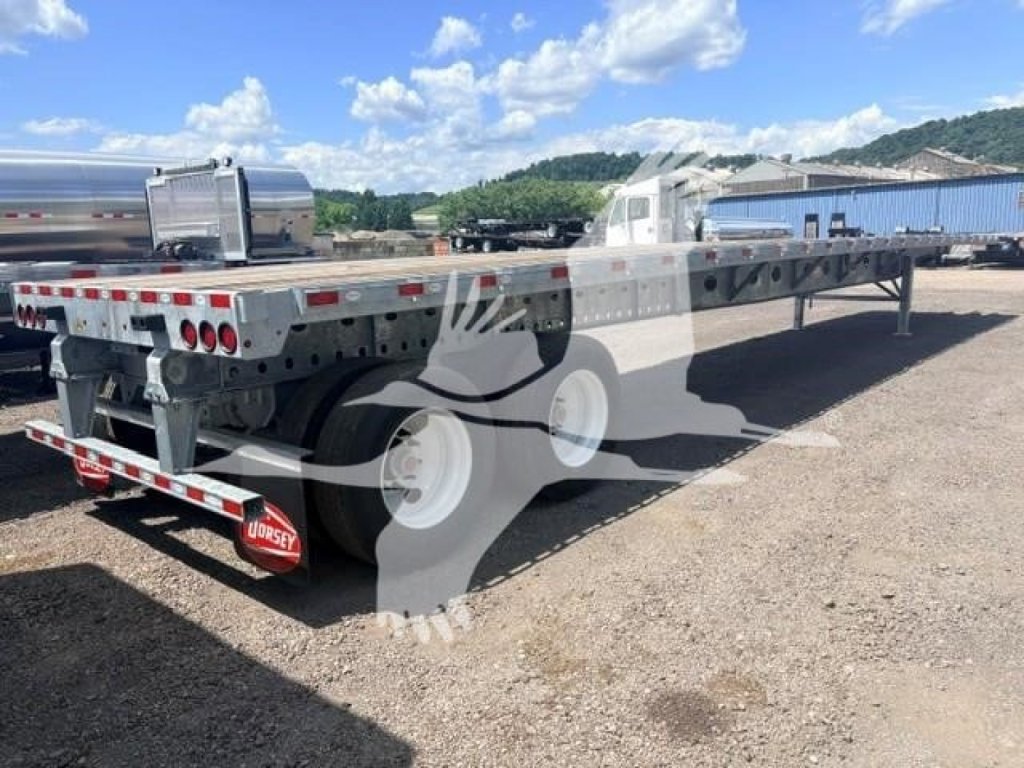
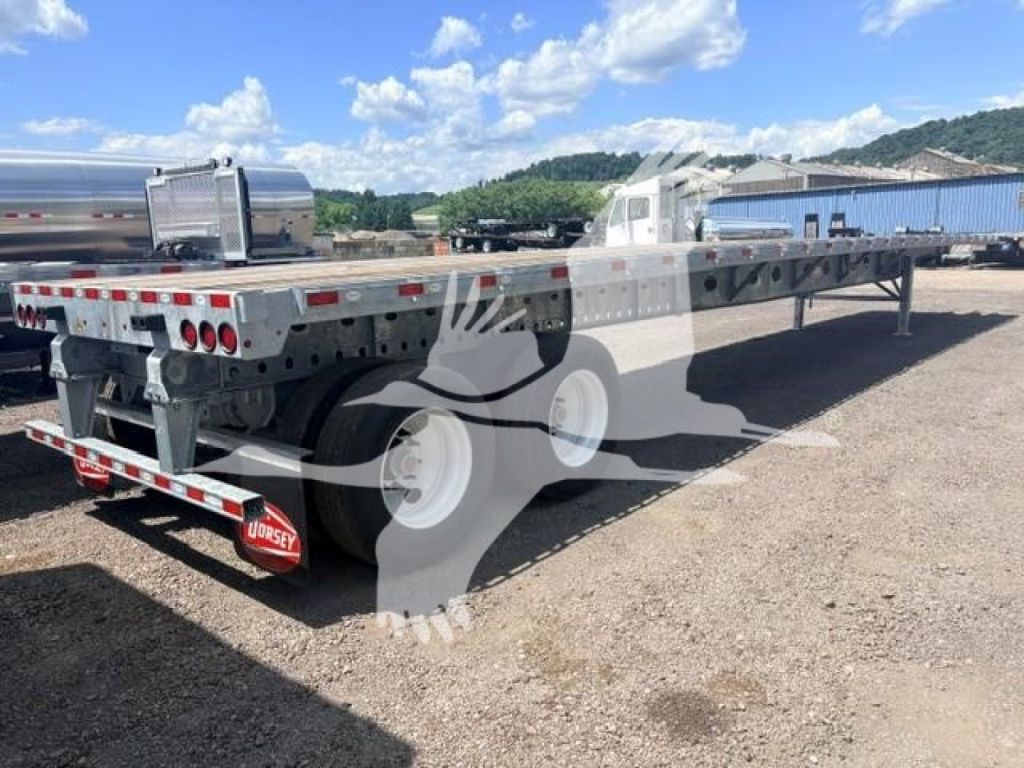
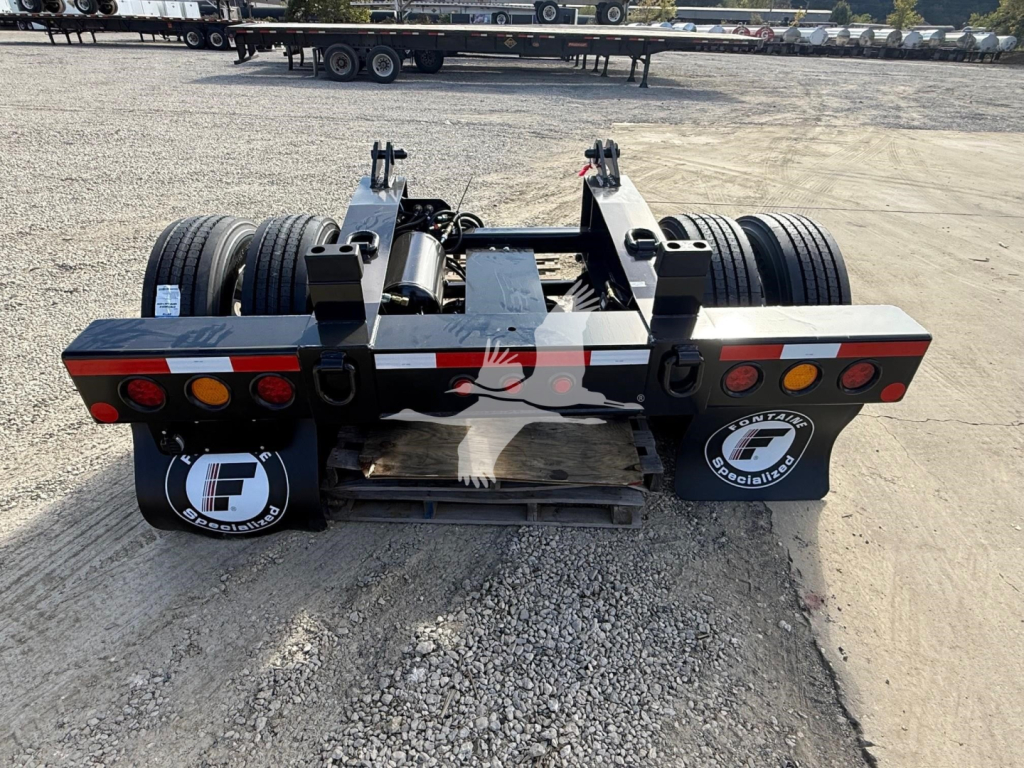
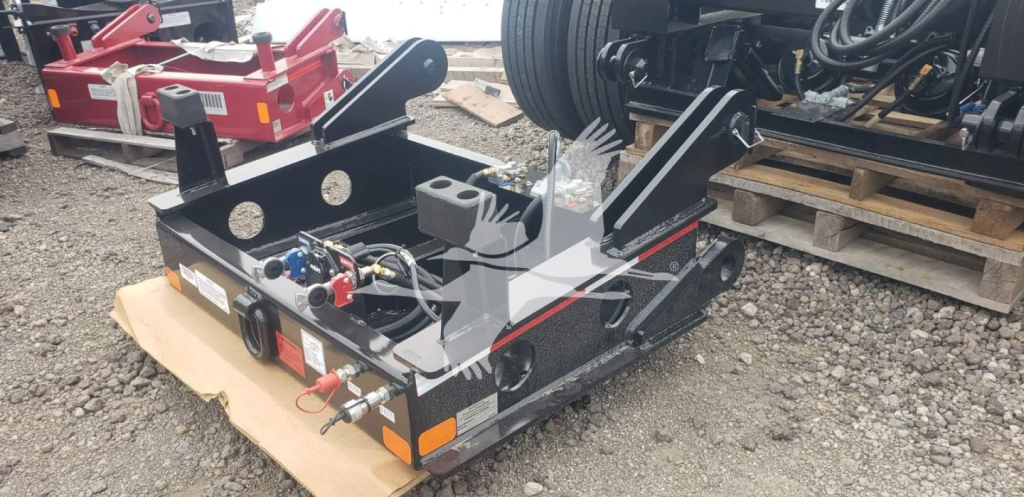
Selling a used 2027 trailer? List your used 2027 trailer for sale and reach thousands of commercial buyers.
Used 2027 Trailers in Pennsylvania
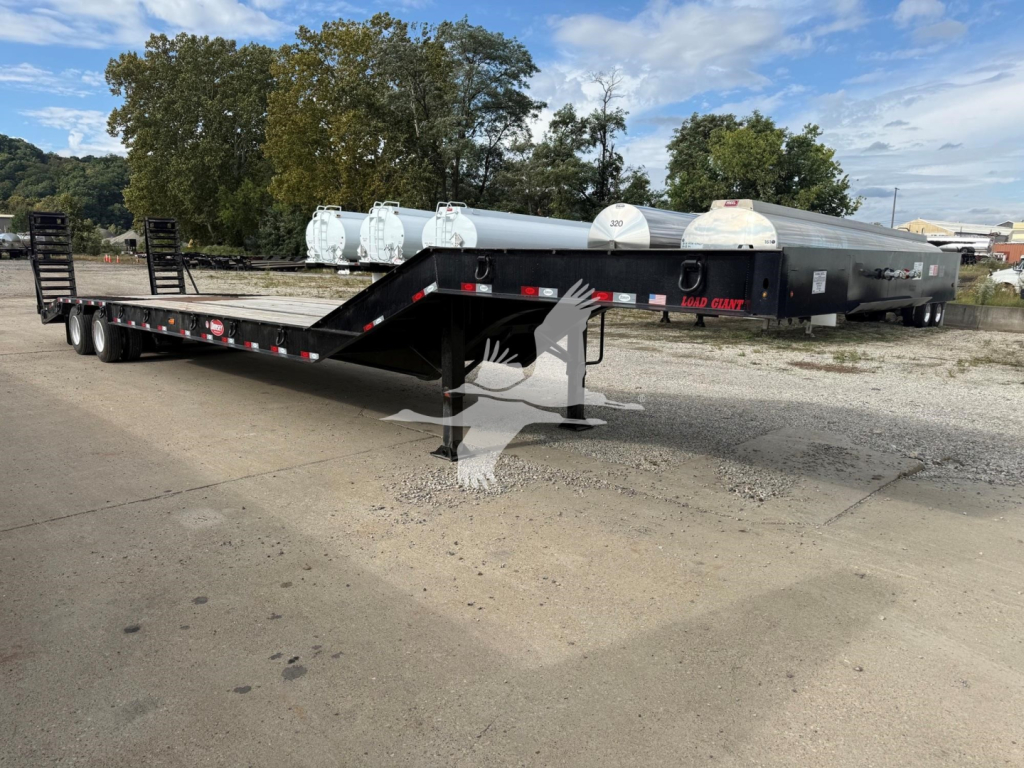
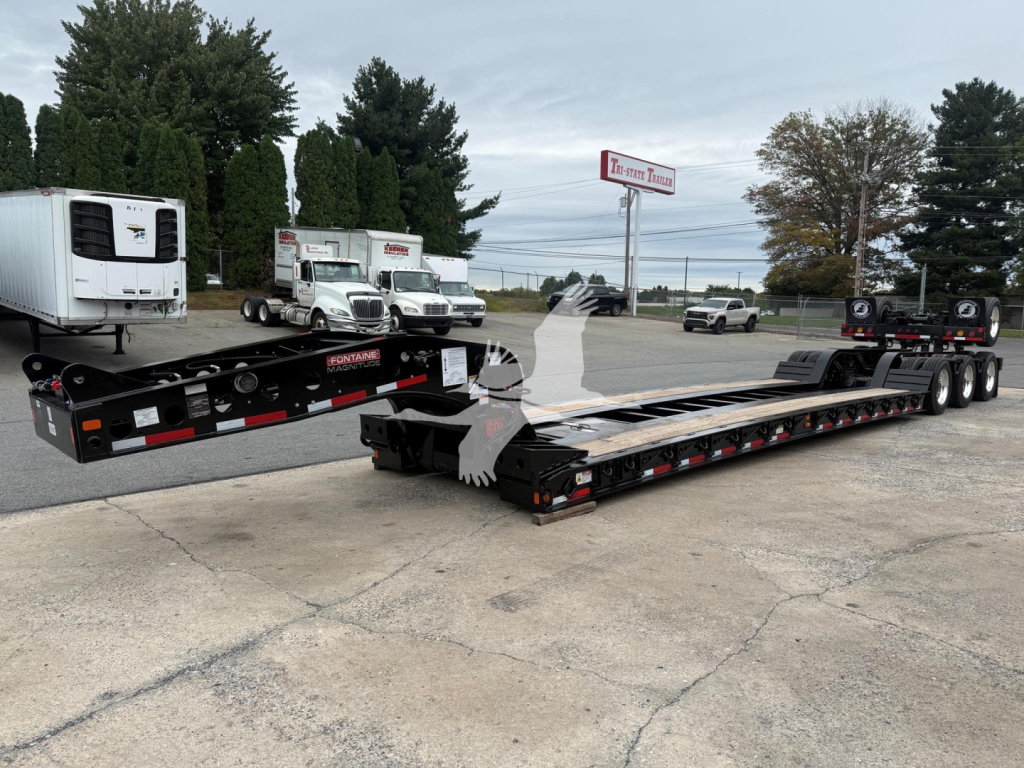
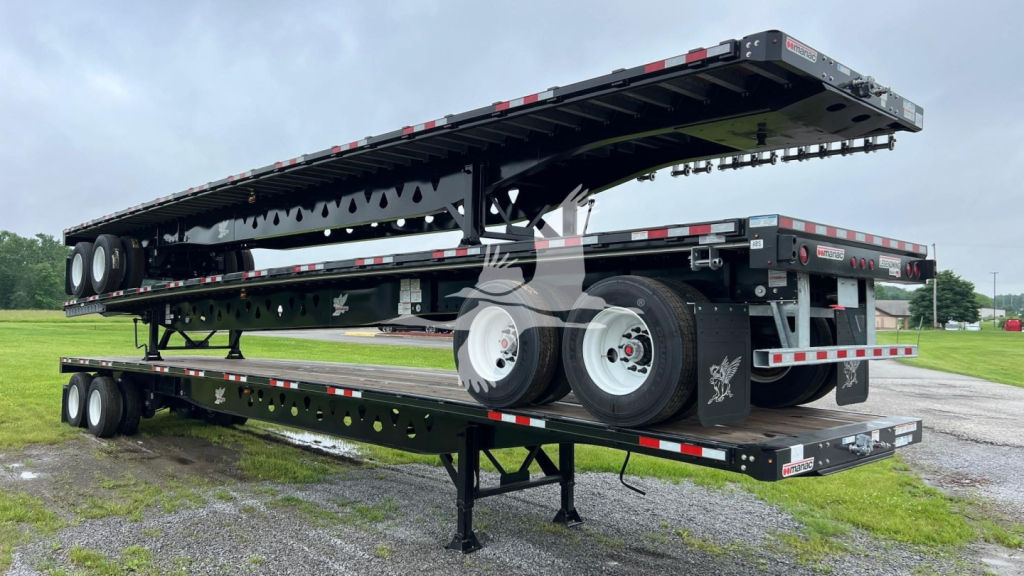
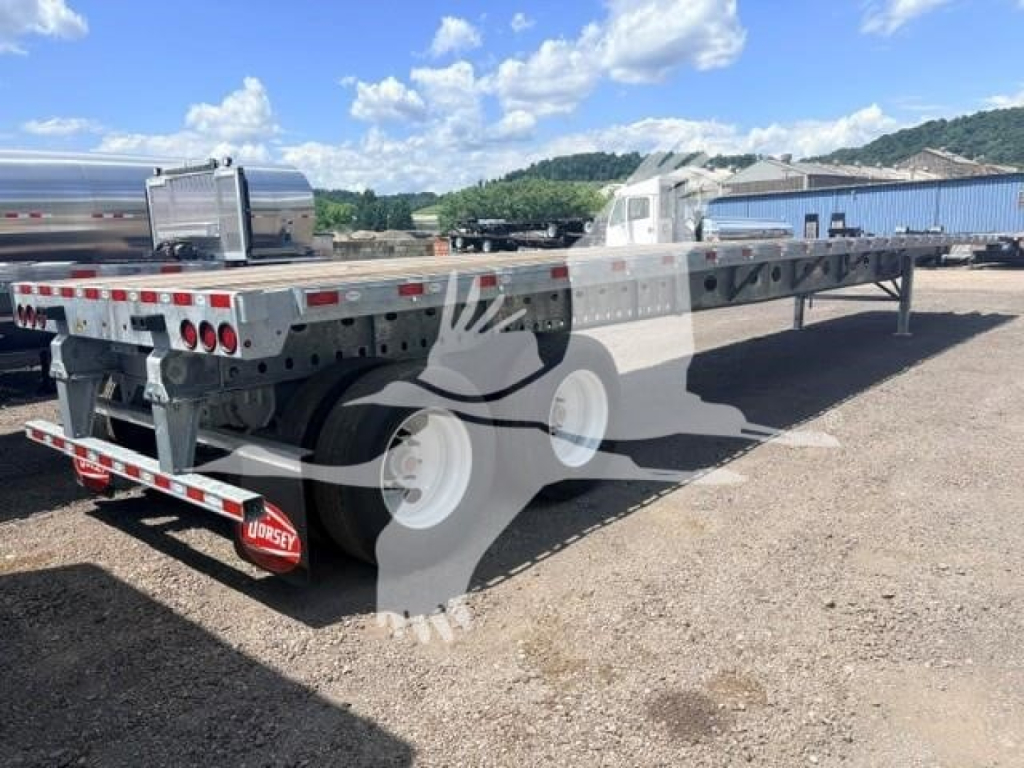
For Pennsylvania operation, condition and corrosion exposure deserve close attention. Road salt, freeze-thaw cycles, and rough seasonal road conditions can accelerate wear on rear frames, crossmembers, suspension components, brake hardware, wiring, and landing gear. On used dry vans, check the roof bows, scuff liners, side panels, door seals, threshold plate, and floor fastening pattern, especially near the rear where forklift traffic is hardest on the trailer. On used flatbeds, inspect the aluminum or steel frame for repairs, deck condition, winch track wear, extension locking systems on stretch models, and signs of concentrated load damage around coil package areas or pipe spool mounts.
Specs should match freight before price becomes the deciding factor. Common trailer details include tandem axles, 49-inch suspension settings, 295/75R22.5 tires, air ride suspension, two-speed landing gear, and kingpin settings in the 24-inch to 36-inch range depending on application. Dry vans may include logistics posts, plywood or plate lining, galvanized rear frames, anti-snag roofs, and duct flooring or laminated hardwood floors. Flatbeds may feature Apitong decking, sliding winches, spread axle or sliding tandem configurations, and 80,000-pound distributed load ratings. If the trailer will run heavily in the Northeast, buyers often prioritize galvanized components, durable rear impact guards, LED lighting, and brake and tire condition to reduce early reconditioning costs.
A good used trailer purchase is usually about lifecycle cost more than model year alone. Tire age, brake percentage, suspension bushing wear, ABS function, wheel-end condition, and evidence of prior structural repair will tell more about value than a newer build date by itself. Buyers comparing multiple used trailers in Pennsylvania should also verify title status, registration compatibility, inspection requirements, and how the trailer's dimensions and axle setup fit their lanes, docks, and commodity mix. The right trailer is the one that handles the freight consistently, loads legally, and stays out of the shop.
Frequently Asked Questions about Used 2027 Trailers in Pennsylvania
What should I inspect first on a used trailer in Pennsylvania?
Start with the frame, suspension, brakes, tires, and any corrosion-prone areas. Pennsylvania road salt makes rust and hardware deterioration a real concern, especially on rear frames, crossmembers, brake components, wiring connections, and landing gear. After that, inspect application-specific wear points such as dry van floors and door seals or flatbed decking, winch tracks, and extension locks. A trailer that looks clean but needs structural, brake, or wheel-end work can become expensive quickly.
What are the most common trailer types in the used market?
The most common used trailer types are dry vans, flatbeds, and pup trailers, with specialty variations inside each category. Dry vans are used for enclosed freight and are common in 53-foot tandem-axle configurations. Flatbeds are built for open-deck freight such as steel, lumber, and equipment, and may include spread axles, coil packages, or extendable decks. Pup trailers are shorter and often used for city, terminal, or LTL service where maneuverability matters.
Which trailer specs matter most when comparing used listings?
Focus on the specs that affect freight compatibility and operating cost. For dry vans, key details include interior height, floor type, door style, lining, suspension, and rear frame construction. For flatbeds, pay close attention to deck length, trailer weight, axle configuration, decking material, tiedown equipment, and load rating. Across all trailer types, tire size, brake condition, kingpin setting, suspension setting, and landing gear condition are important because they affect legal loading, maintenance cost, and tractor compatibility.
Is air ride better than spring ride on a used trailer?
Air ride is preferred for many freight applications because it generally offers better ride quality and cargo protection, especially for palletized freight, consumer goods, and higher-value loads. It is common on dry vans and many flatbeds. Spring ride can still be a practical choice on certain shorter-haul or lower-cost applications, but buyers should weigh the expected freight, driver preference, and maintenance history. The best choice depends on cargo sensitivity and how the trailer will be dispatched.
How do I know if a used trailer is priced fairly?
A fair price depends on condition, trailer type, spec, and reconditioning needs more than year alone. Compare similar trailers by length, axle setup, suspension, construction materials, and major options such as liftgates, spread axles, galvanized components, or extendable decks. Then account for consumables and repair exposure including tires, brakes, wheel ends, flooring, doors, lights, and structural condition. A lower-priced trailer can cost more overall if it needs immediate shop work or does not match your freight.