
Used 2027 Lowboy Trailers For Sale in Pennsylvania
Browse used 2027 lowboy trailers for sale in Pennsylvania. Compare detach types, axle setups, deck heights, capacities, and heavy haul specs.
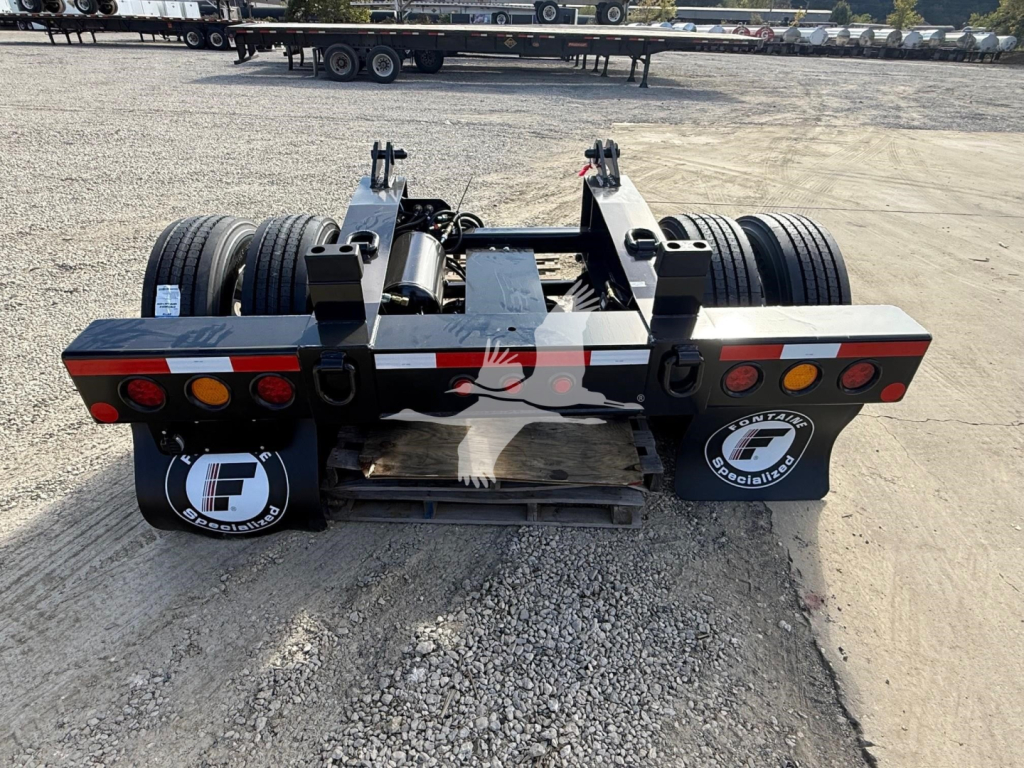
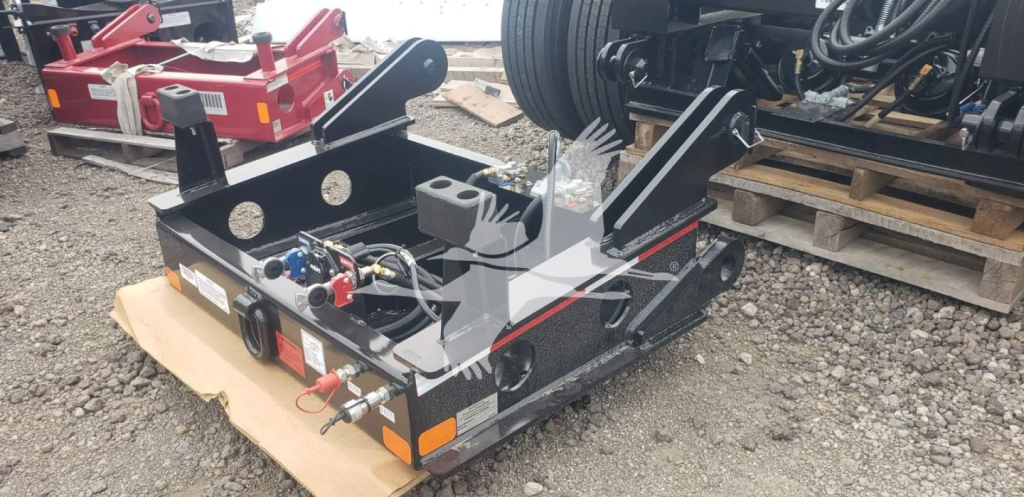
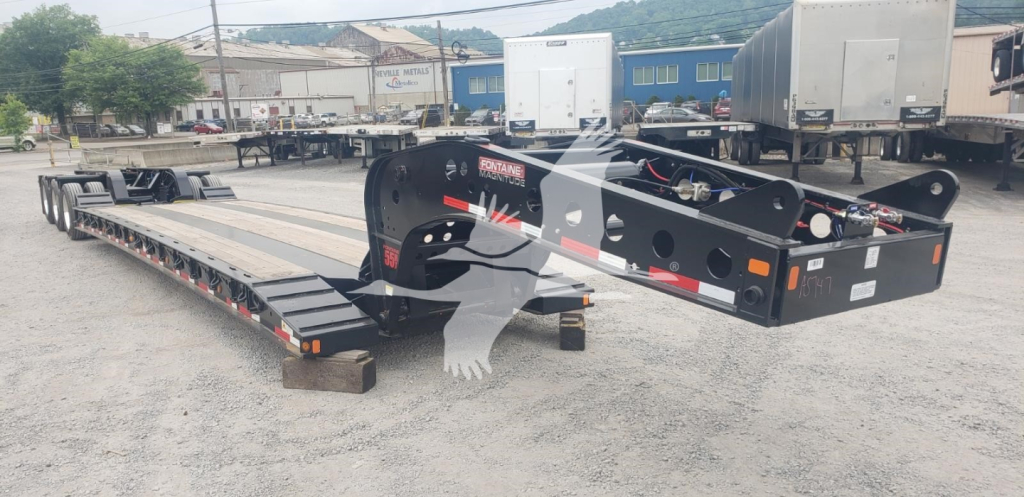
Selling a used 2027 lowboy trailer? List your used 2027 lowboy trailer for sale and reach thousands of commercial buyers.
Used 2027 Lowboy Trailers in Pennsylvania
Detach style matters because it affects loading method, maintenance, and day-to-day versatility. Mechanical detachable gooseneck trailers are simpler and often preferred for straightforward equipment moves and lower maintenance complexity. Hydraulic detachable gooseneck models offer faster loading and more flexibility, especially when moving multiple machines or heavier freight on a tighter schedule. Common used lowboy configurations include 2-axle and 3-axle trailers in the 30-ton to 55-ton range, with heavier beam trailers and specialized setups going beyond that when paired with a flip axle, jeep, or spreader bar. Deck heights in the high teens to mid-20-inch range are common, and that number directly affects legal loaded height on taller machines.
A buyer should pay close attention to deck construction and securement details because those features determine how useful the trailer is across different freight. Apitong flooring, perimeter beam construction, outriggers, chain drops, bent D-rings, pan-style D-rings, and pull-out lights all matter when loading mixed equipment. Suspension type is another key point. Air ride is common on used lowboy trailers because it helps with ride quality and deck height control, and features like manual dump valves, ride height controls, and tire inflation systems can reduce downtime and improve handling. Kingpin settings, axle spacing, swing clearance, loaded fifth-wheel height, and ground clearance should all be matched to the tractor and the routes the trailer will actually run.
On a used lowboy trailer, condition is more than cosmetic. Buyers should inspect neck structure, deck crossmembers, beam condition, suspension wear, brake percentages, tire age and remaining tread, deck wood, lighting, and any signs of cracking or prior repairs around stress points. In Pennsylvania, where heavy haul work often involves bridge restrictions, permit routing, and mixed regional terrain, axle configuration and legal weight distribution are just as important as the published ton rating. A well-matched lowboy trailer can be a productive tool for years, but only if the trailer’s detach system, deck layout, axle package, and securement options fit the freight profile it is expected to handle.
Frequently Asked Questions about Used 2027 Lowboy Trailers in Pennsylvania
What is the difference between a lowboy trailer and a flatbed trailer?
A lowboy trailer has a dropped deck that sits much lower than a standard flatbed, which allows taller equipment to be hauled while keeping overall loaded height more manageable. That lower deck height also improves stability for heavy machinery. Flatbeds are more versatile for palletized freight and general cargo, but lowboys are the preferred trailer for excavators, dozers, loaders, and other heavy equipment with significant height and concentrated weight.
How do I choose the right capacity for a used lowboy trailer?
Capacity should be based on the actual operating weight of the equipment, the load’s footprint on the deck, and the axle configuration needed for legal distribution. A 30-ton or 35-ton trailer may be enough for many mid-size machines, while 50-ton to 55-ton lowboys are common for heavier construction equipment. If the work involves larger payloads or permit loads, look at whether the trailer accepts a flip axle, spreader, or other axle additions that increase carrying capability and help with bridge law compliance.
Is a mechanical detachable or hydraulic detachable lowboy better?
A mechanical detachable lowboy is often simpler, lighter on maintenance, and well suited for operators who want a straightforward loading system. A hydraulic detachable lowboy is usually faster to cycle and more convenient for frequent loading and unloading, especially in demanding heavy haul applications. The better choice depends on the type of freight, loading frequency, available maintenance support, and whether speed and flexibility outweigh the added system complexity.
What should I inspect first on a used lowboy trailer?
Start with the structural components and running gear. Check the gooseneck, main beams, crossmembers, deck condition, axle alignment, suspension components, brakes, tires, and wheel ends. Then inspect the securement hardware such as D-rings, chain slots, and outriggers, along with lighting, air lines, ABS, and any hydraulic or mechanical detach components. Signs of past overload, cracked welds, neck wear, or uneven tire wear deserve close attention because they can point to expensive repairs or poor load history.
Why do deck height and ground clearance matter so much on a lowboy?
Deck height affects legal load height, loading angle, and machine stability. A lower deck allows taller equipment to stay under height restrictions, which can reduce permit issues and route limitations. Ground clearance matters because the trailer still needs enough clearance to avoid dragging on grade changes, jobsite entrances, and uneven pavement. The right balance depends on the type of equipment being hauled and the roads and jobsites the trailer will see most often.