
Used 2027 Lowboy Trailers For Sale
Browse used 2027 lowboy trailers for heavy equipment hauling, with detachable goosenecks, air ride suspensions, outriggers, and 35-55 ton ratings.
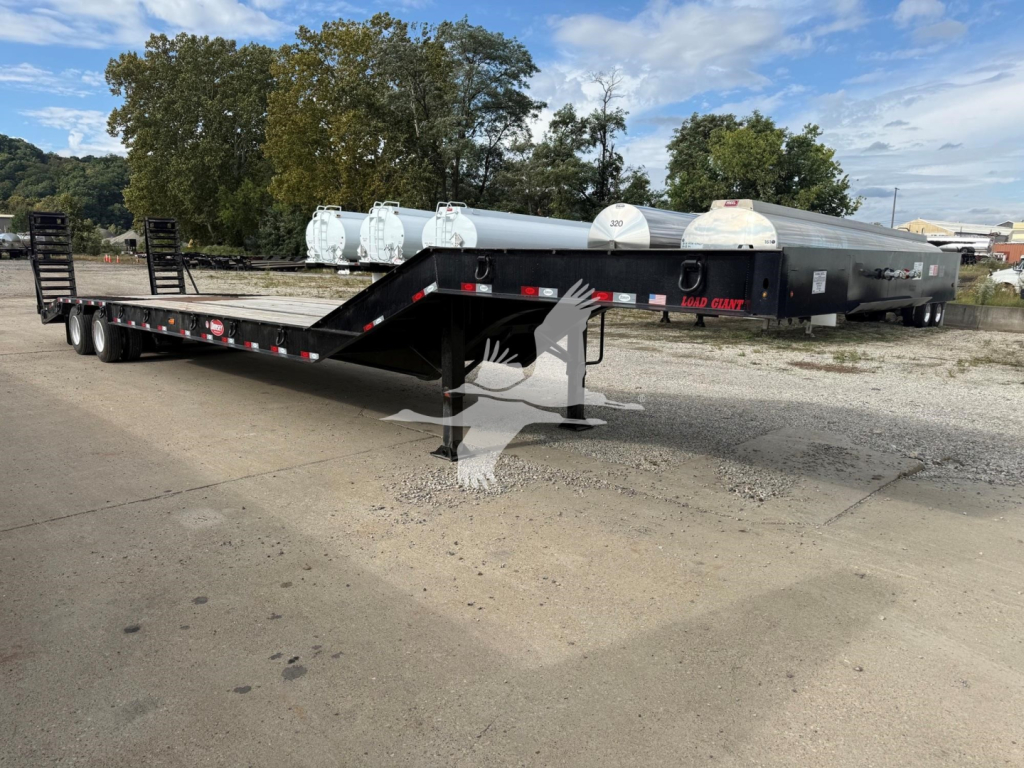
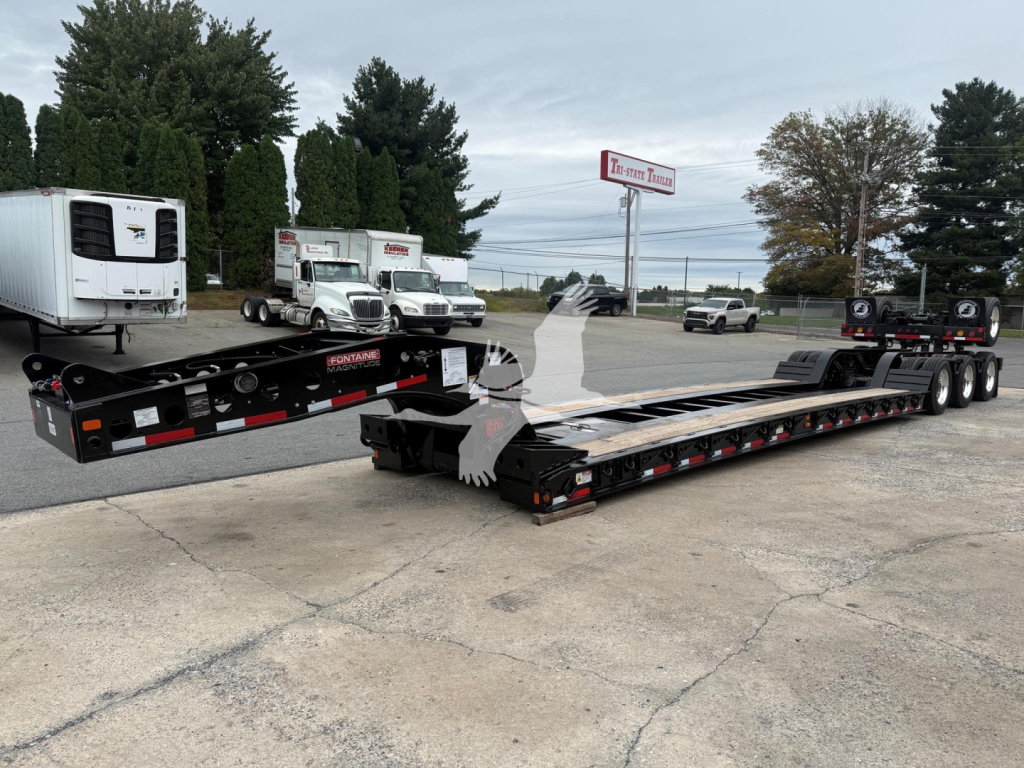
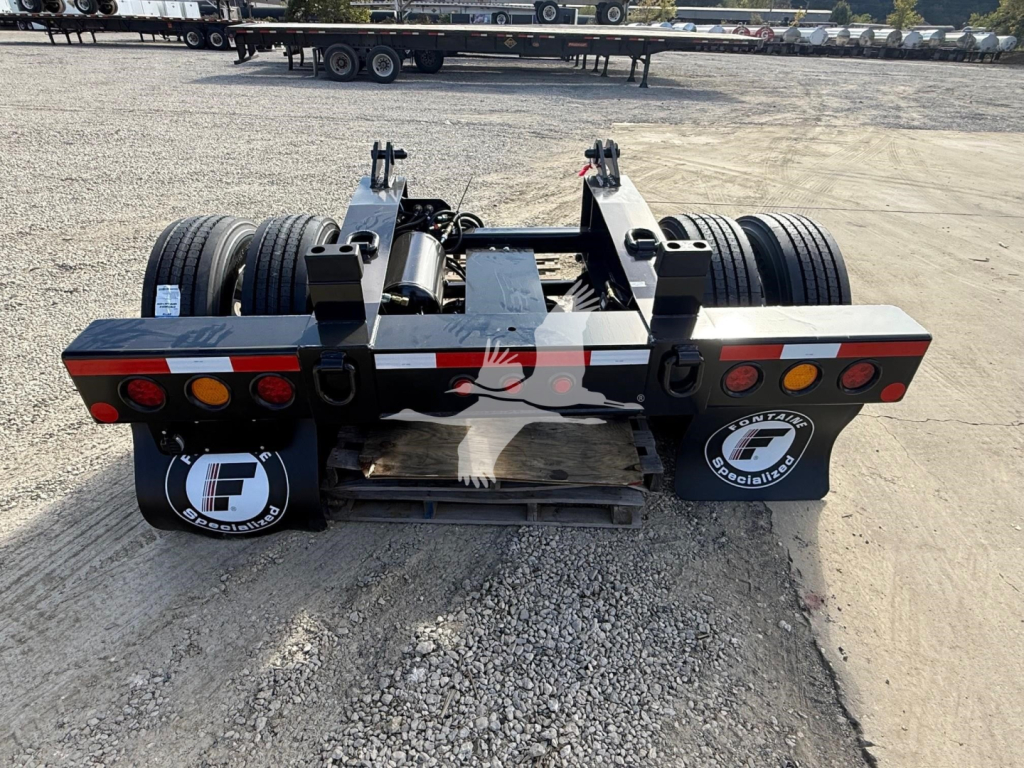
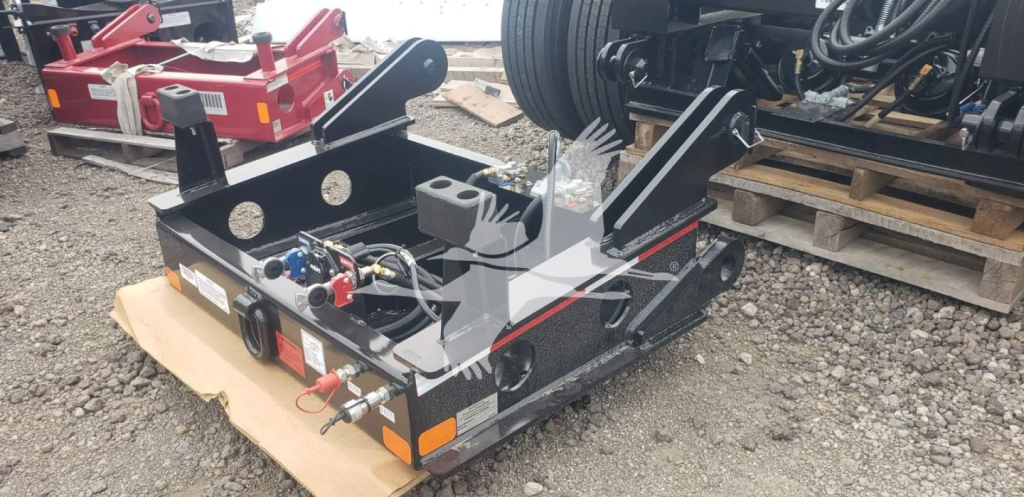
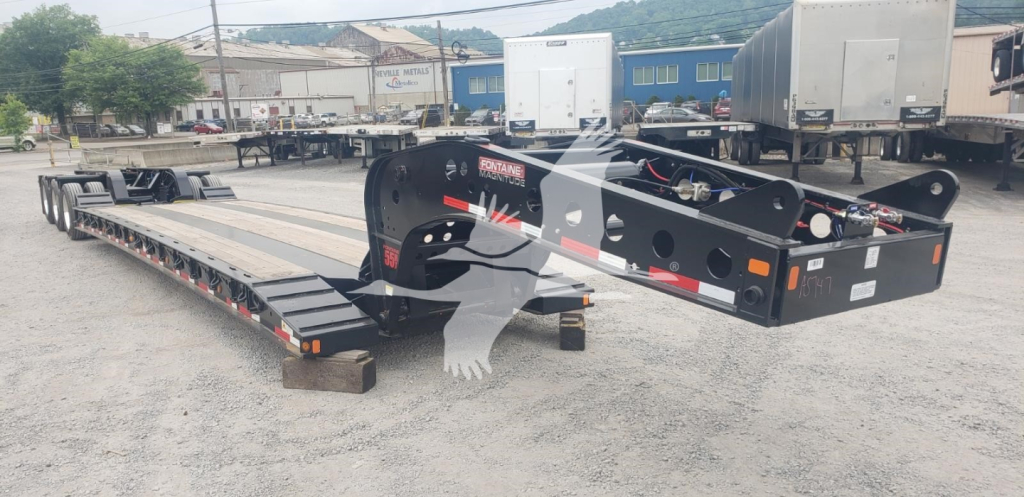
Selling a used 2027 lowboy trailer? List your used 2027 lowboy trailer for sale and reach thousands of commercial buyers.
Used 2027 Lowboy Trailers
In this category, common ratings run from around 30 ton to 55 ton, with tandem and tridem axle layouts both showing up regularly. Hydraulic detachable goosenecks are popular for fleets loading dozers, excavators, pavers, and other self-propelled equipment because they simplify drive-on loading and reduce setup time. Mechanical detach designs still have a place for operators who want a simpler neck design with fewer hydraulic components to maintain. Deck construction matters too. Apitong flooring, steel perimeter beams, D-rings, outriggers, boom troughs, bucket wells, and flip axle connections are all practical features that affect daily use. A buyer comparing listings should pay close attention to main deck height, ground clearance, top deck length, and clear deck space between the neck and rear bogie.
Suspension and running gear deserve just as much attention as rated capacity. Air ride suspension with raise-and-lower valves is common on lowboy trailers because it helps with loading angles, ride quality, and deck height control. Tire size, wheel material, brake condition, axle spacing, and kingpin setting all affect compatibility with your tractor and the trailer's operating cost. If the trailer is set up for a flip axle, rear lift axle, or tire inflation system, that can add flexibility for heavier or permitted loads. Buyers hauling in rough jobsites should also check for deck wear, crossmember spacing, neck condition, hydraulic system performance, and signs of frame stress around concentrated load areas.
The best used 2027 lowboy trailer for sale is the one matched to the equipment you move most often, not the one with the highest published tonnage. A 35 ton or 40 ton trailer may be ideal for compact earthmoving fleets, while contractors moving larger iron may need 50 ton or 55 ton capacity, a longer well, and provisions for axle additions. Width is commonly 102 inches, but deck layout, ramp style, and tie-down placement will matter more in day-to-day operation than overall width alone. For many buyers, the most important comparison points are legal payload on your typical route, ease of loading, neck type, and how well the trailer's deck geometry fits your machines.
Frequently Asked Questions about Used 2027 Lowboy Trailers
What is a lowboy trailer used for?
A lowboy trailer is used to haul heavy equipment and oversized machinery that would sit too high on a conventional flatbed. Common loads include excavators, bulldozers, loaders, pavers, cranes, and other construction or agricultural machines. The dropped deck design lowers overall loaded height, which helps with bridge clearance and legal transport of tall equipment.
What should I check first on a used lowboy trailer?
Start with the trailer's ton rating, well length, loaded deck height, axle configuration, and neck type. After that, inspect structural areas such as the frame, crossmembers, outriggers, neck connection points, rear bogie, and deck surface. On hydraulic detachable gooseneck models, buyers should also evaluate cylinders, hoses, pony motor operation, and locking mechanisms because those components directly affect loading reliability and repair cost.
What is the difference between a hydraulic detachable gooseneck and a mechanical detach lowboy?
A hydraulic detachable gooseneck uses a hydraulic system to remove and reconnect the neck, making loading faster and easier for frequent equipment moves. A mechanical detach uses a simpler connection system and usually has fewer hydraulic components to maintain. Hydraulic necks are often preferred in high-cycle applications, while mechanical detach trailers can appeal to buyers who want less complexity and lower service exposure.
How do I choose the right ton rating for a lowboy trailer?
Choose a ton rating based on the actual operating weight of the equipment you haul most often, not just occasional maximum loads. Buyers should consider machine weight with attachments, fuel, buckets, blades, and any accessories that stay on during transport. It is also important to account for axle group laws, tractor compatibility, and whether the trailer is designed to accept a flip axle or additional axle equipment for heavier permitted loads.
Why do deck height and well length matter so much on a lowboy?
Deck height affects loaded overall height, center of gravity, and loading angle, all of which matter for safety and permit compliance. Well length determines whether your machine's track or wheelbase fits correctly between the neck and rear deck without compromising weight distribution. A low deck and correctly sized well can make the difference between an easy legal haul and a load that requires extra routing, extra permit work, or repositioning compromises.