
Used 2027 Fontaine Lowboy Trailers For Sale
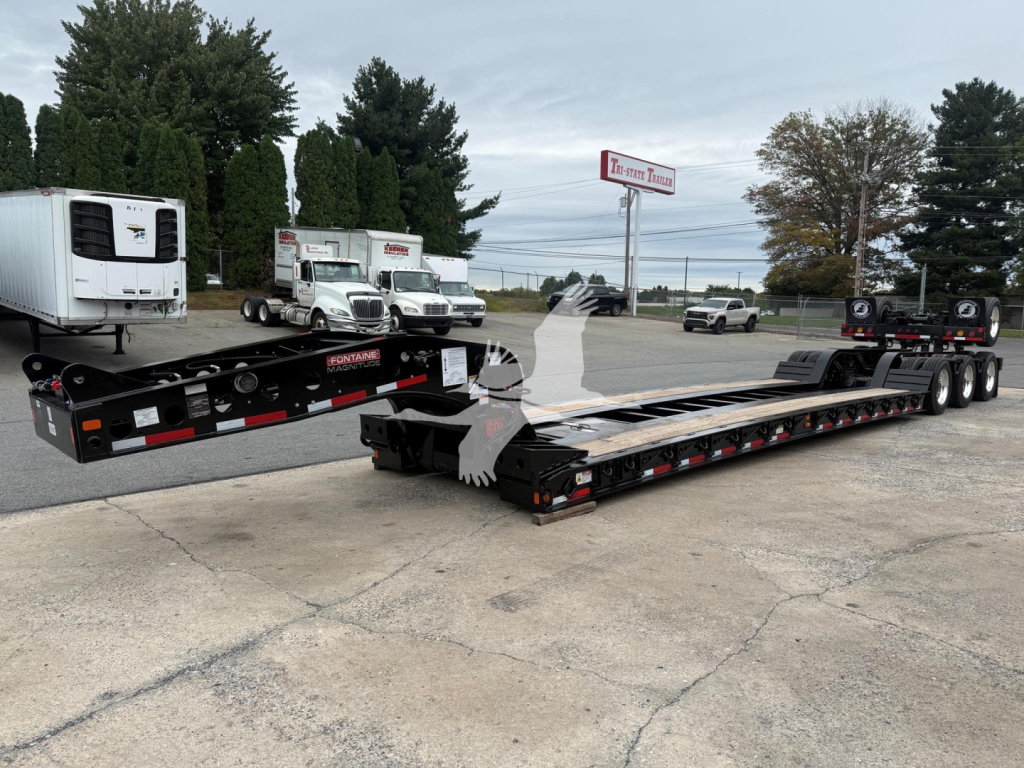
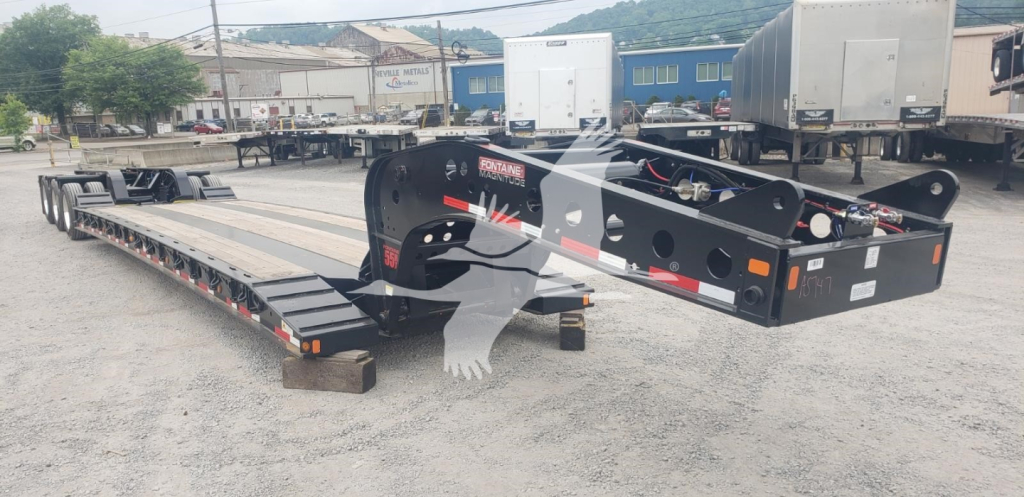
Browse used 2027 Fontaine lowboy trailers, including hydraulic detachable gooseneck models built for heavy equipment, oversize loads, and demanding haul work.
Selling a used 2027 fontaine lowboy trailer? List your used 2027 fontaine lowboy trailer for sale and reach thousands of commercial buyers.
Used 2027 Fontaine Lowboy Trailers
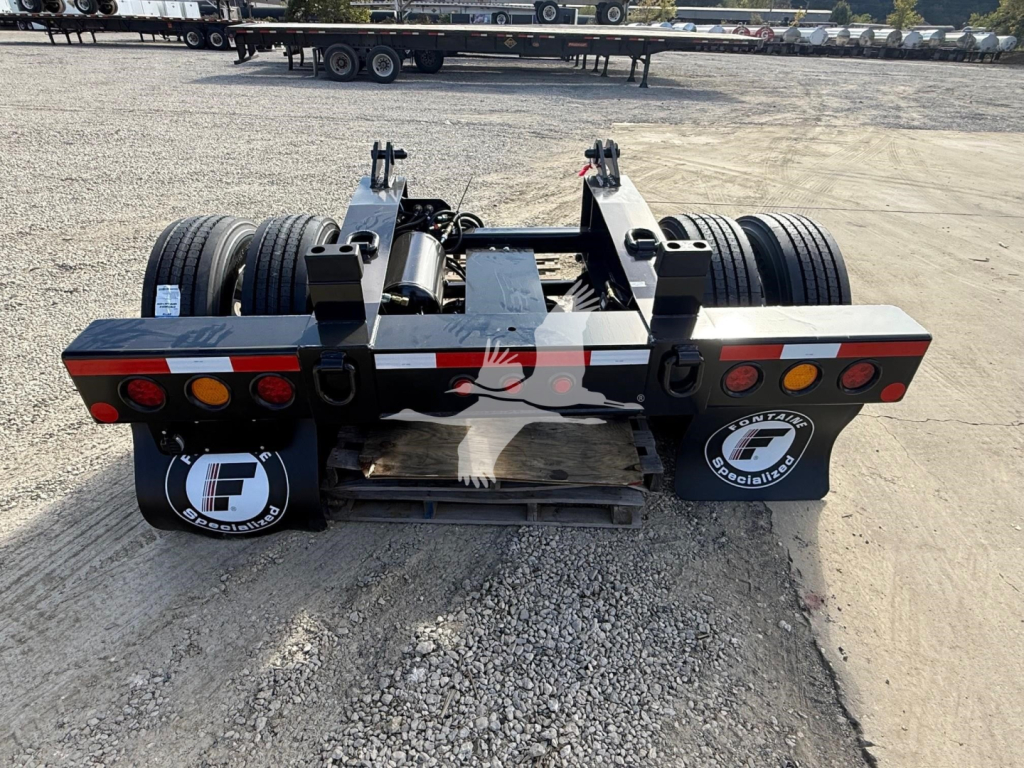
Within this category, common Fontaine setups include 2-axle and 3-axle lowboys, 55-ton class trailers, and extendable or modular platforms designed to accept additional axle groups. Main deck heights are often in the 18-inch to 20-inch range, which helps with legal loaded height when hauling excavators, dozers, crushers, pavers, and other tall equipment. Typical specs found on Fontaine lowboys include 102-inch overall width, air ride suspension, mechanical ride height control, manual dump valves, 16-inch kingpin settings, removable swing-out outriggers, multiple pairs of D-rings, Apitong or nominal wood flooring, and 22.5-inch rubber. Some models are set up to accept flip axles, spreader attachments, or neck extensions, which can change bridge compliance and load distribution significantly.
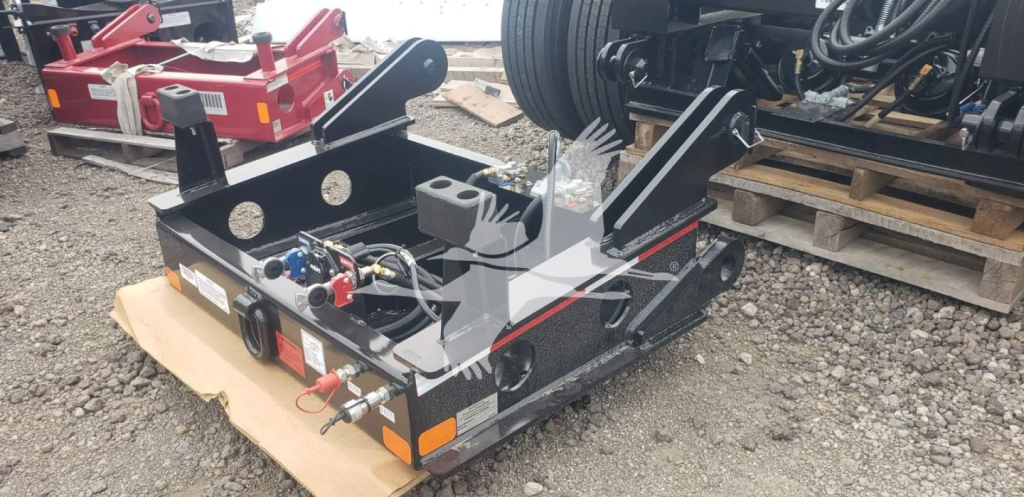
The biggest buying decision is matching trailer configuration to the freight you actually move. A 55-ton hydraulic detachable gooseneck lowboy with a 26-foot well is a strong fit for construction and yellow iron, while an extendable or modular Fontaine may make more sense for longer components or machines with unusual axle spacing. Pay attention to ground clearance, ramp style, non-ground-bearing versus ground-bearing neck design, suspension brand, and whether a lift axle is included. Outrigger count, crossmember spacing, and deck floor condition also matter if you regularly carry tracked equipment or concentrated point loads. If a trailer is advertised as flip axle ready, confirm the compatibility and included connections, because the trailer rating and permitted operating setup may depend on the rear attachment actually being installed.
On a used 2027 Fontaine lowboy, condition should be evaluated around the neck, beam flanges, suspension mounts, load-bearing wheel areas, and rear frame where flip axle or booster stress shows up first. Check hydraulic system operation, pony motor condition, neck lock engagement, ride height function, and tire wear across all axle positions. Buyers should also verify VIN plate data, GAWR, bridge formula considerations, and any state-specific permitting implications before putting a trailer to work. A properly spec'd Fontaine lowboy can be a very efficient trailer for contractors, equipment dealers, and specialized carriers that need low deck height, strong load securement, and flexible heavy-haul capability.
Frequently Asked Questions about Used 2027 Fontaine Lowboy Trailers
What is the main advantage of a Fontaine lowboy trailer?
A Fontaine lowboy trailer is designed to haul heavy and tall equipment while keeping loaded height as low as possible. The low main deck, hydraulic detachable gooseneck options, and common 55-ton class configurations make these trailers practical for excavators, dozers, loaders, paving machines, and other construction equipment that would be difficult to move on a standard flatbed or step deck.
What should I check first on a used 2027 Fontaine lowboy?
Start with structural condition and configuration. Check the gooseneck, main beams, crossmembers, suspension mounts, rear frame, and any modular or flip axle connection points for signs of fatigue, repairs, or distortion. Then confirm the trailer's ton rating, well length, axle count, ride height settings, tire size, and whether key components such as the pony motor, hydraulic neck system, outriggers, ramps, or flip axle connections are included and fully functional.
Are Fontaine lowboys usually hydraulic detachable gooseneck trailers?
Many Fontaine lowboys are hydraulic detachable gooseneck trailers, often called HDG or RGN-style heavy-haul trailers depending on configuration. This design allows equipment to be loaded from the front after the neck is detached, which is especially useful for tracked machines and low-clearance equipment. Some Fontaine models are also modular or extendable, so the exact loading method and attachment options depend on the trailer series and spec.
How do I choose between a 2-axle and 3-axle Fontaine lowboy?
The right axle count depends on gross load, axle spacing needs, and permit requirements in the states where you run. A 2-axle lowboy may be suitable for lighter machines and simpler routes, while a 3-axle setup generally provides better load distribution and higher capacity for heavier equipment. If the trailer is built to accept a flip axle or spreader, that added flexibility can be important for bridge compliance and legal hauling on heavier loads.
Why do deck height and kingpin setting matter on a lowboy trailer?
Deck height directly affects overall loaded height, which is critical when moving tall machines under bridges, wires, and state permit limits. Kingpin setting affects tractor clearance, axle spread, and weight distribution between the tractor and trailer. On a Fontaine lowboy, these measurements help determine how well the trailer will pair with your truck and how efficiently it will handle real-world heavy-haul applications.