
Used Fontaine Lowboy Trailers For Sale
Shop used Fontaine lowboy trailers built for heavy haul, detachable neck service, and 40 to 60 ton applications with proven jobsite durability.
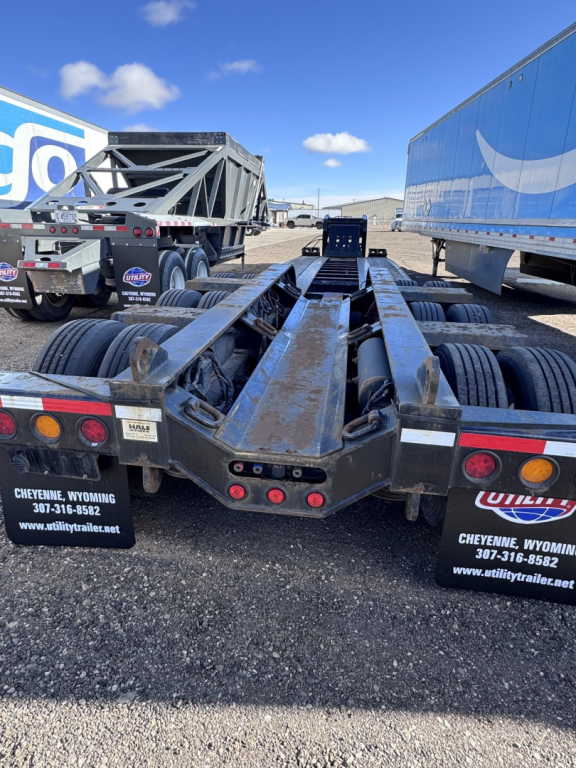
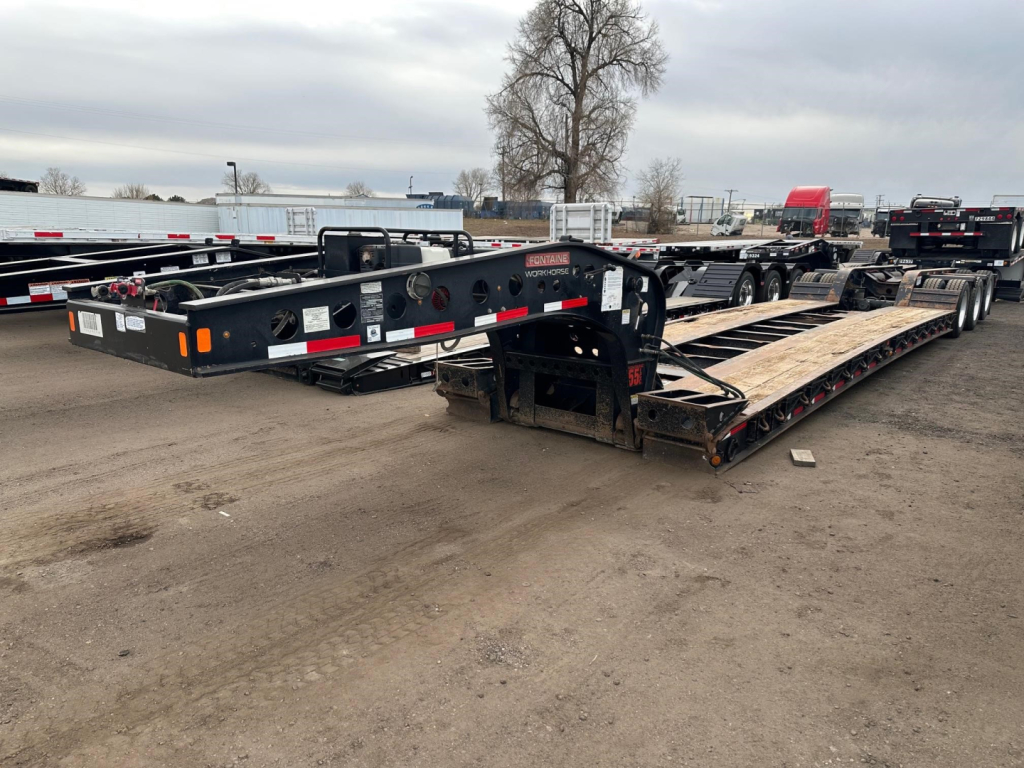
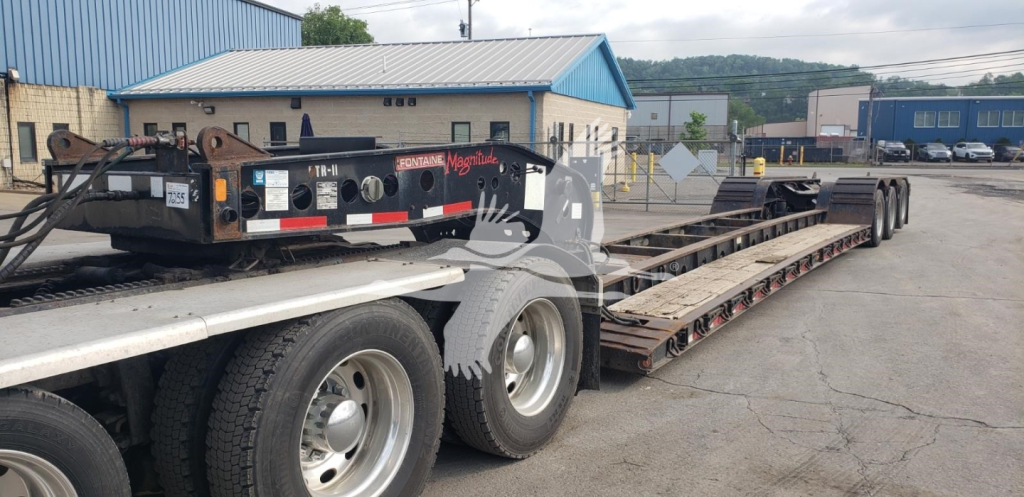
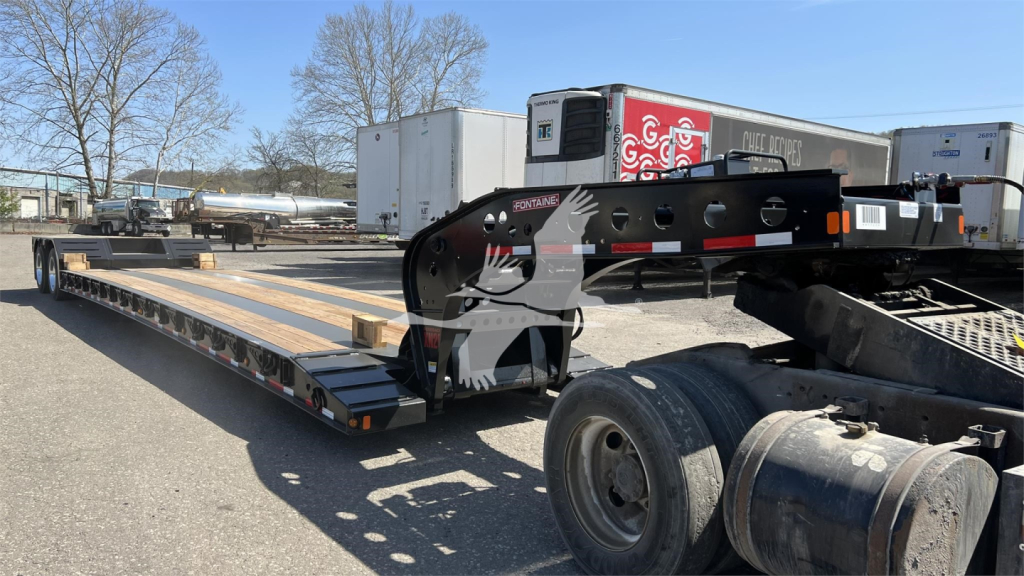
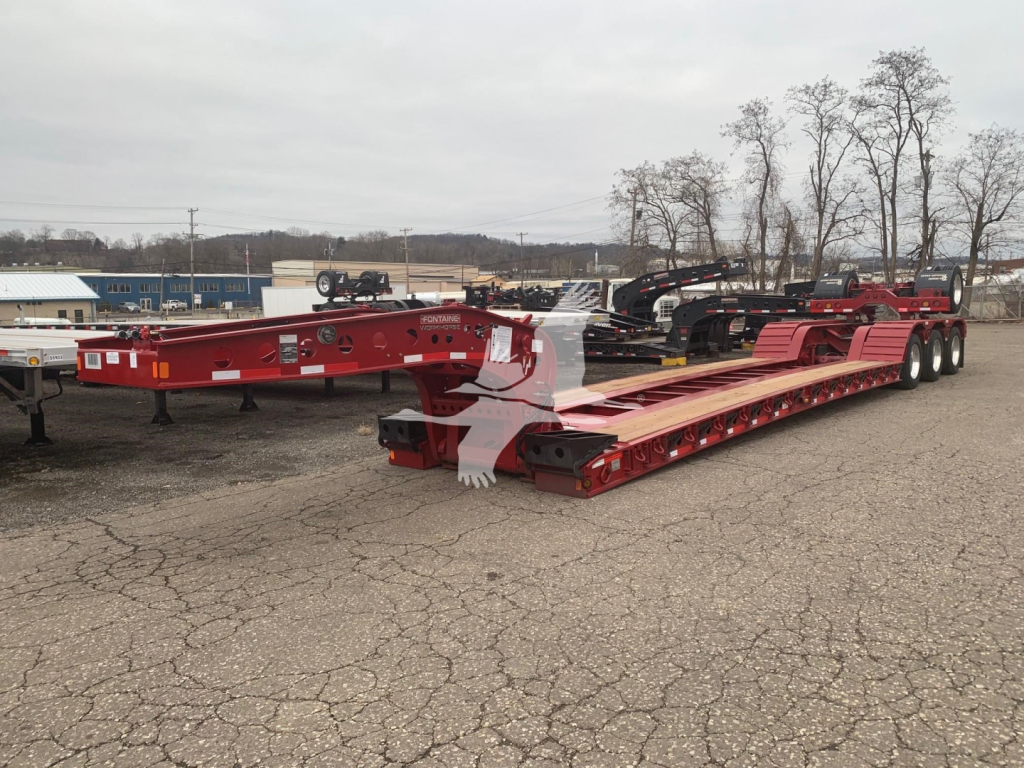
Selling a used fontaine lowboy trailer? List your used fontaine lowboy trailer for sale and reach thousands of commercial buyers.
Used Fontaine Lowboy Trailers
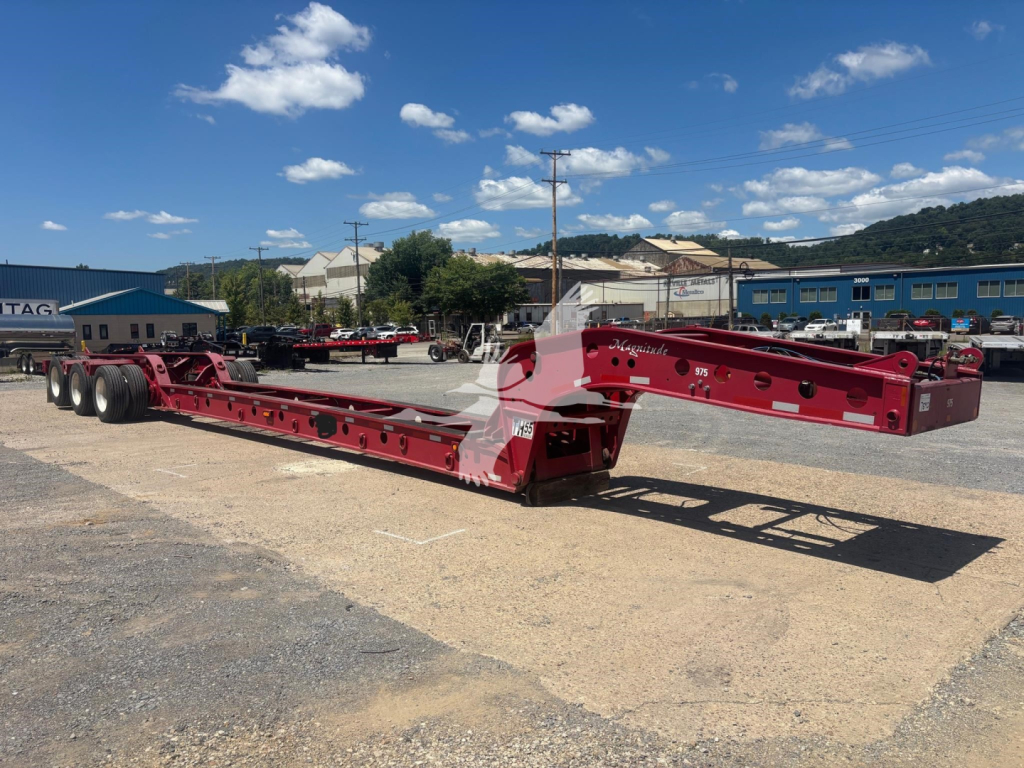
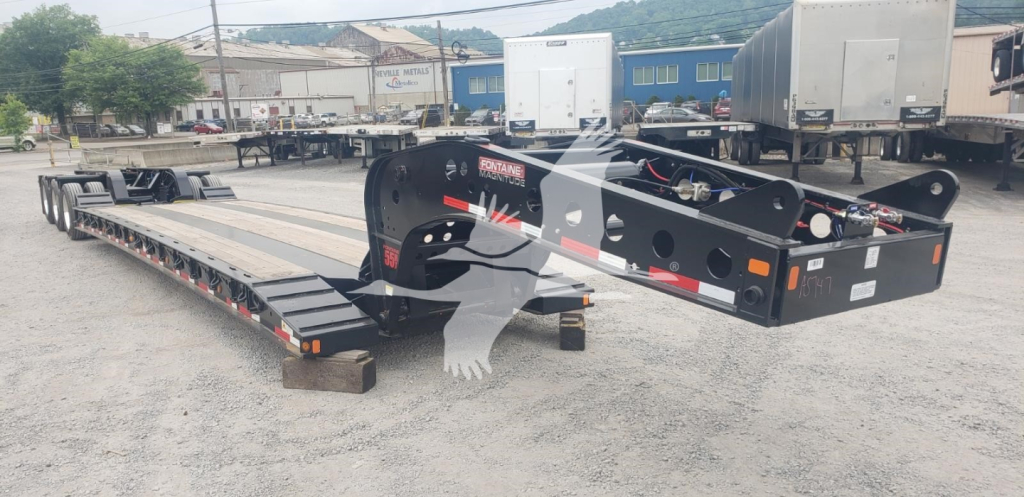
A lot of buying decisions in this category come down to the deck. Many Fontaine lowboy trailers run a 26 foot to 29 foot main deck, 102 inch overall width, and a loaded deck height that can range from the mid-teens up to around 22 inches depending on model and suspension setup. Lower deck height helps with taller equipment and can reduce routing headaches on bridge and overpass sensitive loads. Common features include wood flooring over the side rails, removable swing-out outriggers, multiple D-ring tie-down points, toolbox trays between the main beams, and air ride suspension with dump valves and mechanical ride height control. On three-axle units, a rear air lift axle is also common, especially on trailers intended for heavier or more flexible load distribution.
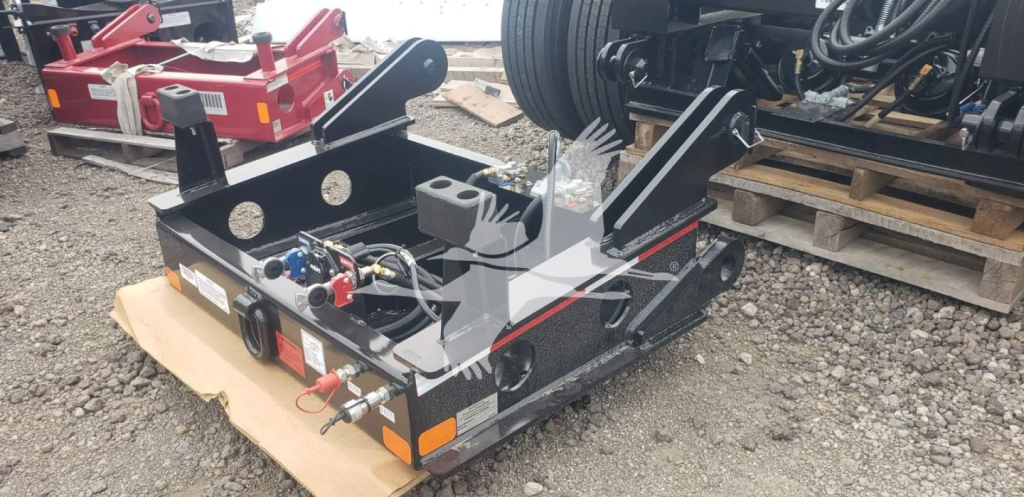
Fontaine Magnitude and similar heavy-duty platform designs are frequently used for moving excavators, dozers, pavers, crushing equipment, large farm machinery, and other high-weight, high-center-of-gravity loads that need a lower center section. Hydraulic detachable neck models can speed up loading and unloading for fleets handling self-propelled equipment every day, while mechanical detachable lowboys can be a simpler and lower-cost option for buyers who do not need the same loading frequency. Suspension brand, axle spacing, kingpin setting, and fifth wheel ride height should all be checked against your tractor specs, especially if you run specialized heavy haul tractors where neck geometry and loaded swing clearance are critical.
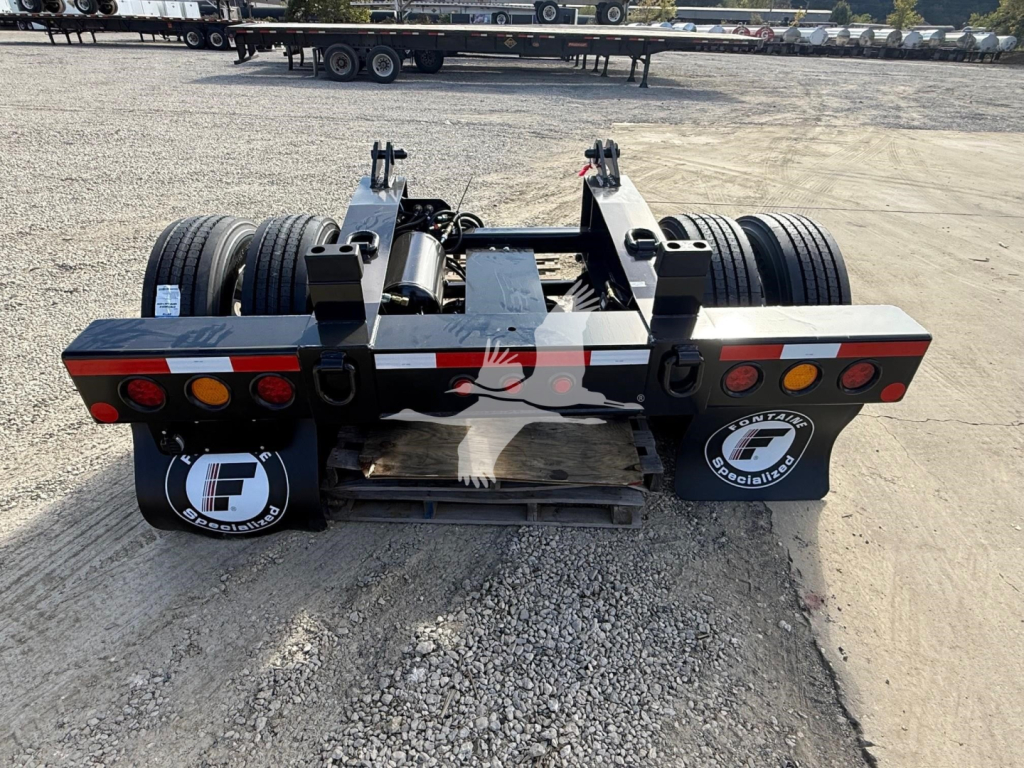
On a used Fontaine lowboy, condition matters as much as rating. Inspect the neck connection points, main beam flange areas, crossmember integrity, deck wear, suspension components, brake percentages, tire matching, and any signs of concentrated stress around the outriggers, rear bridge, and flip axle connection area. It is also worth confirming whether accessories such as a flip axle, approach ramps, load-bearing wheel covers, hammer plate, or scuff protection are included or if the trailer is only prepped for them. A well-spec'd Fontaine lowboy can be a strong fit for regional construction, equipment rental support, and specialized oversize hauling where legal deck height, durable structure, and detachable neck convenience drive profitability.
Frequently Asked Questions about Used Fontaine Lowboy Trailers
What is the difference between a Fontaine mechanical detachable lowboy and a hydraulic detachable lowboy?
A mechanical detachable lowboy uses a simpler neck connection system and is often less expensive to buy and maintain, but it generally takes more time and effort to detach and reattach. A hydraulic detachable lowboy uses hydraulic power, often with a pony motor, to make neck operation faster and more consistent. For fleets loading self-propelled equipment every day, hydraulic detach can improve efficiency. For occasional heavy equipment hauling, a mechanical detachable may be the more economical choice.
What capacity range is common for used Fontaine lowboy trailers?
Used Fontaine lowboy trailers commonly appear in 40 ton, 55 ton, and 60 ton ratings, although exact rating depends on the model, deck length, axle group, and how the rating is measured across the deck. Many heavy haul buyers focus on the rated capacity within a specified loaded deck length, such as 12 feet or 13 feet. That detail matters because a trailer's advertised tonnage does not tell the full story without the rating span and axle setup.
What should I inspect first on a used Fontaine lowboy trailer?
Start with the structural areas that carry and transfer load. Check the gooseneck, neck hooks or hydraulic detach components, kingpin area, main beams, crossmembers, outriggers, and rear transition for cracks, repairs, elongation, or distortion. Then review suspension condition, brake and tire percentages, axle alignment, deck wear, and lighting. If the trailer is prepped for a flip axle or neck extension, inspect those connection points closely because they see repeated stress under heavy loads.
Are Fontaine lowboy trailers good for hauling construction equipment?
Yes. Fontaine lowboy trailers are widely used for excavators, dozers, loaders, rollers, pavers, and similar construction equipment because the low deck height helps manage overall load height while the detachable neck simplifies loading. Features like swing-out outriggers, D-rings, air ride suspension, and flip axle compatibility make them adaptable for different machine widths and weight distributions. The right setup depends on the size of the equipment, your tractor, and the permit environment in the states where the trailer will run.
Why does flip axle compatibility matter on a used lowboy?
Flip axle compatibility gives a buyer more flexibility to increase capacity, improve weight distribution, or configure the trailer for different state bridge rules and permit conditions. A used lowboy that is already designed for a flip axle can be more versatile than one that is not. Buyers should still confirm whether the actual flip axle is included, what the approved configurations are, and whether the rear structure and connections show signs of excessive wear from prior heavy-haul service.