
Used Fontaine Lowboy Trailers For Sale in Pennsylvania
Shop used Fontaine lowboy trailers in Pennsylvania. Compare detachable neck, axle setups, deck heights, capacities, and heavy haul specs.
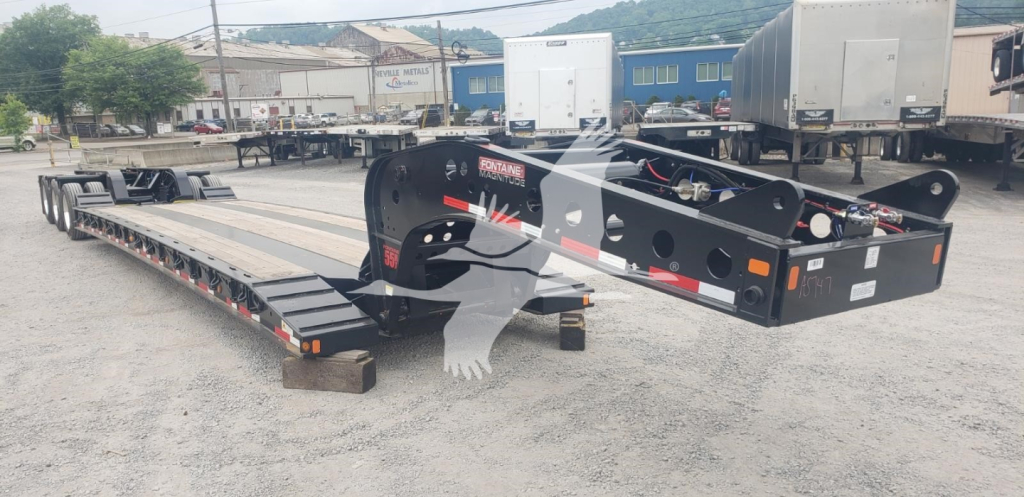
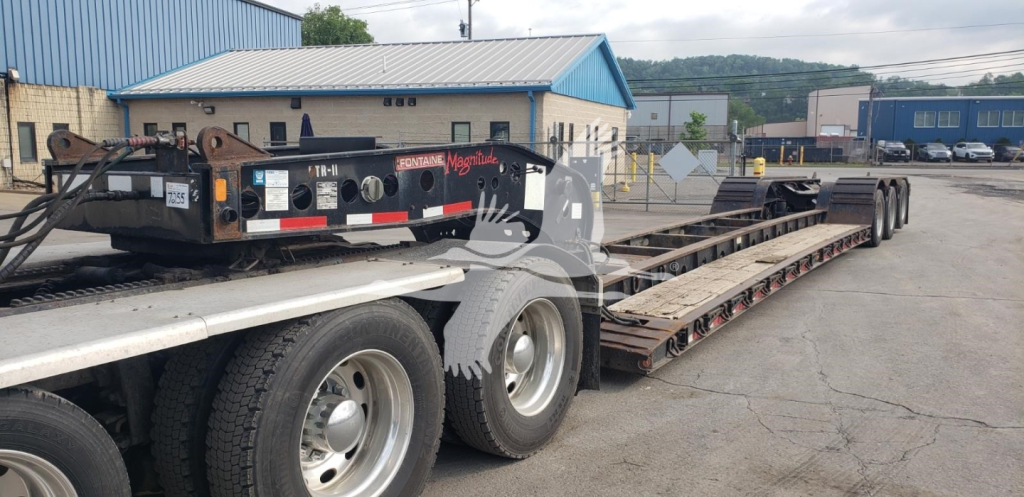
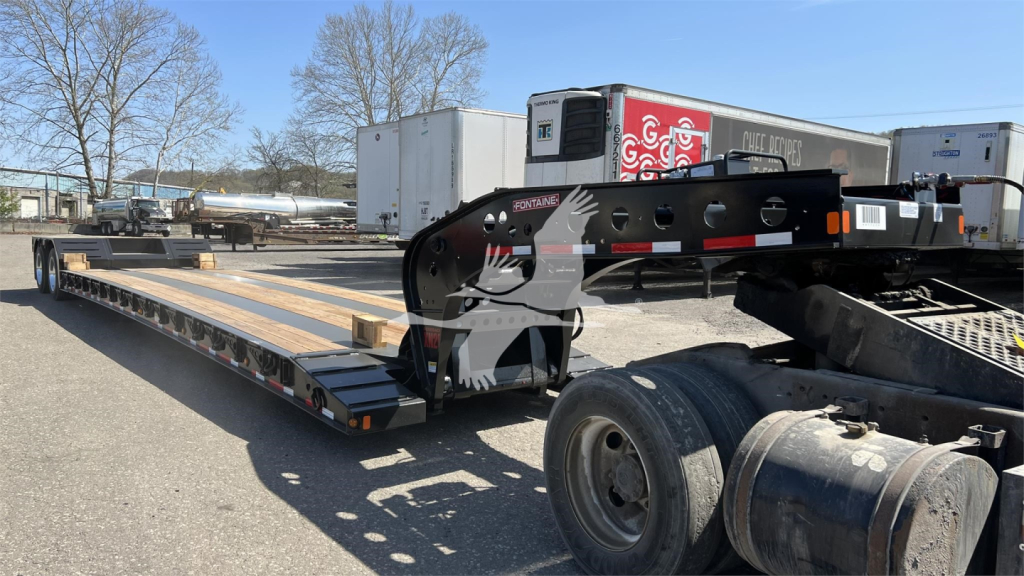
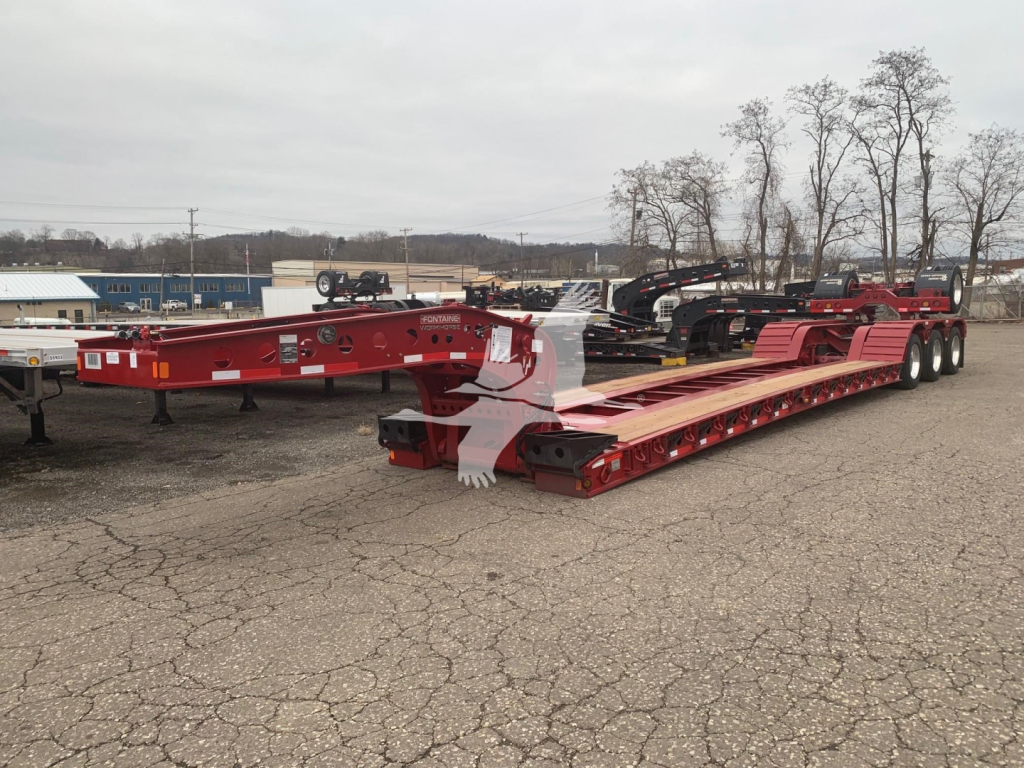
Selling a used fontaine lowboy trailer? List your used fontaine lowboy trailer for sale and reach thousands of commercial buyers.
Used Fontaine Lowboy Trailers in Pennsylvania
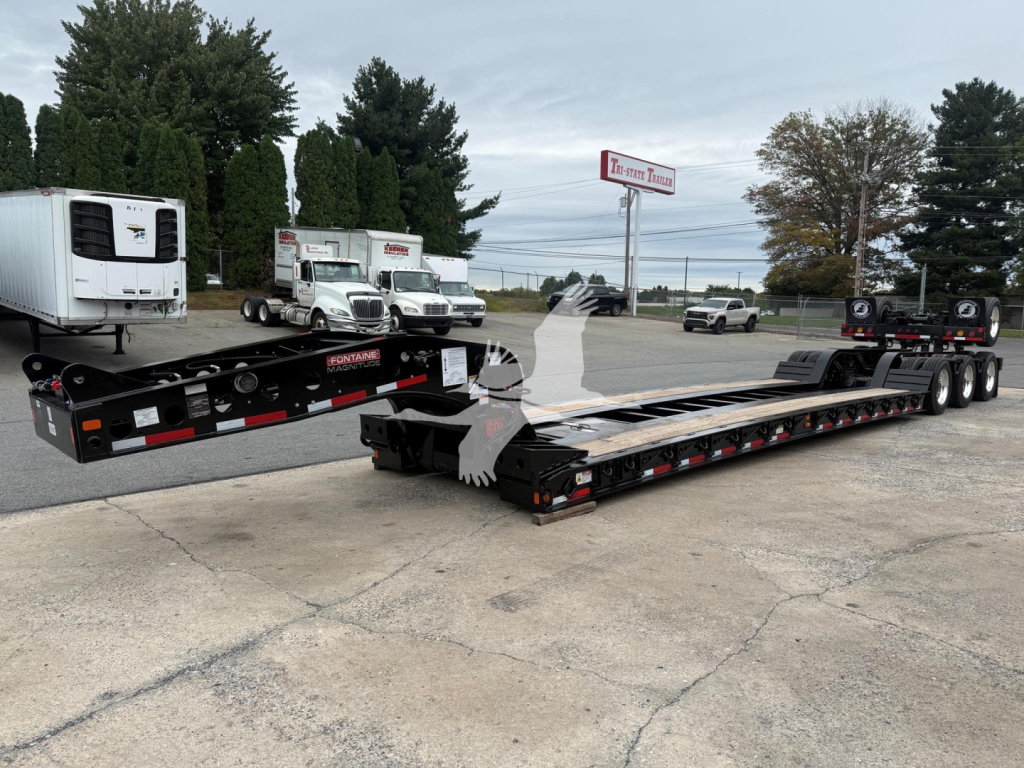
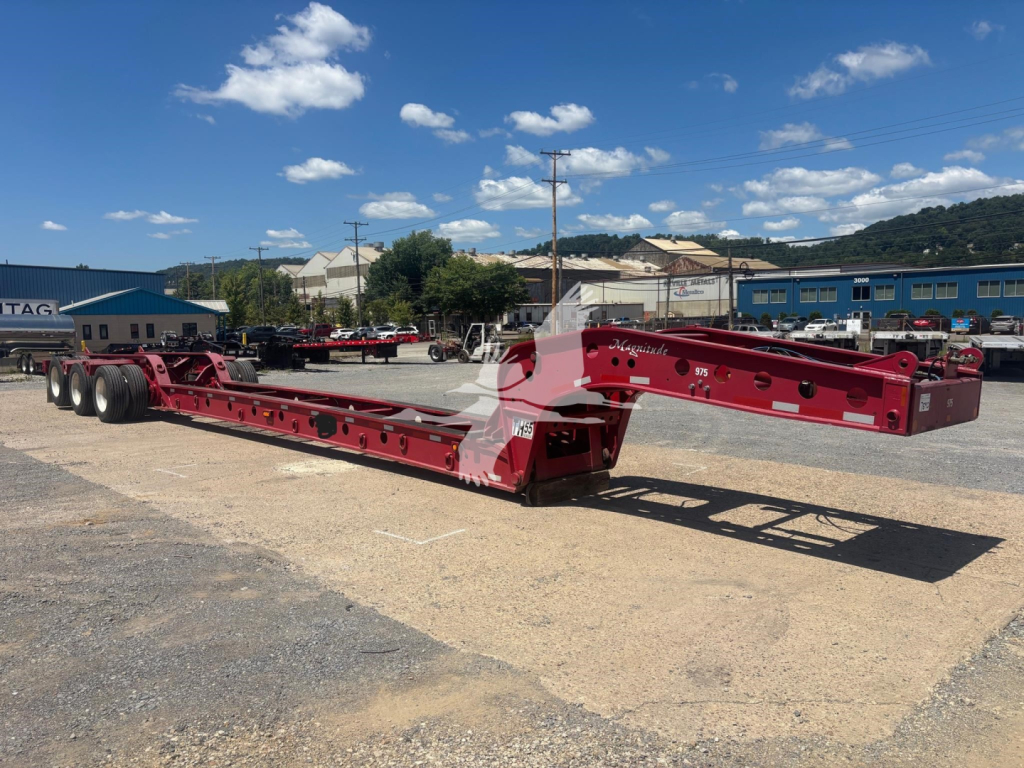
The first decision most buyers make is capacity and deck layout. In this category, 40-ton and 55-ton class trailers are common, with main deck heights often in the mid-teens to around 20 inches depending on model and suspension setup. Buyers should compare loaded deck height, main deck length, rear deck length, and whether the trailer is fixed, extendable, or modular. A lower loaded deck can be a major advantage for moving excavators, dozers, pavers, crushers, and other high-profile equipment through Pennsylvania routes with tight overhead clearances. Extendable and modular Fontaine lowboys add flexibility for longer machines or specialized loads, while fixed well trailers are often simpler and lighter for routine hauling.
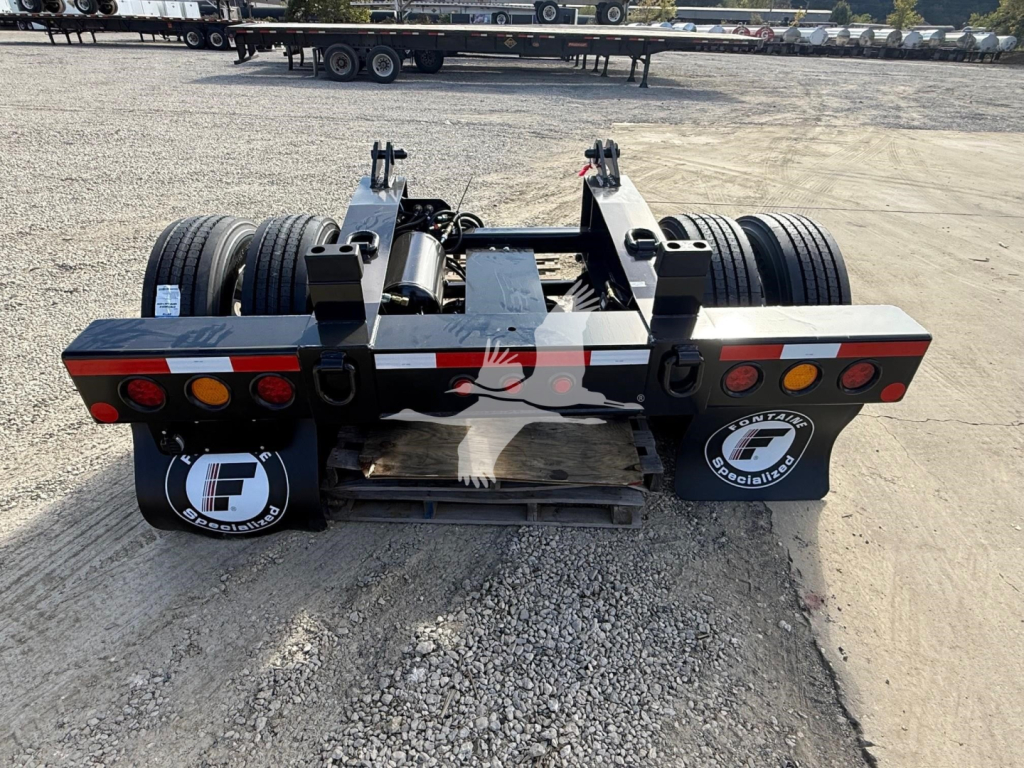
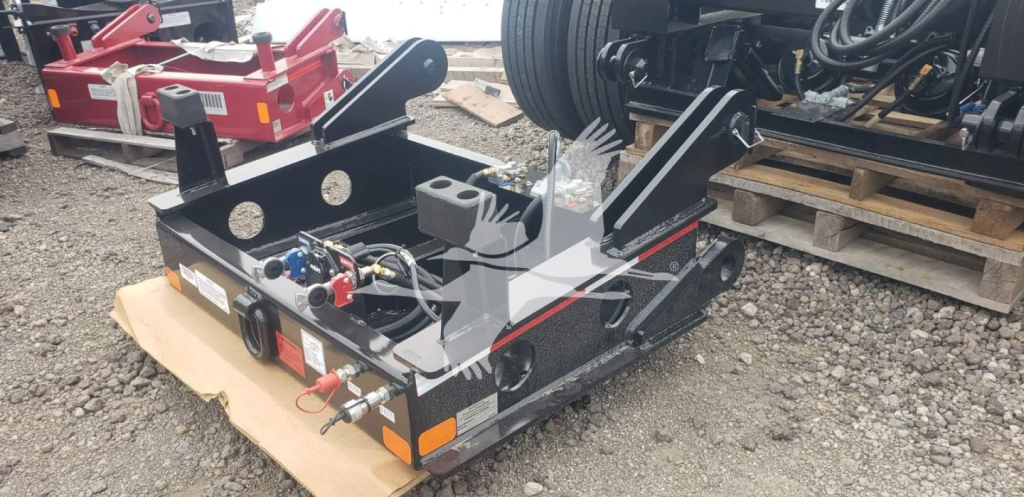
Gooseneck design and axle configuration matter just as much as published tonnage. Many Fontaine lowboys use hydraulic detachable, non-ground bearing necks, which speed loading and unloading for tracked equipment and reduce the need for ramps. Ride height positions, kingpin settings, suspension setting, lift axle function, and flip axle compatibility all affect how the trailer works with your tractor and how easily you can tailor axle spacing to the job. Air ride suspensions from brands such as Hendrickson or Ridewell are common, along with manual dump valves, mechanical ride height controls, and 275/70R22.5 rubber on aluminum-steel wheel packages. Buyers should also look closely at practical equipment such as swing-out outriggers, D-ring count, hammer plates, load-bearing wheel covers, tool trays, and wood or Apitong decking, since these details directly affect securement, durability, and day-to-day productivity.
For used buyers in Pennsylvania, condition matters beyond the frame and deck. Check brake wear, tire match, neck and 5th wheel condition, crossmember spacing, deck repairs, and signs of concentrated loading over recessed areas. Heavy haul permits, bridge laws, and regional road conditions make axle spacing and attachment options especially important in this market. A well-matched used Fontaine lowboy can handle everything from local contractor moves to multi-state specialized hauling, but the right trailer is the one whose deck geometry, detachable neck style, axle package, and legal payload profile fit the loads you actually run.
Frequently Asked Questions about Used Fontaine Lowboy Trailers in Pennsylvania
What is the advantage of a Fontaine lowboy trailer over a standard flatbed or drop deck?
A Fontaine lowboy trailer gives you a much lower deck height, which is critical when hauling tall equipment such as excavators, loaders, dozers, and road-building machines. The lower well helps keep overall loaded height within legal limits, and a detachable gooseneck allows self-loading from the front without relying on long ramps. That combination makes a lowboy better suited than a flatbed or standard step deck for concentrated heavy loads and tracked equipment.
What should I check first on a used Fontaine lowboy?
Start with the structural and running gear items that affect safety, legality, and repair cost. Inspect the gooseneck connection points, main beams, crossmembers, deck condition, suspension, axle alignment, brakes, tires, and wheel ends. Then confirm the trailer's rated capacity, deck height, deck length, kingpin setting, and compatibility with any flip axle or neck extension you may need. On used heavy haul trailers, wear in the neck, deck repairs, and mismatched axle components can matter more than paint or cosmetic condition.
How do flip axles and axle configurations affect a Fontaine lowboy's capacity and permits?
Flip axles and related axle packages help distribute weight across more axles, which can improve legal payload under state bridge formulas and specialized permit rules. They do not automatically make every trailer legal for every load, because spacing, suspension settings, and the trailer's original design all matter. On a Fontaine lowboy, buyers should verify whether the trailer was built to accept a specific flip axle, spreader, or neck extension and how that setup changes overall length, turning radius, and permitted weight.
Are Fontaine lowboys commonly available with detachable hydraulic necks?
Yes. Hydraulic detachable gooseneck configurations are one of the most common Fontaine lowboy layouts in the heavy haul market. This design allows the tractor to disconnect the neck so equipment can be driven directly onto the deck from the front. Buyers should still confirm whether the neck is non-ground bearing or another style, how many loaded ride height positions it offers, and whether the pony motor, hydraulics, and locking components are in good working order.
What deck and securement features are most important on a used lowboy trailer?
The most useful deck features depend on the equipment you haul, but buyers usually focus on deck height, floor material, outriggers, D-ring quantity, and reinforced loading areas. Apitong or wood decking, hammer plates, traction cleats, and load-bearing wheel covers can all improve durability and loading confidence. A lowboy with enough outriggers and securement points will be easier to use across different machine widths and tie-down patterns, especially for fleets hauling mixed construction equipment.