
Used 2027 Trailers For Sale
Browse used 2027 trailers for sale, including dry vans, reefers, flatbeds, and specialty trailers with specs that fit freight, route, and axle needs.
Selling a used 2027 trailer? List your used 2027 trailer for sale and reach thousands of commercial buyers.
Used 2027 Trailers
For enclosed trailers like dry vans and refrigerated trailers, common points to review include trailer length, inside height, door type, floor condition, scuff liners, logistics posts, roof construction, rear frame condition, and tandem slider setup. Many over-the-road vans are 53 feet long and 102 inches wide, often with air ride suspension and sliding tandems to help with bridge law and weight distribution. On reefers, the refrigeration unit hours, evaporator condition, air chute, insulation integrity, and floor wear matter as much as the trailer chassis. Buyers running grocery, pharmaceutical, or foodservice freight should also confirm temperature control performance, door seal condition, and any signs of moisture intrusion or previous floor repair.
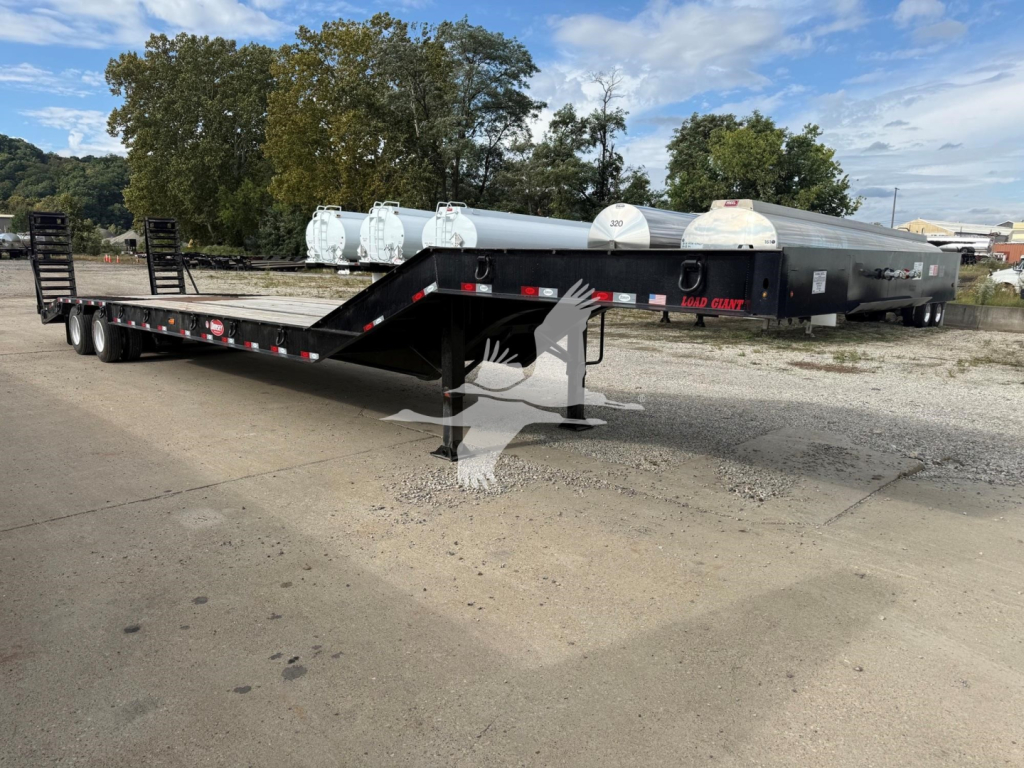
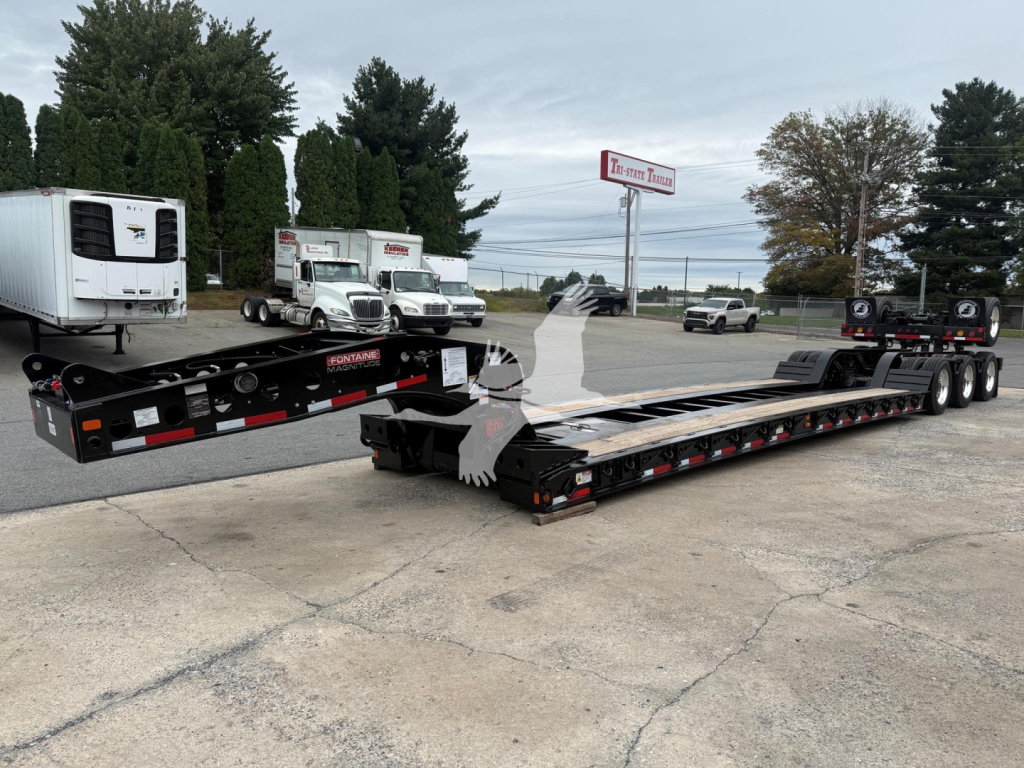
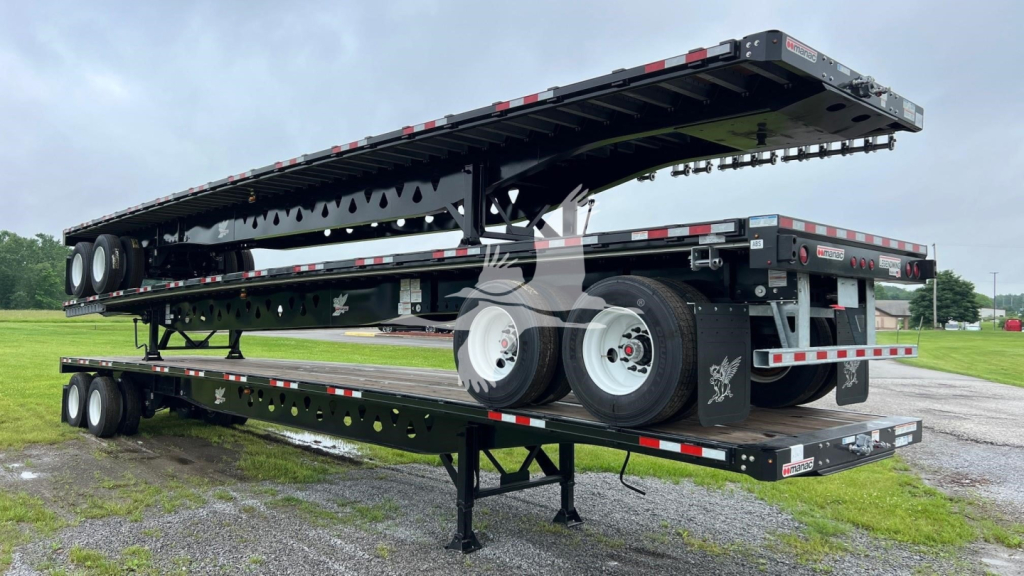
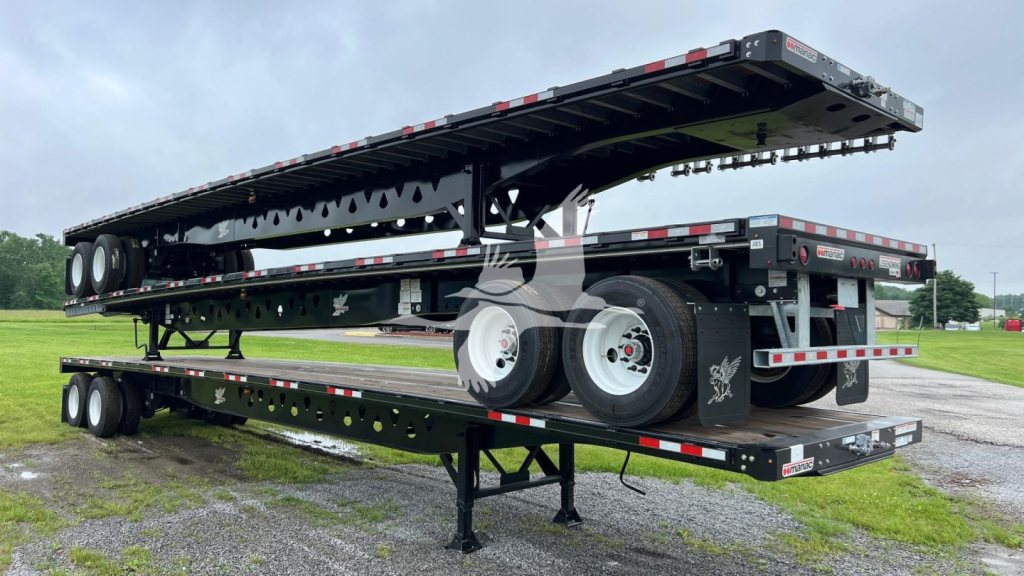
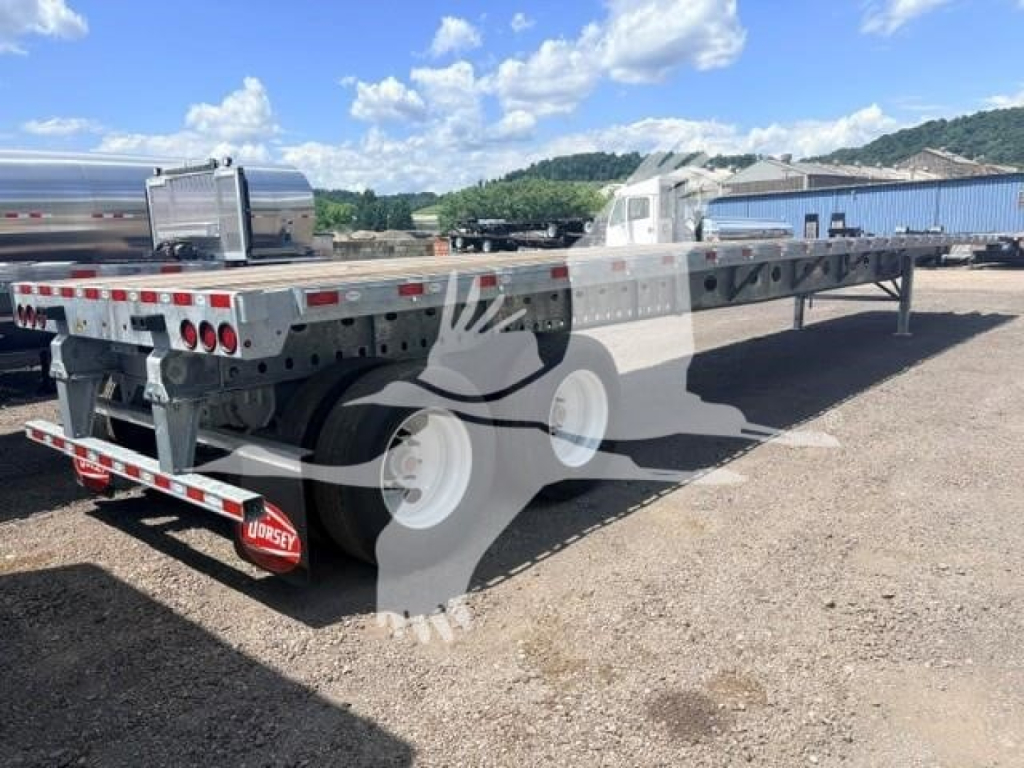
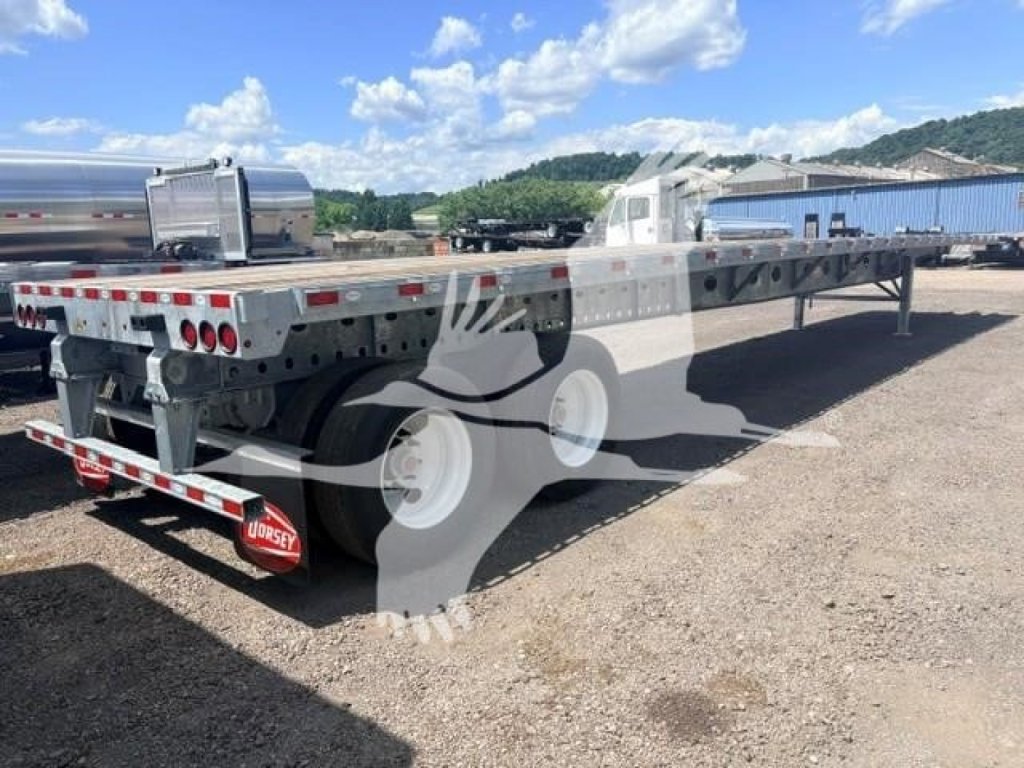
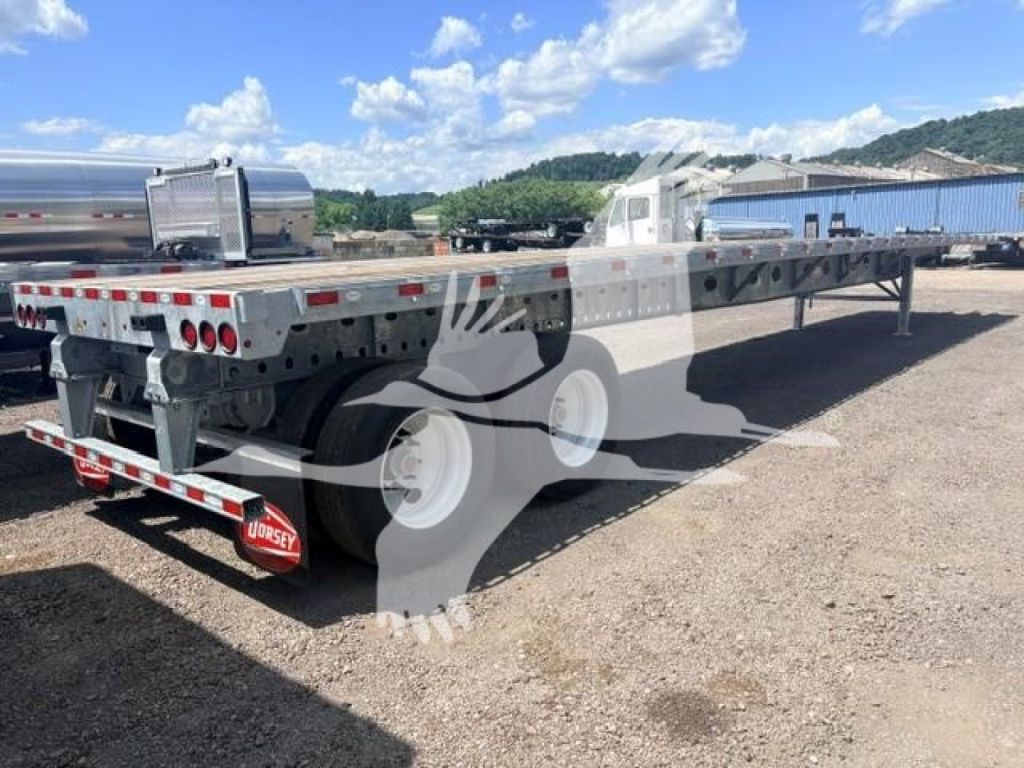
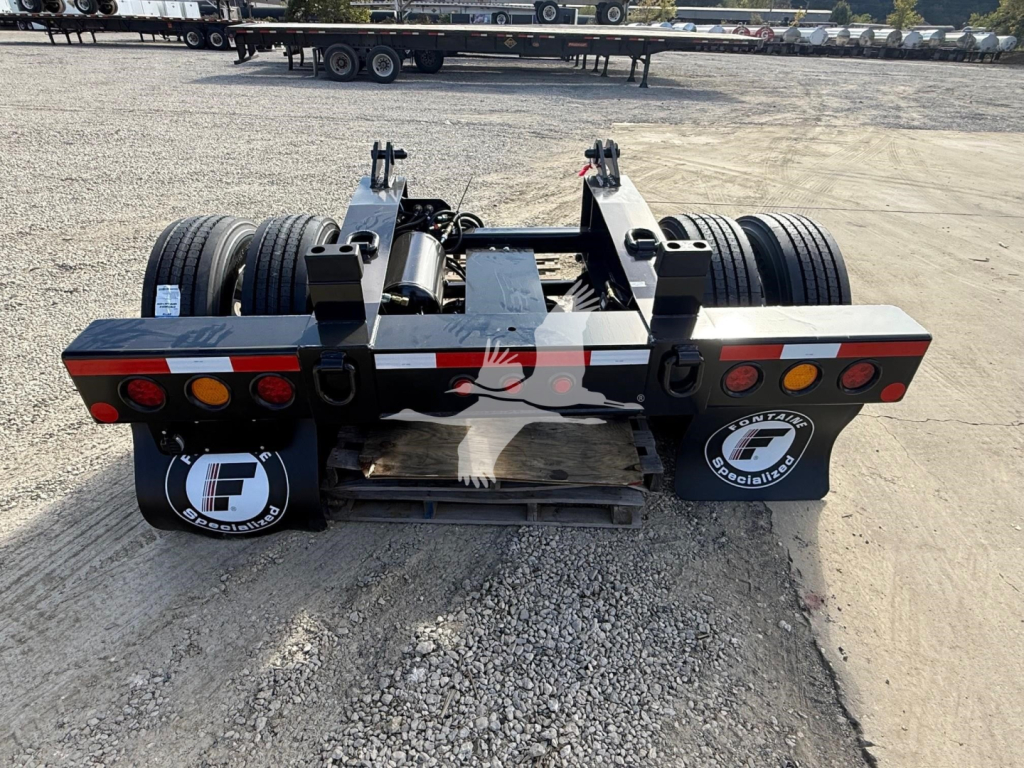
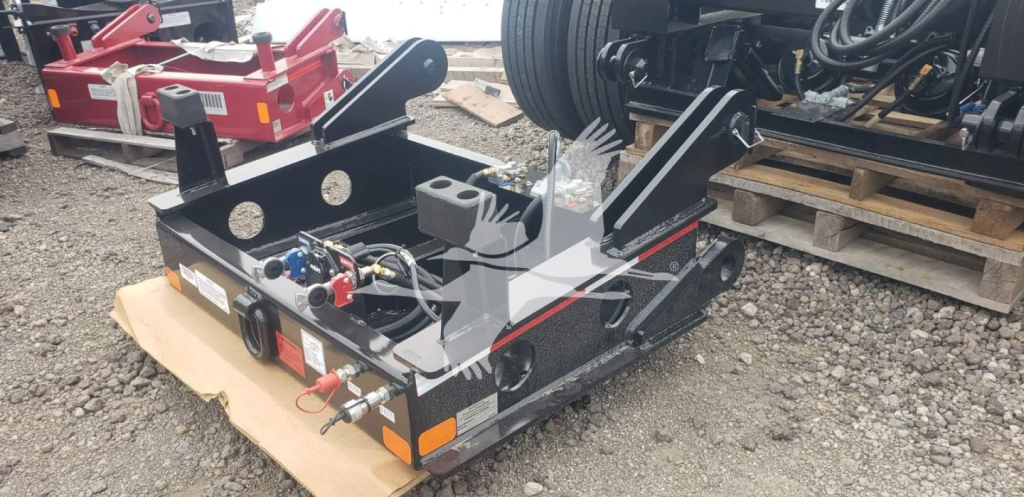
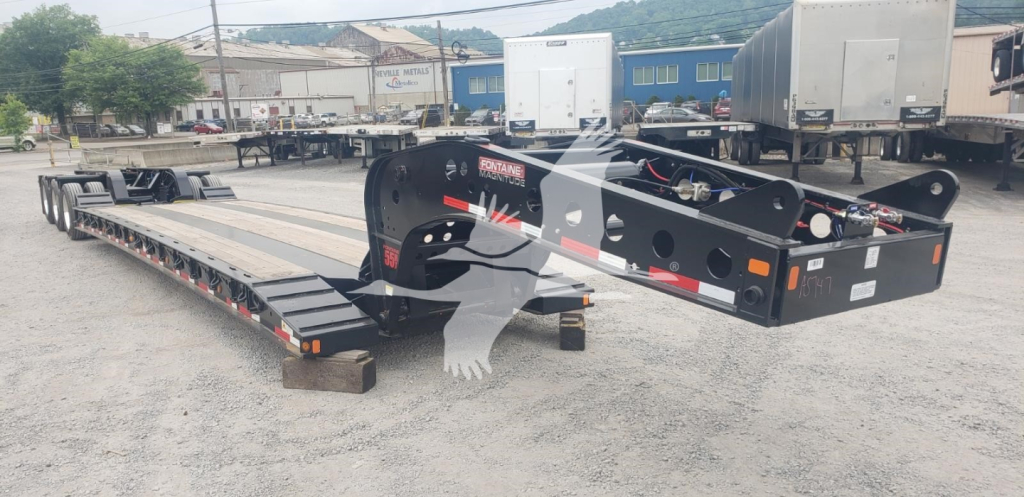
Open-deck and vocational trailer buyers tend to put more weight on frame integrity, deck condition, concentrated load capability, and tie-down setup. On flatbeds and step decks, check crossmembers, main rails, outriggers, winch track condition, rub rails, and the age and rating of tires and brakes. On heavier equipment-hauling trailers, look closely at axle capacity, neck design, hydraulic or mechanical detachable systems, and the condition of ramps or beavertail sections. Suspension type, kingpin setting, and overall tare weight all affect how well the trailer matches the tractor and the freight it is expected to carry.
Used 2027 trailers can be a smart fit for fleets and owner-operators that want current-spec equipment without the cost of ordering new. The best value usually comes from matching the trailer to the lane and the freight instead of shopping by price alone. A trailer built for regional dock freight may need different doors, floor construction, and tandem settings than one used for long-haul palletized freight or heavy machinery. Service records, prior repairs, tire condition, wheel-end maintenance, and signs of corrosion around the rear frame, suspension hangers, and landing gear should all be part of the buying decision, regardless of category.
Frequently Asked Questions about Used 2027 Trailers
What should I look at first when buying a used 2027 trailer?
Start with the trailer category and the specs that directly affect the freight you haul. Length, width, axle layout, suspension, brake type, tare weight, and structural condition matter more than appearance. After that, inspect the frame, crossmembers, floor, rear frame, landing gear, wheel ends, tires, and any category-specific components such as reefer units, liftgates, or detachable neck systems.
What trailer types are commonly found in the used trailer market?
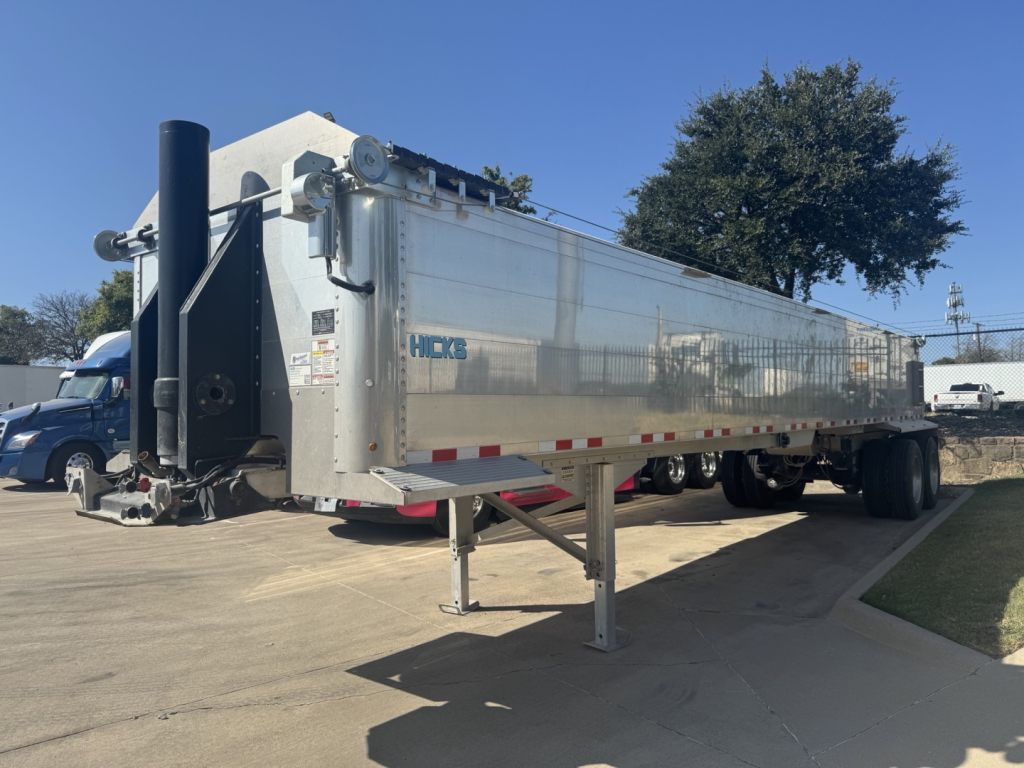
The used trailer market typically includes dry vans, refrigerated trailers, flatbeds, step decks, lowboys, dump trailers, hopper bottoms, tank trailers, and specialty vocational units. Each type is built around a specific freight application. Dry vans and reefers focus on cube and dock loading, while open-deck trailers prioritize deck space, load securement, and weight distribution.
Why does a sliding tandem matter on a used trailer?
A sliding tandem gives the operator flexibility in axle spread and weight distribution. That matters for bridge law compliance, balancing load weight between tractor and trailer axles, and improving compatibility with different loads and customer docks. On a used trailer, the slider rails, locking pins, and suspension components should be checked carefully for wear, corrosion, and proper operation.
How important is suspension type on a trailer?
Suspension type affects ride quality, cargo protection, maintenance needs, and driver preference. Air ride is common on many highway trailers because it helps reduce cargo shock and provides a smoother ride. Spring suspension can be simpler and durable in certain applications, but the right choice depends on freight sensitivity, route conditions, and service requirements.
Are used 2027 trailers a good value compared with new trailers?
They can be, especially when a buyer wants newer-spec equipment without the lead time and price of a factory order. The value depends on condition, maintenance history, and how closely the trailer matches the intended application. A well-maintained used trailer with the right axle setup, structural condition, and freight-ready features often performs better financially than a cheaper trailer that requires immediate repairs or does not fit the operation.