
Used 2027 Flatbed Trailers For Sale
Browse used 2027 flatbed trailers for sale. Compare lengths, axle setups, deck materials, weight ratings, and securement features.
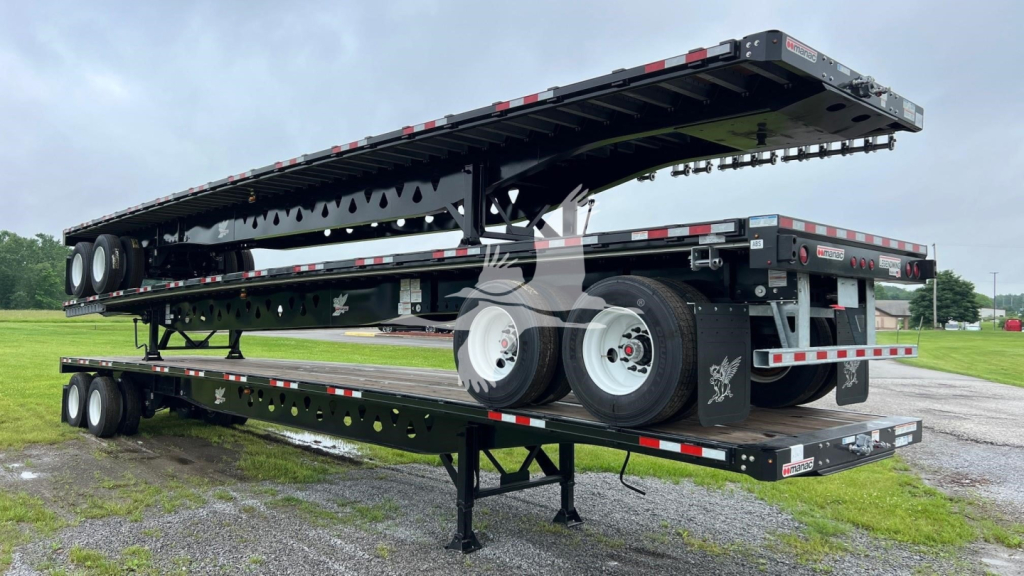
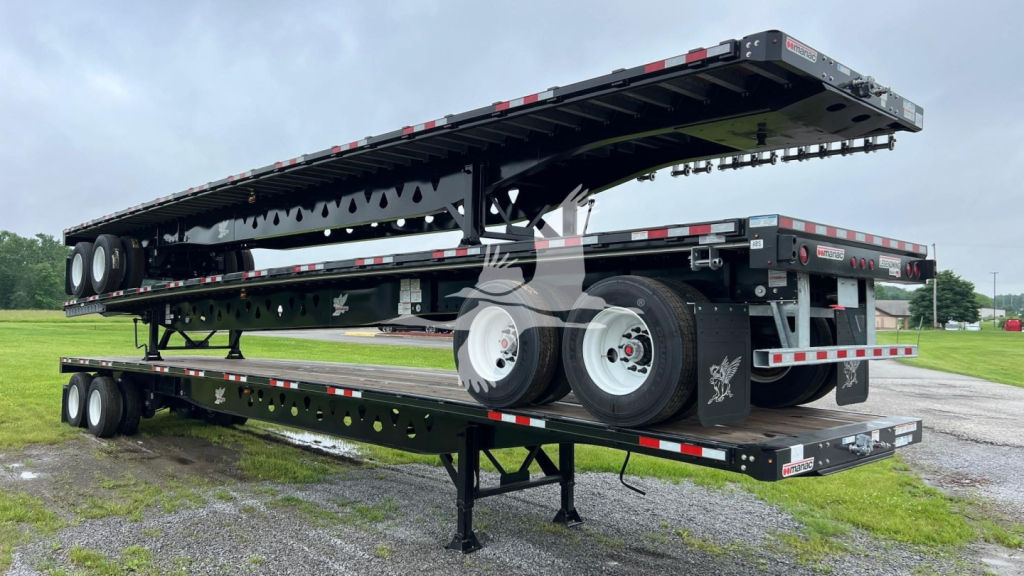
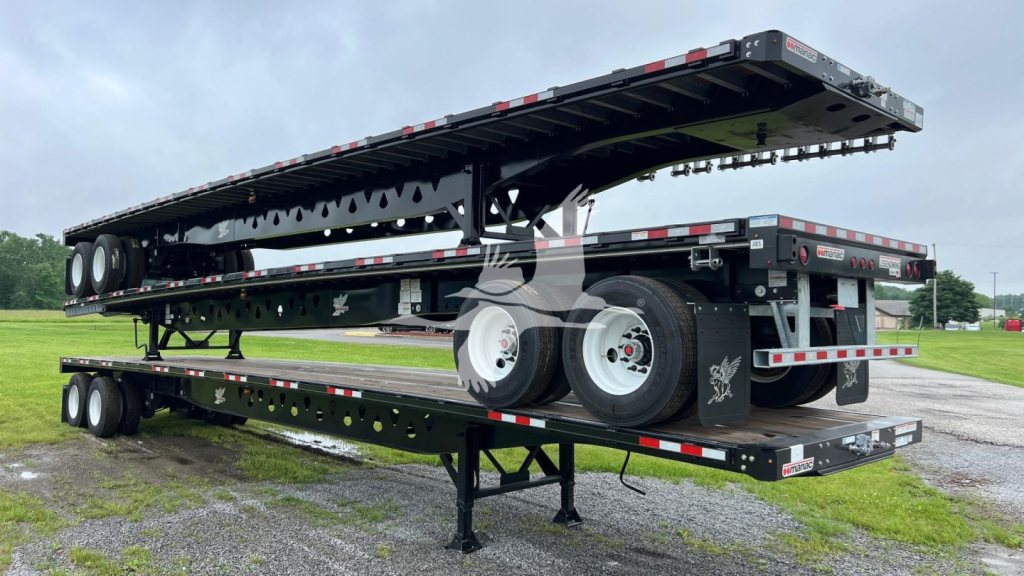
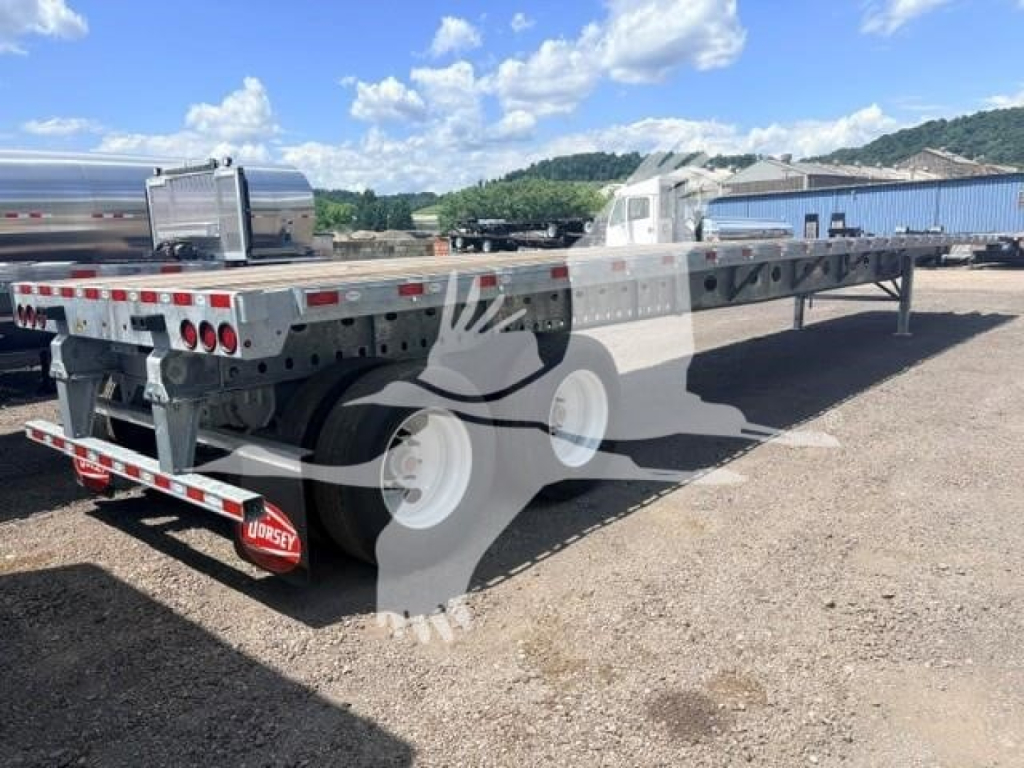
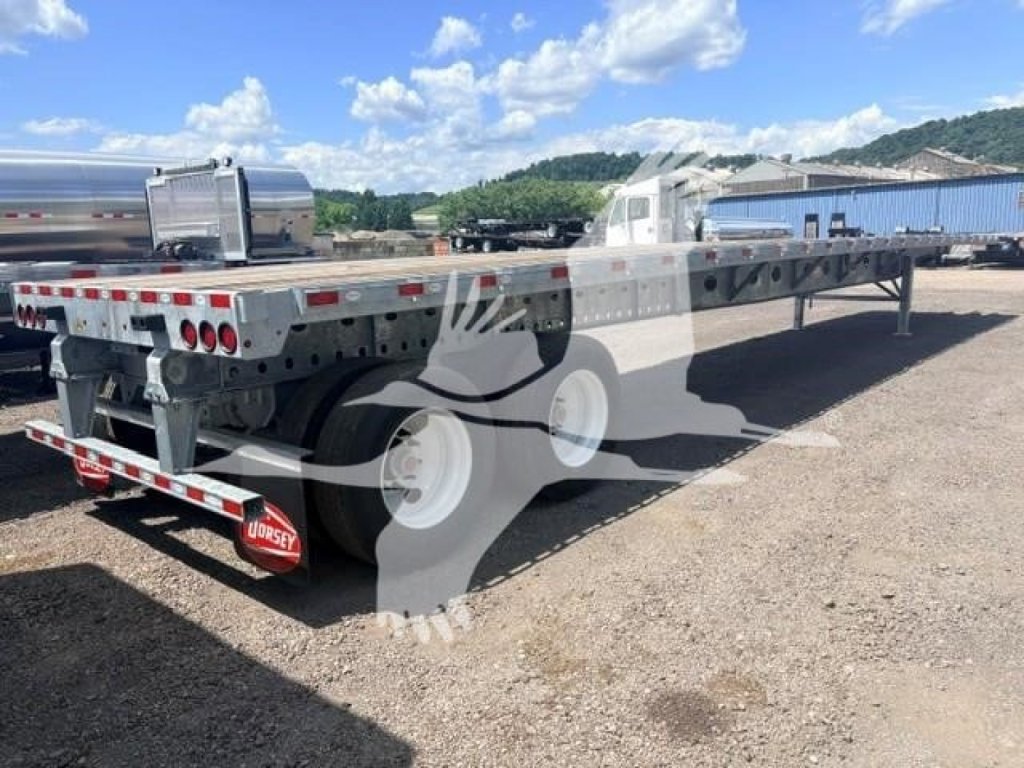
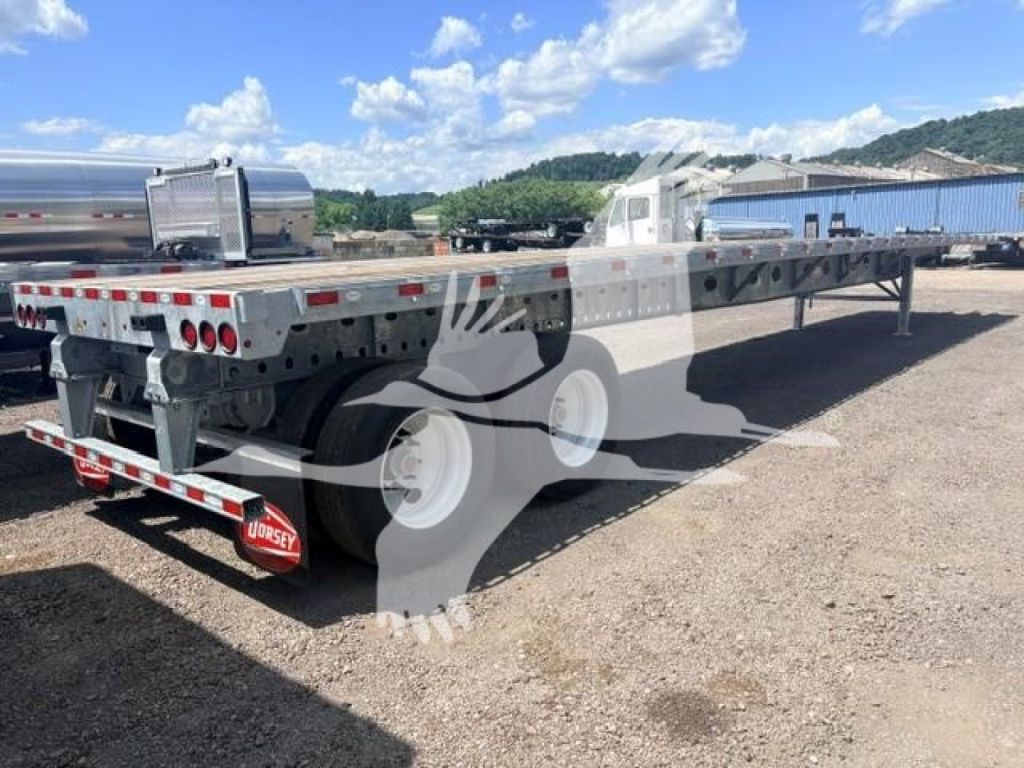
Selling a used 2027 flatbed trailer? List your used 2027 flatbed trailer for sale and reach thousands of commercial buyers.
Used 2027 Flatbed Trailers
Construction material matters because it changes tare weight, durability, and repair cost. Aluminum flatbeds typically offer better payload because they run lighter, while steel flatbeds are often favored for tougher-duty applications and repeated forklift loading. Combo trailers split the difference with steel in high-stress areas and aluminum elsewhere. Apitong wood decking remains popular for grip, durability, and straightforward board replacement, while all-aluminum decks can reduce maintenance in certain operations. Used buyers should inspect the main beams, upper coupler plate, kingpin area, rear impact guard, and suspension hangers for signs of cracks, repairs, or corrosion, especially on trailers that have seen concentrated loads like coils, plate steel, or equipment.
Axle and suspension choices have a major effect on how a flatbed performs in day-to-day service. Air ride is common for higher-value or damage-sensitive cargo, while spring ride can be simpler and lower cost to maintain. Spread axles can improve weight distribution and deck stability but may limit maneuverability and can increase tire scrub in tight yards. Sliding tandems give more flexibility for state bridge compliance and dock approach needs. Tire size, wheel type, brake condition, and hub specification should be reviewed along with kingpin setting and fifth wheel plate wear, since these details affect compatibility with your tractor fleet and your maintenance program.
Securement and freight-specific equipment often determine whether a trailer fits your lanes. Some flatbeds are set up with full-length winch tracks, sliding winches, pipe spools, chain ties, and coil package options for hauling steel and pipe. Others are configured more simply for general freight, construction materials, or regional building supply work. If forklifts load from the side regularly, inspect rub rails, scuff areas, and deck edge condition. If your operation handles long materials, extendable flatbed variants may also be relevant, though they serve a more specialized role than a standard fixed-length platform. The best used 2027 flatbed trailer is the one whose weight, securement layout, suspension, and deck construction match the cargo you haul most often.
Frequently Asked Questions about Used 2027 Flatbed Trailers
What size flatbed trailer is most common?
The most common flatbed trailer sizes are 48-foot and 53-foot by 102 inches wide. A 48-foot flatbed is still widely used in steel, machinery, and general freight service, while a 53-foot flatbed offers more deck space for lighter or more dimensional loads. The right length depends on your freight profile, state routing, and how often you need extra deck space versus tighter maneuverability.
Is an aluminum or steel flatbed trailer better?
Neither is automatically better because each serves a different priority. Aluminum flatbeds usually weigh less, which can improve payload and fuel efficiency, while steel flatbeds tend to be favored for hard-use applications where durability under repeated concentrated loading is a priority. Combo trailers are also common because they balance lower weight with added strength in key stress points. Buyers should compare tare weight, expected cargo, repair environment, and long-term maintenance costs.
What should I inspect first on a used flatbed trailer?
Start with the structural areas that are expensive to repair or difficult to overlook in operation. That includes the main beams, crossmembers, upper coupler plate, kingpin, suspension mounts, axle alignment, rear impact guard, and deck condition. After that, inspect brakes, tires, wheels, lights, air system components, landing gear, and all cargo securement hardware such as stake pockets, rub rails, and winch tracks. Evidence of heavy repairs, cracked welds, corrosion, or uneven tire wear can point to larger issues.
What is the advantage of a spread axle flatbed?
A spread axle flatbed can improve weight distribution and often provides a stable platform for certain loads, especially in applications where axle placement helps with legal scaling. Spread axle setups are common on flatbeds hauling building materials, pipe, and general open-deck freight. The tradeoff is reduced maneuverability in tight spaces and increased tire scrub during sharp turns, so they are best suited to operations where those compromises are acceptable.
What securement features matter most on a flatbed trailer?
The most important securement features depend on the freight, but buyers usually look for stake pockets, a strong rub rail, winch track placement, enough sliding winches, chain tie-down points, and pipe spools when needed. A coil package is important for operations hauling steel coils, while forklift-heavy operations benefit from durable deck edges and side rail construction. Securement hardware should be checked for damage, wear, and prior field repairs because these parts directly affect safety and load versatility.