
Used 2027 Dorsey Flatbed Trailers For Sale
Shop used 2027 Dorsey flatbed trailers with specs buyers want, including deck length, tandem setup, floor type, suspension, and weight ratings.
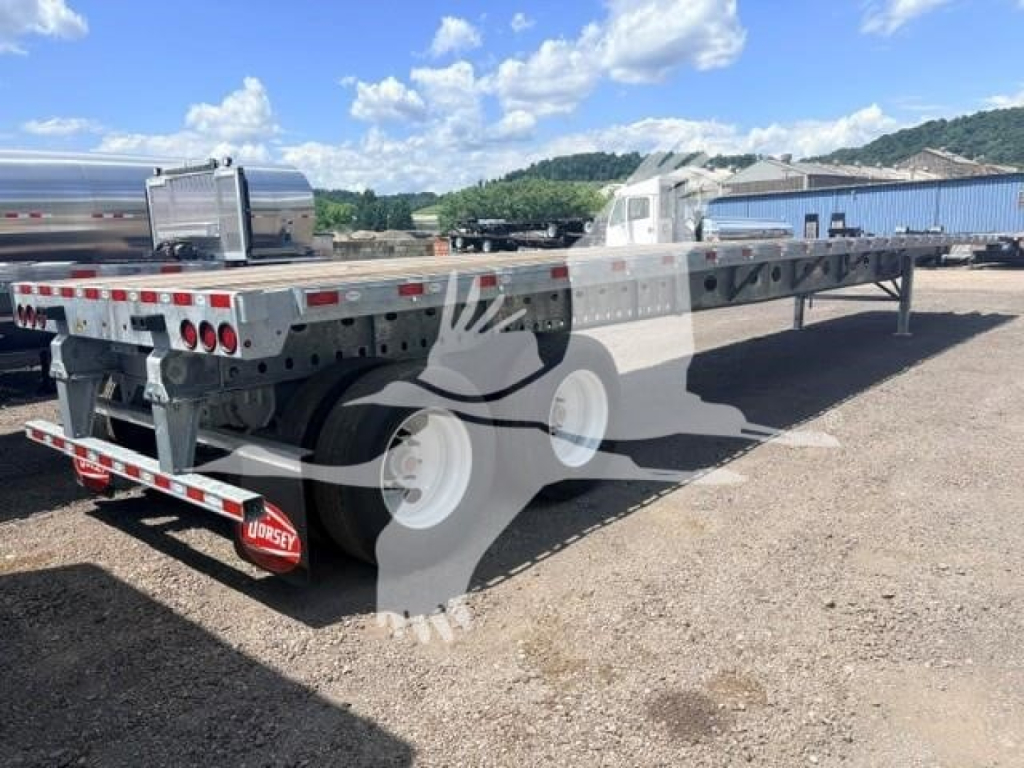
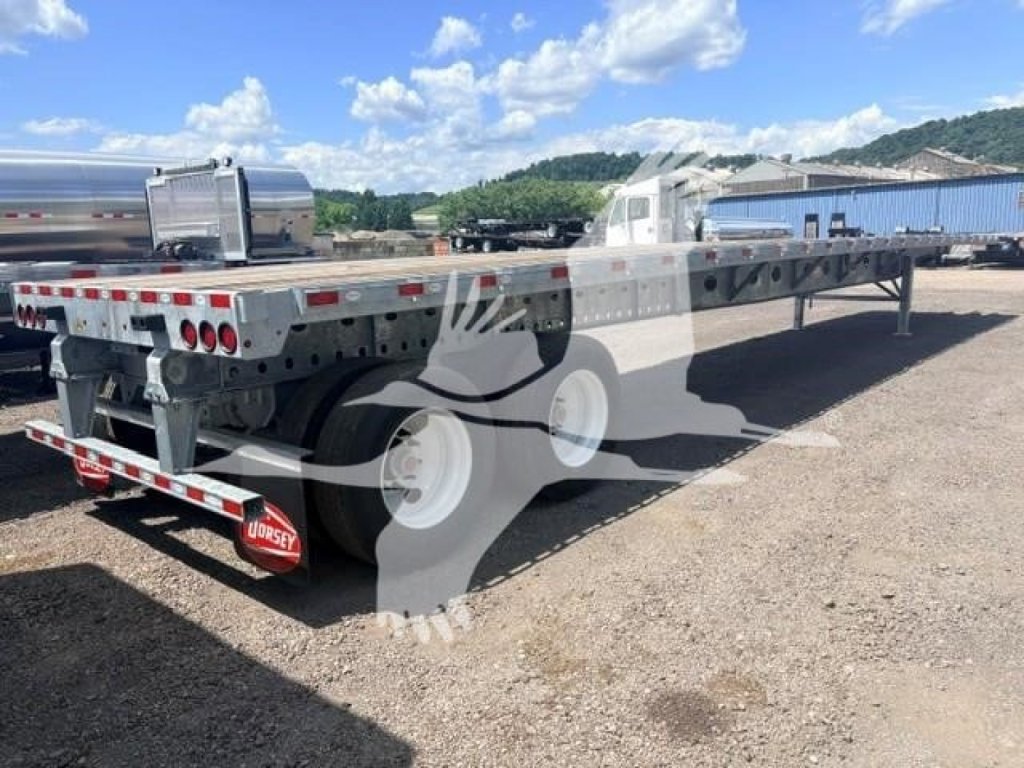
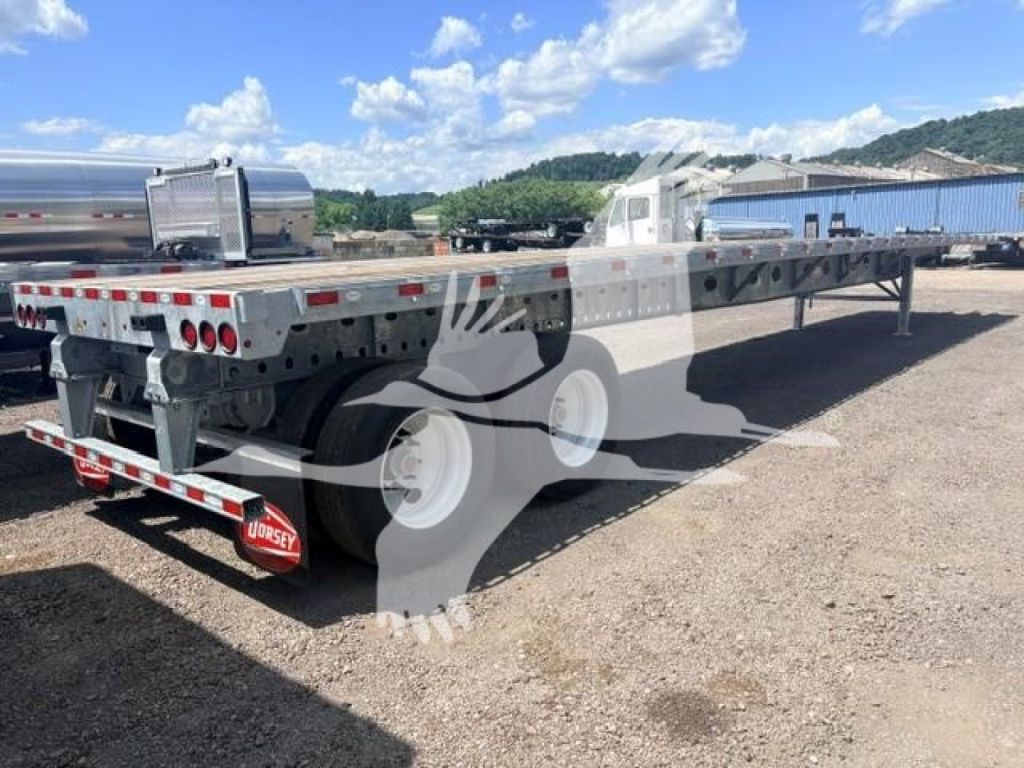
Selling a used 2027 dorsey flatbed trailer? List your used 2027 dorsey flatbed trailer for sale and reach thousands of commercial buyers.
Used 2027 Dorsey Flatbed Trailers
A close look at the deck and frame matters more than the model year alone. Common construction points include steel main rails, steel crossmembers, wood decking such as 1 1/8-inch Apitong, and structural side rails with integrated winch track options. Many buyers prefer a full-length roadside winch track with sliding winches because it gives better flexibility for mixed freight and changing securement points. Pipe spools, stake pockets, rub rails, and crossmember spacing all affect how easily the trailer handles chains, straps, coil racks, dunnage, and edge protection. If the trailer is galvanized steel, that can be a real advantage for corrosion resistance in northern climates, coastal service, or high-moisture applications.
Running gear is another major factor. Used Dorsey flatbeds in this class often show spring ride suspension, a 49-inch sliding tandem, hub-piloted steel wheels, and 295/75R22.5 rubber. A sliding tandem helps with bridge law compliance and axle spread adjustments across different states and load profiles. Buyers should also confirm kingpin setting, landing gear condition, brake life, air system integrity, and tire wear pattern, since these details directly affect ease of dispatch and near-term maintenance cost. On used units, deck fastener condition, floor rot, frame corrosion, side rail damage, and evidence of concentrated load abuse are usually more important than cosmetic paint condition.
Dorsey flatbed trailers are also known as platform trailers, and they remain one of the most versatile trailer types in a commercial fleet. For buyers comparing used 2027 units, the best value is usually the trailer with the right securement package and structural condition for the freight you already haul. A lighter trailer may improve payload on dense commodities, while a heavier-duty frame and tighter crossmember spacing may be the better choice for machinery, steel product, or repeated forklift loading. Matching deck length, tandem position, floor material, and securement hardware to your freight lanes will do more for profitability than simply choosing by price alone.
Frequently Asked Questions about Used 2027 Dorsey Flatbed Trailers
What should I inspect first on a used 2027 Dorsey flatbed trailer?
Start with the frame, crossmembers, side rails, and deck because structural condition drives both safety and resale value. Check for cracked welds, bent rails, corrosion, damaged winch track, rotten or split Apitong boards, and signs of heavy point loading from steel or machinery. After that, inspect the tandem slide, suspension, brakes, tires, air lines, lighting, and landing gear to understand immediate maintenance needs.
Are Dorsey flatbed trailers good for general freight?
Yes. Dorsey flatbeds are commonly spec'd for broad open-deck use, including lumber, steel, building materials, palletized freight, and equipment. Their appeal is a practical layout with standard securement features such as stake pockets, rub rails, pipe spools, and sliding winches, which makes them easy to adapt across multiple freight types.
What deck length is most common on a Dorsey flatbed?
The most common lengths in this category are 48 feet and 53 feet. A 48-foot flatbed can be a good fit for regional work or freight mixes that do not require maximum deck space, while a 53-foot trailer offers more flexibility for longer commodities and higher cube freight. The right choice depends on your lane requirements, customer freight profile, and state bridge considerations.
Why does a 49-inch sliding tandem matter on a flatbed trailer?
A 49-inch sliding tandem gives the operator room to shift axle weight and better comply with bridge laws and state-specific axle requirements. It also helps when balancing different commodity weights across the deck. For many fleets, a sliding tandem is a practical spec because it adds dispatch flexibility without changing the trailer's basic loading style.
Is a galvanized Dorsey flatbed worth considering over painted steel?
A galvanized flatbed can be a strong choice when corrosion resistance is a priority. It can help reduce rust-related deterioration on the frame and exposed steel components, especially in regions with road salt, wet weather, or coastal exposure. Buyers should still inspect for physical damage and wear, but galvanizing can be a real long-term durability advantage on a used trailer.