
Used 2027 Dorsey Trailers For Sale
Shop used 2027 Dorsey trailers for sale, including flatbed and drop deck designs with durable steel construction and freight-ready specs.
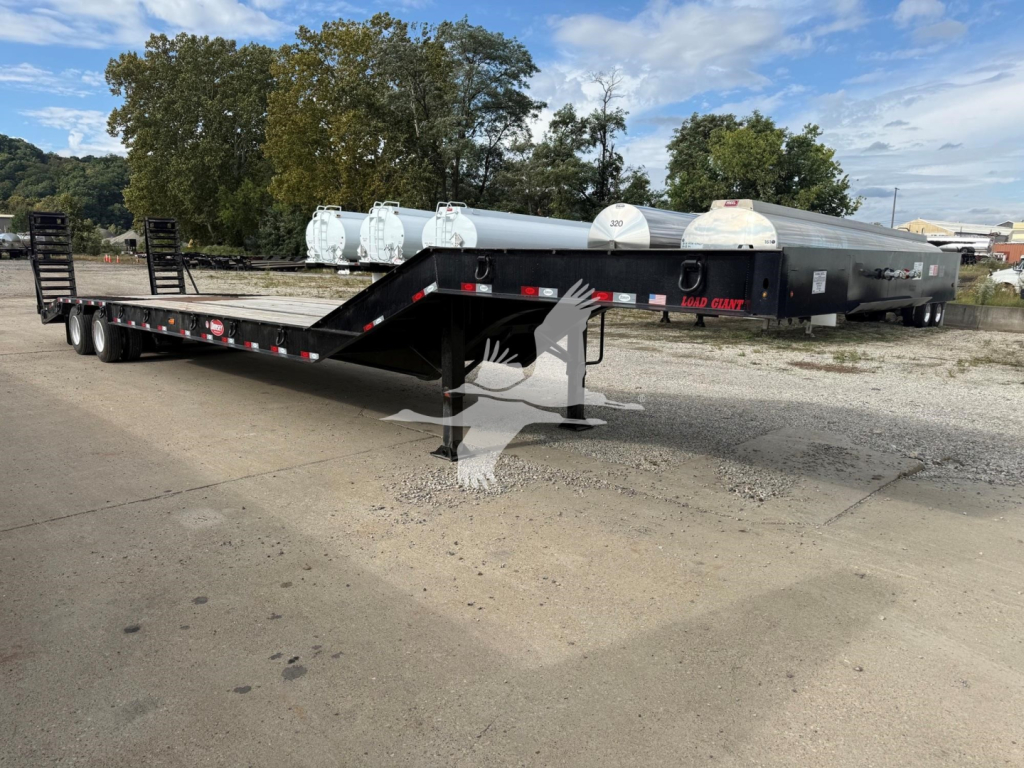
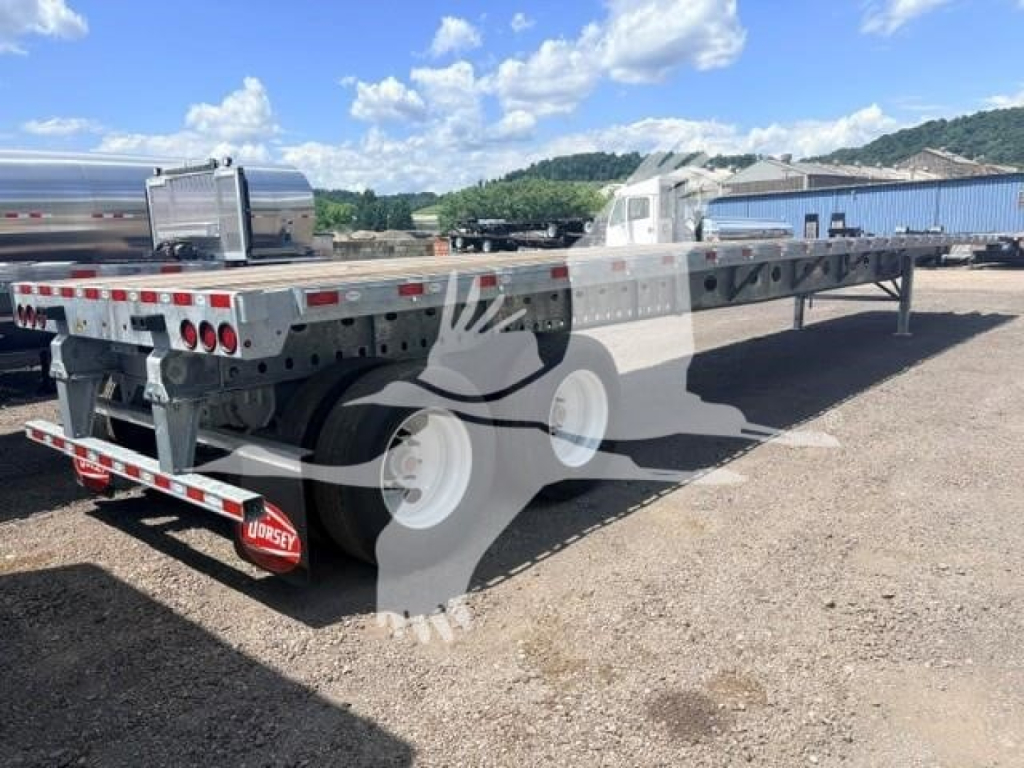
Selling a used 2027 dorsey trailer? List your used 2027 dorsey trailer for sale and reach thousands of commercial buyers.
Used 2027 Dorsey Trailers
Construction details matter on a used Dorsey trailer because they directly affect payload, durability, and repair cost. Common specs include 48-foot or 53-foot lengths, 102-inch width, steel frames, Apitong flooring, double pipe spools, roadside winch tracks, and sliding winches. Flatbeds often carry tandem slider configurations with kingpin settings around 30 inches, while drop decks may use a shorter kingpin setting and a deck layout that includes a top deck, main deck, and beavertail section. Suspension choice is another key point. Spring ride can be simple and durable for many flatbed operations, while air ride is preferred by some fleets hauling more fragile cargo or running mixed freight. Crossmember spacing, side rail design, landing gear brand, wheel type, and overall tare weight are all worth comparing closely from one trailer to the next.
A buyer evaluating a used 2027 Dorsey trailer should pay close attention to the same wear points that drive long-term trailer value in any open-deck category. Inspect the frame for cracks, prior repairs, corrosion, and signs of overloading around suspension hangers, crossmembers, and the rear impact area. Check floor condition carefully, especially on Apitong decks that may show fastener issues, rot, gouging, or localized replacement boards. On flatbeds, inspect winch tracks, stake pockets, side rails, and spool areas for deformation from chains and binders. On drop decks and beavertail models, pay extra attention to ramp condition, traction bars, hinge points, and the transition area between upper and lower deck sections. Tire size, axle spread, brake condition, and slider operation also deserve close review because they affect both maintenance cost and how easily the trailer fits your fleet's day-to-day work.
The best Dorsey trailer is usually the one that matches your freight lane, securement style, and loading environment rather than the one with the longest option list. A steel flatbed may make the most sense for dense freight and tougher dock or jobsite use, while a drop deck can open up more opportunities for taller machinery and equipment loads. If the trailer will spend its life in northern climates or corrosive conditions, galvanized components and overall corrosion resistance become more important. Buyers comparing used Dorsey trailers should line up deck length, suspension type, tandem spread or slider setup, tare weight, and structural condition before anything else. Those core specs will tell you more about the trailer's earning potential than cosmetic appearance alone.
Frequently Asked Questions about Used 2027 Dorsey Trailers
What types of trailers are most common from Dorsey?
Dorsey is best known for open-deck trailer designs, especially steel flatbeds and drop decks. Many used Dorsey trailers are built for construction materials, steel products, machinery, and other freight that needs side loading or top loading. Some units may also include beavertail configurations, spread axle setups, or galvanized construction depending on the intended application.
What should I inspect first on a used Dorsey flatbed trailer?
Start with the frame, floor, suspension, brakes, and securement hardware. On a used flatbed, the most important checks are side rail condition, stake pockets, winch track wear, crossmember integrity, and the overall state of the Apitong floor. Buyers should also verify slider function, kingpin wear, tire condition, wheel-end service history, and any evidence of structural repair or corrosion.
Is a Dorsey drop deck better than a flatbed for taller freight?
A Dorsey drop deck is generally the better choice when legal load height is a concern. The lower main deck allows taller equipment or crated freight to ride lower than it would on a standard flatbed. That added height flexibility can reduce permit needs and expand the range of loads you can haul, but buyers should account for tare weight, deck length distribution, and ramp or beavertail condition if self-loading equipment is part of the job.
Are steel Dorsey trailers heavier than aluminum trailers?
In most cases, yes. A steel Dorsey trailer usually weighs more than a comparable aluminum model, which can reduce maximum payload. The tradeoff is durability. Steel construction is often favored in severe-duty applications where resistance to concentrated loading, frequent forklift traffic, and rough jobsite use is more important than shaving tare weight. Buyers need to balance payload demands against repair tolerance and operating conditions.
What specs matter most when comparing used Dorsey trailers?
The most important specs are trailer type, overall length, deck height, tare weight, axle configuration, suspension, kingpin setting, floor material, and securement setup. For flatbeds, compare winch track layout, number of sliding winches, crossmember spacing, and tandem slider position. For drop decks, compare top deck length, main deck length, loaded deck height, and whether the trailer includes ramps or a beavertail. These details have a direct impact on freight compatibility and revenue potential.