
Used 2027 Fontaine Trailers For Sale
Shop used 2027 Fontaine trailers including flatbed and drop deck configurations with specs, axle setups, deck options, and hauling features.
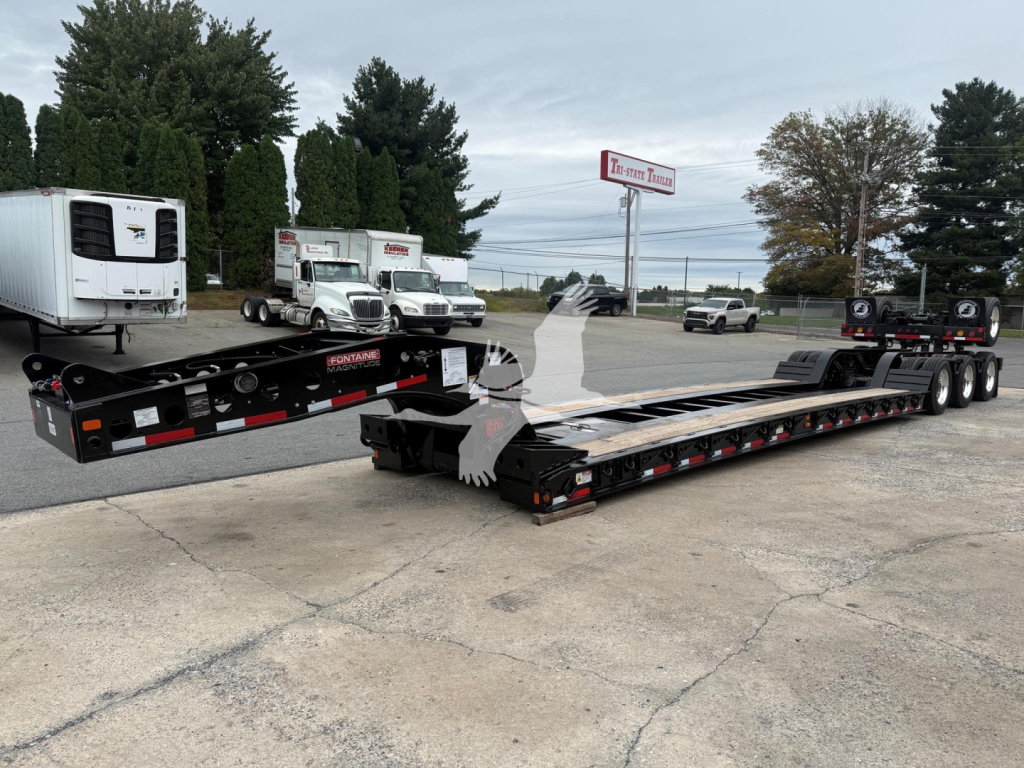
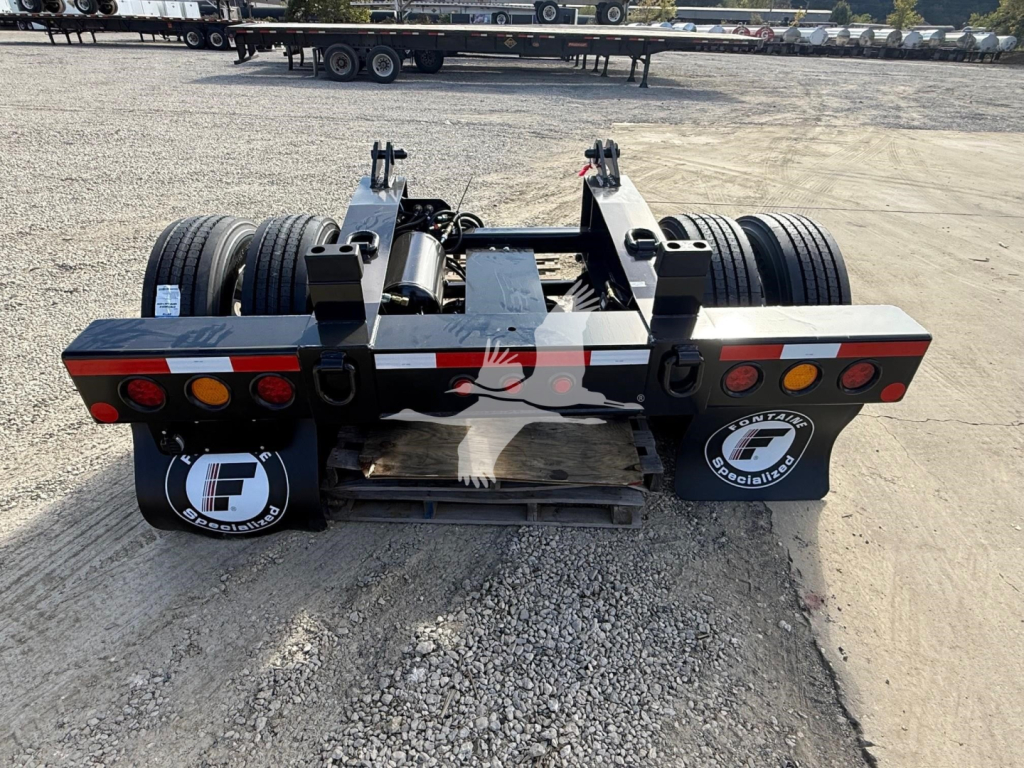
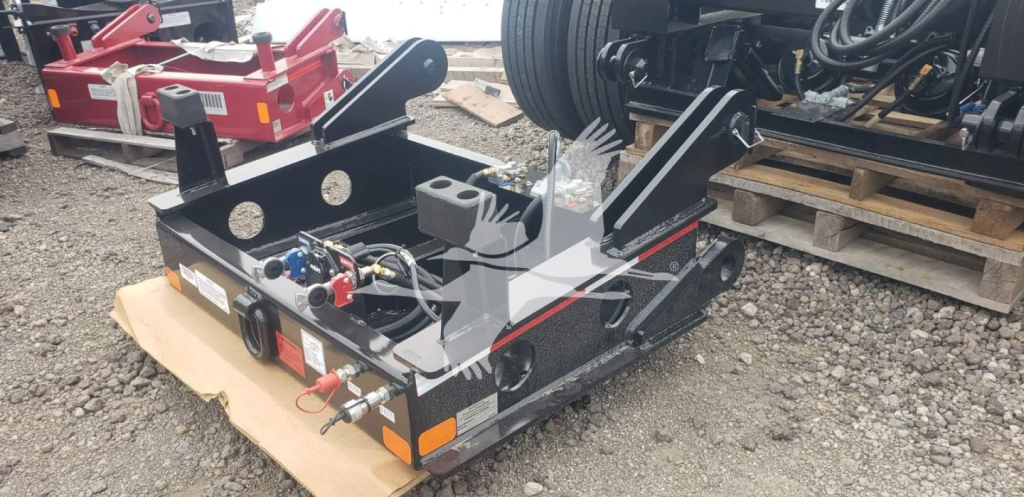
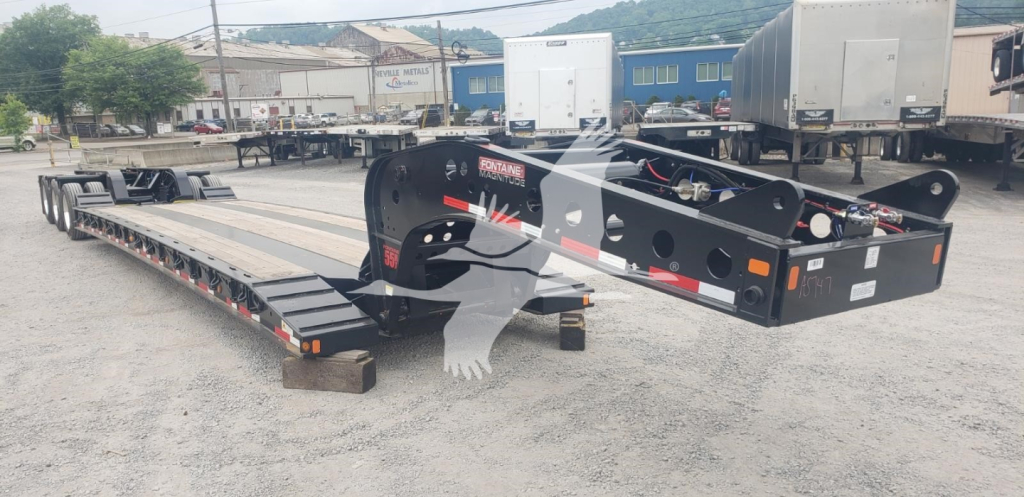
Selling a used 2027 fontaine trailer? List your used 2027 fontaine trailer for sale and reach thousands of commercial buyers.
Used 2027 Fontaine Trailers
For many buyers, the real decision starts with trailer type. Fontaine flatbed trailers are commonly found in 48-foot by 102-inch configurations with steel, aluminum, or combo construction. Combo flatbeds use steel main structure with aluminum components to reduce weight without giving up the durability many fleets want in high-contact freight. Buyers should look closely at deck material, crossmember spacing, side rail design, winch track placement, stake pockets, pipe spools, coil package equipment, and kingpin setting. Suspension also matters. Air ride, spring ride, spread axle, and sliding tandem setups each change axle loading flexibility, bridge compliance, and ride quality for steel, building products, machinery, and general commodity freight.
If the trailer is a Fontaine drop deck, low pro step deck, or extendable platform, deck height and loading profile become more important than raw length alone. A low-profile step deck can open up taller freight opportunities without forcing the load into overheight territory. Extendable trailers add versatility for longer freight but require more scrutiny on extension locks, frame condition, and wear points in the track system. On any used 2027 Fontaine trailer, inspect the floor, outriggers, suspension hangers, brake components, tire condition, wheel-end service history, and any repairs around the neck, draft arms, rear frame, and slider assembly. Features like ramps, toolboxes, chain pull-outs, scuff protection, LED lighting, and tire inflation systems can also affect day-to-day usability and maintenance costs.
Fontaine trailers are often chosen by carriers hauling steel, lumber, pipe, machinery, palletized freight, and construction materials because the brand is familiar to drivers, shippers, and repair shops across the country. A smart comparison between listings should go beyond price and include empty weight, legal payload potential, axle spread, deck condition, securement package, and how the trailer matches the lanes you run. For regional flatbed work, a closed tandem slider may be the practical fit. For heavier or specialized freight, a spread axle, step deck, or extendable configuration may offer better loadability and fewer compromises.
Frequently Asked Questions about Used 2027 Fontaine Trailers
What types of Fontaine trailers are most common on the used market?
The most common used Fontaine trailers are flatbeds, combo flatbeds, steel flatbeds, step decks, low-profile drop decks, and some extendable platforms. Flatbeds are typically used for general open-deck freight, while step decks and low pros handle taller equipment and construction loads. Extendable Fontaine trailers are more specialized and are usually selected for longer freight such as pipe, steel, or oversized materials.
What should I inspect first on a used Fontaine trailer?
Start with the frame, suspension, brakes, tires, and deck condition because those items drive both safety and immediate repair cost. Check for cracks, weld repairs, corrosion, bent crossmembers, worn bushings, uneven tire wear, and slider or spread axle issues. On flatbeds and step decks, inspect stake pockets, winch tracks, chain ties, floor fastening points, and any damage around the neck and rear impact area.
Is a Fontaine combo trailer better than an all-steel flatbed?
A Fontaine combo trailer is often preferred when payload matters because the aluminum components reduce tare weight compared with a full steel trailer. An all-steel flatbed can still be the better choice in severe-duty applications where repeated forklift traffic, scrap loading, or rough jobsite use is common. The better option depends on your freight mix, maintenance habits, and how much value you place on lighter empty weight versus long-term structural simplicity.
How do I choose between spread axle and sliding tandem on a Fontaine trailer?
A spread axle Fontaine trailer can improve stability and may fit heavier or more specialized open-deck freight, but it can be harder on tires in tight turns and may reduce flexibility in some states or customer locations. A sliding tandem gives more control over axle weight distribution and dock positioning, which is useful for mixed freight and regional hauling. The right setup depends on bridge laws, lane patterns, shipper requirements, and how often you need to shift axle position for compliance.
Why does deck height matter on a Fontaine step deck or low pro trailer?
Deck height directly affects how much cargo height you can legally carry. A lower deck allows taller freight to move without exceeding legal height limits, which can reduce permit needs and increase the number of loads the trailer can handle. On a Fontaine low pro or step deck, buyers should compare loaded deck height, neck length, lower deck length, ramp setup, and ground clearance to make sure the trailer fits their equipment and operating territory.