
Used Curtainside Trailers For Sale in Pennsylvania
Browse used curtainside trailers in Pennsylvania. Compare lengths, tarp systems, suspension, payload specs, and load securement features.
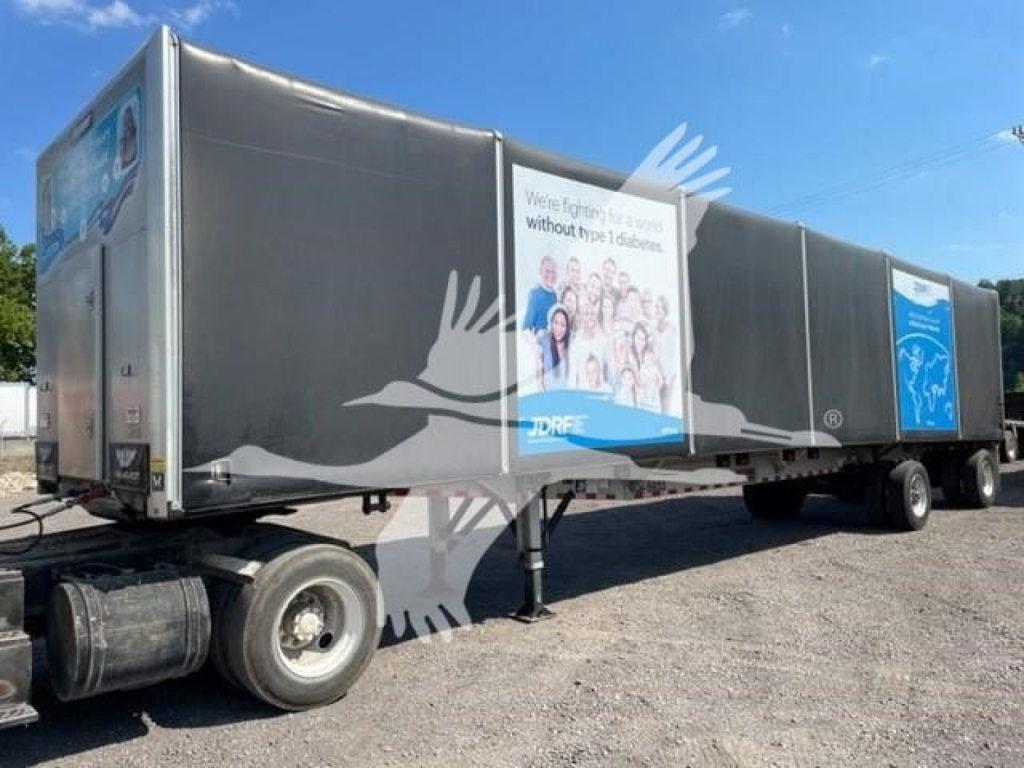
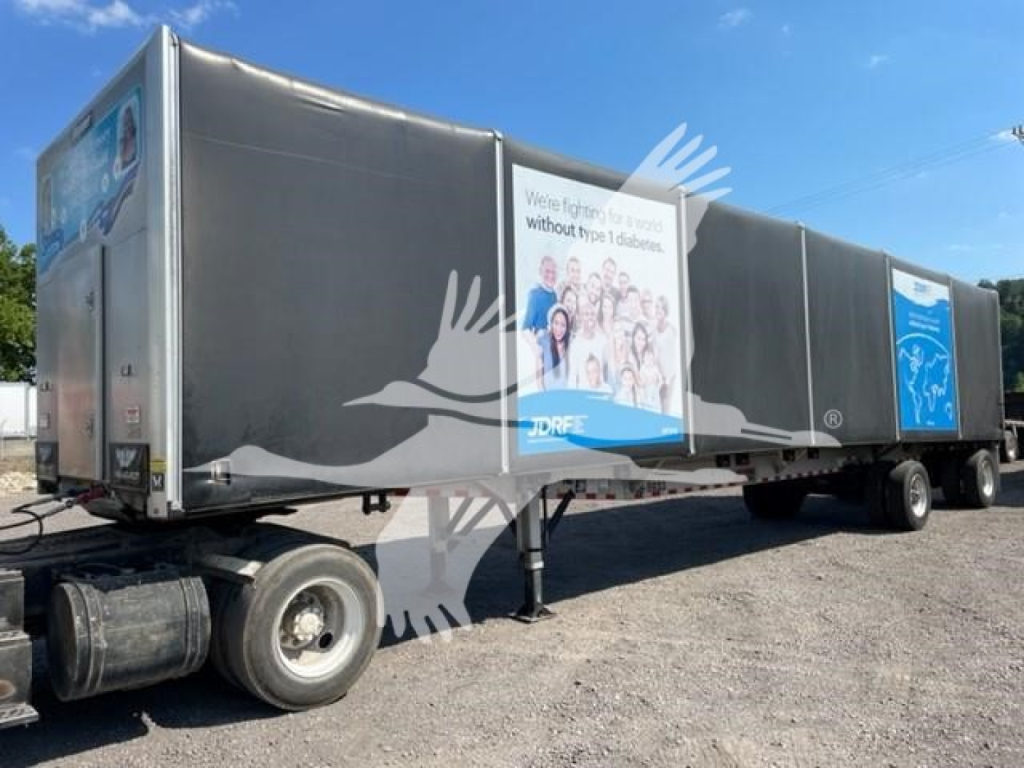
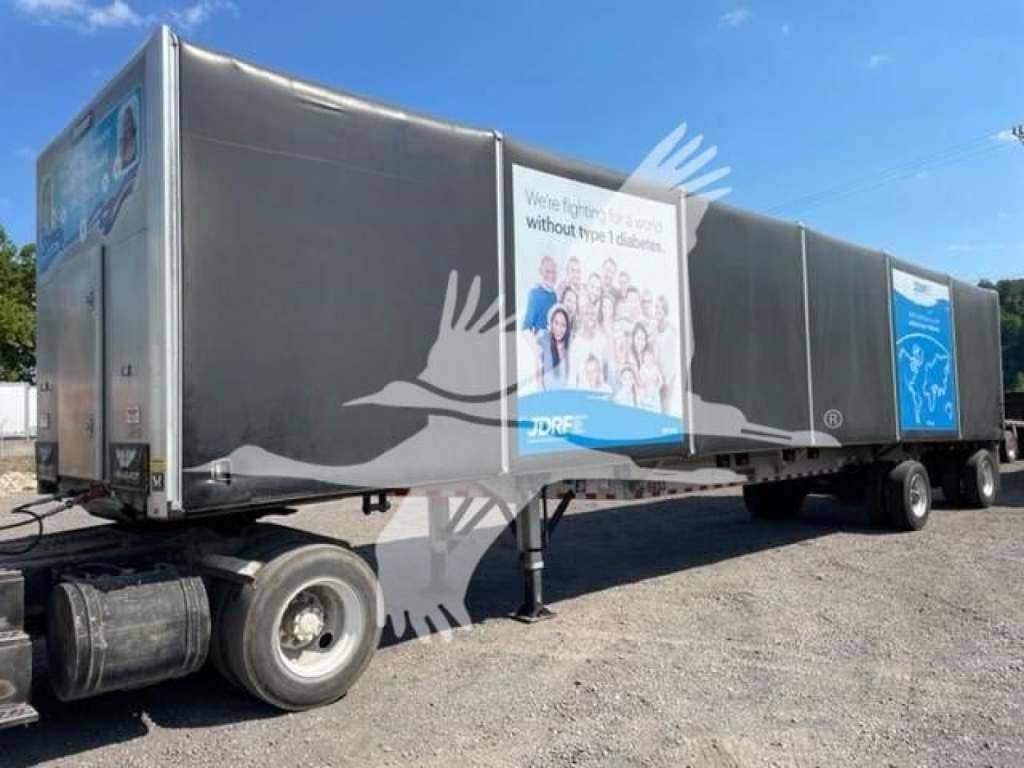
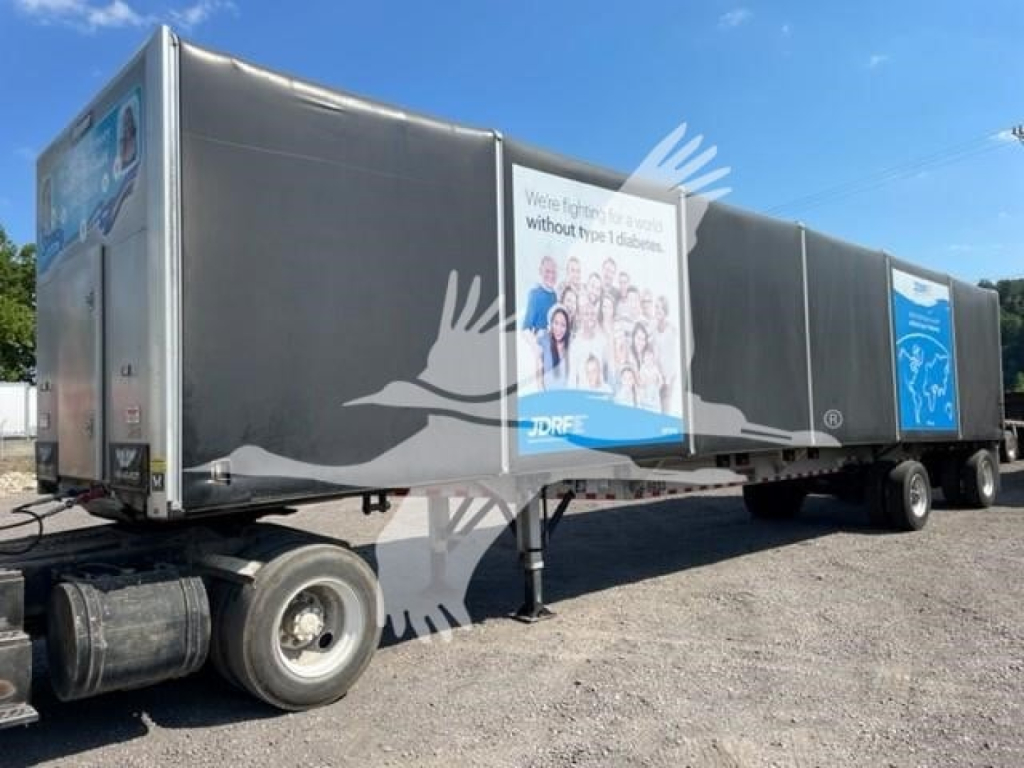
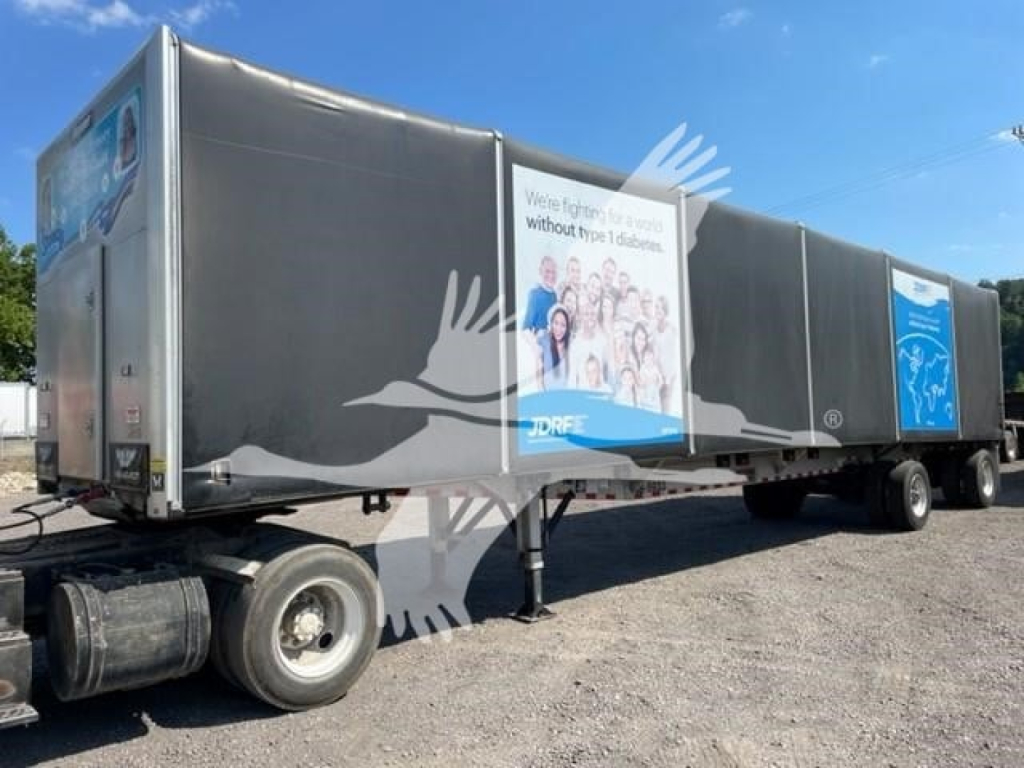
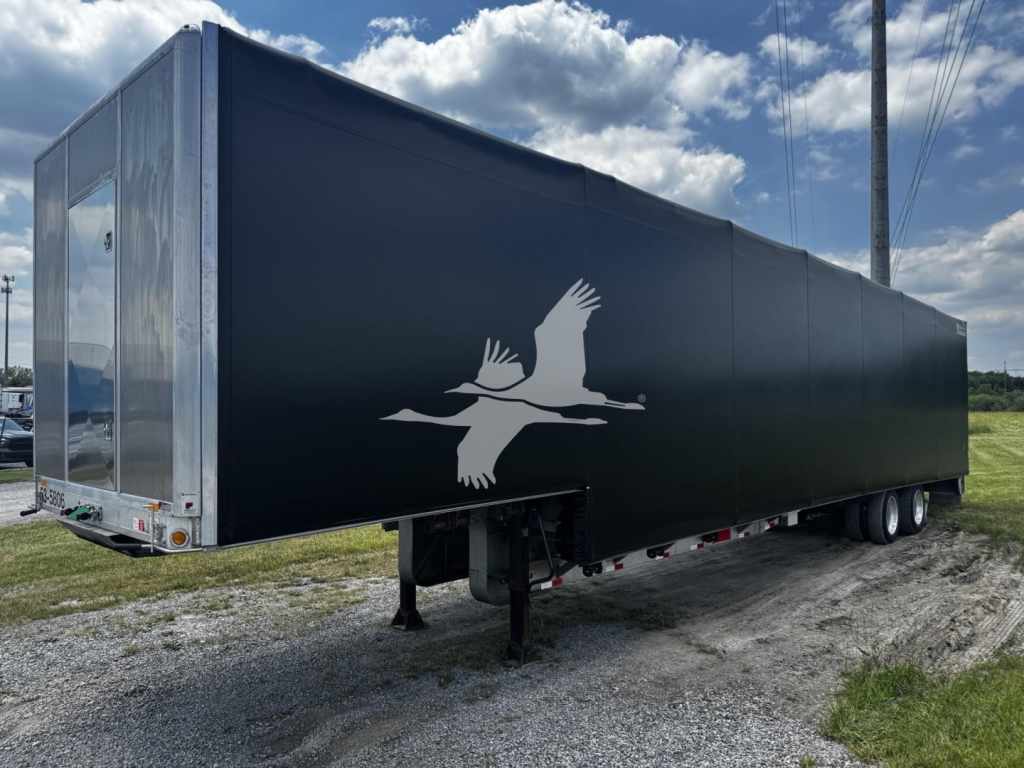
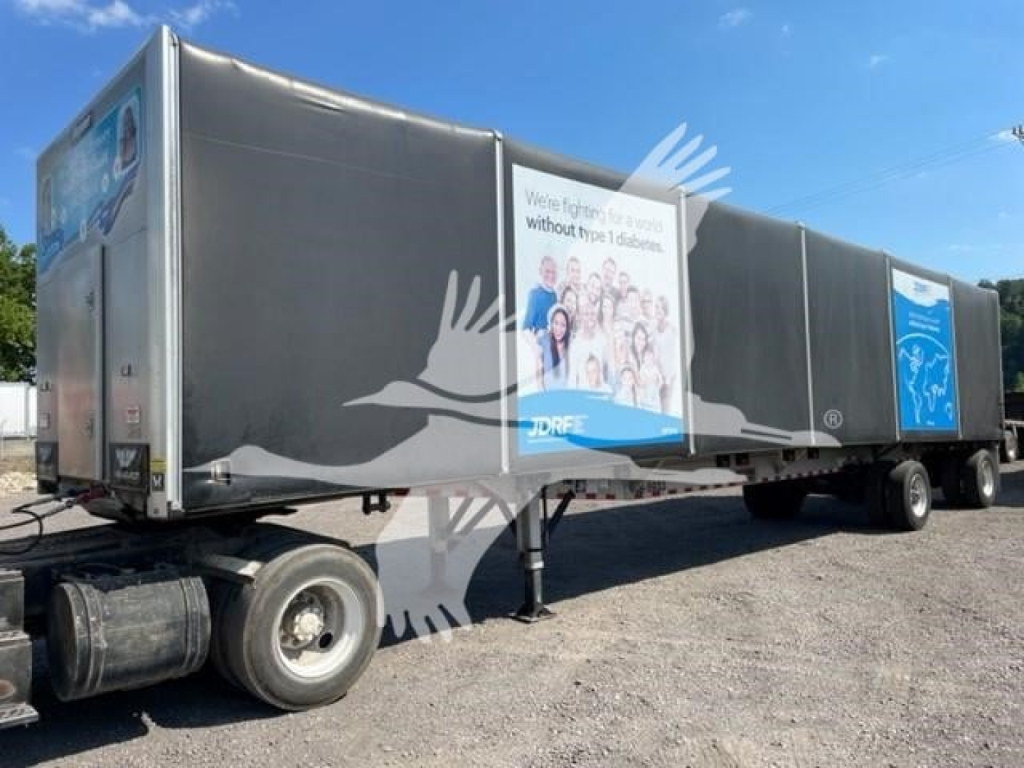
Selling a used curtainside trailer? List your used curtainside trailer for sale and reach thousands of commercial buyers.
Used Curtainside Trailers in Pennsylvania
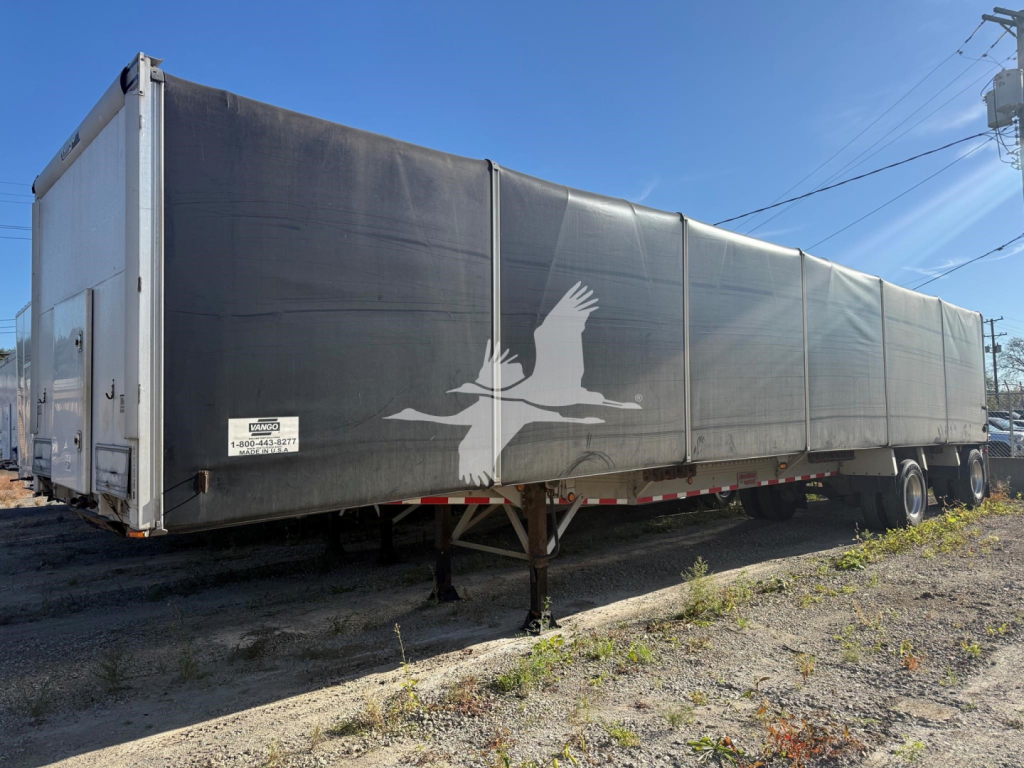
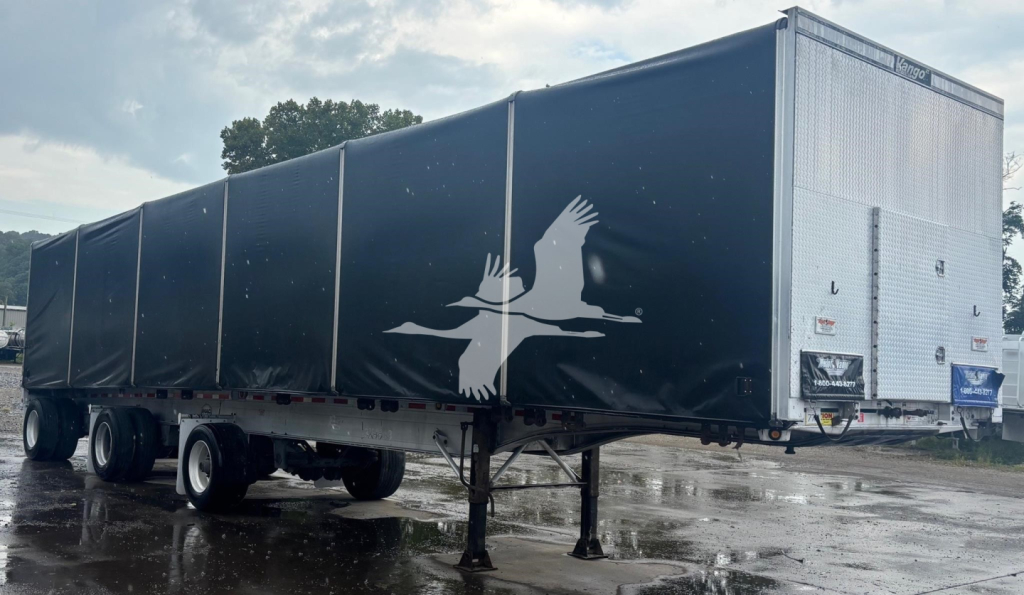
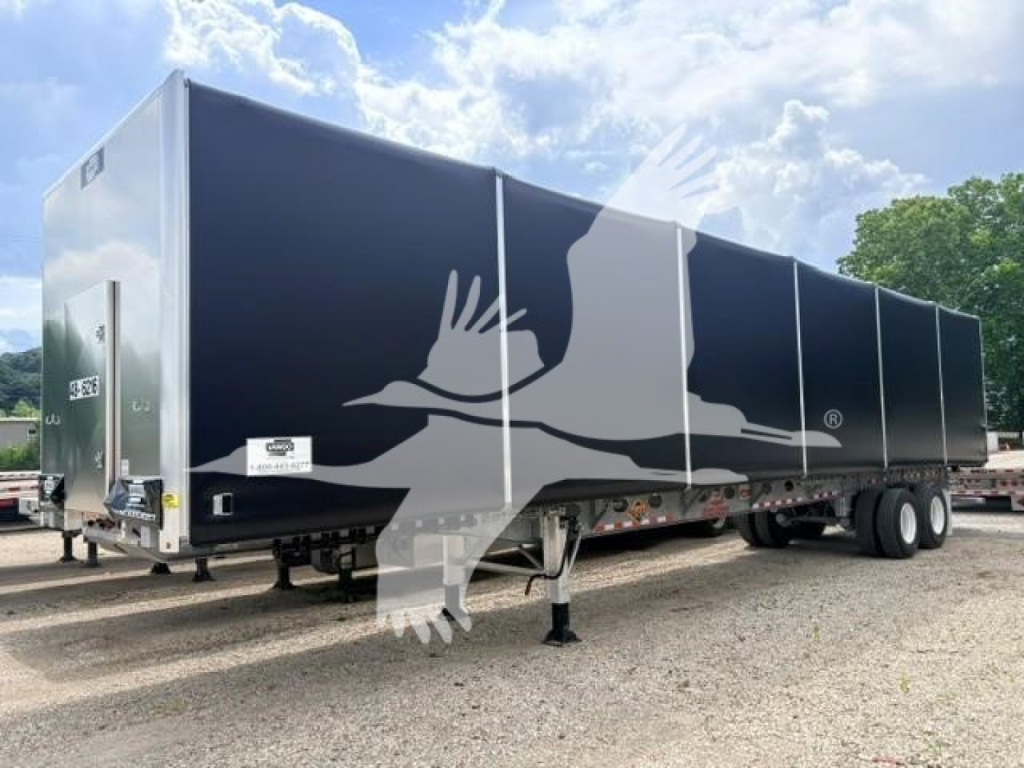
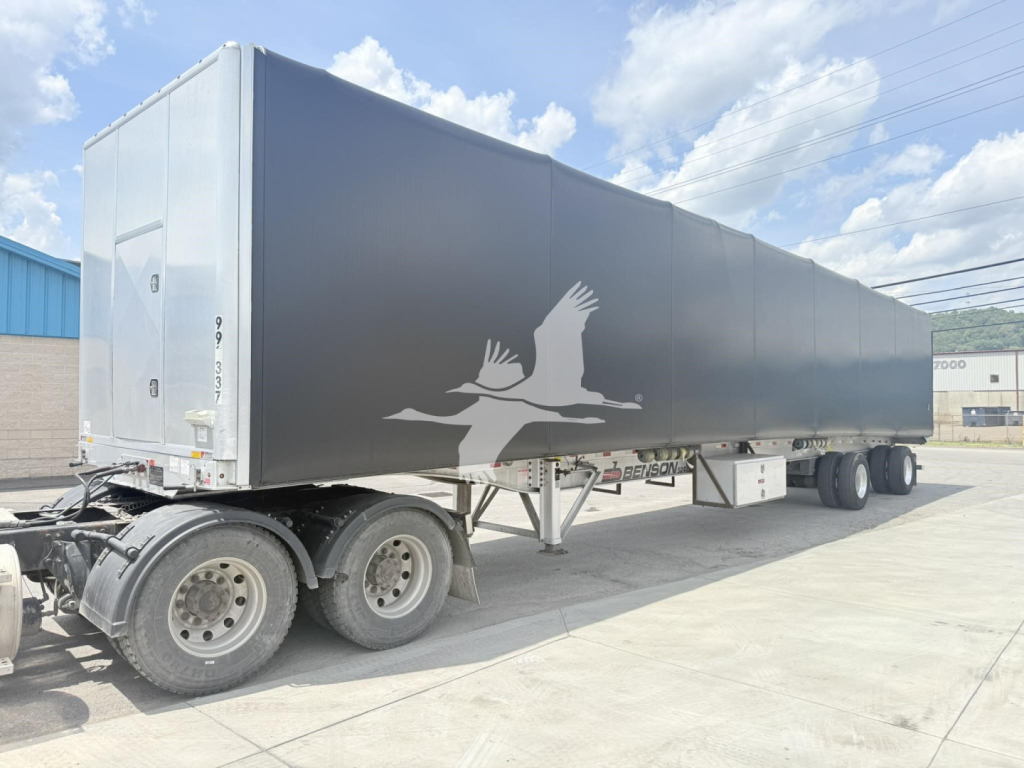
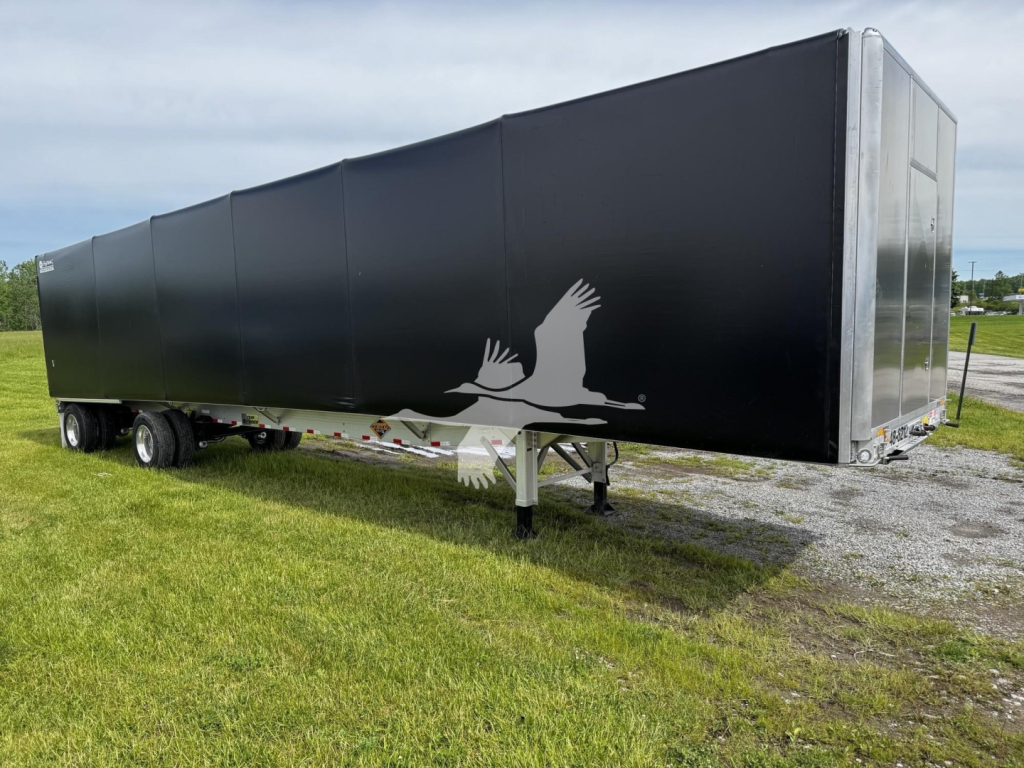
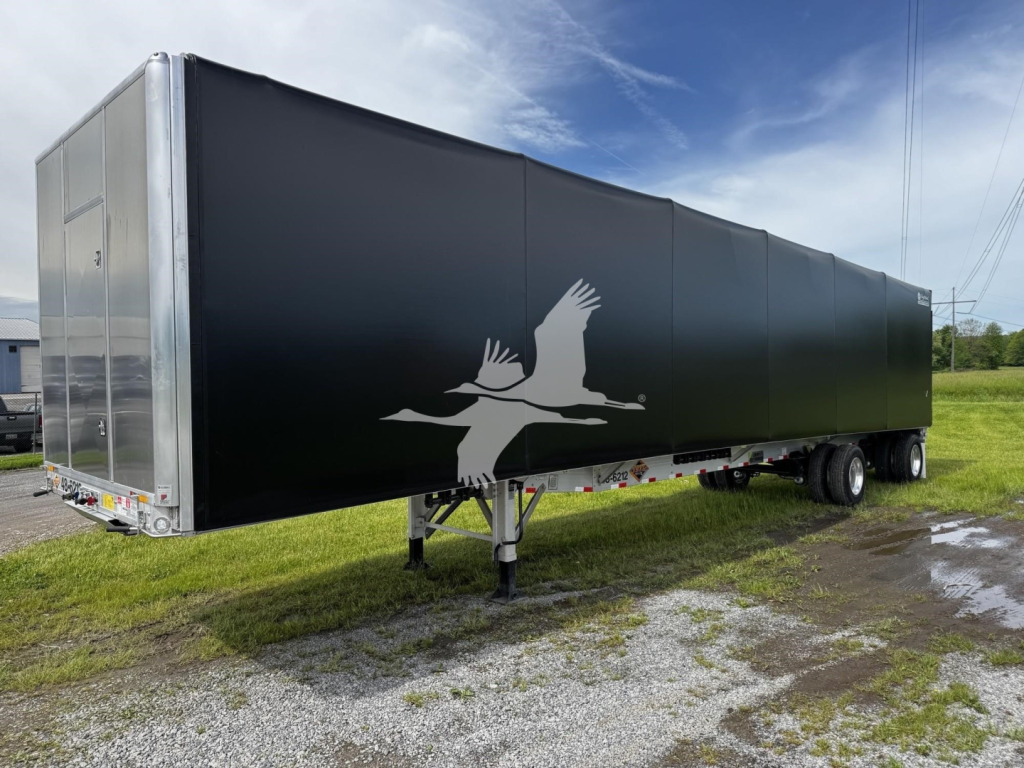
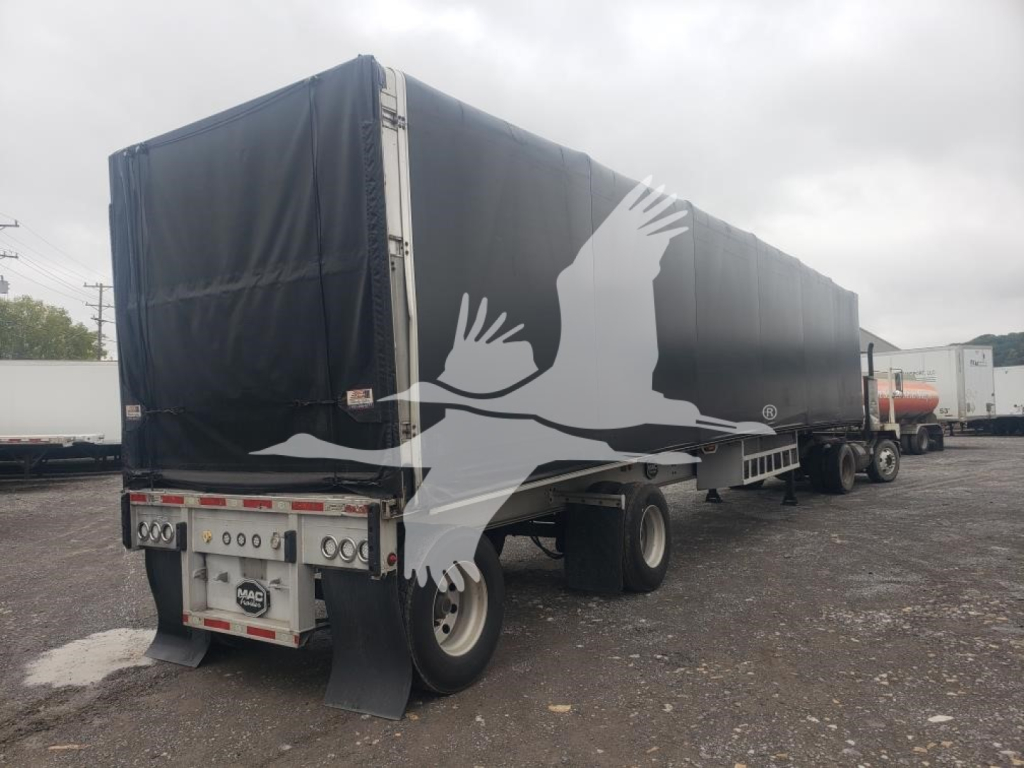
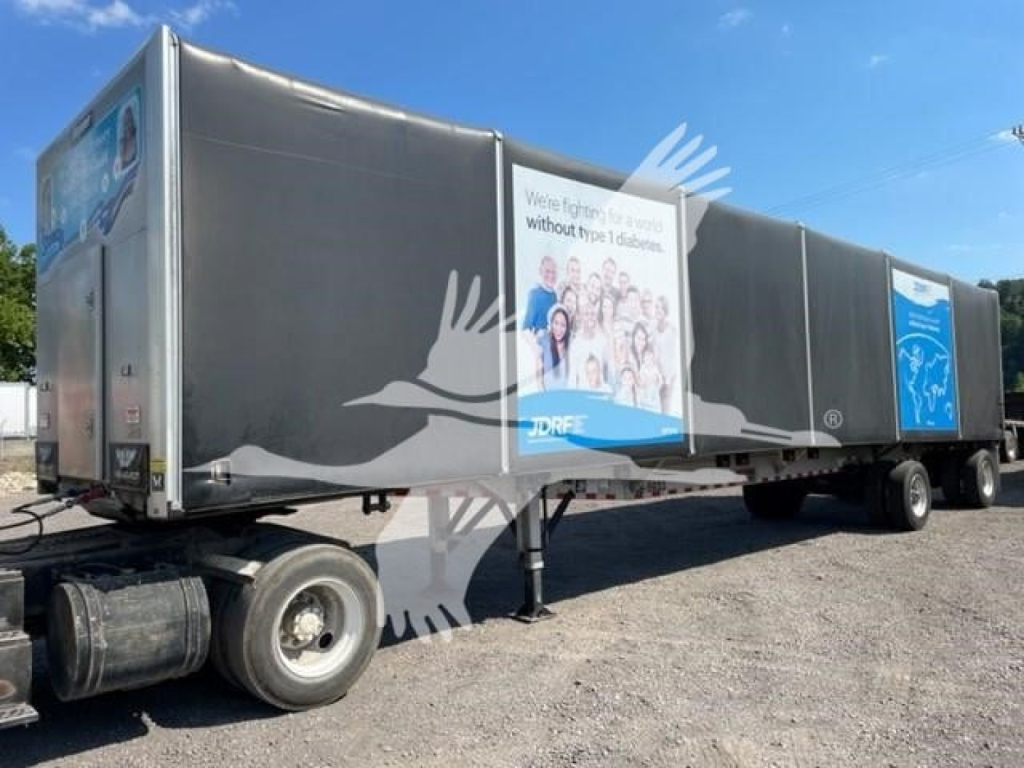
The first buying decision is usually the tarp system itself. A used curtainside trailer needs more scrutiny in the rolling frame, bows, tracks, rear closure, and curtain or tarp material than a standard flatbed. Check for smooth operation from front to rear, bent uprights, torn fabric, failed rollers, and signs that the system racks under load. Common systems include Quick Draw, Fast Track, Vango, and other Conestoga-style setups. The platform underneath matters just as much. Buyers should look at floor type, nailing strips, coil package provisions, side rails, tiedown hooks, winch track location, sliding winches, bulkhead design, and kingpin setting. A 30-inch kingpin setting is common on spread-axle and tandem flatbed-based designs, but bridge law and axle spacing still need to match your lanes and tractor spec.
Suspension and running gear are where used value can separate quickly. Air ride suspensions from brands like Hendrickson are common because they protect sensitive freight and help ride quality, but axle alignment, bushing wear, ride height, brake condition, and tire wear pattern tell the real story. In Pennsylvania and the surrounding Northeast, corrosion on crossmembers, rear structure, landing gear, slider components if equipped, and electrical connections is worth a careful inspection. Many used curtainside trailers ride on aluminum wheels and low-profile or 22.5-inch rubber, and the trailer's actual empty weight can vary a lot depending on the aluminum content of the deck, beam design, and size of the tarp framework.
For many fleets, the advantage of a curtainside is speed at the dock and less cargo exposure during loading. These trailers are a strong fit for shippers that need overhead loading, side access, or protection from road spray and weather, but still require flatbed-style securement. Buyers should confirm interior clearance under the arch, rear opening dimensions, bulkhead configuration, and whether the deck is set up for coils, pipe, crated freight, or mixed palletized loads. On a used trailer, service records and evidence of tarp maintenance can be as important as tire and brake percentages. A well-kept curtainside trailer can lower labor time, reduce cargo damage risk, and give a flatbed operation access to higher-value protected freight.
Frequently Asked Questions about Used Curtainside Trailers in Pennsylvania
What is the difference between a curtainside trailer and a Conestoga trailer?
In most used trailer listings, the terms are often used interchangeably, but many buyers mean a flatbed trailer with a rolling tarp system when they say Conestoga. A traditional curtainside can also refer to a van-style body with sliding side curtains and a more fixed roof structure. The key difference is how the trailer is built underneath and how freight is secured. Flatbed-based curtainside or Conestoga trailers usually still use chains, straps, winches, and coil securement similar to a standard flatbed, while van-style curtainsides are more common in specialized freight networks.
What should I inspect first on a used curtainside trailer?
Start with the tarp system and the trailer frame together. The curtain or tarp fabric, rolling mechanism, bows, tracks, rear door or rear curtain closure, and front header need to operate smoothly and seal correctly. After that, inspect the aluminum or steel deck structure, crossmembers, side rails, suspension, brakes, tires, and landing gear. Uneven tarp movement, bent framework, corrosion around mounting points, and cracked deck components can turn an otherwise clean trailer into an expensive repair project.
Are used curtainside trailers good for steel and building materials?
Yes, especially when the trailer is equipped with the right flatbed features underneath the cover. Many used units have coil packages, winch tracks, sliding winches, pipe spools, nailing strips, and heavy-duty tiedown points that make them suitable for steel, metal products, lumber, and palletized construction freight. The tarp system protects cargo from weather, but securement still has to match the load just like it would on a flatbed.
What trailer size and spec are most common in this category?
The most common used curtainside trailer in this segment is a 48-foot by 102-inch tandem-axle aluminum platform with air ride suspension and a Conestoga-style rolling tarp system. Many have a 30-inch kingpin setting, aluminum wheels, and deck setups designed for general commodity freight with some coil capability. That said, actual specs vary by manufacturer, axle spread, interior clearance, and load securement package, so it is important to match the trailer to your freight and the bridge laws on your routes.
Does a curtainside trailer reduce loading time compared with hand-tarping a flatbed?
In many operations, yes. A curtainside trailer can cut labor time because the driver or dock crew can open the side quickly, load with a forklift or overhead crane, secure the freight, and close the system without laying out separate tarps. This can improve turnaround time and reduce tarp-related cargo claims, but only if the rolling system is maintained and the trailer has enough interior clearance and side access for the freight you haul.