
Used 2013 Curtainside Trailers For Sale in Pennsylvania
Shop used 2013 curtainside trailers in Pennsylvania. Compare 48x102 specs, Conestoga systems, suspension, flooring, and securement details.
Have used 2013 curtainside trailer to sell? List it here to reach thousands of buyers.
Used 2013 Curtainside Trailers in Pennsylvania
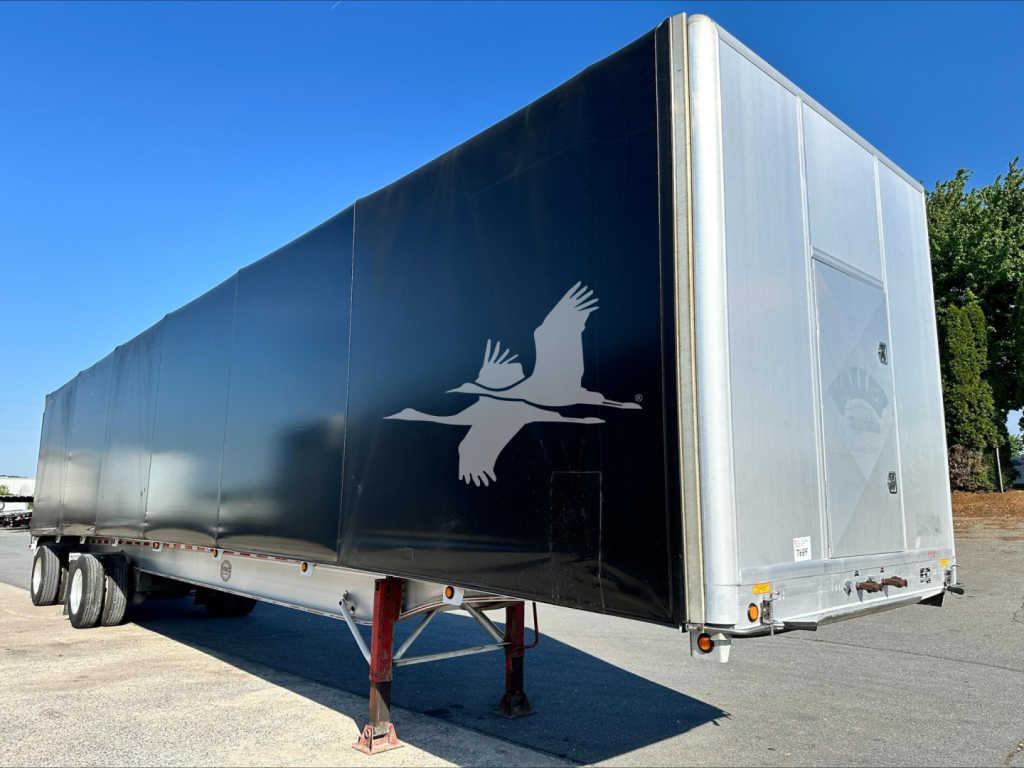
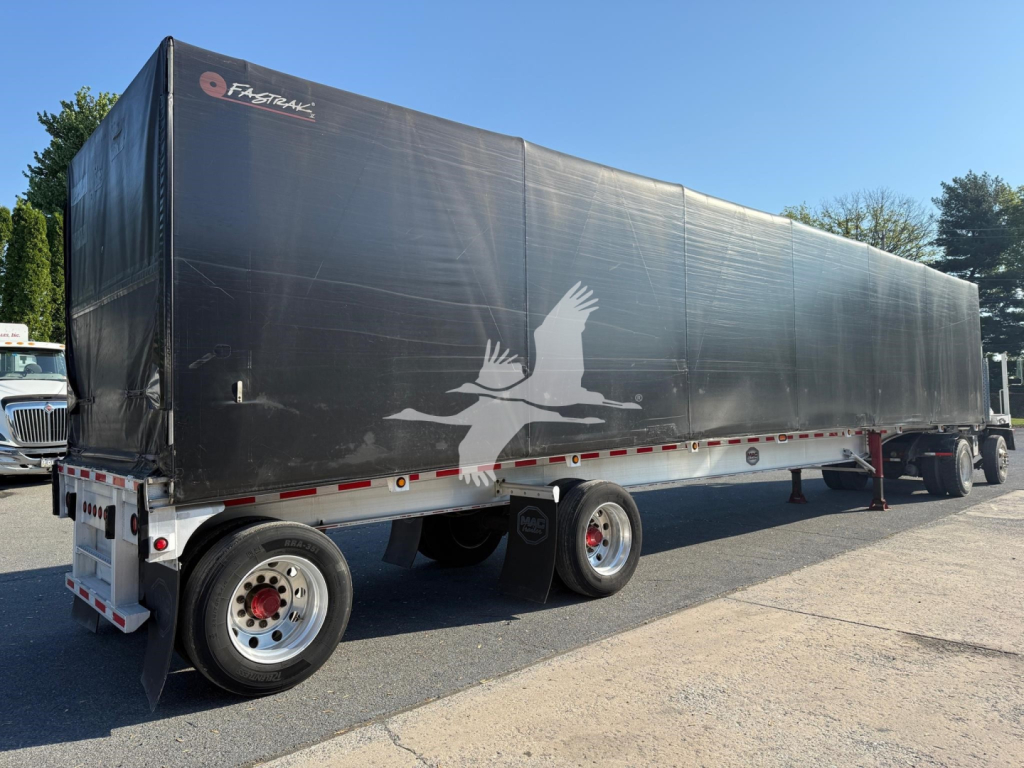
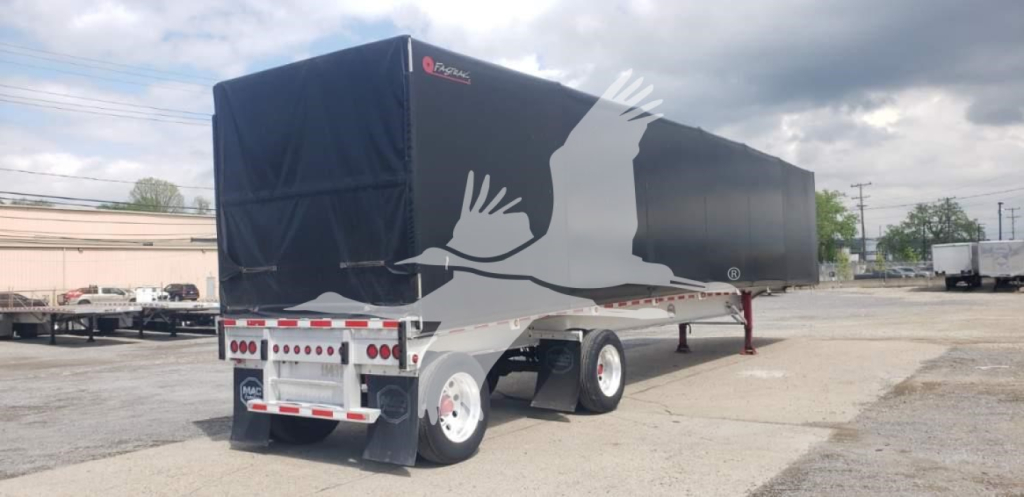
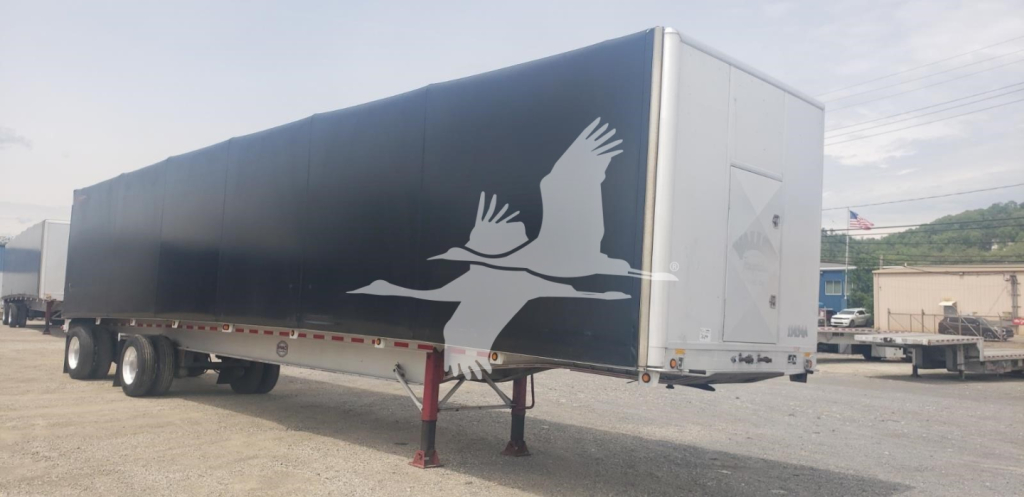
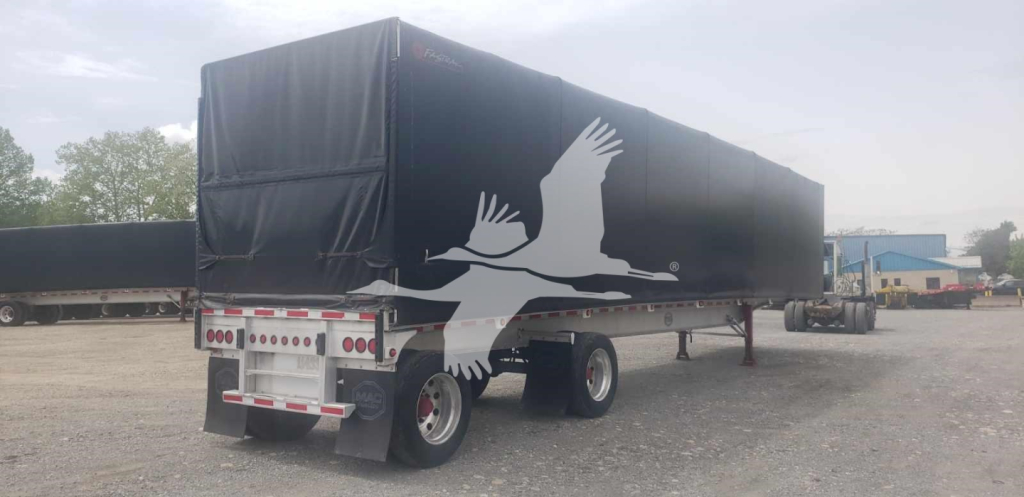
The first buying decision is usually the trailer structure and tarp system. On a 2013 model, pay close attention to the frame design, crossmember spacing, side rail condition, and the operation of the rolling tarp assembly. Many units in this class use aluminum floors, aluminum side rails, two-speed landing gear, and kingpin settings around 30 inches. Conestoga or similar systems from brands like Fast Track or Vango should roll smoothly, seal reasonably well, and show no major bow damage, track wear, or tarp tearing. Inside clearance is important if you haul taller palletized freight, while coil packages, bulkheads, chain racks, pipe spools, tiedown hooks, winch tracks, and sliding winches can make one trailer much more useful than another depending on the freight mix.
Suspension and running gear deserve a close look because they directly affect tire life and maintenance cost. Used 2013 curtainside trailers in this category are commonly tandem axle units with air ride suspension such as Hendrickson Intraax setups, often on 24.5 low profile tires or 11R24.5 rubber. Check axle alignment, suspension bushings, brake percentages, wheel type, and any signs of uneven tire wear. In Pennsylvania, where seasonal road conditions can be hard on trailers, corrosion around fasteners, rear frame sections, landing gear mounts, and lighting connections is worth inspecting carefully. A current FHWA inspection, solid brake life, and clean air ride components can save money immediately after purchase.
The best value comes from matching the trailer to the freight, not just the price tag. A 2013 curtainside trailer with a 72,000-pound beam rating, coil package, nailers, and multiple securement points may suit steel and heavier commodity work, while a lighter aluminum setup with fewer specialty options may be better for general freight. Buyers should confirm deck condition, tiedown layout, tarp replacement history, rear opening style, and whether the trailer has the bulkhead, winches, and load securement hardware their lanes require. For Pennsylvania operators handling mixed freight in all seasons, a well-kept used curtainside trailer can deliver much of the accessibility of a flatbed with better cargo protection and quicker turnaround at the dock or jobsite.
Frequently Asked Questions about Used 2013 Curtainside Trailers in Pennsylvania
What is a curtainside trailer in this market segment?
In this segment, a curtainside trailer often refers to a flatbed-style trailer equipped with a rolling Conestoga tarp system rather than a fixed dry van body. It provides side and overhead loading access while protecting freight from weather. That makes it popular for loads that need forklift access from the side but still require more protection than an open deck trailer can provide.
What specs matter most on a used 2013 curtainside trailer?
The most important specs are overall length and width, trailer construction material, suspension type, axle setup, kingpin setting, tarp system brand and condition, interior clearance, and load securement equipment. Buyers should also look for coil packages, winch tracks, sliding winches, chain racks, pipe spools, bulkheads, and tiedown hooks if the trailer will haul steel or machinery. Running gear condition, tire life, and brake life are just as important as the trailer body.
Are aluminum 2013 curtainside trailers a good choice for weight-sensitive freight?
Yes. Aluminum trailers are common in this category because they reduce empty weight and can improve payload capacity. That can be a strong advantage for carriers hauling dense but legal freight where every pound matters. The tradeoff is that buyers need to inspect aluminum floors, crossmembers, and side rails carefully for damage, fatigue, and past repairs, especially on older units that have seen heavy regional use.
How do I evaluate the tarp system on a used curtainside trailer?
Start with the tarp fabric, bows, rollers, tracks, rear closure, and crank or roll mechanism. The system should move smoothly without binding, and the tarp should not show major tears, dry rot, or poorly patched sections. Check for bent framework, track wear, missing hardware, and signs that the tarp does not seal properly at the rear or along the sides. A trailer can look good structurally but still create downtime and cargo claims if the curtain or rolling cover system is near the end of its service life.
Why are coil packages and securement options important on these trailers?
A coil package changes the trailer's usefulness for steel hauling by adding the structural support and deck layout needed for concentrated loads. Securement features like winch tracks, sliding winches, tiedown hooks, nailers, bulkheads, and chain storage determine how efficiently the trailer can handle different commodities. A used 2013 curtainside trailer with the right securement setup can reduce loading time, improve compliance, and make the trailer more adaptable across multiple freight types.